
Selecting a reliable foot support guard in Singapore requires moving beyond flashy marketing and focusing on structural design, material suitability, and sport-specific functionality. With the diverse range of protective gear available in local retail stores and online platforms, finding a guard that truly protects your foot and ankle involves assessing how a brand constructs its products. A proper support guard must match your physical demands, fit comfortably within your athletic footwear, and withstand the challenges of a tropical climate. By establishing clear evaluation criteria, you can confidently identify high-quality brands that offer genuine protection and durability.
How to Evaluate Foot Support Guard Brands for Your Sport
To find a foot support guard that offers genuine protection, start by evaluating the core focus of the brand. Manufacturers generally fall into two categories: specialized medical-grade orthotic companies and general athletic apparel brands. Medical-grade brands typically prioritize anatomical alignment, joint stabilization, and clinical research, making them highly suitable for injury recovery or chronic instability. General athletic brands, on the other hand, often focus on lightweight compression, flexibility, and aesthetic integration, which are ideal for minor fatigue prevention but may lack the structural rigidity needed for severe joint support.
Next, examine whether the brand offers sport-specific designs tailored to your chosen activity. For instance, court sports like badminton, basketball, and netball involve rapid lateral movements, sudden stops, and jumping, which require guards with rigid lateral stabilizers or reinforced plastic stays to prevent inversion injuries. Conversely, running and football demand low-profile, highly flexible designs that fit snugly inside tight-fitting cleats or running shoes without altering your natural gait or causing painful pressure points.
Products mentioned in this guide
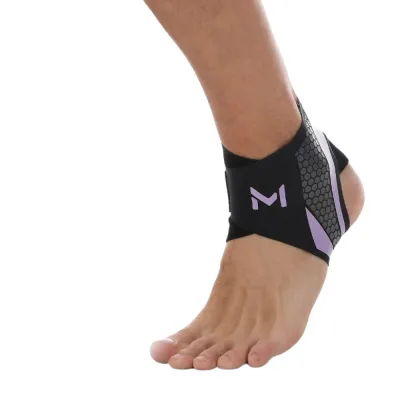
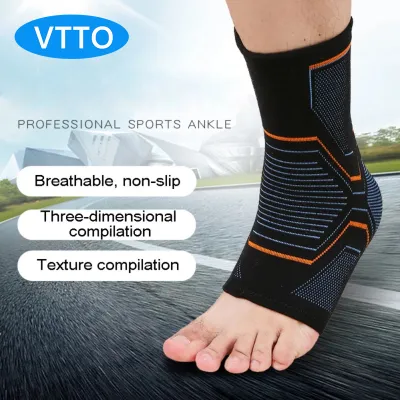
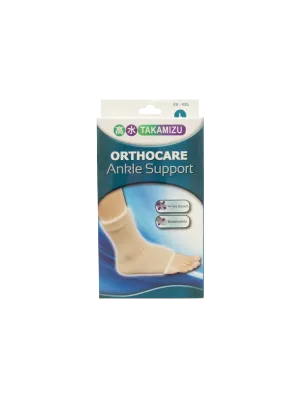
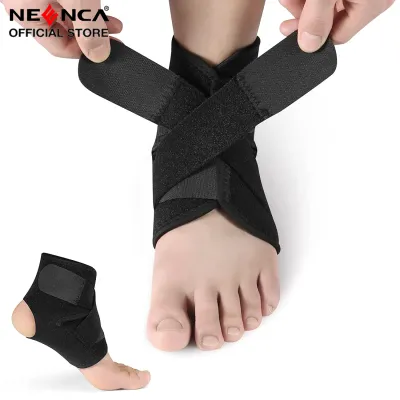
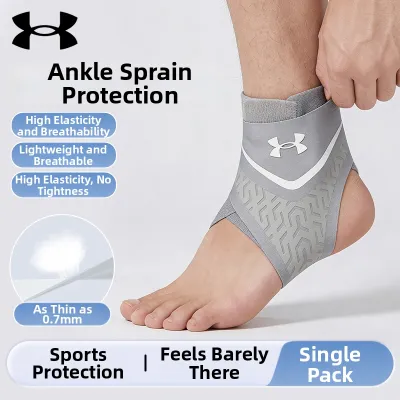
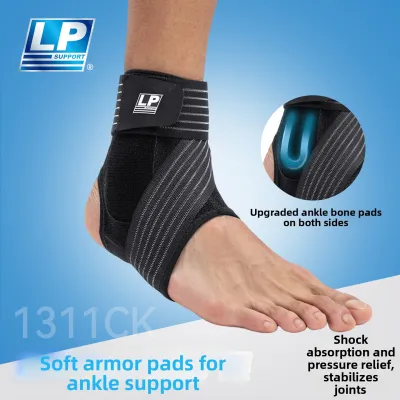
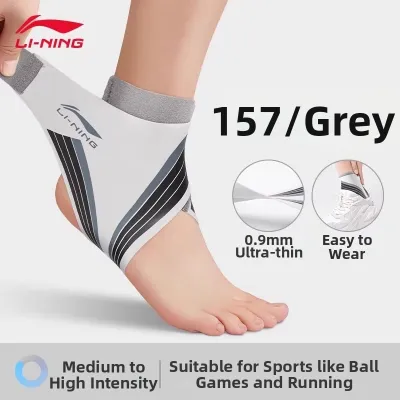
Prices are valid at publication and may change. Please refer to the product page for the latest price.
Brand transparency is another critical indicator of quality and reliability. Reputable manufacturers provide detailed information regarding their material composition, structural testing methodologies, and compliance with international manufacturing standards. Look for brands that clearly state the types of fabrics used, such as medical-grade neoprene, breathable nylon blends, or hypoallergenic materials. A brand that openly shares its testing protocols and structural specifications demonstrates a commitment to safety and performance, allowing you to make an informed decision based on verifiable data rather than vague marketing claims.
Additionally, check if the brand provides comprehensive user manuals, care instructions, and clear guidelines on how to wear the product. Brands that invest in detailed educational resources demonstrate a long-term commitment to user safety and product efficacy. You can often find these resources on the manufacturer’s official website, which serves as an excellent reference point to verify the brand’s professional standing before making a purchase.
Key Features to Look for in Reliable Ankle and Foot Braces
When inspecting a foot support guard, the strap system and lacing mechanisms are among the most critical components to evaluate. High-quality braces often utilize a figure-eight or figure-six strap configuration, which mimics athletic taping to lock the heel in place and restrict excessive lateral movement. Ensure the hook-and-loop fasteners are robust and double-stitched, allowing you to adjust the compression level evenly across the foot and ankle without creating localized pressure points that could restrict blood flow.

In Singapore’s hot and highly humid tropical climate, breathability and moisture management are paramount for comfort and skin health. Prolonged physical activity in high humidity leads to rapid sweat accumulation, which can cause skin chafing, blisters, and bacterial growth inside a non-breathable brace. Look for brands that incorporate advanced moisture-wicking fabrics, perforated neoprene, or open-mesh panels that facilitate continuous airflow and heat dissipation. A well-ventilated guard not only enhances comfort during long training sessions but also prevents the material from becoming heavy and waterlogged.
The choice of material also impacts the brace’s performance in tropical conditions. While traditional neoprene offers excellent heat retention and structural durability, modern flat-knit fabrics provide superior breathability and targeted compression zones. Knit braces conform closely to the natural contours of your foot, making them highly comfortable for extended wear, though they may offer less rigid stabilization compared to heavy-duty neoprene braces equipped with external straps.
Durability is another essential factor, especially for athletes who train regularly. Examine the structural integrity of the brace’s hinges, rigid stays, and stitching. High-quality guards feature reinforced double-stitching along high-stress seams and utilize durable, lightweight materials like ballistic nylon or high-grade polymers for lateral supports. If the brace features mechanical hinges, verify that they move smoothly and align naturally with your ankle joint’s anatomical pivot points, ensuring they provide robust stabilization without restricting your natural range of motion.
Matching Support Levels to Your Activity and Injury History
Before purchasing a foot support guard, you must determine the appropriate level of protection required for your specific physical condition. Support guards generally range from mild compression sleeves to highly rigid, hinged braces. If you are seeking preventative protection to manage minor muscle fatigue or mild swelling during routine workouts, a flexible, elasticized compression sleeve (prophylactic support) is often sufficient. However, if you are recovering from a recent sprain, managing chronic joint instability, or returning to high-impact sports after an injury, you will require a rehabilitative brace equipped with rigid stays, straps, or hinges to actively limit harmful joint movement.
Selecting the correct size is vital to ensure the brace functions as intended. Never rely solely on your standard shoe size, as foot and ankle anatomy varies widely. Reliable brands provide detailed measurement charts that require you to measure specific areas, such as the circumference of your ankle just above the joint, or the diagonal circumference around your heel and instep. Take these measurements carefully using a flexible measuring tape, and if your measurements fall between two sizes, consult the manufacturer’s guidelines—often, choosing the smaller size provides firmer support, while the larger size offers greater comfort.
It is also important to understand that relying on a rigid support guard indefinitely can lead to muscle weakness and joint dependency. As your joint strength and stability improve through targeted physiotherapy and rehabilitation exercises, you should gradually transition to lighter, more flexible support options. This step-down approach encourages your natural stabilizing muscles to rebuild strength while still providing a safety net during high-intensity training sessions.
While a foot support guard is an excellent tool for sports protection, it is crucial to recognize its limitations. Protective gear cannot replace proper physical conditioning, strength training, or professional medical judgment. If you experience sharp pain, numbness, tingling, coldness in your toes, or visible skin discoloration while wearing a brace, these are clear signs of restricted circulation or improper fit. Immediately loosen or remove the guard, and if persistent pain or instability continues, stop using the product and consult a qualified physiotherapist or sports medicine professional to address the underlying issue.
Where to Verify Brand Authenticity and Warranty in Singapore
To ensure you are purchasing a genuine, high-quality foot support guard, it is highly recommended to buy from authorized retailers, official brand boutiques, or reputable sports pharmacies in Singapore. Physical retail stores allow you to inspect the material quality, test the strap mechanisms, and try on different sizes to ensure a perfect fit before committing to a purchase. Additionally, staff at specialized sports stores or pharmacies can often provide valuable guidance on how to wear and adjust the brace correctly.
When purchasing online, look for official brand stores or authorized distributors on major ecommerce platforms. Genuine products often feature security elements on their packaging, such as holographic seals, unique batch numbers, or QR codes that link directly to the manufacturer’s official verification portal. Scanning these codes allows you to confirm the product’s authenticity instantly, ensuring you have not purchased a substandard counterfeit.
Before finalizing your purchase, take the time to verify the warranty terms, return policies, and exchange conditions. Genuine products from reputable brands typically come with a manufacturer’s warranty that covers defects in materials and workmanship for a specified period. Because proper fit is essential for both safety and effectiveness, confirm that the retailer allows exchanges or returns if the brace does not fit correctly when tried on at home. Keep your physical receipt or digital invoice safe, as this is invariably required to claim warranty support or process an exchange.
Be exceptionally cautious when browsing general online marketplaces or third-party ecommerce platforms, where counterfeit or unauthorized products are common. Counterfeit braces often look identical to genuine models but are constructed from inferior materials, weak stitching, and substandard plastics that can fail under athletic stress, potentially leading to severe injury. To protect yourself, always verify the seller’s credentials, look for official brand authorization badges, read customer feedback regarding product authenticity, and avoid deals that seem unrealistically cheap, as genuine protective gear requires a reasonable investment to guarantee structural safety.
Frequently Asked Questions (FAQ)
Can I wear a foot support guard inside any type of sports shoe?
Most low-profile and moderate-support guards are designed to fit inside standard athletic footwear, but high-volume braces with rigid stays or thick neoprene can make your shoes feel uncomfortably tight. To accommodate a thicker brace, you may need to loosen your shoe laces fully before putting the shoe on, or temporarily remove the factory insoles to create additional vertical space inside the shoe. If you play sports that require very tight-fitting footwear, such as football or track and field, look specifically for ultra-low-profile guards constructed from thin, high-tensile materials that provide robust support without adding excessive bulk.
How do I know when it is time to replace my foot support guard?
Over time, the constant stress of athletic movement, sweat exposure, and regular washing will cause any foot support guard to degrade. You should inspect your brace regularly for signs of wear, such as frayed straps, stretched-out neoprene, cracked plastic stays, or hook-and-loop fasteners that no longer hold securely. A clear indicator that your guard needs immediate replacement is a noticeable loss of targeted compression or lateral stability during movement, as a worn-out brace will fail to protect your joint from sudden twists or rolls, rendering it ineffective for sports protection.
Community discussion
Share your experience or ask a question. Comments are reviewed before publication.