
Packing a running vest for a marathon is an exercise in balance, accessibility, and friction management. The primary goal is to distribute weight evenly across your torso so that your natural running gait remains uninterrupted over 42.195 kilometers. By placing heavy fluids close to your center of gravity and positioning high-frequency nutrition like energy gels in easily reachable front pockets, you can maintain a steady pace without struggling to find fuel.
In warm and highly humid climates, such as during tropical marathon events, managing your hydration and nutrition becomes even more critical. High sweat rates demand a precise fueling strategy, but carrying heavy gear can quickly lead to shoulder fatigue or severe chafing if your vest is poorly organized. A systematic approach to packing ensures you can access your hydration and nutrition seamlessly, allowing you to focus entirely on your pacing, breathing, and form. Equipment alone cannot replace proper heat acclimatization and pacing judgment; always monitor your physical state and be prepared to slow down or stop at medical stations if you experience signs of heat exhaustion.
Evaluate Your Running Vest's Storage Layout
Before packing a single gel or flask, lay your running vest flat on a table to assess its storage architecture. Every vest model features a unique configuration of pockets, elastic loops, and zippered compartments. To choose the best setup for your body size and running style, you must map your gear to the specific zones of your vest. Front chest pockets and shoulder strap sleeves are designed for high-frequency, lightweight items that you need to access while moving at target race pace. Conversely, the rear compartment and lower side pockets are built to hold larger, heavier items that do not require constant retrieval.
Products mentioned in this guide
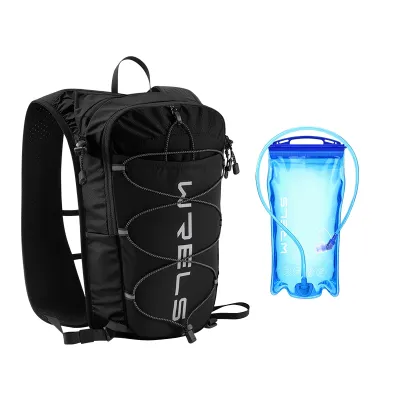

Prices are valid at publication and may change. Please refer to the product page for the latest price.
Verify your vest’s total storage capacity against your personalized marathon fueling plan. For a standard road marathon where aid stations are frequent, a minimalist vest with a capacity of 2 to 5 liters is typically sufficient. If you have a smaller frame, look for vests with adjustable side cinch cords to ensure the storage compartments can be compressed tightly against your body. Take note of which pockets are water-resistant and which are made of open mesh; this distinction is crucial for deciding where to store moisture-sensitive items like salt tablets, mobile phones, or dry apparel.
Organize Energy Gels for Quick, On-the-Go Access
Energy gels are the backbone of most marathon nutrition plans, but fumbling with them mid-race can disrupt your running rhythm and waste valuable energy. To prevent your vest from pulling to one side and causing shoulder strain, distribute your gels evenly between the left and right front chest pockets. If your plan calls for eight gels, place four on each side. This balanced distribution keeps your chest load symmetrical, which helps maintain proper running posture as fatigue sets in during the later stages of the race.

When sliding gels into your front pockets, orient them with the tear-tabs pointing upward or slightly outward. This positioning allows you to grab a gel and tear it open with one hand or your teeth without having to pull the entire packet out and risk dropping other items. If your fueling strategy involves different types of gels—such as alternating between caffeinated and non-caffeinated options—group them logically. You might dedicate the left pocket exclusively to non-caffeinated gels for the first half of the race, and the right pocket to caffeinated gels for the final push.
Always designate a secure, easily accessible pocket solely for empty, sticky gel wrappers. Littering on the course is often against race regulations, and stuffing sticky wrappers back in with your unused gels can ruin your remaining fuel and make your vest difficult to clean. A small, zippered lower pocket or an external mesh trash pocket is ideal for this purpose, keeping the sticky residue isolated from the rest of your gear.
Position Sports Drinks and Flasks for Optimal Balance
Liquid is the heaviest cargo you will carry during a marathon, making its placement critical for comfort and stability. Soft flasks, typically ranging from 250ml to 500ml, are the preferred choice for front chest pockets because they shrink as you drink, preventing liquid from sloshing. To minimize bouncing, fill your flasks to their recommended capacity, then gently squeeze out any remaining air before screwing on the caps. Removing this air pocket eliminates the sloshing sound and the shifting weight that can disrupt your mental focus and physical balance.
Slide the filled flasks into the dedicated front harness pockets, ensuring they sit high on your chest. Most high-quality running vests feature elastic loops or bungee cords near the collarbone; always loop these over the tops of your flask caps or bite valves to prevent the flasks from slipping down into the pockets as they empty. If you prefer using a hydration bladder in the rear compartment, position it in the dedicated sleeve closest to your back to keep the center of mass as close to your spine as possible.
Ensure that bottle nozzles, bite valves, or extended straws are tucked away securely and do not flap against your face or chest with every stride. If your flasks feature long straws, thread them through the vest’s shoulder loops to keep them stable. This keeps the valves clean from flying dust and sweat while ensuring they are always positioned just a few centimeters from your mouth for hands-free sipping.
Prevent Chafing and Load Shifting During Long Runs
As you consume your sports drinks and energy gels over several hours, the volume and weight of your vest will decrease significantly. This change in load can cause a once-snug vest to become loose, leading to friction and painful chafing. To counteract this, practice adjusting your sternum straps and side compression cords on the fly. Tighten the straps gradually as your flasks empty, ensuring the vest continues to hug your ribcage snugly without restricting deep diaphragmatic breathing.
Before setting off, check for any hard edges, rigid bottle caps, or exposed seams that might press uncomfortably against your ribs, collarbones, or underarms. The sharp plastic corners of energy gel packets are common culprits for chafing; you can fold these corners inward or wrap the gels in a soft sweatband before sliding them into your pockets. Applying a generous layer of anti-chafe balm to high-friction areas of your skin before putting on the packed vest provides an essential barrier against moisture and movement.
To protect your electronics and other essentials from sweat, rain, or leaking flasks, use small ziplock bags or the vest’s internal waterproof dividers. Keep your mobile phone, car keys, and emergency cash separate from your nutrition. This separation not only protects your valuables from moisture damage but also ensures you do not accidentally pull out your keys or phone when reaching for a gel in a state of physical exhaustion.
Validate Your Packing Strategy with a Pre-Race Fit Check
Never wear a newly packed vest or try a new pocket configuration for the first time on race day. A reliable running vest is an investment in your race performance—with quality models typically ranging from S$120 to S$250—and validating its fit during training is essential. Perform a dynamic shake test in your living room: put on the fully packed vest over the exact apparel you plan to wear on race day, tighten the straps, and jump up and down or run a few paces. Listen closely for any rattling items and feel for any shifting weight or pressure points.
Use your final long training runs to practice retrieving, opening, and stashing your fuel while maintaining your target marathon pace. If you find that you must slow down, stop, or contort your shoulders to reach a flask or a gel, your current packing layout is not optimal. Adjust the pocket assignments until every movement feels natural and requires minimal cognitive effort.
Finally, account for how your body changes over the course of a long run. In hot, humid conditions, your hands and torso may swell slightly due to heat and increased blood flow. Ensure your vest’s adjustment straps have a few centimeters of slack remaining so you can loosen the fit slightly if the vest begins to feel constricting during the later kilometers of your marathon.
Frequently Asked Questions (FAQ)
How many energy gels should I carry for a full marathon?
The number of energy gels you need depends on your target finish time and your body’s carbohydrate absorption rate, which typically ranges from 30 to 60 grams of carbohydrates per hour. If a standard gel contains 20 grams of carbohydrates and you expect to run for four hours, aiming for 40 grams per hour means you will need to consume eight gels. Always calculate your total requirement based on your personal training experience rather than a generic formula.
To avoid overpacking and carrying unnecessary weight, study the official marathon race guide to see what nutrition is provided at the aid stations. If the event supplies the exact brand and flavor of gel that you have successfully tested during your training runs, you can plan to collect some of your fuel on the course. However, if the race-provided nutrition is unfamiliar to your stomach, it is safer to carry your own complete supply in your vest to prevent gastrointestinal distress.
Can I mix sports drinks and water in the same vest?
Carrying one flask of plain water and one flask of an electrolyte or carbohydrate sports drink is an excellent strategy for marathon running. This dual-flask setup allows you to wash down sweet, thick energy gels with plain water, which aids digestion and prevents stomach upset, while using the sports drink flask for continuous hydration and electrolyte replenishment between gel intervals.
To avoid confusion when physical fatigue sets in, establish a strict pocket rule and stick to it throughout your training and race day. For example, always place your plain water flask in the left chest pocket and your sports drink in the right chest pocket. This consistent placement creates muscle memory, ensuring you never accidentally drink a sweet sports drink when your mouth is dry and you need plain water to wash down a gel.
Community discussion
Share your experience or ask a question. Comments are reviewed before publication.