
Identifying a genuine climbing carabineer requires a systematic approach that combines verifying the purchasing source, conducting a meticulous physical inspection, and cross-referencing manufacturer markings. Because your safety on the wall depends entirely on the integrity of your gear, relying on visual checks alone is never enough. Counterfeiters have become highly skilled at mimicking the appearance of reputable brands, making it essential to evaluate the mechanical action, weight, and engraving details of every piece of hardware before it enters your climbing system.
The Safety Risks of Counterfeit Climbing Hardware
Using unverified or counterfeit climbing hardware introduces severe, unpredictable risks to any vertical activity. Genuine climbing gear undergoes rigorous quality control, destructive testing, and independent certification to ensure it can withstand the extreme forces generated during a fall. In contrast, counterfeit manufacturers operate without oversight, utilizing unknown metal alloys and substandard manufacturing processes that compromise the structural integrity of the gear.
These structural deficiencies mean that a fake carabineer can fail catastrophically under dynamic loads or sudden shock forces. While a counterfeit item might hold static body weight during a casual inspection, it may snap or deform when subjected to the real-world forces of a lead fall. In high-risk sports like rock climbing, mountaineering, and rigging, equipment reliability is absolute. No piece of gear can replace proper safety training, sound judgment, and redundant safety protocols, but using unverified hardware undermines all other safety measures you take on the wall.
Products mentioned in this guide
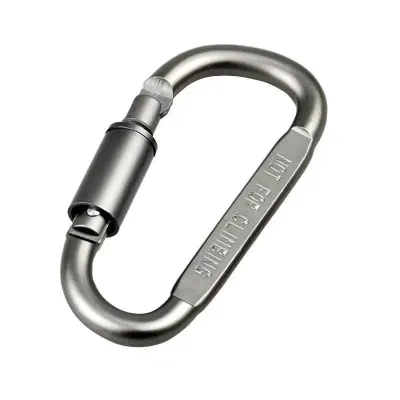
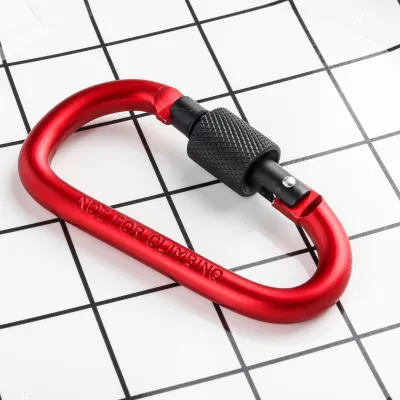
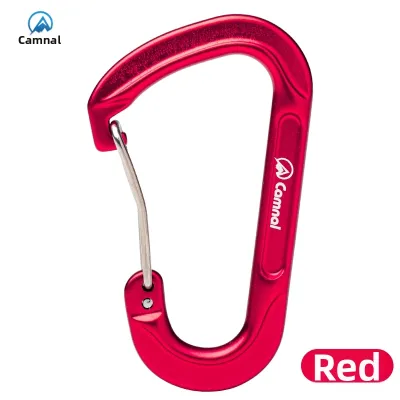
Prices are valid at publication and may change. Please refer to the product page for the latest price.
Physical and Visual Inspection Checklist
Before trusting any carabineer with your life, you must perform a structured physical and visual inspection. This process helps you identify subtle manufacturing variances, material inconsistencies, and functional defects that distinguish genuine safety hardware from dangerous imitations.

Checking Markings and Certification Stamps
Every legitimate climbing carabineer is marked with specific safety certifications, strength ratings, and manufacturing data. When inspecting these markings, look closely at the font, alignment, and depth of the engravings. Genuine manufacturers typically use high-precision laser engraving or clean forging techniques that result in crisp, uniform lettering. Counterfeit items often feature shallow, blurry, or poorly aligned stamps that look uneven under close inspection.
Verify that the mandatory certification marks, such as the CE or UIAA logos, are present and correctly formatted. You should cross-reference these markings with the official product documentation provided on the manufacturer’s website. Pay close attention to the stated strength ratings, which are measured in kilonewtons (kN) for major axis, minor axis, and open-gate configurations. If the numbers stamped on the spine do not match the official specifications for that exact model, the item is highly likely to be a fake.
Additionally, look for a unique batch number, serial number, or individual manufacturing date code. Reputable brands use these codes for quality control and product traceability. If a carabineer lacks a batch code, or if you find multiple carabiners with the exact same serial number when they should be unique, you are dealing with a counterfeit product.
Evaluating Gate Action and Build Quality
The mechanical performance of a carabineer is one of the most reliable indicators of its authenticity. Hold the carabineer in your hand and operate the gate repeatedly. The gate action must feel smooth, consistent, and responsive, with robust spring tension that snaps the gate completely shut when released. Any sticking, grinding, or hesitation during closure is a major warning sign. For locking carabiners, the screw sleeve or auto-locking mechanism must glide smoothly along the threads without binding or excessive lateral play.
Next, conduct a thorough tactile inspection of the entire body. Run your fingers along the spine, basket, nose, and hinge areas to check for casting flaws, sharp edges, burrs, or rough metal seams. Genuine climbing hardware is meticulously finished and anodized to prevent rope wear and eliminate sharp points that could damage a sling or harness. Counterfeit gear often exhibits uneven anodizing, color variations, or visible mold lines from cheap casting processes.
Finally, weigh the carabineer on a precise digital scale. Manufacturers publish the exact weight of their gear down to the single gram. Because counterfeiters often use cheaper, denser, or weaker aluminum alloys, their products frequently deviate from the official weight specifications. A variance of more than a gram or two from the manufacturer’s published weight should prompt immediate suspicion.
Common Red Flags of Fake Carabiners
Recognizing the common warning signs of counterfeit gear can prevent you from making a dangerous purchase. One of the most obvious red flags is an unusually low price. If you find a premium climbing carabineer listed on an online marketplace or an unauthorized third-party seller for a fraction of its standard retail value, you should assume it is a counterfeit. Saving S$15 or S$20 is never worth compromising your safety on the wall.
The packaging and documentation that accompany your gear also provide critical clues. Genuine climbing hardware is packaged with detailed, multi-language user manuals, safety warnings, and technical specifications. If your carabineer arrives loose in a plastic bag, lacks official packaging, or contains manuals with poor translations, spelling errors, and low-resolution graphics, it is highly suspect.
Examine the branding on the hardware itself. Counterfeiters frequently make subtle spelling mistakes in the brand name, use incorrect logos, or apply inconsistent typography that differs from the manufacturer’s official branding. Compare the logo on your carabineer directly with a known genuine product or high-resolution images from the brand’s official website to spot these discrepancies.
Choosing Reliable Purchasing Channels
The most effective way to ensure your climbing gear is genuine is to control where you buy it. Always prioritize purchasing directly from the brand’s official online store, authorized local distributors, or reputable specialty outdoor retailers. In Singapore, sourcing your gear from established climbing gyms or specialized outdoor shops ensures that the inventory comes from verified supply chains.
Exercise extreme caution when browsing general online marketplaces or purchasing from third-party sellers. Many of these platforms host independent sellers who ship products directly from unverified overseas warehouses, making it difficult to trace the origin of the gear. If you must use an online platform, verify that the specific seller is listed as an authorized dealer on the manufacturer’s website before completing your purchase.
Avoid buying critical safety equipment from discount websites, social media advertisements, or unverified second-hand listings. While buying used gear might seem like a budget-friendly option, you cannot verify its history, exposure to chemicals, or whether it has survived a major fall. When it comes to load-bearing climbing hardware, stick to trusted, authorized sources.
Steps to Take If You Suspect a Fake
If you suspect that a carabineer in your possession is counterfeit, you must take immediate action to protect yourself and the wider climbing community. First and most importantly, immediately retire the carabineer from service. Mark it clearly so that it cannot be accidentally mixed back into your active gear bag, and do not use it for any climbing, rigging, or load-bearing applications.
Contact the manufacturer or an authorized local dealer directly. Provide them with clear, high-resolution photographs of the carabineer, focusing on the markings, gate mechanism, and any physical anomalies. Include the batch or serial numbers and details about where you purchased the item. Manufacturers take counterfeiting seriously and can often verify the authenticity of the batch code.
If you purchased the item through an online marketplace, initiate a return and report the seller immediately under the platform’s buyer protection policies. Provide your evidence of the counterfeit to help get the fraudulent listing removed. Finally, destroy the suspected carabineer by cutting it with a hacksaw or disabling the gate permanently before disposing of it. This ensures that no one else can salvage the dangerous hardware from a bin and attempt to climb with it.
Frequently Asked Questions (FAQ)
Can I rely solely on certification stamps to verify authenticity?
No, you cannot rely exclusively on certification stamps. Counterfeiters are fully capable of replicating CE, UIAA, and manufacturer logos using laser engraving or forging molds. To ensure authenticity, you must combine the presence of these stamps with a thorough physical inspection of the build quality, gate action, and weight, while ensuring the product was sourced from an authorized retailer.
Are second-hand or heavily discounted carabiners always counterfeit?
Not all discounted or second-hand carabiners are counterfeit, as legitimate retailers often run seasonal clearance sales, and climbers sometimes sell unused gear. However, extreme discounts from unverified online sellers are a major red flag for fakes. When considering second-hand gear, you must also account for the unknown usage history, potential micro-fractures, and chemical exposure, which makes buying new hardware from authorized channels the safest choice.

Community discussion
Share your experience or ask a question. Comments are reviewed before publication.