
A power twister bar is a highly efficient, space-saving tool designed to build upper body strength right in the comfort of your home. In Singapore, where compact HDB apartments require smart equipment choices, this portable device offers a quiet and intense workout without the clutter of heavy benches or noisy weight plates. To use it correctly, you must master controlled tension, maintain a neutral wrist position, and prioritize a slow, deliberate release on every single repetition.
Preparing for Your Power Twister Bar Workout
Before starting your workout, you must select a bar that matches your current physical capabilities. Power twister bars come in various resistance ratings, typically measured in kilograms, ranging from 20kg to 100kg or more. Check the manufacturer’s label or product specifications to verify the resistance level. Attempting to use a bar that is too heavy can lead to severe joint strain, compromised form, and immediate muscle fatigue.
Next, perform a thorough equipment inspection before every training session. Examine the steel spring or hydraulic cylinder for hairline cracks, rust, or signs of metal fatigue. Check the rubber or foam grips to ensure they are firmly adhered to the metal core and do not slide off. Most importantly, verify that the nylon wrist safety straps are securely attached to both ends of the bar and show no signs of fraying or tearing.
Products mentioned in this guide
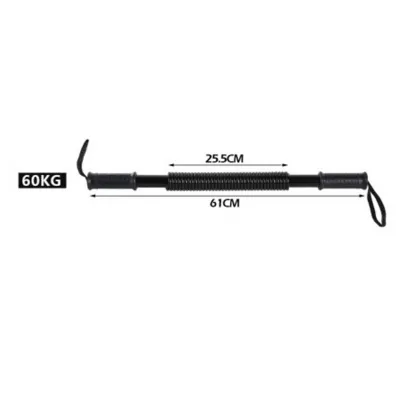


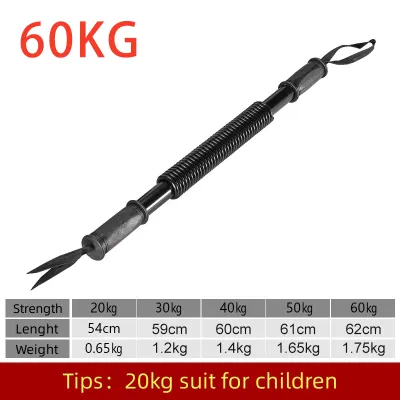
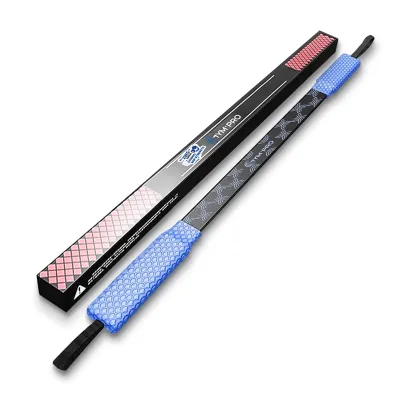
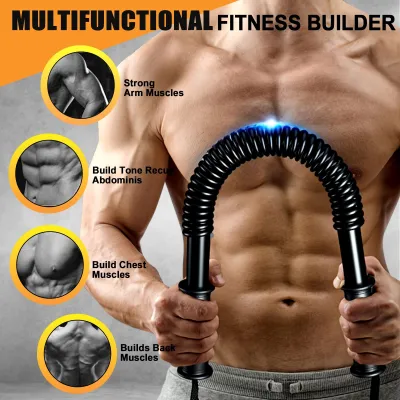
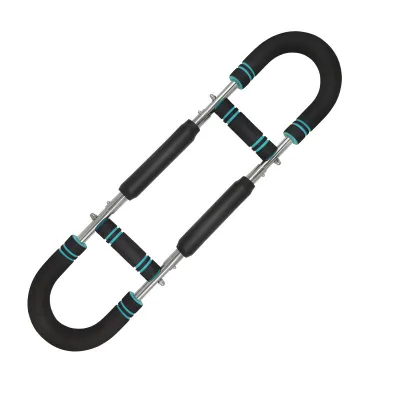

Prices are valid at publication and may change. Please refer to the product page for the latest price.
Finally, clear a dedicated workout zone in your living space. Ensure you have at least two meters of open space in front of and around you. In a typical HDB flat, this means stepping away from glass sliding doors, television screens, low-hanging ceiling fans, and furniture. A sudden slip or accidental release can cause the bar to spring outward violently, making a clear safety buffer essential to protect yourself and your home.
Proper Form and Core Techniques
Establishing a solid physical foundation is critical before you attempt to bend the bar. Stand with your feet shoulder-width apart to distribute your weight evenly. Keep a slight, soft bend in your knees to absorb the tension generated during the exercise. Engage your core muscles by tightening your abdominals, which prevents your torso from swaying, twisting, or leaning forward as you apply force.

Your grip and wrist alignment directly impact both safety and muscle isolation. Slide your hands firmly onto the grips and loop the safety straps securely around your wrists. Keep your wrists straight and completely neutral throughout the entire movement. Allowing your wrists to bend backward or forward under pressure transfers the immense tension of the spring into the delicate joints of your hands and forearms, increasing the risk of strain.
Proper breathing patterns help manage internal pressure and maintain stability during high-tension movements. Exhale slowly through your mouth during the concentric phase, which is the bending action where the resistance is highest. Inhale deeply through your nose during the eccentric phase as you slowly release the bar back to its straight position. Avoid holding your breath, as this can cause a sudden spike in blood pressure.
Step-by-Step Exercises for Chest, Shoulders, and Arms
The power twister bar is highly versatile despite its straightforward design. By altering your grip direction and changing the angle of the bar relative to your body, you can shift the mechanical load across different muscle groups. This allows you to target your chest, shoulders, biceps, and forearms effectively using a single piece of equipment.
Standard Chest Squeeze
To target your pectoral muscles, begin by holding the power twister bar with an overhand grip, where your palms face downward. Raise your arms so they are parallel to the floor, directly in front of your chest. Keep a slight, safe bend in your elbows rather than locking them out, which protects your elbow joints from absorbing the spring’s tension.
Slowly squeeze your hands together in a downward arc, bending the bar into a “U” shape. Focus on bringing your hands as close together as your strength and the bar’s resistance allow. Once you reach the point of maximum contraction, pause for a split second to maximize muscle engagement.
The release phase is where many users make mistakes. Slowly and deliberately release the tension, taking at least three to four seconds to return the bar to its straight starting position. Do not let the spring snap back. To enhance chest isolation, visualize your elbows moving toward each other rather than simply pushing with your hands.
Overhead Press Variation
To shift the focus to your shoulders and upper chest, raise the power twister bar above your head. Your arms should be angled upward at approximately 45 degrees, keeping the bar well clear of your face and head. Maintain a neutral spine and keep your feet firmly planted on the floor.
Engage your core deeply to prevent your lower back from arching or hyperextending as you apply force. Bend the bar downward and inward, aiming to bring your hands toward your upper chest or collarbone. This elevated angle recruits the anterior deltoids and the clavicular head of the pectoralis major.
Keep the range of motion within a comfortable, pain-free limit to protect your shoulder joints. The shoulder is a highly mobile but vulnerable joint, and forcing a deep bend under high spring tension can lead to rotator cuff strain. If you feel any pinching or discomfort, reduce the angle or stop the movement immediately.
Underhand Grip Curl
To emphasize your biceps and forearms, reverse your grip so your palms are facing upward in a supinated position. Hold the bar at waist height, keeping your elbows tucked tightly against the sides of your ribs.
Bend the bar upward by flexing your elbows, bringing your hands up toward your chest. This underhand position shifts the mechanical load away from the chest and heavily recruits the biceps brachii and the brachioradialis muscles of the forearm. Keep your shoulders relaxed and down to avoid using your upper back to cheat the movement.
The temptation to let the bar snap back is highest during this exercise because the biceps are smaller muscles. You must actively resist the spring’s desire to straighten. Guide the bar back down to the starting position with a slow, controlled eccentric contraction, keeping your elbows pinned to your sides throughout the entire repetition.
Safety Guidelines and Common Mistakes to Avoid
The single greatest risk when using a power twister bar is an uncontrolled release, commonly known as snap-back. If your grip slips or your muscles fail suddenly, the high-tension steel spring will violently snap back to its straight shape. This can cause severe facial, dental, or bodily injuries. Always wear the wrist safety straps; they ensure that if your hands slip, the bar remains anchored to your wrists rather than flying upward.
Avoid using momentum to bend the bar. If you have to rock your body, swing your hips, or throw your weight forward, the resistance is too heavy for your current strength level. This cheating motion reduces muscle engagement and places dangerous shear forces on your lower spine. Keep your movements slow, smooth, and entirely controlled from start to finish.
Establish clear stop conditions for your workout. Halt the exercise immediately if you experience sharp joint pain in your wrists, elbows, or shoulders. Muscle burning is a normal sign of exertion, but joint pain indicates harmful strain. Additionally, stop using the bar immediately if you notice any physical deformation, such as a permanent bend in the spring, loose grip sleeves, or fluid leaks on hydraulic models.
Maintaining Your Equipment and Tracking Progress
Proper maintenance ensures your equipment remains safe and functional over time. After every workout, wipe down the rubber or foam grips with a damp cloth to remove sweat and oils, which can make the surface slippery. Inspect the spring coil regularly for signs of wear. If you are using a hydraulic power twister, check the cylinder seals for any signs of oil leakage, which indicates a loss of internal pressure and safety.
Store your power twister bar in a cool, dry place away from direct sunlight and moisture, which can accelerate rust on steel springs. Keep it out of reach of children and pets, as the high resistance can cause injury if tampered with.
Track your progress by monitoring how easily you can complete your sets with perfect form. When you can comfortably perform three sets of fifteen repetitions with a slow, controlled release and no loss of posture, it is time to progress. Check the manufacturer’s specifications to select a bar with a higher resistance rating to continue challenging your muscles safely.
Frequently Asked Questions (FAQ)
Can a power twister bar replace dumbbells for arm workouts?
A power twister bar is an excellent tool for building isometric strength and targeting specific muscle groups like the chest, forearms, and biceps, but it cannot fully replace dumbbells. Dumbbells rely on gravity, providing constant resistance throughout a full range of motion, and allow for easy progressive overload by adding small weight increments. The power twister bar uses spring or hydraulic resistance, which increases the further you bend it, meaning the resistance is not uniform. For a complete strength routine, use the twister bar as a convenient, space-saving complement to free weights rather than a total replacement.
How often should I use a power twister bar at home?
For optimal muscle recovery and growth, aim to use the power twister bar two to three times per week, allowing at least 48 hours of rest between sessions targeting the same muscle groups. Your muscles require time to repair the micro-tears created during resistance training. If you experience persistent muscle soreness or joint stiffness, extend your rest period. Listen to your body and adjust your schedule based on your personal recovery capacity and observable comfort levels.
Community discussion
Share your experience or ask a question. Comments are reviewed before publication.