
Using a vibration plate for cardiovascular exercise involves shifting from static poses to dynamic, continuous movements that challenge your heart and lungs. While these machines are traditionally associated with strength and recovery, you can effectively elevate your heart rate by performing high-energy exercises on the vibrating platform. By adjusting the frequency and amplitude settings to match your fitness level and combining them with compound movements, you transform the plate into an active cardio tool. This approach leverages rapid muscle contractions to increase metabolic demand, helping you achieve an efficient cardiovascular workout in a compact space.
Preparing for Your Vibration Plate Cardio Workout
Before starting any high-intensity session, ensure your equipment is properly configured. Place your vibration plate on a flat, stable surface. If using the machine on hardwood or tile, place a thin, high-density rubber mat underneath to absorb excess vibrations and prevent shifting. Ensure there is at least one to two metres of clear space around the perimeter so you can step off quickly or perform wide movements safely.
Your choice of footwear impacts safety and vibration transmission. Wear supportive athletic shoes with flat, grippy soles to maintain traction. Avoid running shoes with excessively thick foam cushioning, as they can reduce ankle stability. Only go barefoot or wear grip socks if your machine’s manual explicitly recommends it.
Products mentioned in this guide
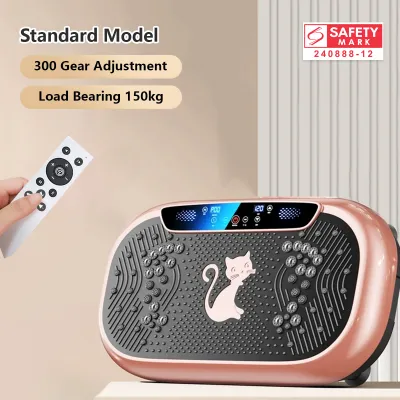
29 Lazada user ratings
I love this vibration board!! It really works. I can feel a difference of better energy by only the second day and helps get rid of water we…Read full reviewShow less
I love this vibration board!! It really works. I can feel a difference of better energy by only the second day and helps get rid of water weight. I’m very happy with this purchase. Highly recommended!! Will be great addition to regular fitness and proper nutrition.
received the items in good condition. just took the supplements for two days yet to know any results as only two days. Hope it really works …Read full reviewShow less
received the items in good condition. just took the supplements for two days yet to know any results as only two days. Hope it really works for me
👌Ease of Use: easy to operate 💰Price: good deal during sales compare to other platforms 🛠️Durability: yet to determine, hopefully will last
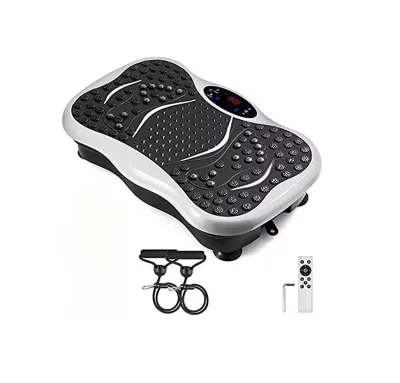
Compact home fitness design, 300 adjustable intensity levels, Durable and stable structure, Bluetooth music connectivity,
👌Ease of Use:User friendly 💰Price:Ok 🛠️Durability:Hope its durable as no warranty
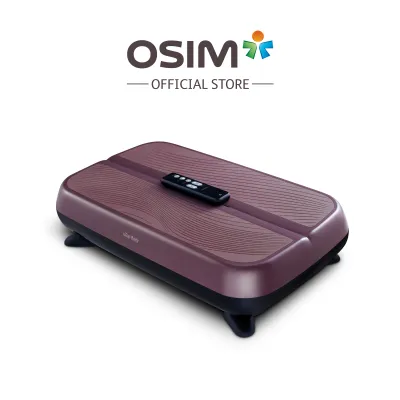
38 Lazada user ratings
Cheaper than in store with the vouchers. took around a week to arrive.
Just received the product today. So far so good. Fingers crossed 🤞
Thank you for delivering the product. Well received!!!!!!
Great for toning muscles, Effective vibration exercise,
Received the item as described. Highly recommended.
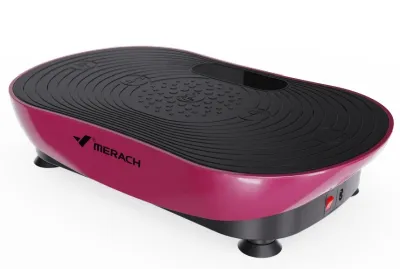
3 Lazada user ratings
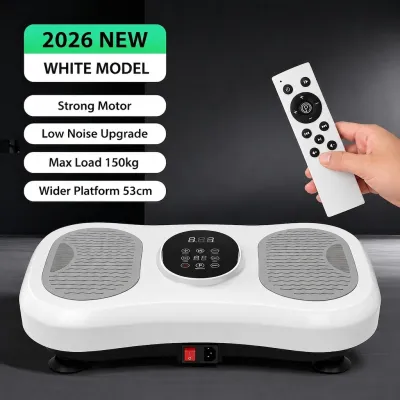
Vibration plate and remote control is working smoothly . The RC is really helpful.
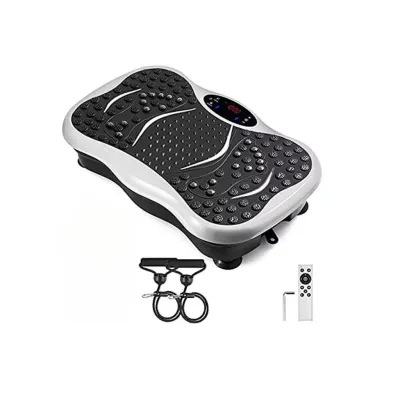
11 Lazada user ratings
Perfect home gym tool, Effective fat burner, fast delivery.
Haven’t used much yet. But looks good.

Prices are valid at publication and may change. Please refer to the product page for the latest price.
Preparing your joints off the plate is essential. Spend five minutes performing a dynamic warm-up on solid ground. Focus on movements that lubricate the knees, hips, and ankles, such as bodyweight squats, leg swings, and ankle rolls. This prepares your nervous system for the rapid forces they will experience on the platform.
Setting the Right Intensity: Frequency and Amplitude
To target your cardiovascular system, configure the vibration plate’s settings to stimulate continuous muscle activity without causing discomfort. Vibration plates operate using frequency, measured in Hertz (Hz), which dictates how many times the plate moves per second, and amplitude, measured in millimetres, which determines the displacement height of each movement. Because every machine is engineered differently, consult your specific device’s user manual to locate the manufacturer’s recommended frequency and amplitude ranges for high-intensity or cardiovascular training.

Generally, higher frequencies and larger amplitudes increase the physical demand. When the plate vibrates faster or moves through a wider range, your muscles contract and relax at an accelerated rate to maintain balance. This rapid recruitment increases oxygen demand, forcing your heart to pump faster to deliver oxygenated blood to working tissues. Begin with a low amplitude and moderate frequency, then gradually increase intensity as stability improves.
Because subjective effort can be deceptive on a vibrating surface, use a wearable heart rate monitor to track your actual cardiovascular strain. This provides real-time feedback, allowing you to verify whether your current settings and exercise pace are successfully elevating your heart rate into your target aerobic zone.
Dynamic Exercises to Elevate Your Heart Rate
Static holds, such as holding a stationary squat or plank on a vibration plate, are excellent for muscular endurance but do not sufficiently challenge the cardiovascular system. To elevate your heart rate into an aerobic training zone, you must perform dynamic, multi-joint movements that keep your entire body in motion. These compound exercises require continuous coordination and energy, multiplying the metabolic demand when combined with the rapid instability of the vibrating platform.
When performing dynamic movements on the plate, safety relies on your posture and joint alignment. Always maintain a tight core to stabilize your spine against the multi-directional forces. Never lock your knees, elbows, or hips; keeping your joints slightly bent allows your muscles to absorb the vibrations safely.
Squats and Lunges
Squats on a vibration plate engage the large muscle groups of the lower body, making them highly effective for driving up your heart rate. To perform a dynamic squat, stand with your feet shoulder-width apart on the plate, ensuring your weight is evenly distributed. Initiate the movement by pushing your hips back and bending your knees, lowering your body as if sitting in a chair. Keep your chest upright and monitor your knees to ensure they track in line with your toes, never caving inward. Drive through your feet to return to the starting position, maintaining a continuous, controlled tempo. Avoid locking your knees at the top of the movement to protect the joint.
Alternating reverse lunges introduce a high level of instability, forcing your core and stabilizing muscles to work harder. Stand with both feet on the plate, then step one foot backward off the machine, landing softly on the ball of your rear foot. Lower your hips until your front thigh is parallel to the platform. Push off the rear foot to return to the starting position on the plate, then repeat on the opposite leg. If you experience any loss of balance, reduce the speed of your steps or lower the vibration amplitude.
Mountain Climbers and Planks
Mountain climbers on a vibration plate provide an intense full-body challenge that rapidly spikes your heart rate. Place your hands flat on the vibration plate, shoulder-width apart, and extend your legs behind you into a push-up position on the floor. Ensure your wrists are aligned directly under your shoulders. Engage your core and drive one knee toward your chest, then quickly return it to the starting position while simultaneously driving the opposite knee forward. The rapid vibration of the plate increases the demand on your shoulders, chest, and deep core stabilizers. If you feel excessive jarring in your wrists, place a small foam pad on the plate.
Dynamic plank variations offer another excellent way to sustain an elevated heart rate while building core strength. Begin in a standard forearm or hand plank with your arms on the vibration plate and your feet on the floor. To add a cardiovascular element, perform plank jacks by jumping your feet wide apart and then back together, maintaining a flat back and a tight core throughout. If your lower back begins to sag, or if you experience sharp pain in your wrists or shoulders, stop the exercise immediately to prevent strain.
Structuring Your Vibration Plate Cardio Routine
To maximize the cardiovascular benefits of your vibration plate while managing muscle fatigue, structure your workout using an interval training format. Interval training alternates periods of high-intensity effort with brief recovery windows, which keeps your heart rate elevated while preventing your muscles from becoming prematurely exhausted by the continuous vibration. A practical starting point is a one-to-one work-to-rest ratio, such as 30 seconds of active exercise followed by 30 seconds of rest. As your endurance improves, progress to a two-to-one ratio, performing 45 seconds of work followed by 15 seconds of rest.
When designing your routine, alternate between lower-body exercises and upper-body or core movements. This sequencing allows one muscle group to recover slightly while another takes on the primary workload, helping you sustain a high heart rate. For example, alternate dynamic squats, mountain climbers, reverse lunges, and plank jacks. Perform this circuit three to four times, adjusting the pace to match your fitness level.
A structured cool-down is essential to help your body transition back to a resting state. Once you complete your final interval, turn off the vibration plate and step off the machine. Spend three to five minutes walking slowly around your workout space, then perform static stretches targeting your calves, quadriceps, and hamstrings.
Monitoring Progress and Safety Guidelines
Working out on a vibration plate introduces unique physical demands, making it critical to monitor how your body responds during and after each session. You must stop the workout immediately if you experience any warning signs of overexertion or adverse reactions. These include dizziness, lightheadedness, nausea, sharp joint pain, chest discomfort, shortness of breath, or a sudden loss of balance. If this occurs, step off the machine, sit down, and hydrate.
Due to the rapid mechanical forces transmitted through the body, certain individuals should exercise caution or avoid using a vibration plate altogether. If you have pre-existing cardiovascular conditions, joint replacements, acute hernia, severe diabetes, neurological disorders, or are recovering from recent surgery, you must consult a qualified healthcare professional before incorporating a vibration plate into your fitness routine.
To track your cardiovascular progress over time, monitor objective physiological markers. Keep a log of your resting heart rate, which typically decreases as your cardiovascular efficiency improves. You can also track your heart rate recovery time—how quickly your heart rate drops back to a near-resting level during the first two minutes after completing your workout.
Frequently Asked Questions (FAQ)
Can a vibration plate replace traditional running or cycling?
A vibration plate is an effective tool for elevating your heart rate and increasing muscular activation, but it should complement rather than entirely replace traditional cardiovascular exercises like running or cycling. Running and cycling provide specific, sustained aerobic conditioning and joint-loading patterns that are difficult to replicate fully on a stationary platform. Incorporating both methods into your weekly routine allows you to enjoy the low-impact benefits of vibration training while maintaining the endurance developed through outdoor cardio.
How long should a vibration plate cardio session last?
A typical vibration plate cardio session should last between 15 and 30 minutes, depending on your fitness level and the intensity of the exercises. Because the rapid vibrations subject your muscles and joints to continuous micro-adjustments, shorter sessions are highly efficient and prevent overexposure. Always consult your machine’s user manual for specific daily usage limits. If you are new to vibration training, start with 10-minute sessions and gradually increase the duration as your body adapts.
Community discussion
Share your experience or ask a question. Comments are reviewed before publication.