
Finding pickleball glasses that offer genuine impact protection requires looking past marketing buzzwords and verifying specific, standardized certifications. In competitive play, where ball speeds are high and reaction times are short, relying on uncertified eyewear can lead to severe eye injuries. To ensure your gear is up to the task, you must look for recognized standards like ASTM F803 or ANSI Z87.1, inspect the physical frames for permanent certification markings, and verify the manufacturer’s testing documentation. This guide provides a comprehensive framework to help you evaluate any brand’s safety claims before stepping onto the court.
Why Standard Eyewear Fails in Competitive Pickleball
Pickleball is often perceived as a low-impact, gentle sport, but competitive play tells a very different story. The game is characterized by rapid-fire exchanges at the non-volley zone, commonly known as the kitchen line. At this close proximity, players stand just over four meters apart, leaving mere milliseconds to react to a smashed ball. A competitive pickleball can easily travel at speeds exceeding 60 to 80 kilometers per hour. While the ball is lightweight and perforated, its rigid plastic construction concentrates force upon impact, and its diameter is small enough to fit directly into the orbital socket, potentially causing catastrophic damage to the eye globe, retina, or surrounding bones.
Everyday sunglasses or fashion prescription frames are simply not engineered to withstand these forces. Casual eyewear is designed primarily for UV protection, glare reduction, and aesthetic appeal. The materials used in these frames, such as acetate, standard acrylic, or thin metals, are brittle and prone to snapping under sudden pressure. If a high-velocity pickleball strikes a pair of standard glasses, the frame can shatter into sharp fragments, transforming a simple impact into a penetrating trauma that poses an even greater danger to your eyes than the ball itself.
Products mentioned in this guide
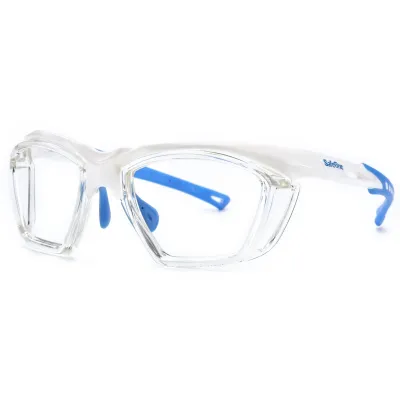
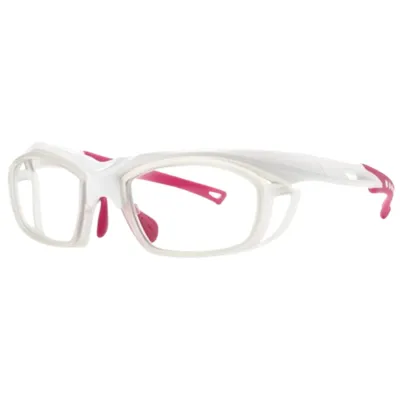
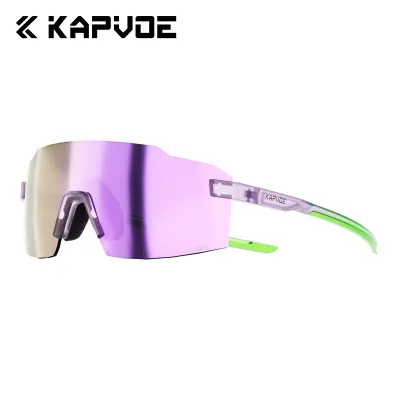
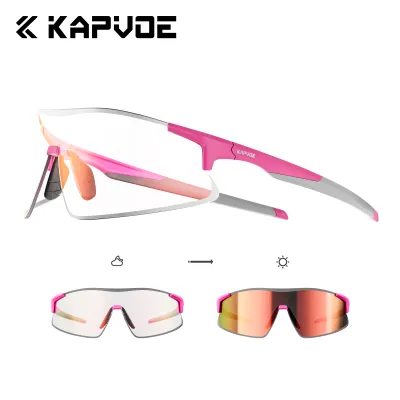
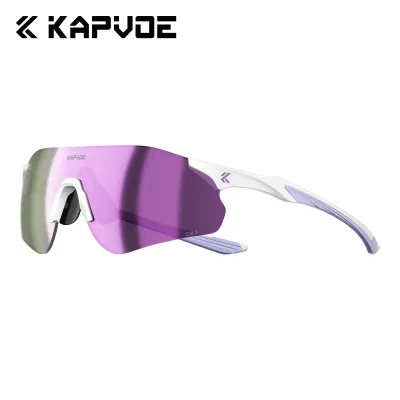
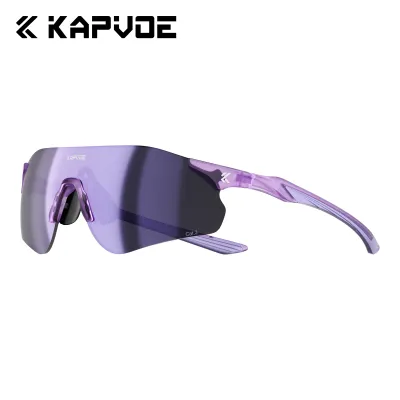
Prices are valid at publication and may change. Please refer to the product page for the latest price.
Furthermore, the lenses in casual glasses present their own set of hazards. Standard glass or basic plastic lenses lack the elasticity and strength to absorb high-velocity impacts. When struck, they can crack, shatter, or pop out of the frame entirely. In many cases, the force of the ball pushes the entire lens backward out of its groove, driving it directly into the player’s eye. Sports-rated protective eyewear, by contrast, utilizes deep lens channels and robust locking mechanisms specifically engineered to keep the lenses securely in place, even when subjected to direct, high-energy impacts.
How to Identify Legitimate Impact Certifications
To navigate the crowded market of sports eyewear, you must learn to identify actual, verifiable safety standards rather than relying on generic marketing claims. The most critical benchmark for racquet and paddle sports is the ASTM F803 standard. Established by the American Society for Testing and Materials, this standard is the gold standard for sports eye protection. Eyewear certified under ASTM F803 undergoes rigorous testing where high-velocity projectiles, simulating the size and weight of sports balls, are fired directly at the glasses from multiple angles. To pass, the eyewear must prevent any contact between the projectile and the eye form, and neither the frame nor the lens can crack, shatter, or dislodge.

Another standard you will frequently encounter is ANSI Z87.1, which is the American National Standard for Occupational and Educational Personal Eye and Face Protection Devices. While primarily designed for industrial and workplace safety, glasses certified under the ANSI Z87.1 high-impact standard offer robust protection. To verify high-impact compliance, look for the “Z87+” marking, where the plus sign indicates that the eyewear has passed high-mass and high-velocity impact testing. While ASTM F803 is more specific to the geometry of sports balls, ANSI Z87.1+ certified glasses still provide an excellent baseline of protection that far exceeds any standard fashion eyewear.
Legitimate safety brands do not hide their certifications in the fine print of a user manual; they mold or etch them directly onto the product. When inspecting a pair of pickleball glasses, look for permanent markings on the inside of the temple arms, along the brow bar, or in the corner of the lenses. You should see clear designations such as “ASTM F803” or “Z87+”. If these markings are absent, the product has likely not undergone official certification testing, regardless of what the online product description or packaging claims.
Be highly skeptical of vague marketing terms like “shatterproof,” “impact-resistant,” “tactical,” or “military-grade” when they are not accompanied by a specific standard number. These terms are often used as marketing buzzwords to appeal to safety-conscious buyers without committing the manufacturer to the cost and scrutiny of independent testing. Anyone can print “shatterproof” on a box, but without an ASTM or ANSI designation, there is no guarantee the product will protect your vision on the court. Always treat uncertified claims as unverified and unsuitable for competitive play.
Essential Design Features Beyond Basic Certification
While impact certification is the most critical factor, the physical design and material composition of the glasses dictate how comfortable, functional, and secure they will be during intense rallies. The foundation of any protective eyewear is the lens material itself. Polycarbonate is the industry standard for sports safety due to its exceptional impact resistance, lightweight nature, and inherent UV protection. It is virtually unbreakable under normal sporting conditions. Another premium option is Trivex, which offers similar impact resistance to polycarbonate but boasts superior optical clarity and lower internal stress, reducing visual distortion during fast-paced rallies.
The geometry of the frame is equally important for comprehensive protection. A wraparound frame design is highly recommended for pickleball because it provides crucial peripheral coverage. This design shields your eyes from stray balls, paddle swings, or even airborne debris coming from the side, which standard flat-front glasses leave completely exposed. Furthermore, the frame must remain securely on your face during rapid lateral movements. Look for frames equipped with non-slip rubberized nose pads and temple grips, often made of materials like hydrophilic rubber, which actually grip tighter when you sweat in Singapore’s humid climate.
Optical clarity and ventilation are vital for maintaining peak performance and safety. In hot, humid environments, body heat can quickly cause lenses to mist up, tempting players to remove their glasses mid-game. Proper airflow channels built into the frame or lens edges help equalize temperature and clear moisture, ensuring you never have to compromise safety for visibility. High-quality protective glasses feature advanced anti-fog coatings and strategic ventilation ports. Investing in certified gear is a small price compared to the cost of medical treatment, which can easily exceed hundreds of S$ for eye injuries.
Steps to Verify a Brand's Safety Claims Before Buying
Before making a purchase, you should perform a quick three-step verification process to ensure the brand’s safety claims are legitimate. First, visit the manufacturer’s official website and look for detailed product specifications. Reputable brands will clearly list the exact safety standards their products meet. Look for downloadable user manuals, technical data sheets, or compliance certificates that explicitly state the testing protocols used.
Second, check independent registries. Many certified safety products are listed on the databases of independent testing laboratories, such as Colts Laboratories or safety equipment registries. If a brand claims ASTM F803 compliance, you can sometimes search the testing body’s database to confirm that the brand and specific model are officially registered and certified.
Third, contact customer support. If the certification details are ambiguous or missing from the product page, contact the brand’s customer service department directly. Ask them to provide the specific ASTM or ANSI test report for the model you are interested in. A reputable sports safety brand will readily provide this documentation, while a brand selling generic, uncertified fashion glasses will typically offer vague answers or fail to produce the certificates.
Frequently Asked Questions (FAQ)
Can I use regular prescription glasses for competitive pickleball?
No, standard prescription glasses are highly dangerous for competitive pickleball. The frames are typically made of brittle plastics or metals that can snap under impact, and the lenses are rarely rated for high-velocity sports impacts. If you require vision correction, you should invest in certified sports goggles that accommodate prescription inserts, or have an optician fit certified polycarbonate prescription lenses into an ASTM F803-rated frame. Always consult your eye care professional to ensure the final assembly meets sports safety standards.
Do polarized lenses affect visibility on indoor pickleball courts?
Yes, polarized lenses are generally not recommended for indoor pickleball play. Polarization is designed to filter out horizontal glare from flat surfaces like water or wet roads under bright sunlight. On an indoor court under artificial lighting, polarized lenses can reduce overall light transmission too much, making the environment appear dim. Furthermore, they can interfere with depth perception and make it difficult to track the fast-moving ball against the court lines. For indoor play, opt for non-polarized lenses with high-contrast tints, such as amber, yellow, or clear, which enhance contrast and visibility without reducing light.
Community discussion
Share your experience or ask a question. Comments are reviewed before publication.