
Finding a genuine insulated water bottle on major e-commerce platforms requires careful attention to seller credentials, platform verification badges, and product details. With the rise of unauthorized listings, ensuring you purchase from an official storefront is the only way to guarantee you receive a high-quality, insulated bottle that performs as expected. By verifying seller badges, checking store ratings, and inspecting the physical product upon arrival, you can confidently avoid counterfeit goods and protect your purchase.
When shopping online, the convenience of digital marketplaces comes with the risk of encountering unauthorized third-party sellers. These sellers often list counterfeit products that mimic the design of popular brands but fail to deliver the same thermal performance, durability, or material safety. Purchasing an authentic bottle ensures that your drinkware is made from food-grade materials and is free from harmful chemical contaminants.
To safeguard your investment, you must know how to navigate online platforms effectively. This guide outlines the precise steps to verify official storefronts, recognize the warning signs of fraudulent listings, and inspect your package upon delivery to confirm its authenticity.
Products mentioned in this guide
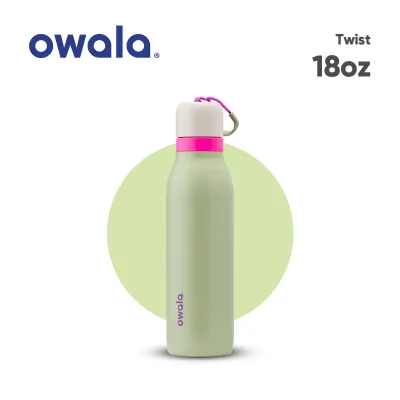
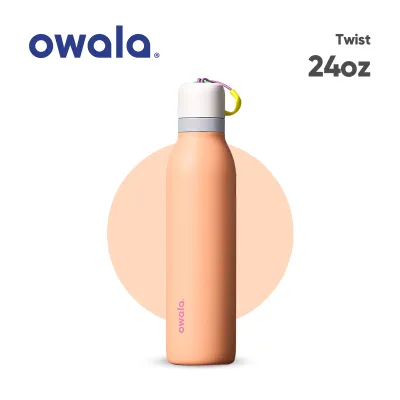
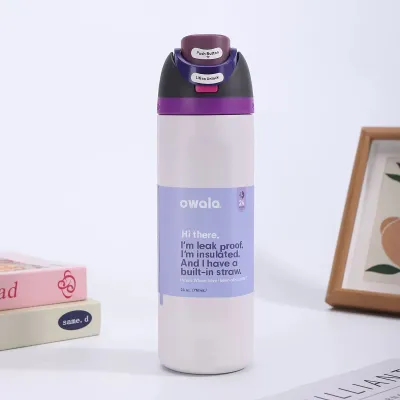
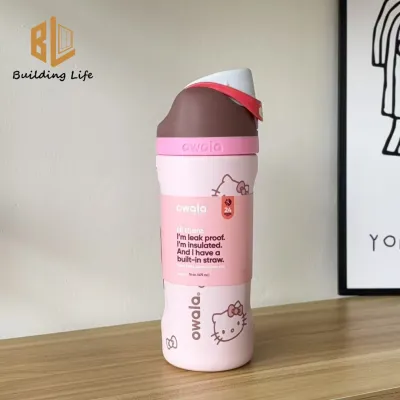
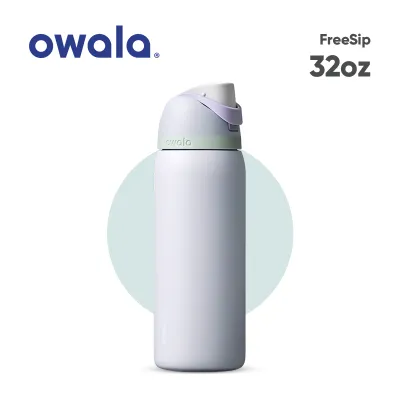
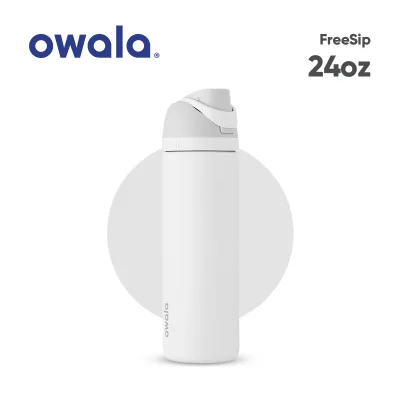
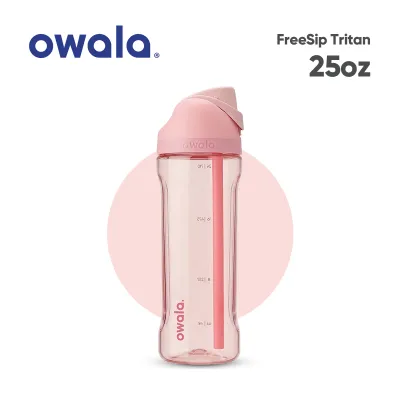
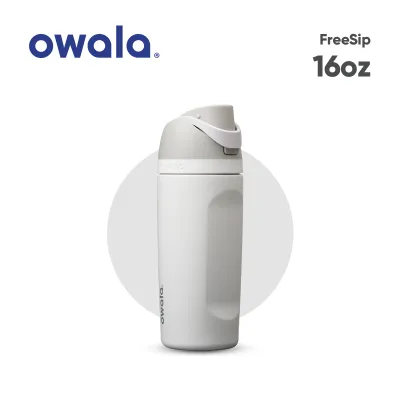
Prices are valid at publication and may change. Please refer to the product page for the latest price.
How to Identify the Official Storefront on E-Commerce Platforms
When searching for premium drinkware on major e-commerce platforms, your first line of defense is identifying the platform’s official verification markers. Trusted marketplaces use specific badges, such as “Mall,” “Official Store,” or “Preferred” tags, to distinguish authorized brand stores from independent sellers. These badges are only awarded after the seller submits official business registrations, trademark certificates, and brand authorization letters to the platform.
Always scrutinize the exact spelling and formatting of the store name. Counterfeiters frequently set up shops with names that closely resemble the official brand but include minor alterations, such as extra letters, hyphens, or words like “outlet,” “clearance,” or “factory.” A genuine official store will typically feature a clean, professional name that matches the brand’s global identity without unnecessary additions.
Take the time to review the store’s operational metrics and history. An established official storefront usually boasts a high follower count, an overall rating close to a perfect five stars, and thousands of completed transactions. If you encounter a store claiming to be official but it has only been active for a few weeks, has very few followers, or shows a low chat response rate, you should treat it with extreme caution.
Another reliable verification method is cross-referencing the storefront with the brand’s official global website or verified social media channels. Many brands maintain a directory of authorized online retailers or provide direct links to their official stores on regional e-commerce platforms. If the link on the brand’s official website redirects you to the exact storefront you are viewing, you can proceed with your purchase with confidence.
Warning Signs of Fake or Unauthorized Listings
One of the most common indicators of a counterfeit listing is an unrealistically low price. While official stores participate in platform-wide campaigns and seasonal sales, they rarely offer deep discounts that cut the price to a small fraction of the standard retail value. If a listing offers a premium insulated bottle at a price that seems too good to be true, it is highly likely a counterfeit or an unauthorized copy.

Analyze the product images and descriptions provided in the listing. Official brand stores use high-resolution, professionally shot images that showcase the product from multiple angles, highlighting specific features and colorways. In contrast, unauthorized listings often feature low-quality, pixelated images, photos with watermarks from other websites, or generic stock images that do not match the actual product being sold.
Customer reviews can provide valuable insights into the authenticity of a listing, but you must read them critically. Instead of focusing solely on the overall rating, filter the reviews to read the one-star and two-star feedback. Look for recurring complaints regarding poor insulation performance, leaks, cheap plastic components, or packaging that arrived damaged and unbranded. These detailed accounts from previous buyers are often the most accurate reflection of the product’s true quality.
Be wary of sellers who operate with vague return policies, missing contact information, or highly automated customer service responses. Official stores adhere to strict platform return policies, offering clear instructions on how to return defective or incorrect items. If a seller’s profile lacks basic business details, or if their customer service responses consist of generic, poorly translated templates that avoid answering your specific questions, avoid purchasing from them.
How to Inspect Your Bottle for Authenticity Upon Delivery
Once your package arrives, the inspection process begins with the outer packaging. Genuine premium drinkware is shipped in sturdy, high-quality cardboard boxes or protective sleeves that feature crisp, clear printing and correct brand colors. Counterfeit products are often shipped in flimsy, generic mailers or poorly printed boxes with blurry text, spelling errors, or missing barcodes and security seals.
Examine the physical construction and finish of the bottle itself. Authentic insulated bottles feature a durable, evenly applied powder coat or smooth finish that feels substantial in your hand. The brand logo should be cleanly applied, perfectly aligned, and free of any peeling, smudging, or rough edges. Any signs of uneven paint, bubbles in the finish, or a misaligned logo are strong indicators of a counterfeit item.
Pay close attention to the lid mechanism and the straw assembly, as these components require precise engineering that counterfeiters rarely replicate successfully. The flip-top lid should open smoothly with a firm press of the button and lock securely back into place without any wobbling or gaps. The straw should fit snugly into the lid interface, and the entire assembly should be completely free of strong, industrial chemical odors, which often indicate the use of cheap, non-food-grade plastics.
Check the interior of the bottle and any included documentation. Authentic bottles often come with printed care instructions, warranty cards, or manufacturer inserts placed inside the bottle or the packaging. These materials should feature high-quality printing, correct grammar, and accurate contact details. If your bottle arrives with no documentation at all, or if the included cards contain obvious spelling mistakes, the product is likely not genuine.
What to Do If You Receive a Suspected Counterfeit
If you suspect that the bottle you received is a counterfeit, the first step is to document the entire unboxing and inspection process. Take clear, high-resolution photos and videos of the shipping label, the outer packaging, and the specific areas of the bottle that appear suspicious, such as misaligned logos, poor finish, or defective lids. This visual evidence will serve as your primary support when filing a dispute with the e-commerce platform.
Contact the e-commerce platform’s customer support team immediately to report the issue. It is crucial that you do not click the button to confirm receipt of the order or mark the transaction as complete, as doing so typically releases the payment to the seller and complicates the refund process. Most major platforms have dedicated buyer protection programs that hold funds in escrow until any disputes are resolved.
Initiate a formal return or refund request through the platform’s official dispute resolution channel. Upload your documented photo and video evidence, and provide a clear, factual description of why you believe the item is counterfeit. Emphasize any discrepancies between the listing description and the physical product you received, such as missing logos, poor material quality, or defective components.
For your safety, do not use the suspected counterfeit bottle for drinking. Counterfeit drinkware is not subject to the rigorous quality control and safety standards of genuine brands, meaning the materials used may not be food-safe. Cheap plastics can leach harmful chemicals into your beverages, and low-grade stainless steel may rust or degrade quickly, posing potential health risks.
Frequently Asked Questions (FAQ)
Does the brand use serial numbers or QR codes for authentication?
Not all premium drinkware manufacturers utilize individual serial numbers or scannable QR codes on every product they produce. To verify the current authentication methods used by the brand, you should always consult their official global website for the most up-to-date guidelines. Avoid relying on third-party verification mobile applications or unofficial websites, as counterfeiters can easily create fake verification pages that falsely validate unauthorized products.
Is it safe to buy from authorized third-party resellers?
Purchasing from an authorized third-party reseller is generally safe, provided they have documented permission from the brand to distribute their products. Authorized retailers typically offer valid manufacturer warranties and reliable customer service, ensuring you are protected if the product has any defects. If you are considering buying from a secondary retailer, check their official business registration, ask for proof of authorization, or verify if they are listed as an approved stockist on the brand’s main website.

Community discussion
Share your experience or ask a question. Comments are reviewed before publication.