
Finding the right bicycle can feel overwhelming when you are confronted with rows of highly specialized road machines, rugged mountain bikes, and versatile hybrids. The key to making the right choice lies in matching the bike’s design features directly to your primary riding surfaces, physical comfort requirements, and fitness goals. Rather than searching for a single universal model, you can find your ideal ride by identifying whether you prioritize pure speed on paved roads, control on rugged dirt trails, or a balanced, comfortable compromise for daily commuting and casual weekend paths.
What are the core design differences between hybrid, road, and mountain bikes?
To understand how these bicycles perform, you must first look at their structural blueprints, which dictate how they handle, roll, and respond to your inputs. Road bikes are engineered for speed and aerodynamic efficiency, featuring lightweight frames made from high-grade aluminum or carbon fiber. Their frame geometry is compact, with steep angles that position the rider forward to minimize wind resistance. In contrast, mountain bikes utilize robust, heavy-duty frames built to withstand high-impact trail riding. Their geometry is slacker, pushing the front wheel further forward to provide stability when descending steep, uneven slopes. Hybrid bicycles occupy the middle ground, combining a durable frame construction with a geometry that is more relaxed than a road bike but lighter and more agile than a mountain bike.
Wheel and tire specifications represent another fundamental difference that directly affects rolling resistance and grip. Road bikes use narrow tires, typically ranging from 25mm to 32mm in width, inflated to high pressures to minimize the contact patch with the ground and maximize rolling efficiency on smooth asphalt. Mountain bikes feature wide, high-volume tires, often between 2.0 and 2.6 inches, with aggressive knobby tread patterns designed to bite into loose dirt, mud, and gravel. Hybrid bicycles utilize medium-width tires, usually between 35mm and 45mm, featuring a lightly treaded or semi-slick pattern. This hybrid design provides enough surface area for stability on wet pavement and light gravel without creating excessive drag on smooth roads.
Products mentioned in this guide
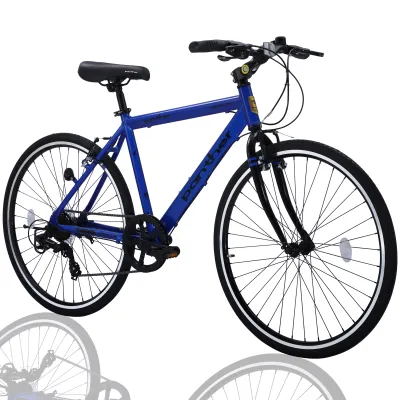
3 Lazada user ratings
Good quality, delivery time is ok as stock is out of stock in SG n had to ship from China. Manual is in Japan so took some time to assemble.
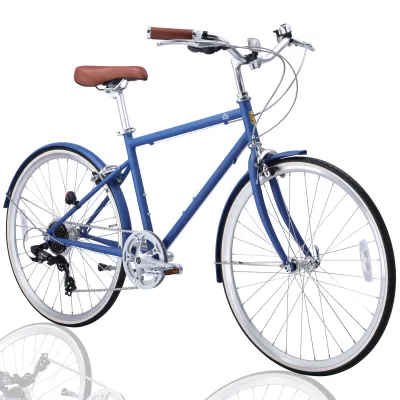
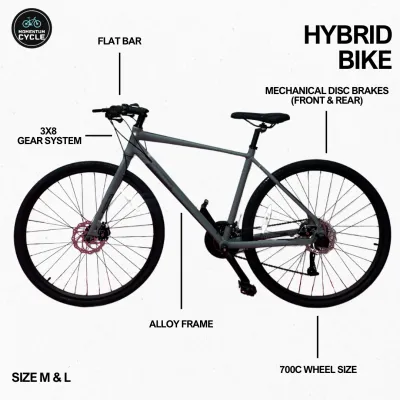

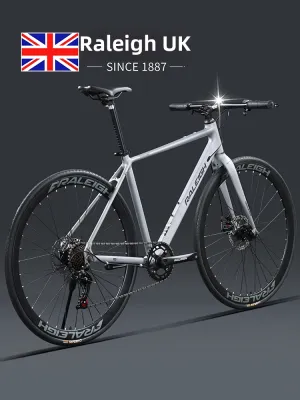
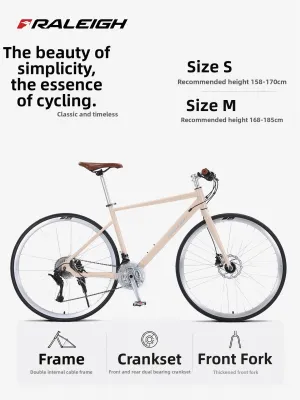
4 Lazada user ratings
The product feels really sturdy and well-made. The color is beautiful and has a nice quality to it! Definitely great value for what you get!
I really love the refreshing vibe of this car; it's super stylish. The value for what you get is fantastic!
Not bad, pretty good. Bought it for the elders at home. They look quite stylish riding it around.
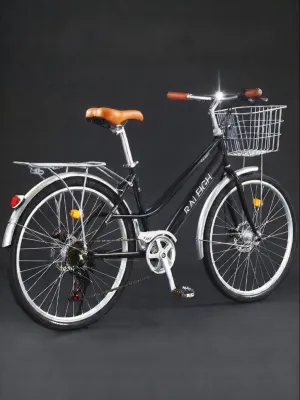
330 Lazada user ratings
The product feels very sturdy and offers a stable ride. The customer service team was very helpful and patiently answered all my questions. …Read full reviewShow less
The product feels very sturdy and offers a stable ride. The customer service team was very helpful and patiently answered all my questions. The provided video tutorials were also quite convenient. After some simple tuning, it rides perfectly, and my child is very happy with it.
The bike is very lightweight and the seat is quite comfortable. I bought it for an elderly family member, and it's very easy to ride. The ge…Read full reviewShow less
The bike is very lightweight and the seat is quite comfortable. I bought it for an elderly family member, and it's very easy to ride. The gear shifter is built with solid materials. The basket is also very sturdy, making it really convenient for grocery runs.
Assembling it took some careful adjustment, but the customer service was very helpful and provided clear instructional videos. The bike look…Read full reviewShow less
Assembling it took some careful adjustment, but the customer service was very helpful and provided clear instructional videos. The bike looks great and offers a smooth ride.
This bike looks great and is very easy to ride. It features a solid build made from a combination of aluminum alloy and iron.
This lightweight bike is so easy to ride. It makes commuting effortless and smooth.
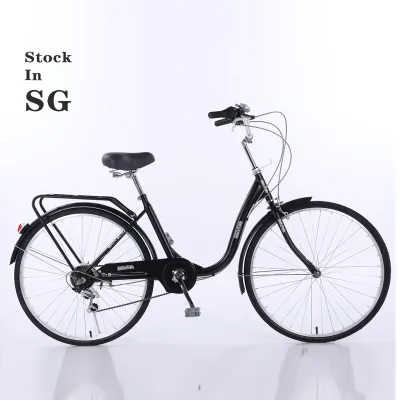
56 Lazada user ratings
The tire is a bit too narrow for me, I’m having hard time balancing on this bike even though I did not have this issue with other bikes. Mor…Read full reviewShow less
The tire is a bit too narrow for me, I’m having hard time balancing on this bike even though I did not have this issue with other bikes. More easily to loose balance I’d say.. would only recommend to more experienced users..
Very smooth n light to ride , i am 158 cm and the height Is ok. Thanks for the useful free gift. Value for money.
Great value for money, highly recommend!, Great bike for outdoor adventures!,
Slightly bigger than expected but managed to lower seats. Looks good quality
Delivered a week after order. Loves the colour and very sturdy.
Prices are valid at publication and may change. Please refer to the product page for the latest price.
Handlebar design further defines how you control each bicycle. Road bikes are equipped with curved drop bars, which allow you to tuck your body low to reduce drag and offer multiple hand positions to prevent fatigue on long-distance rides. Mountain bikes and hybrid models utilize flat or slightly raised handlebars. These flat bars position your hands wider apart, providing maximum steering leverage and immediate access to brake levers and gear shifters. This wide stance is essential for navigating tight obstacles off-road or reacting quickly to urban traffic hazards.
Which bike type handles your typical riding terrain best?
Matching your bicycle to your primary riding environment is crucial for safety, efficiency, and overall enjoyment. Road bikes are highly specialized machines designed almost exclusively for smooth pavement, dedicated cycling lanes, and well-maintained asphalt. Their lightweight construction and narrow tires allow you to maintain high speeds with minimal physical effort, making them the ideal choice for long-distance endurance riding, structured fitness training, and fast-paced group rides. However, they perform poorly on unpaved surfaces, where the thin tires can easily lose traction, slip in wet conditions, or suffer pinch punctures on minor obstacles.

Mountain bikes are built to conquer rough, unpaved terrain, including steep dirt trails, rocky singletracks, loose gravel, and root-filled forest paths. Their wide, knobby tires and robust construction allow you to maintain traction on loose surfaces, while their low gear ratios help you climb steep off-road gradients. If you plan to ride in rugged nature reserves or dedicated mountain bike parks, this category is essential. On smooth city streets, however, the heavy tread and wide contact patch create significant rolling resistance, making your commute slow, noisy, and physically exhausting.
Hybrid bicycles are designed specifically for mixed-use scenarios, making them highly adaptable for everyday riders. If your typical route includes a mix of paved park connectors, city streets, and light, unpaved gravel paths, a hybrid handles these transitions seamlessly. They are excellent for daily urban commuting, casual fitness rides, and family outings. While a hybrid will not match the top speed of a road bike on asphalt or clear technical rock gardens like a mountain bike, it offers a practical, reliable solution for riders who do not want to be restricted to a single terrain type.
How do riding position and comfort compare across the three categories?
Your physical comfort during a ride is heavily influenced by how each bicycle category shapes your body posture. Road bikes place you in an aggressive, forward-leaning position that distributes your weight between the saddle, pedals, and handlebars. While this aerodynamic stance is highly efficient for speed, it requires reasonable hamstring flexibility and core strength to maintain comfortably over long distances. Beginners or riders with pre-existing lower back, neck, or wrist sensitivities may find this bent-over posture challenging and may experience fatigue more quickly.
Hybrid bicycles prioritize an upright, relaxed riding position that minimizes physical strain. The handlebars are positioned higher relative to the saddle, allowing you to sit with a straighter back. This posture reduces pressure on your wrists and lower back, making it highly comfortable for casual riders and commuters. Furthermore, sitting upright raises your eye level, significantly improving your field of vision in urban traffic and making it easier to spot potential hazards, pedestrians, and vehicles.
Mountain bikes offer an active, dynamic riding position designed to help you absorb trail impacts and shift your body weight as the terrain changes. Comfort on a mountain bike is heavily supported by suspension systems. Hardtail models feature a front suspension fork to absorb shocks from rocks and roots, while full-suspension models include a rear shock absorber for maximum comfort on rough descents. Some mountain bikes also feature dropper seatposts, which allow you to lower the saddle with a handlebar lever, giving you more room to move your body and maintain balance on steep drops. When choosing a bike, assess your personal flexibility, core strength, and comfort preferences; if you prefer a relaxed, low-impact ride, the upright geometry of a hybrid or the suspension of a mountain bike will be far more accommodating than a performance road frame.
What maintenance and accessory differences should you expect?
Owning a bicycle involves ongoing upkeep, and the complexity of this maintenance varies significantly across the three categories. Mountain bikes operate in harsh, abrasive environments filled with mud, dirt, and water. Consequently, they require frequent cleaning, degreasing, and lubrication of the drivetrain to prevent premature wear. Additionally, their suspension forks and rear shocks require specialized, periodic servicing—such as replacing seals and fluid—after a set number of riding hours. If you choose a mountain bike, you must be prepared for higher maintenance costs and more hands-on upkeep.
Road and hybrid bikes generally require less intensive maintenance because they are ridden primarily on cleaner, paved surfaces. Their rigid forks eliminate the need for suspension servicing, saving you time and money. However, road bike drivetrains are built with lightweight, high-precision components that require precise adjustment to maintain crisp shifting. Hybrid drivetrains tend to be simpler and more robust, making them highly resilient to daily wear and tear and easier for beginners to maintain with basic cleaning and chain lubrication.
Accessory compatibility and utility are major highlights for hybrid bicycles. Most hybrid frames are designed with dedicated mounting eyelets, allowing you to easily install full-coverage mudguards to keep you dry in wet weather, as well as rear cargo racks for carrying panniers, groceries, or work gear. Performance road bikes often lack these mounting points to keep weight to a minimum, requiring you to rely on specialized clip-on accessories if you wish to carry gear. Mountain bikes also have limited mounting options due to their suspension designs and frame shapes, making hybrids the clear winner for practical, everyday utility and commuting convenience.
How can you decide which bike is the right investment for your current habits?
To finalize your decision, you should evaluate your primary riding goals, storage limitations, and budget within a structured framework. Begin by listing where you will actually ride at least eighty percent of the time. If you live near paved park connector networks, such as those in Singapore, and plan to use the bike for fitness and commuting, a hybrid is often the most practical starting point. Consider your storage space as well; a lightweight road bike is easier to carry up stairs or store inside a small apartment, whereas a bulky mountain bike may require more dedicated storage space.
| Feature / Bike Type | Road Bike | Mountain Bike | Hybrid Bicycle |
|---|---|---|---|
| Primary Terrain | Smooth Asphalt / Paved Lanes | Rough Trails / Dirt / Gravel | Mixed Pavement / Light Gravel |
| Riding Position | Aggressive / Aerodynamic | Active / Dynamic | Upright / Relaxed |
| Tire Width | Narrow (25mm – 32mm) | Wide (2.0" – 2.6"+) | Medium (35mm – 45mm) |
| Suspension | Rigid Fork | Front or Full Suspension | Typically Rigid (Some Front) |
| Utility Mounts | Limited / None | Limited | Abundant (Racks & Fenders) |
Prioritizing versatility is highly sensible if you are unsure of your long-term cycling direction. A hybrid bicycle represents an excellent, cost-effective investment because it allows you to explore different riding styles without committing to a highly specialized, expensive machine. Whether you are allocating a modest budget of S$600 for a reliable commuter or looking at higher-end options, a hybrid provides the flexibility to ride on roads, gravel, and paths comfortably. You should only invest in a dedicated road or mountain bike if you are certain you want to focus exclusively on high-speed road cycling or technical off-road trail riding.
Before making your final purchase, visit a local bike shop to test-ride different styles and frame sizes. Do not rely solely on general height charts, as frame geometry and sizing standards vary significantly between manufacturers. Verify the manufacturer’s official geometry specifications, weight limits, and component quality. Finally, ensure that the local shop can provide reliable mechanical support, replacement parts, and fitting adjustments, ensuring your chosen bicycle remains safe, comfortable, and fun to ride for years to come.

Community discussion
Share your experience or ask a question. Comments are reviewed before publication.