
Finding the right football requires looking beyond the brand name to evaluate how a specific ball’s construction matches your regular playing environment and technical needs. Whether a Cortis football is suitable for your playing style and pitch surface depends entirely on matching the ball’s specific model specifications—such as its casing material, panel bonding method, and bladder type—to your typical playing conditions. By understanding how to read the manufacturer’s labels and evaluating your personal performance priorities, you can determine if a particular model will deliver the durability, touch, and flight characteristics you require on the pitch.
Understanding Cortis Football Specifications and Surface Markings
To determine if a Cortis football fits your needs, start by examining the physical markings and specifications printed directly on the ball or its packaging. Manufacturers design different models for specific environments, indicated by clear icons or text. Look for explicit labels such as “FG” (Firm Ground), “AG” (Artificial Grass), “Hard Ground,” or “Indoor.” Using a ball on a surface other than its designated environment can accelerate wear and alter its performance, making this initial visual check crucial.
Next, inspect the panel construction method. Footballs are generally constructed using machine-stitching, hand-stitching, or thermal bonding. Machine-stitched balls are typically budget-friendly and suitable for casual play, but they have exposed seams that can absorb moisture. Hand-stitched models offer deeper seams and greater durability, while thermally bonded balls feature seamless panels that minimize water absorption and provide a highly consistent shape.
Products mentioned in this guide
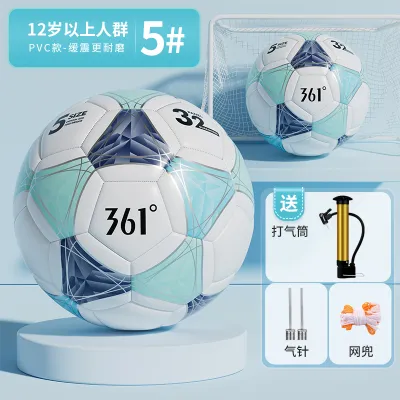
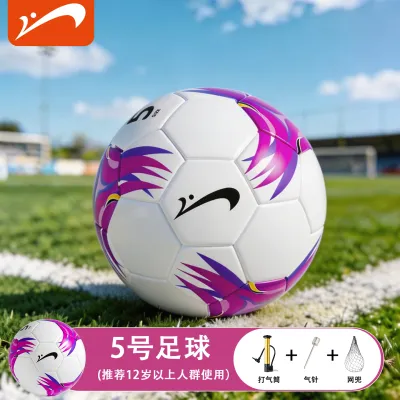
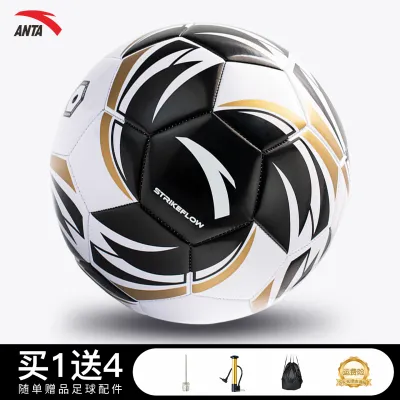
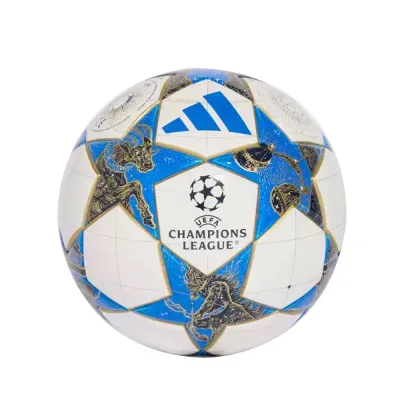
Prices are valid at publication and may change. Please refer to the product page for the latest price.
The bladder type inside the ball also dictates its air retention and responsiveness. Most footballs utilize either a butyl bladder or a latex bladder. Butyl bladders are highly effective at retaining air over long periods, making them excellent for training balls. Latex bladders, often found in match-grade balls, offer superior responsiveness and a softer touch but lose air more rapidly, requiring frequent inflation.
Finally, verify that the ball’s size and weight align with your age group and league regulations. Standard match play for players aged 12 and older requires a Size 5 ball, which typically has a circumference of 68 to 70 centimeters. Younger players use Size 4 or Size 3 balls to match their physical development. Checking these specifications on the packaging ensures you are practicing with the correct dimensions.
Matching the Ball to Your Pitch Type
The surface you play on most frequently should dictate the outer material and construction of the football you choose. Natural grass pitches demand a ball with reliable water resistance and a predictable grip. When playing on natural turf, look for a ball with a textured polyurethane (PU) outer casing and thermally bonded seams. This combination prevents the ball from absorbing water on damp mornings or during sudden downpours, ensuring it does not become heavy and sluggish during play.

Artificial turf pitches present a different challenge, as synthetic blades and rubber infill generate high friction and heat, which can rapidly degrade standard football casings. If you play primarily on artificial grass (AG), verify that the ball’s packaging explicitly states it is designed for synthetic surfaces. These models typically feature highly abrasion-resistant PU or specialized composite covers that resist peeling and scuffing.
Hard courts, concrete, or indoor sports halls require a completely different design philosophy. Standard outdoor balls bounce unpredictably and wear out almost immediately on concrete. For these unforgiving surfaces, look for a ball with a reinforced, heavy-duty rubber or thick polyvinyl chloride (PVC) cover. Additionally, check if the ball is rated for low bounce, which is essential for maintaining control in tight, hard-surfaced playing areas.
Evaluating Fit for Your Playing Style and Skill Level
Your position on the field and your technical style should heavily influence the type of football you select. For technical players who rely on close control, quick dribbling, and precise short passing, the texture and stiffness of the outer casing are paramount. A ball with a soft PU casing and a textured surface provides excellent friction against your boot, allowing for a more cushioned first touch. Conversely, a stiff, glossy PVC ball can feel slick and bouncy, making precise control more difficult.
For strikers and defenders who frequently execute long passes, crosses, and powerful shots, the ball’s aerodynamics and bladder type are critical. Thermally bonded panels create a smoother, more aerodynamic surface that ensures a truer flight path through the air, reducing unpredictable wobbling. A responsive latex bladder provides maximum energy transfer upon impact, helping you achieve greater distance on clearances and higher velocity on shots.
Your current skill level and playing frequency should also guide your choice. Beginners and casual players often benefit most from prioritizing durability and a consistent, predictable bounce. A sturdy, machine-stitched or hand-stitched ball with a butyl bladder offers a reliable feel and requires minimal maintenance. Advanced players, however, should look for match-grade responsiveness and nuanced feedback, where a softer, more sensitive ball helps refine high-level touch and spin control.
Training vs. Match Day: Is It the Right Choice?
Understanding the distinction between training balls and match balls is essential for managing both your budget and your performance on the pitch. Training balls are engineered primarily for longevity and repeated use. They feature thicker, more durable outer casings and butyl bladders designed to withstand hours of daily drills and rough handling. While highly cost-effective, these reinforced materials can make the ball feel slightly heavier and less responsive than a dedicated match ball.
Match balls, on the other hand, prioritize peak performance over long-term durability. They are constructed with premium, thin outer layers and responsive bladders to deliver optimal touch, flight accuracy, and speed. If you intend to use your ball in regulated, competitive tournaments, check the packaging for official match certifications, such as FIFA Quality or FIFA Quality Pro marks. These certifications verify that the ball has passed rigorous testing for weight, circumference, roundness, bounce, water absorption, and pressure loss.
To get the best value and performance, consider a two-ball strategy. Using a highly durable, budget-friendly training ball for your mid-week practice sessions preserves the pristine condition, texture, and shape of your premium match ball for the weekend. This approach ensures that when match day arrives, your game ball performs exactly as expected without the wear and tear accumulated from daily drills.
Pre-Purchase and Maintenance Checklist
To ensure your football performs consistently and lasts as long as possible, establish a regular inspection and maintenance routine. Before purchasing or heading to the pitch, perform a quick visual and physical check. Inspect the seams for any loose threads or separation, run your hands over the surface to check for deep abrasions, and ensure the valve is securely seated without visible damage.
Proper inflation is the single most effective way to protect the ball’s internal structure and guarantee a true bounce. Always use a reliable pressure gauge to inflate the ball to the manufacturer’s recommended pressure, which is typically printed directly around the valve opening (usually measured in PSI or Bar). Over-inflating the ball stretches the seams and can warp the bladder, while under-inflation ruins the ball’s flight dynamics.
Finally, proper cleaning and storage are vital, particularly in humid climates like Singapore’s. After playing on damp grass or muddy turf, wipe the ball down with a damp cloth to remove dirt and grit, which can degrade the outer casing over time. Avoid using harsh chemical detergents. Store the ball in a cool, dry, well-ventilated indoor space away from direct sunlight and extreme heat, as prolonged exposure to high temperatures can dry out the casing and weaken the panel adhesives.
Frequently Asked Questions (FAQ)
Can I use a standard outdoor Cortis football for indoor futsal?
Using a standard outdoor football on a hard indoor court is not recommended because outdoor balls are designed with a high bounce rating that makes them difficult to control in confined indoor spaces. Futsal balls are specifically engineered with a low-bounce bladder filled with foam or synthetic fibers to keep the ball low to the ground for rapid, short-passing play. Additionally, the abrasive friction of indoor wooden or synthetic courts will quickly scuff and wear down the outer casing of a standard outdoor ball, leading to premature peeling and unpredictable rebounds.
How do I know if my football is losing its air retention?
If your football requires inflation before every session, it may have a slow leak in the bladder or the valve. To diagnose this, perform a simple water submersion test: inflate the ball fully and submerge it in a bucket of clean water. Watch closely for a steady stream of tiny air bubbles escaping from either the seams or the valve opening. If bubbles emerge from the seams, the bladder is punctured and the ball must be replaced; however, if bubbles escape from the valve, applying a drop of silicone valve oil or replacing the valve core may resolve the leak without needing to discard the ball.

Community discussion
Share your experience or ask a question. Comments are reviewed before publication.