
Deciding whether to invest in a gravel bike comes down to where you ride, how you ride, and what you expect from your cycling experience. If your routes consist of a mix of paved park connectors, gravel paths, and occasional dirt trails, a gravel bike offers an adaptable solution. However, if you spend your time exclusively on smooth tarmac or highly technical mountain bike trails, this category of bike may not provide a meaningful upgrade over your current setup.
Evaluating your needs requires looking past the industry trends and analyzing your actual riding habits. Many riders find that their existing road, hybrid, or mountain bikes are already well-suited for their typical routes. By assessing your terrain preferences, comfort requirements, and utility goals, you can make an informed decision that aligns with your lifestyle.
What Exactly Is a Gravel Bike?
To determine if a gravel bike fits your riding style, you must understand what makes this category distinct. While it resembles a traditional road bike with its drop handlebars and rigid frame, its engineering is tailored specifically for mixed surfaces and long hours in the saddle.
Products mentioned in this guide
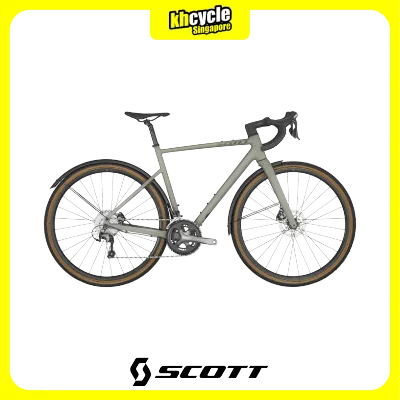
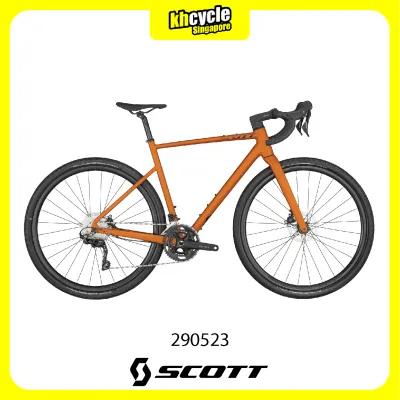
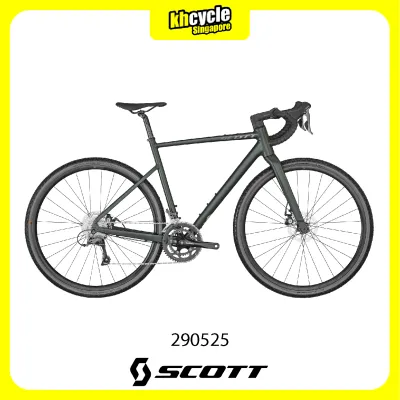
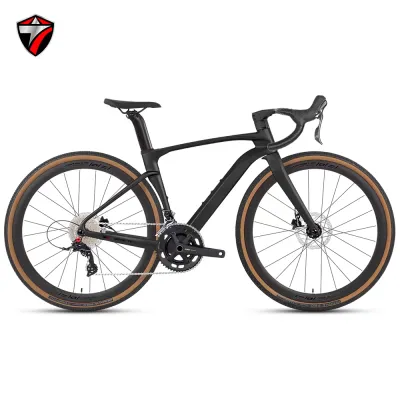
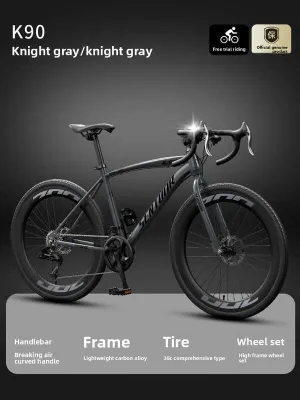
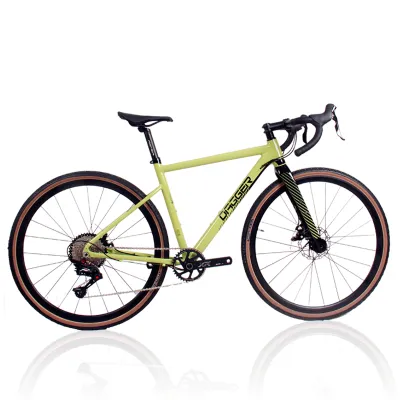
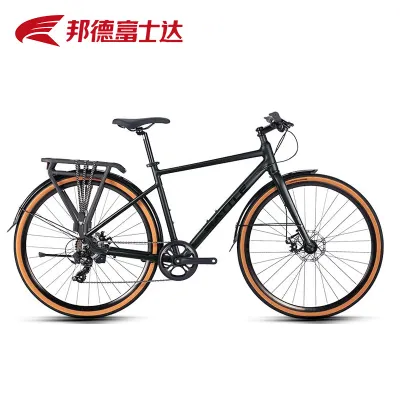
Prices are valid at publication and may change. Please refer to the product page for the latest price.
The frame geometry is designed for stability and endurance. Compared to a standard road bike, a gravel bike features a longer wheelbase and a slacker head tube angle, making the bike more stable when navigating loose gravel, dirt, or uneven pavement.
Key features on manufacturer specification sheets include generous tire clearance for wider tires and multiple mounting points along the frame and fork. These mounts allow you to attach water bottle cages, frame bags, racks, and fenders.
The riding position strikes a balance between efficiency and comfort. A higher stack height and shorter reach place you in a more upright posture than a race-oriented road bike, reducing strain on your lower back and neck while remaining more aerodynamic than a flat-bar mountain bike.
Self-Assessment: Does Your Riding Style Demand Gravel?
Determining whether you need a gravel bike starts with evaluating your typical routes. In Singapore, the cycling landscape ranges from pristine coastal roads to the rustic paths of the Rail Corridor and Coney Island. If your ideal ride involves transitioning from the paved Park Connector Network (PCN) onto unpaved, compacted dirt or gravel paths, a gravel bike is designed precisely for this mixed-surface exploration.

Consider your weekly ratio of tarmac to off-road terrain. If you constantly search for detours onto dirt paths or feel limited by narrow tires on gravel sections, a gravel bike will expand your options. Conversely, if you rarely veer off smooth asphalt, the added weight and rolling resistance of a gravel setup may feel like an unnecessary compromise.
Ride duration and comfort are also critical. High-volume tires run at lower pressures, dampening road vibrations and cushioning your ride. If you frequently experience hand numbness or neck fatigue during long-distance rides, the combination of a relaxed frame geometry and wider tires can significantly improve your comfort.
Finally, evaluate your cargo goals. If you are interested in bikepacking, multi-day touring, or carrying heavy gear, a gravel bike is highly capable. Built-in mounting points allow you to distribute weight evenly across the frame without compromising handling. If your current bike lacks these mounts, upgrading to a gravel frame opens up new possibilities.
Gravel vs. Road vs. Mountain: Choosing the Right Tool
Choosing the right bike requires understanding the trade-offs between speed, capability, and comfort. A gravel bike is highly versatile, but it represents compromises that must align with your primary cycling goals.
Compared to a dedicated road bike, a gravel bike feels slower on smooth tarmac. Wider, knobby tires create more rolling resistance, while the heavier frame and upright position increase aerodynamic drag. If your primary goal is keeping up with fast group rides or road racing, a road bike remains the more efficient tool.
Conversely, a gravel bike has clear limitations compared to a mountain bike. Lacking suspension, it relies entirely on its tires to absorb impacts. On highly technical trails, steep rocky descents, or routes with exposed tree roots, a mountain bike provides the necessary traction, control, and safety. Riding a gravel bike on these trails requires advanced handling skills and can lead to equipment damage.
The handling is optimized for loose surfaces rather than sharp cornering on asphalt. The longer wheelbase provides straight-line stability on gravel and sand, but it can feel less agile when making tight turns in urban environments. Understanding these differences ensures you select a bike that excels on your primary riding surfaces.
When to Skip the Gravel Bike (and What to Do Instead)
There are several scenarios where purchasing a dedicated gravel bike is unnecessary, and alternative approaches can save you both money and storage space. If your cycling is limited to paved commuting, structured training on smooth roads, or competitive road racing, the specialized features of a gravel bike will go unused. In these cases, sticking with a traditional road or hybrid bike is the most practical choice.
Similarly, if your interest lies in exploring rugged nature trails, muddy singletracks, or dedicated mountain bike parks, a gravel bike is not the correct tool. The lack of suspension and the drop-bar steering configuration can compromise your safety on steep, unpredictable terrain. Investing in a proper mountain bike will provide the suspension travel and wide, flat handlebars needed for confident off-road riding.
Before purchasing an entirely new bike, explore budget-friendly modifications to your current setup. Many modern endurance road bikes and hybrid commuter frames have more tire clearance than you might expect. By checking your frame’s specifications, you may find you can fit wider, textured tires—such as 30mm or 32mm options—which can handle light gravel and unpaved park connectors comfortably without the need to buy a new bicycle.
Next Steps: Sizing, Fit, and Test Riding
If your self-assessment confirms that a gravel bike aligns with your riding goals, the next step is ensuring you select the correct size and configuration. Because gravel bikes are ridden over uneven terrain for extended periods, a proper fit is essential to prevent injury and maximize control.
We highly recommend scheduling a professional bike fit before making a purchase. A professional fitter can analyze your flexibility, riding posture, and biomechanics to determine the ideal frame size and component dimensions. This process helps optimize your position on the drop handlebars, ensuring you can comfortably reach the brake levers and maintain control when the bike vibrates over rough surfaces.
When researching options, take the time to study manufacturer geometry charts. Pay close attention to the stack and reach measurements, as these numbers dictate how upright or stretched out you will feel on the bike. Compare these figures to your current bicycle to understand how the gravel bike’s handling and comfort will differ.
Finally, plan test rides that include mixed surfaces whenever possible. Many local bike shops allow you to test ride bikes on nearby paths. Pay attention to how the bike handles transitions from smooth pavement to loose gravel, how confident you feel while braking on uneven ground, and whether the tire clearance meets your future riding expectations.
Frequently Asked Questions (FAQ)
Can I just put wider tires on my current road bike?
Whether you can fit wider tires depends entirely on your frame and brake caliper clearance. You must check the manufacturer’s specifications for the maximum allowable tire width of your specific model. Attempting to force wider tires into a frame with tight clearance poses significant risks, including mud and debris buildup that can jam the wheel or wear away the frame’s material, potentially leading to structural failure.
Are gravel bikes practical for daily city commuting?
Gravel bikes are highly practical for daily urban commuting due to their robust construction and versatile design. The upright riding position improves your visibility and traffic awareness, while the wider, puncture-resistant tires easily handle road debris, wet grates, and uneven pavement. Additionally, the abundant mounting points make it simple to install essential commuting accessories such as cargo racks, full-coverage mudguards, and integrated lighting systems.
Community discussion
Share your experience or ask a question. Comments are reviewed before publication.