
Living in a Housing & Development Board (HDB) flat requires a thoughtful approach to home fitness equipment. With limited square footage, bulky treadmills or heavy dumbbell sets can quickly clutter living rooms and disrupt a compact home. A gyroball—a hand-held gyroscopic exercise device designed to build forearm strength and grip endurance—presents an intriguing, space-saving alternative. Because it relies entirely on rotational momentum generated by your own wrist movements, it requires zero floor space and can be tucked away in a small drawer. However, while its physical footprint is negligible, its operational footprint—specifically the whirring noise and high-frequency vibrations it produces—requires careful consideration in close-quarters living. Deciding whether a gyroball is truly practical for your HDB home involves balancing its space-saving benefits against its acoustic profile and your specific fitness goals.
Space and Storage: Managing the Footprint of a Gyroball
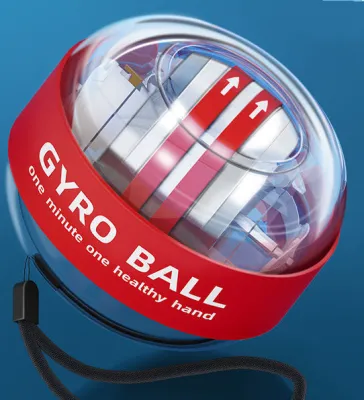
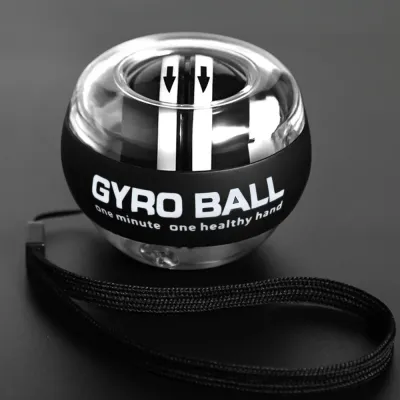
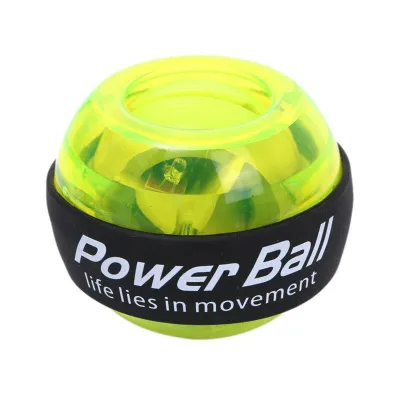
When space is at a premium, every square centimeter of your home matters. A standard gyroball is remarkably compact, typically measuring about the size of a tennis ball and weighing between 250 to 350 grams. This tiny physical footprint makes it one of the most space-efficient fitness tools available for HDB dwellers. Unlike traditional resistance gear like kettlebells, which require dedicated floor space, a gyroball can easily share a shelf with books, sit neatly on a work desk, or slide into a bedside drawer.
To keep the device in optimal working condition, proper storage is essential. Because the internal rotor relies on precision-engineered bearings to spin smoothly at high speeds, dust and lint are its primary enemies. Storing your gyroball in a dedicated protective pouch, a small zippered case, or a clean drawer prevents airborne particles from settling inside the mechanism. This simple habit ensures the rotor continues to spin without friction or grinding noises over time.
Products mentioned in this guide
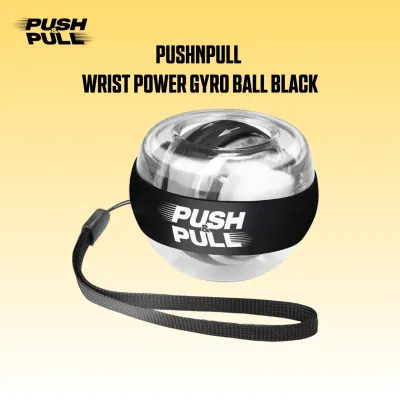
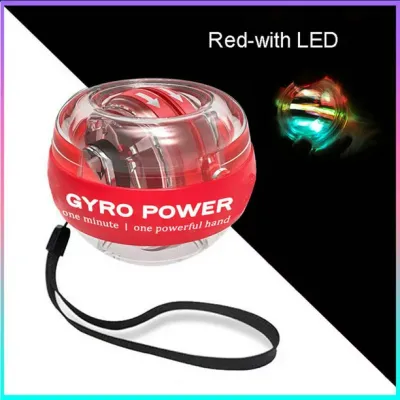
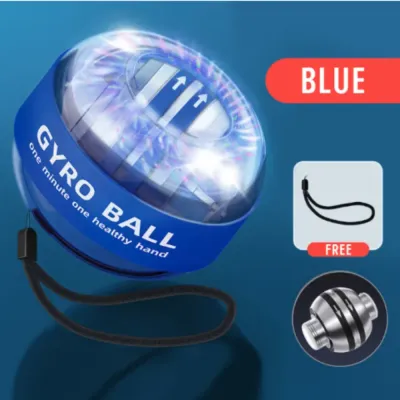
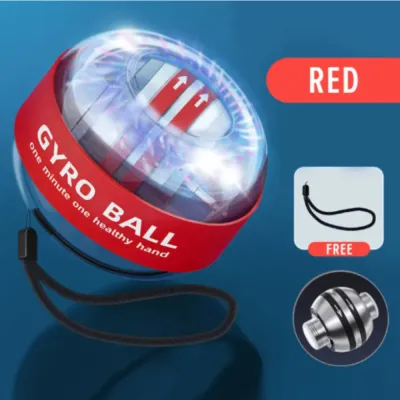
Prices are valid at publication and may change. Please refer to the product page for the latest price.
Additionally, placement is critical to preventing accidental damage. A gyroball should never be left resting on high shelves, desk edges, or high-traffic surfaces where it could easily be knocked onto hard flooring. Because the internal rotor is finely balanced, even a minor drop from table height onto typical HDB flooring, such as ceramic tiles or vinyl planks, can misalign the internal axle. This misalignment can permanently ruin the smooth rotation of the device or render it completely unusable. Designating a secure, low-level storage spot ensures your equipment remains safe from accidental impacts.
Noise and Vibration: Minimizing Disturbance in Shared Spaces
While a gyroball solves the problem of physical space, its acoustic footprint is a key factor to consider when living in close proximity to family members or neighbors. The device generates resistance through a spinning internal rotor. As you rotate your wrist to accelerate the rotor, the gyroscopic forces increase, creating a distinct, high-pitched whirring sound. At lower speeds, this sound is a gentle hum, but as the rotor reaches higher revolutions per minute (RPM), the noise intensifies into a louder, mechanical whine accompanied by physical vibrations transmitted through your hand and arm.

In a typical HDB flat, where bedrooms often share thin partition walls and living areas are closely integrated, this sound can easily carry. A late-night forearm workout while family members are sleeping, or an intense session during a housemate’s work-from-home video call, can quickly become a source of friction. The vibrations can also travel through solid surfaces; if you rest a spinning gyroball directly on a wooden desk or dining table, the furniture can act as a soundboard, amplifying the low-frequency hum throughout the room.
Fortunately, you can easily minimize these disturbances with a few practical adjustments. First, avoid using the gyroball late at night or early in the morning when ambient household noise is at its lowest. Second, perform your exercises over soft, sound-dampening surfaces. Standing on a thick yoga mat or sitting on a fabric sofa helps absorb the vibrations that travel through your body to the floor. If you need to set the device down while it is still spinning, always place it on a folded towel or a thick mousepad rather than directly on bare wood or tile. These simple steps allow you to maintain your training routine without compromising the peace and quiet of your shared home.
Practicality: Does a Gyroball Match Your Home Fitness Goals?
Before adding a gyroball to your home gym setup, it is important to evaluate whether its training capabilities align with your personal fitness objectives. A gyroball is a highly specialized tool designed primarily to target the muscles of the fingers, hands, wrists, and forearms. By resisting the gyroscopic torque, you engage the brachioradialis, flexor muscles, and grip stabilizers. This makes it exceptionally effective for activities that require high grip endurance, such as rock climbing, racket sports, or musical instruments like the guitar or violin.
However, the device has clear limitations. It cannot provide full-body conditioning, cardiovascular training, or significant muscle hypertrophy for larger muscle groups like the chest, back, or legs. If your primary goal is general fitness or weight loss, a gyroball cannot replace comprehensive equipment like resistance bands or adjustable dumbbells. Instead, it should be viewed as a complementary tool. It fits perfectly into a broader home workout routine, serving as a targeted finisher for grip strength after a bodyweight workout, or as a convenient active-recovery tool to keep on your desk.
To determine if a gyroball is a practical addition to your HDB home, consider this quick decision checklist:
- Are you looking to improve grip strength, wrist stability, or forearm endurance?
- Do you participate in sports or hobbies that rely heavily on hand strength?
- Do you have limited space that prevents you from buying larger fitness equipment?
- Are you disciplined enough to maintain a consistent routine with a specialized, single-purpose tool?
If you answered yes to most of these questions, a gyroball is highly likely to be a valuable and practical investment for your home.
Selection Guide: Matching Features to Your Living Situation
When shopping for a gyroball, selecting the right model depends on your budget, experience level, and living environment. The most basic models are purely mechanical and require a starter cord to get the rotor spinning. While these are budget-friendly, managing a loose cord can be inconvenient in a tidy home. Self-starting models, which feature an internal spring-loaded mechanism that you wind up with your thumbs, are much more convenient and eliminate the risk of losing a starter cord down the back of your sofa.
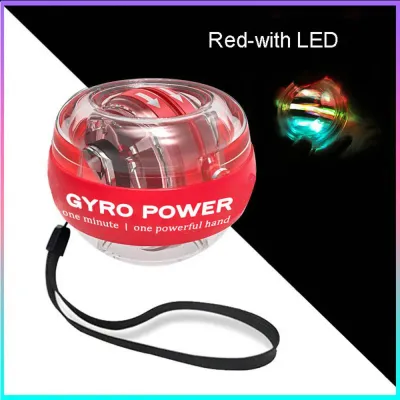
You will also encounter models equipped with electronic features, such as built-in LED lights powered by the rotor’s rotation or digital speedometers that track your peak RPM. While these features can make workouts more engaging, they also introduce extra components to maintain. Models with digital counters often require small button batteries, which you will need to replace periodically. If you prefer a low-maintenance device that is always ready to use without battery worries, a classic mechanical or self-starting model without digital screens is often the most reliable choice.
Finally, pay close attention to build quality and materials. High-quality gyroballs feature impact-resistant polycarbonate outer shells and precision-engineered stainless steel or brass internal axles. These premium materials not only ensure a longer lifespan but also run significantly smoother and quieter than cheaper plastic alternatives. Before purchasing, check the manufacturer’s specifications for the device’s weight and resistance curves. Beginners should opt for lighter models with smooth, predictable resistance, while advanced users may look for heavier rotors that generate greater dynamic force at lower speeds to safely match their current grip strength.
Frequently Asked Questions (FAQ)
Can a Spinning Gyroball Damage Floors or Furniture?
Yes, a spinning gyroball can easily cause cosmetic damage to your home if it slips from your hand. Because the device concentrates its weight into a small, hard sphere, dropping it while the rotor is spinning at high speeds can dent parquet flooring, chip ceramic tiles, or scratch wooden tabletops. To prevent these accidents, always use the integrated wrist strap if your model includes one. Additionally, practice your exercises over a soft surface, such as a carpet, a thick rug, or a yoga mat, which will cushion the impact and protect both your flooring and the device’s internal mechanism from damage.
Is a Gyroball Effective for Desk-Related Wrist Strain?
For office workers spending long hours typing at a desk, a gyroball can be a useful tool for gentle mobilization and active recovery. Using the device at low, controlled speeds helps promote blood flow, warm up the wrist joints, and build endurance in the forearm muscles, which can help alleviate the fatigue associated with repetitive desk work. However, it is crucial to use light, low-resistance movements rather than high-speed training. If you experience severe pain, persistent numbness, tingling, or have a diagnosed medical condition like carpal tunnel syndrome, stop using the device immediately and consult a qualified healthcare professional before starting any new exercise routine.
Community discussion
Share your experience or ask a question. Comments are reviewed before publication.