
No, a utility hook like the HeroClip is not safe for climbing applications that involve supporting human weight, arresting falls, or securing life-safety systems. While it is an exceptionally versatile and popular accessory among outdoor enthusiasts, it is strictly designed for static gear organization rather than active climbing protection. Misunderstanding the boundary between utility hooks and load-bearing climbing hardware can lead to catastrophic equipment failure and severe injury.
To stay safe at the crag or the climbing gym, you must understand exactly where your utility gear ends and your life-safety equipment begins. This guide breaks down the structural differences between these tool categories, outlines the approved ways to use a utility hook for gear management, and explains how to inspect and maintain your gear to prevent accidental failures.
Utility Accessories vs. Life-Safety Climbing Gear
When preparing for a climb, every piece of equipment in your active safety chain must be certified to withstand extreme dynamic forces. Personal Protective Equipment (PPE) designed for climbing—such as locking carabiners, harnesses, quickdraws, and belay devices—undergoes rigorous testing to meet international safety standards. These standards are established by organizations like the Union Internationale des Associations d’Alpinisme (UIAA) or European Standards (CE/EN), ensuring that each component can absorb the violent shock of a falling climber.
Products mentioned in this guide
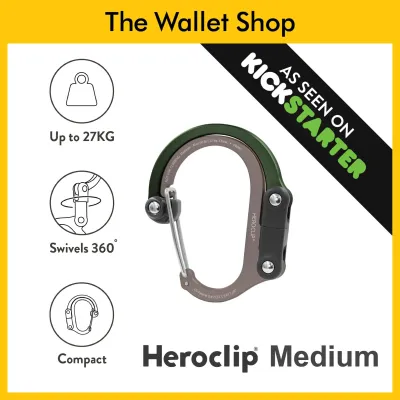
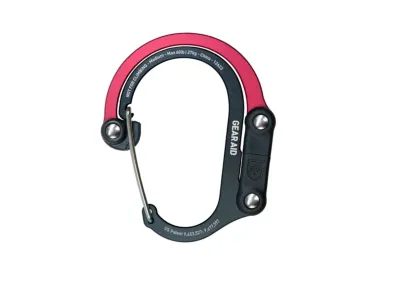
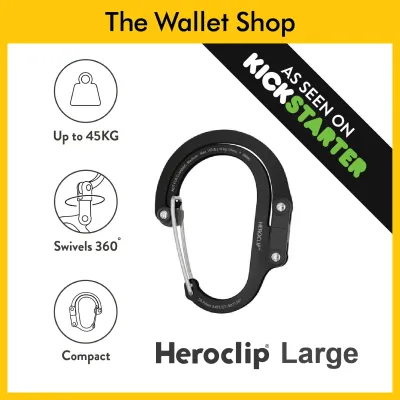
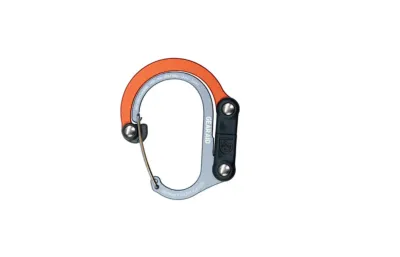
Prices are valid at publication and may change. Please refer to the product page for the latest price.
In contrast, utility hooks and hybrid carabiner-style clips are engineered solely for static, non-life-critical loads. They are designed to hold stationary objects like backpacks, water bottles, or lanterns while you rest or organize your gear. The structural materials, gate mechanisms, and pivot joints of utility clips are not built to deform or absorb energy under sudden impact. If subjected to the dynamic force of a human fall, these components can snap, bend, or shear instantly.
Because of these structural limitations, you must observe a non-negotiable safety rule: never integrate a utility hook into any system that supports a person. This means you must never use them to anchor yourself to a rock face, build belay stations, connect a harness to a rope, or secure a climbing partner. Even in seemingly low-risk scenarios, such as hanging a hammock or securing a gear haul line that could swing and catch, relying on non-certified hardware poses an unacceptable safety risk. Keep your utility tools strictly separated from your climbing rack to avoid any dangerous mix-ups during a high-stress ascent.
Approved Utility Uses for HeroClip at the Crag
While utility hooks have no place in your life-safety system, they excel at keeping your gear organized, clean, and accessible at the base of a route. Outdoor climbing environments, such as the humid and often damp conditions found at local crags like Dairy Farm Quarry or regional tropical destinations, present challenges for gear preservation. Placing your backpack directly on muddy ground, wet soil, or near crawling insects can degrade your equipment and ruin your comfort.

Using a hybrid utility hook allows you to suspend your backpack, approach shoes, or water bottle off the ground, keeping them dry and free from dirt. The rotating hook and folding design make it easy to hang your gear from stable, non-living structures or natural features. For example, you can hang your pack from a sturdy tree branch, a wooden fence, or the edge of a picnic table at a rest site.
You can also use these hooks to organize your non-critical gear at the basecamp. Hanging your helmet, chalk bag, or gear sling from a central point keeps your equipment sorted and prevents it from being stepped on by other climbers. This organization is especially helpful in tight staging areas where multiple climbing parties are sharing limited space.
Before hanging any item, you must verify that the chosen anchor point is fully capable of supporting the static weight. A thin, rotting tree branch or a loose rock ledge can easily give way, causing your gear to fall and potentially suffer damage. Always test the stability of the branch, table edge, or beam before letting go of your suspended equipment, ensuring the hook is securely seated and cannot slide off.
How to Verify Load Limits and Weight Constraints
To use any utility accessory safely, you must know its precise load limits and never rely on guesswork. Manufacturers produce utility hooks in various sizes, each engineered with a specific maximum static weight capacity. You can find these limits printed directly on the product packaging, detailed in the official user manual, or laser-etched onto the spine of the device itself. Always check these official markings before loading the clip with heavy gear.
It is critical to understand the difference between static weight and dynamic force. A static weight limit refers to a stationary, non-moving load, such as a backpack hanging quietly from a tree branch. Dynamic force, however, occurs when an object moves, drops, or swings. If a heavy bag slips from your hand and falls a short distance before being caught by the hook, the resulting dynamic force can easily exceed the static weight limit, causing the hook to fail.
To account for these unpredictable forces, you should always apply a conservative personal safety margin. A good rule of thumb is to keep the actual weight of your suspended items well below the stated maximum limit. For example, if your specific clip is rated for a certain static weight, aim to load it to only a fraction of that capacity. This safety buffer helps protect your gear if someone accidentally bumps into your hanging pack or if the wind causes it to swing violently.
Additionally, consider how weight is distributed within your suspended gear. Heavy items like water bladders, metal water bottles, or guidebooks should be packed low and centered to prevent the bag from tilting awkwardly. An unevenly balanced load can cause the utility hook to twist, reducing its contact area with the anchor point and increasing the risk of a sudden slip.
Inspection, Maintenance, and Retirement Criteria
Like any outdoor gear, utility hooks are subject to wear, tear, and environmental degradation over time. Regular inspections are essential to ensure the hook remains safe for its intended utility tasks. Before heading out to the crag, perform a thorough visual check of the entire device. Look for signs of metal fatigue, deep gouges, hairline cracks, rust, or corrosion along the aluminum frame and gate.
Next, examine the moving parts of the hook. Test the rotating swivel mechanism to ensure it spins smoothly without binding or grinding. Check the folding joints and the gate tension; the gate should snap shut crisply and align perfectly with the nose of the clip. If the gate is sluggish, loose, or misaligned, the clip’s structural integrity is compromised, and it may fail to hold even light loads.
Pay close attention to the rubberized or textured tips on the hook. In hot, humid climates, rubber components can degrade, become sticky, crack, or lose their grip. If the rubber tip is worn down or missing, the hook is much more likely to slip off smooth surfaces like metal poles or polished wooden tables. Clean any dirt, sand, or salt residue from the joints using fresh water and dry the device thoroughly to prevent corrosion.
You must establish strict criteria for retiring your utility accessories. If the hook has been dropped from a significant height onto a hard surface, shows any visible bending, or has been exposed to extreme heat like a campfire, it must be retired immediately. Similarly, contact with harsh chemicals, such as acidic cleaning agents or certain insect repellents containing high concentrations of DEET, can weaken the plastic and rubber components. When in doubt, destroy the retired hook to ensure it is never accidentally mixed back into your active gear kit.
Frequently Asked Questions (FAQ)
Can I use a HeroClip to hang my climbing rope?
Yes, you can use a utility hook to hang a climbing rope at the base of a route, provided you verify the total weight of the rope first. A standard 60-meter or 70-meter climbing rope can weigh anywhere from 3 to 5 kilograms when dry, but this weight can increase significantly if the rope becomes wet or dirty during a climb. Before suspending your rope, check the manufacturer’s stamped weight limit on your specific utility hook to ensure it can easily support the load. Always hang the rope in a clean, dry spot away from sharp rocks or dirt, and never use the utility hook as part of the active rope management or belay system.
Is it safe to attach a HeroClip to my climbing harness?
While you can use a utility hook to carry lightweight, non-critical items like a chalk bag or a water bottle on your harness gear loops, you must exercise extreme caution. Non-climbing hardware often has sharper edges, protruding gates, or rotating parts that can snag on your harness webbing, clothing, or rock features. This snagging can cause accidental cross-loading or even damage the structural fibers of your harness over time. For maximum safety, it is highly recommended to use only certified climbing carabiners to attach items directly to your harness, as they are designed to interact safely with climbing textiles and withstand unexpected forces without compromising your safety.
Community discussion
Share your experience or ask a question. Comments are reviewed before publication.