
Deciding whether to invest in a premium smart posture trainer like the Upright Go 2 often comes down to a fundamental choice between active habit formation and passive physical support. For desk-bound professionals spending long hours in front of screens, maintaining spinal alignment is a constant struggle that often leads to neck strain and shoulder fatigue. While traditional braces physically pull your shoulders back, this compact electronic device takes a completely different approach by using gentle vibrations to remind you to correct your own posture.
At its premium price point, however, many shoppers wonder if the technology truly justifies the cost compared to budget-friendly alternatives available on local ecommerce platforms. To make an informed decision, it is essential to understand how this device operates, what hidden costs you might encounter, and how it compares to simpler physical supports.
What the Upright Go 2 Actually Does for Your Posture
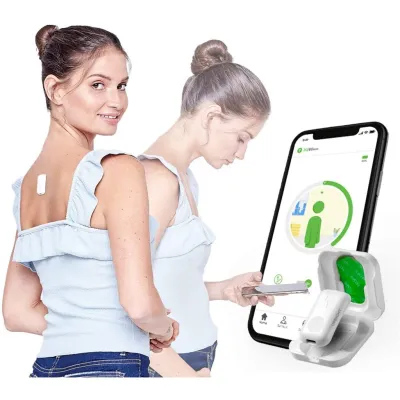
The core mechanism of this device relies on active biofeedback rather than physical force. Inside the small plastic pod is a multi-axis accelerometer sensor that detects changes in your body’s angle and tilt. When you first place the device on your upper back, you calibrate it via a companion smartphone app to establish your ideal upright position. If you begin to slouch or round your shoulders past a specific threshold, the device detects the deviation and emits a localized vibration, prompting you to consciously engage your core and back muscles to sit up straight.
Products mentioned in this guide
Prices are valid at publication and may change. Please refer to the product page for the latest price.
It is crucial to understand that this device provides zero structural support. Unlike a traditional fabric harness or medical brace, it will not hold your body up when your muscles tire. If you ignore the vibration or lack the muscle strength to maintain the position, your posture will remain slumped. The goal is to train your brain and muscles to recognize slouching and build long-term muscle memory through repeated, active self-correction.
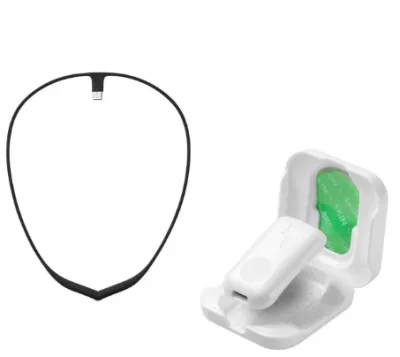
To achieve accurate tracking, the setup process requires careful preparation. The device must be adhered directly to clean, dry skin on your upper spine, or suspended from a compatible silicone necklace accessory. Because skin oils, sweat, and body hair can interfere with the sensor’s contact, thorough skin preparation is a prerequisite. In warm, humid environments, any moisture on the skin can cause the device to slip, leading to inaccurate calibration and false alerts.
Evaluating the Premium Price Tag
The premium cost of this smart trainer is primarily driven by its integrated hardware and software ecosystem. Unlike basic mechanical tools, you are paying for miniature motion sensors, Bluetooth connectivity, and a dedicated mobile application that logs your daily progress, tracks your “upright” versus “slouched” time, and customizes training programs. The software is designed to gradually increase your daily training intervals, preventing muscle fatigue by not forcing you to maintain perfect posture for eight hours straight on day one.

This premium is generally justified for users who require objective, quantifiable data to stay motivated. If you appreciate visual graphs of your daily progress, customizable vibration patterns, and a discreet tool that fits invisibly under professional office wear, the smart integration offers clear value. It provides a modern, non-restrictive alternative for those who find bulky physical braces uncomfortable or embarrassing to wear in a shared workspace.
However, potential buyers must factor in ongoing maintenance costs that extend beyond the initial purchase. The device relies on double-sided, medical-grade adhesive silicone strips to stay secured to your back. While each strip is reusable for multiple applications, they eventually lose their stickiness due to skin oils and environmental moisture. In a tropical climate, you may find yourself replacing these strips more frequently than users in cooler, drier regions. Before purchasing, check the current pricing of replacement adhesive packs on local online marketplaces to ensure the recurring cost fits your long-term budget. Alternatively, you can purchase the compatible silicone necklace accessory, which eliminates the need for adhesives but changes how the device sits on your chest and back.
Upright Go 2 vs. Cheaper Posture Alternatives
When comparing this smart trainer to cheaper alternatives, the primary distinction lies in active versus passive training. Traditional posture braces, which typically cost a fraction of the price, use elastic straps to physically pull your shoulders back. While this provides immediate relief and requires no battery charging, over-relying on a passive brace can actually weaken your core and back muscles over time, as your body relies on the fabric rather than its own strength to stay upright.
Another alternative is the budget-friendly, non-smart vibration pendant. These simpler devices, often found on budget ecommerce platforms, also vibrate when you slouch but lack Bluetooth connectivity and app integration. They generally rely on basic tilt sensors that cannot distinguish between natural bending (such as leaning forward to reach a drawer) and actual poor posture. This lack of calibration customization often results in frequent false alarms, which can quickly become frustrating during a busy workday.
Camera-based desktop applications represent a digital alternative that requires no wearable hardware at all. These programs use your computer’s webcam to monitor your shoulder alignment and display on-screen warnings when you slouch. While highly cost-effective, they require you to remain directly in front of your computer screen within a limited camera field of view, making them impractical if you frequently move around your workspace or work on multiple monitors.
To choose the right option, consider your daily habits and budget. If you want a highly discreet, data-driven tool that actively strengthens your muscles and you do not mind charging a battery or replacing adhesives, the smart trainer is a strong contender. If you prefer a low-tech, set-and-forget solution to wear during heavy lifting or physical labor, a basic physical support or a simple stretching routine may be more appropriate.
Who Should Buy It and Who Should Skip It
The ideal candidate for this smart posture trainer is an office professional, remote worker, or student who spends long hours seated at a desk and has the discipline to respond to haptic feedback. It is highly suited for individuals who want to build long-term, independent muscle strength and prefer a discreet device that remains completely hidden beneath everyday clothing.
Conversely, certain users should skip this device entirely. If you have been diagnosed with severe structural spinal conditions, such as scoliosis, severe kyphosis, or herniated discs, a consumer-grade biofeedback gadget is not appropriate. Similarly, if you find frequent vibrations highly distracting while trying to focus on deep work, or if you have sensitive skin that reacts poorly to medical adhesives, this device may end up sitting unused in a drawer.
Crucially, consumer electronics cannot replace professional medical training, physical therapy, or clinical judgment. If you experience persistent back pain, numbness, tingling, or sharp discomfort, you should immediately stop using any consumer posture correction tools. These symptoms require a comprehensive evaluation by a qualified physiotherapist or medical professional to address the root cause of the pain rather than relying on a retail gadget.
Frequently Asked Questions (FAQ)
Can I wear the posture trainer while exercising or sleeping?
It is generally not recommended to wear this device during high-intensity workouts or while sleeping. Vigorous movement and heavy sweating can quickly compromise the adhesive grip, causing the device to fall off and potentially sustain damage. Furthermore, sleeping positions will continuously trigger the sensor, leading to constant vibrations that disrupt your rest. Always consult the specific user manual to verify the device’s sweat resistance limits and intended usage boundaries before wearing it outside of a sedentary office environment.
Does the app require a paid subscription to track posture data?
To avoid unexpected post-purchase costs, it is important to verify the current software model before buying. While the core tracking, calibration, and daily statistics have historically been included with the hardware purchase, app developers occasionally update their pricing structures. Before committing, check the latest app store listings on your smartphone to confirm if advanced features, historical data trends, or personalized training plans require an active premium subscription. Reading recent user reviews on these platforms is also an excellent way to spot any recent changes to the app’s paywall structure.
Community discussion
Share your experience or ask a question. Comments are reviewed before publication.