
A mini velo leisure bike combines the compact, agile footprint of small wheels with the rigid, stable frame geometry of a standard adult bicycle. For riders seeking a practical and comfortable way to explore park connector networks, coastal paths, and green spaces, these compact bikes offer an ideal balance of maneuverability and ease of storage. Unlike traditional folding bikes, which sometimes sacrifice frame stiffness for portability, a rigid-frame mini velo provides a solid, predictable ride quality that feels remarkably similar to a full-sized bicycle. Selecting the right model requires focusing on specific features that enhance comfort, control, and utility during casual weekend outings.
In urban environments like Singapore, where cycling routes often transition from smooth park connectors to shared pedestrian paths, the ideal leisure bicycle must handle frequent stops, tight turns, and varied surface conditions. Factors such as riding posture, tire width, gearing systems, and weather-resistant components dictate how enjoyable your weekend rides will be. By understanding how these design elements interact, you can select a mini velo that perfectly matches your physical comfort requirements and storage constraints.
Defining the Ideal Riding Position and Frame Geometry
The geometry of a mini velo frame directly influences how your body weight is distributed, which in turn determines your comfort level during longer leisure rides. For casual park riding, an upright riding position is highly recommended. This posture keeps your spine in a natural, neutral alignment, significantly reducing strain on your lower back, neck, and shoulders compared to the forward-leaning stance of road or gravel bikes. An upright view also improves your field of vision, making it much easier to navigate shared paths safely, spot pedestrians, and enjoy the surrounding scenery.
Products mentioned in this guide
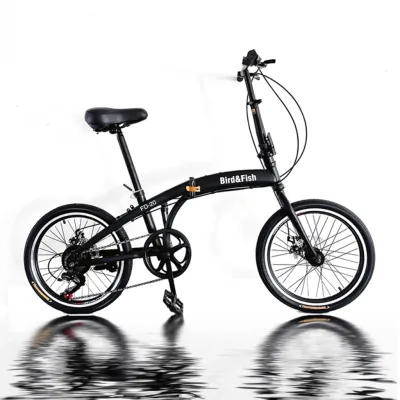
52 Lazada user ratings
the bicycle is nice. the colour is nice. delivery is fast.
Convenient and space-saving foldable design.
Great value for money, highly recommended!,
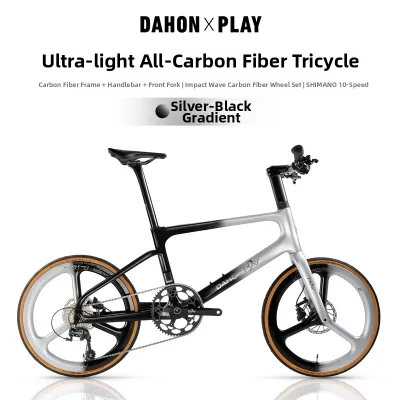
Prices are valid at publication and may change. Please refer to the product page for the latest price.
When evaluating frame designs, the choice between a step-through frame and a traditional step-over (diamond) frame is a primary consideration. Step-through frames feature a low top tube, allowing you to mount and dismount the bicycle effortlessly without swinging your leg high over the saddle. This design is exceptionally practical for casual outings, riders with limited hip mobility, or those wearing relaxed everyday clothing. Traditional step-over frames, while offering slightly higher structural rigidity for spirited riding, require more physical flexibility during stops and starts.
To achieve a truly relaxed arm and shoulder posture, pay close attention to the handlebar setup. Look for a mini velo equipped with swept-back handlebars, which bring the grips closer to your body and allow your wrists to rest at a natural, ergonomic angle. Adjustable stems are another valuable feature, enabling you to raise or lower the handlebar height to fine-tune your reach. Ensuring that your elbows remain slightly bent and your shoulders relaxed will prevent joint fatigue and keep your hands from absorbing excessive road vibration.
Prioritizing Saddle and Contact Point Comfort
Because leisure riding involves spending extended periods in an upright position, a significant portion of your body weight rests directly on the saddle. Standard, narrow racing saddles are unsuitable for this riding style, as they are designed for a forward-leaning posture where weight is shared with the handlebars. Instead, look for a wide, well-padded saddle that provides ample support for your sitting bones. Many comfort-oriented saddles feature gel cushioning, pressure-relief channels, or integrated elastomer springs to absorb the initial impact of bumps and cracks on paved paths.

Beyond the saddle, your hands and feet serve as critical contact points that influence overall ride comfort. Ergonomic handlebar grips with a flared profile support the palms of your hands, distributing pressure across a larger surface area to prevent the nerve compression that causes finger numbness. For additional vibration dampening, consider upgrading to a suspension seat post. These components utilize internal springs or elastomers to cushion your spine against sudden jolts from uneven pavement, tree roots, or transition curbs.
Before purchasing aftermarket comfort upgrades, always verify the manufacturer’s specifications. Check the weight limits of both the bicycle frame and any suspension components to ensure safe operation. Additionally, confirm that your chosen saddle is compatible with the existing seat post rail dimensions, as some proprietary designs may require specific adapters. Budgeting S$50 to S$150 for high-quality contact point upgrades can dramatically improve your riding experience if the stock components do not suit your body shape.
Navigating Wheel Size and Tire Trade-Offs
The defining characteristic of a mini velo is its small wheel size, typically utilizing either 20-inch or 24-inch wheels. Understanding the performance trade-offs between these two sizes is essential for selecting the right bike. 20-inch wheels (often designated as ISO 406 or the slightly larger ISO 451) offer rapid acceleration, exceptional agility in tight spaces, and a highly compact footprint that is easy to store in tight apartment corners or transport in elevators. However, they have a higher rolling resistance and do not roll over obstacles as smoothly as larger wheels.
In contrast, 24-inch wheels provide a ride quality that closely mimics a standard adult bicycle. They maintain momentum more efficiently, offer better rolling resistance over long distances, and glide over small bumps and pavement cracks with less disruption to the rider. The trade-off is a slightly larger overall bicycle length, which may make storage in small apartments or transport in car boots more challenging. For most leisure riders on well-maintained park paths, 20-inch wheels offer the classic, nimble mini velo experience, while 24-inch wheels are favored by those planning longer, continuous journeys.
Tire width and tread pattern play an equally critical role in ride quality. For park riding, avoid narrow, high-pressure slick tires, which transmit every vibration directly to your body. Instead, opt for wider tires (typically 1.5 inches to 2.0 inches wide) that can be run at lower air pressures. This extra volume of air acts as a natural shock absorber, smoothing out rough asphalt, wooden boardwalks, and decorative cobblestones. Look for tires equipped with integrated puncture-resistant layers, such as Kevlar or specialized rubber compounds, to minimize the risk of flat tires caused by debris, thorns, or small glass fragments on shared paths.
Selecting the Right Gearing and Braking Setup
The terrain you plan to ride dictates the type of gearing system your mini velo should have. If your local park loops are entirely flat and you prefer a minimalist, low-maintenance bicycle, a single-speed setup is a viable option. Single-speed bikes are lighter, have fewer moving parts to adjust, and eliminate the worry of gear alignment. However, they require more physical effort when starting from a complete stop or when facing unexpected headwinds.
For greater versatility without the maintenance hassle of traditional gears, internal gear hubs (IGH) are an excellent choice. These systems house the shifting mechanisms entirely inside the rear wheel hub, protecting them from dirt, rain, and physical damage. Internal hubs allow you to change gears while standing completely still, which is incredibly convenient for stop-and-go riding at pedestrian crossings. If your weekend routes include rolling hills, longer distances, or steep park connector ramps, an external derailleur system with 7 to 9 speeds provides a wider gear range, allowing you to maintain a comfortable pedaling cadence regardless of the incline.
Braking performance is a vital safety consideration, especially when riding in wet weather or navigating crowded paths. Linear-pull brakes (commonly known as V-brakes) are lightweight, simple to maintain, and offer sufficient stopping power for low-speed leisure riding in dry conditions. However, their performance can decrease when the wheel rims become wet or dirty. Mechanical disc brakes provide superior, consistent stopping power in all weather conditions because the braking surface is located near the center of the wheel, away from ground moisture and road grime. Disc brakes also require less hand effort to actuate, making them a safer and more comfortable choice for riders with weaker grip strength.
Condition-Based Shortlist: Matching Mini Velo Setups to Your Needs
To help you navigate the many options available, consider how your specific riding environment, storage situation, and fitness goals align with these three distinct mini velo configurations.
The Pure Park Cruiser
This setup is designed for maximum comfort and relaxed, short-distance riding on flat, paved paths. It features a step-through frame, an upright riding position, a wide gel saddle, and wide 20-inch tires. It typically utilizes a 3-speed or 5-speed internal gear hub for effortless, low-maintenance operation.
- Best For: Casual weekend riders who prioritize comfort over speed, and those who stick to flat, dedicated park loops.
- Limitations: This configuration is generally heavier due to the internal gear hub and robust frame design, making it less suitable for carrying up stairs or loading into vehicles.
- Verification Checks: Confirm the total weight of the bicycle to ensure you can comfortably lift it if necessary. Verify that the internal hub shifts smoothly without slipping under load.
The Versatile Path Explorer
Engineered for longer journeys and varied terrain, this setup balances comfort with efficiency. It features a lightweight aluminum frame, a slightly sportier semi-upright riding position, 24-inch wheels, and a multi-speed external derailleur system (typically 8 or 9 speeds). It is equipped with mechanical disc brakes for reliable stopping power over extended distances.
- Best For: Active riders who want to explore extensive park connector networks, handle mild elevation changes, and maintain a brisker pace.
- Limitations: The larger 24-inch wheels and longer frame make this setup less compact, requiring more storage space at home.
- Verification Checks: Inspect the derailleur alignment and shifting precision. Check that the disc brake rotors are true and do not rub against the brake pads when the wheel spins freely.
The Compact Weekend Hybrid
This setup prioritizes portability and multi-modal transport integration. It features a folding frame mechanism, 20-inch wheels, integrated front and rear cargo racks, and a versatile 7-speed external drivetrain. It allows you to easily fold the bike to fit into a car boot or carry it onto public transport.
- Best For: Riders who need to travel to their cycling destinations, have limited storage space in small apartments, or want to combine cycling with public transit.
- Limitations: The folding hinges can introduce slight frame flex, and the overall ride may feel less rigid than a non-folding mini velo.
- Verification Checks: Carefully examine the folding hinge mechanisms and locking latches for stiffness and secure engagement. Check the manufacturer's maximum weight capacity for both the frame and the integrated cargo racks to avoid overloading the bicycle.
Practical Accessories for Weekend Outings
Equipping your mini velo with the right accessories can significantly enhance the practicality and enjoyment of your weekend rides. In tropical climates prone to sudden downpours, full-coverage fenders are an essential addition. Fenders prevent water, mud, and road grime from spraying onto your clothes, allowing you to ride confidently on damp park paths after a passing shower. Look for durable plastic or lightweight aluminum fenders that mount securely to the frame to prevent rattling.
For carrying personal items, snacks, water bottles, or light shopping, integrated carrying solutions are far more comfortable than wearing a heavy backpack. A front-mounted basket is ideal for quick access to small items, while a sturdy rear rack allows you to secure larger pannier bags or strap down a small cooler. Ensure that any rack you install is rated for the weight you plan to carry, and distribute the load evenly to maintain the bicycle’s balance and handling characteristics.
Finally, safety and convenience accessories should not be overlooked. A robust, dual-leg kickstand keeps your mini velo stable when parked on soft grass or uneven pavement, preventing accidental falls that could damage the frame or components. For early morning or evening rides, equip your bicycle with bright front and rear LED lights. Even on well-lit park paths, active lighting ensures you remain highly visible to other cyclists and pedestrians, reducing the risk of collisions in low-light conditions.
Frequently Asked Questions (FAQ)
Are mini velos allowed on all park connectors and pedestrian paths?
In Singapore, mini velos are generally permitted on park connectors, shared paths, and cycling paths, provided they adhere to the physical dimensions and speed limits established by local transport authorities. When riding on shared paths, cyclists must always yield to pedestrians, maintain a safe and controlled speed, and use a bell to politely alert others when overtaking. If you plan to bring your mini velo onto public buses or MRT trains, you must verify the specific size restrictions. Generally, only folding bicycles that meet the maximum allowable dimensions are permitted on public transit during designated hours, while non-folding mini velos are restricted. Always check the latest guidelines from the Land Transport Authority (LTA) and National Parks Board (NParks) before planning your route.
How do I maintain a mini velo after riding in humid weather?
Operating a bicycle in high humidity and occasional rain requires regular maintenance to prevent rust and premature wear. After every ride, especially if you encounter damp paths or sudden showers, use a clean, dry microfiber cloth to wipe down the frame, wheel rims, and braking surfaces. Pay close attention to steel components, bolts, and cable entry points where moisture can accumulate. Apply a high-quality bicycle chain lubricant regularly to protect the drivetrain from corrosion, wiping away any excess oil to prevent dirt from sticking to the chain. Additionally, check your tire pressure before every outing, as small-diameter tires can lose pressure more quickly than larger ones, and maintaining the correct inflation pressure protects your rims from damage and reduces rolling resistance. Store your mini velo in a dry, shaded indoor area or a sheltered balcony to protect the rubber tires, cables, and paint from prolonged exposure to intense sunlight and moisture.

Community discussion
Share your experience or ask a question. Comments are reviewed before publication.