
Choosing between a Klean Kanteen bottle and other premium sports water bottles comes down to how well their specific insulation designs align with your activity, climate, and carrying habits. While double-wall vacuum insulation is highly effective at keeping drinks cold during a humid afternoon run in Singapore, single-wall alternatives offer weight savings that might suit fast-paced workouts better. Evaluating these options requires looking past marketing buzzwords and focusing on verified specifications, lid designs, and practical trade-offs.
For active users, a water bottle is more than just a container; it is a tool to maintain hydration and regulate body temperature during intense physical exertion. The market is filled with competing brands claiming superior thermal performance, making it difficult to discern which bottle actually delivers the best value for your specific sport. By understanding the underlying physics of vacuum insulation and comparing the physical specifications of different models, you can make an informed decision that matches your hydration needs without relying on unverified performance guarantees.
Core Insulation Technologies: Klean Kanteen vs. Competitors
To understand how Klean Kanteen compares to other sports bottle brands, you must first look at the fundamental engineering behind modern thermal containers. The primary technology used to maintain liquid temperature is double-wall vacuum insulation. This design features an inner and outer stainless steel vessel with the air evacuated from the space between them. Because a vacuum contains virtually no air molecules, it prevents convective and conductive heat transfer, keeping external heat from warming your cold water, or internal heat from escaping your warm beverage.
Products mentioned in this guide
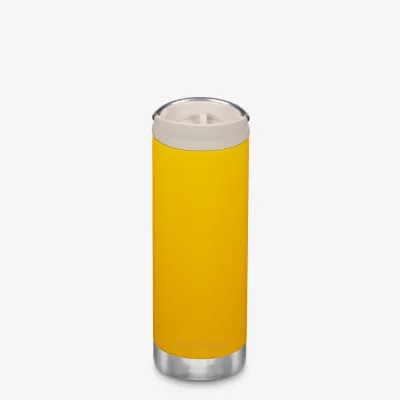
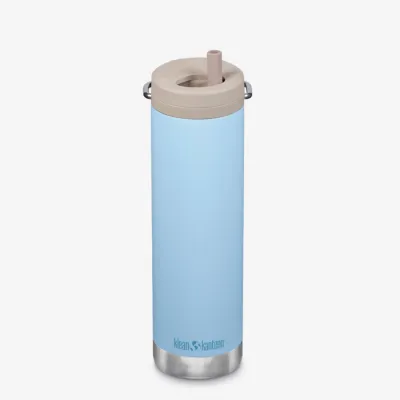
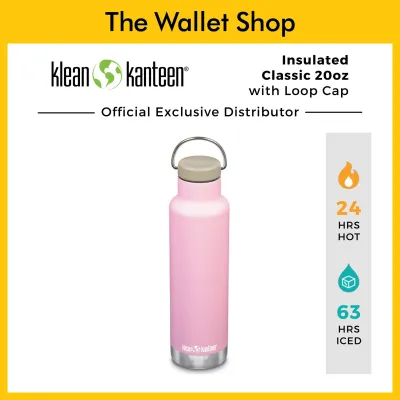
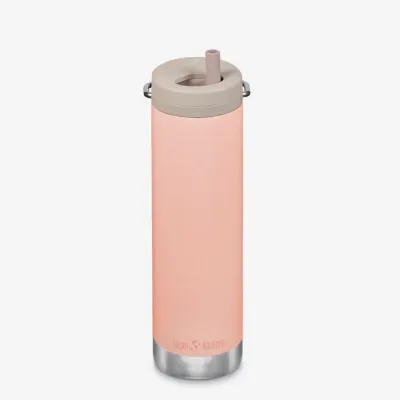
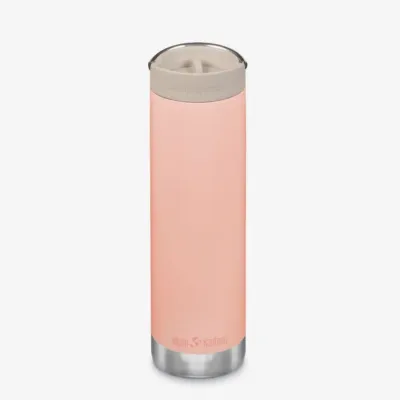
Prices are valid at publication and may change. Please refer to the product page for the latest price.
In contrast, single-wall stainless steel bottles consist of a single layer of metal. While these bottles are incredibly durable and lightweight, they offer no thermal insulation. Heat transfers almost instantly through the steel, meaning cold water will quickly reach ambient temperature, and hot liquids will make the bottle too hot to hold. Additionally, single-wall bottles will experience heavy condensation, or sweating, when filled with cold liquids in humid environments, which can make them slippery to grip during active use.
Klean Kanteen utilizes a proprietary double-wall vacuum insulation technology known as Climate Lock. Other major sports bottle brands employ similar double-wall vacuum setups under different proprietary names, such as TempShield or Honeycomb Insulation. While these marketing terms sound distinct, they all rely on the same physical principle of a vacuum barrier. The actual performance differences between these brands often come down to manufacturing tolerances, the thickness of the steel, and the quality of the vacuum seal rather than any unique scientific breakthrough.
Another critical factor that is often overlooked is the lid mechanism. Even the most advanced double-wall vacuum bottle will lose thermal efficiency if the lid is poorly insulated or prone to leaking. Screw-top lids generally offer the best thermal retention because they provide a thick, solid barrier with minimal points of air exposure. Conversely, sports lids, straw caps, and flip-caps introduce moving parts, thinner plastic materials, and silicone gaskets that allow heat to transfer more rapidly. When comparing brands, you must evaluate the lid style you plan to use, as a high-flow sports lid will naturally reduce the bottle’s overall thermal retention compared to a standard insulated loop cap.
Critical Comparison Dimensions and Specification Matrix
When evaluating insulated bottles for sports and outdoor activities, you should rely on standardized specifications rather than vague marketing claims. Manufacturers typically list thermal retention capabilities in hours, such as keeping liquids cold for up to 24 hours or hot for up to 12 hours. However, these figures are established under specific laboratory conditions that rarely match real-world usage. To make a practical comparison, you must look at the physical dimensions, weight, and lid compatibility of each model.

Weight is a major trade-off when choosing between insulated and non-insulated bottles. Double-wall vacuum bottles require twice as much steel, making them significantly heavier even when empty. For long-distance runners or hikers who monitor every gram of gear, this added weight can become a burden. On the other hand, the benefit of condensation control cannot be understated. In warm, humid climates, a sweating single-wall bottle can wet the contents of your gym bag or slip out of your hands during a workout. Double-wall bottles remain completely dry on the outside, providing a secure grip and protecting your other gear.
Impact resistance is another key consideration for active use. While stainless steel is highly durable, a hard drop onto concrete or rocks can dent the outer wall of a double-wall bottle. If the dent is deep enough to cause the inner and outer walls to touch, the vacuum barrier is compromised, and the bottle will lose its insulating properties. Single-wall bottles will also dent, but because they lack a vacuum chamber, their utility remains largely unchanged.
The following matrix outlines the key differences between Klean Kanteen’s product lines and typical competitor models to help you compare their physical attributes:
| Feature | Klean Kanteen (Double-Wall) | Klean Kanteen (Single-Wall) | Competitor Models (Double-Wall) |
|---|---|---|---|
| Stated Cold/Hot Retention | Varies by size; check official label | None (ambient temperature transfer) | Varies by size; check official label |
| Empty Weight | Higher (due to double-wall steel construction) | Lower (lightweight single-layer steel) | Higher (comparable to double-wall designs) |
| Lid Type | Compatible with loop, sport, or straw lids | Compatible with loop or sport lids | Brand-specific sports, straw, or flex lids |
| Sweat-Proof Guarantee | Yes (no external condensation) | No (will sweat with cold liquids) | Yes (no external condensation) |
Note: Exact thermal retention hours, weights, and dimensions vary by bottle capacity and must be verified directly on the manufacturer’s official product specification sheets before purchase.
Matching Insulation Performance to Your Activity
Selecting the right bottle requires matching these technical specifications to the specific demands of your sport or outdoor environment. No single bottle design is perfect for every scenario, so you must prioritize either weight savings or thermal retention based on your activity.
You should choose a lightweight single-wall bottle if your primary focus is high-intensity cardio, track running, or short hikes where you need to minimize carrying weight. In these scenarios, you are likely to consume your water quickly, making long-term cold retention unnecessary. The lighter weight of a single-wall bottle allows for easier carrying in a hand strap, running belt, or bicycle bottle cage without adding unnecessary bulk to your stride.
Conversely, you should opt for a double-wall vacuum insulated bottle if you participate in endurance sports, all-day outdoor field work, or activities in extreme weather. If you are spending hours on an outdoor sports field or hiking in hot conditions, having access to ice-cold water can help lower your core body temperature and keep you refreshed. Similarly, if you enjoy cold-weather sports or early morning outdoor training, an insulated bottle is essential for keeping hot beverages warm throughout your session.
However, there are situations where neither stainless steel option is the ideal choice. If your activity demands ultra-lightweight gear—such as ultra-marathon trail running or fastpacking—even a single-wall steel bottle may be too heavy and rigid. In these cases, you should consider specialized materials like flexible, collapsible TPU flasks or insulated hydration bladders that fit directly into a running vest. Additionally, if your sport involves extreme impacts or high-risk environments where dropping gear is common, standard stainless steel can suffer structural damage; you may need to look for bottles with protective silicone sleeves or high-impact polymer constructions.
Before heading out, you should also verify how your bottle performs when transitioning between extreme temperature zones. For example, moving from a heavily air-conditioned indoor fitness studio to a hot, humid outdoor track can cause rapid air expansion or contraction inside the bottle. This pressure differential can affect the seal of your lid, potentially causing leaks or making the cap difficult to unscrew. Regularly checking the condition of the silicone gaskets and slightly venting the lid during temperature transitions can prevent unexpected spills.
Verifying Thermal Claims and Evaluating Long-Term Value
To ensure you get the best return on your investment, you must look past bold marketing claims and evaluate the true long-term value of a sports bottle. This involves understanding how manufacturers test their products and assessing the practical features that affect daily usability.
When reading official thermal retention claims, keep in mind that these tests are conducted under highly controlled laboratory conditions. Typically, a manufacturer fills a bottle with water at a specific starting temperature (such as 0°C for cold or 95°C for hot) and places it in a room kept at a constant ambient temperature (usually around 20°C to 22°C). The bottle remains sealed for the duration of the test. In real-world sports scenarios—where you may be opening the bottle frequently under the hot sun—the actual thermal performance will be lower. You should use manufacturer hours as a relative point of comparison between models rather than an absolute guarantee of real-world performance.
You should also carefully review the warranty policies of different brands. A high-quality insulated bottle is an investment, and reputable manufacturers often provide warranties that cover manufacturing defects, including the loss of vacuum insulation. If your double-wall bottle suddenly starts sweating or fails to keep liquids cold without any visible external damage, it may indicate a failure in the vacuum seal. Knowing that a brand stands behind its insulation technology provides peace of mind and long-term value.
Finally, evaluate the overall cost-to-performance ratio in S$. Premium insulated sports bottles generally range from S$30 to S$70 depending on their capacity and included accessories. When comparing prices, consider the modularity of the system. Brands like Klean Kanteen design their bottles with interchangeable caps, allowing you to swap a leak-proof loop cap for a high-flow sports cap or a hot-beverage cafe cap. This modularity extends the life of the bottle, as you can replace a worn-out lid or adapt the bottle to a new sport without buying an entirely new container. Additionally, check for ease of cleaning; bottles with wide mouths and simple lid designs are easier to scrub, preventing the buildup of mold and bacteria over years of active use.

Community discussion
Share your experience or ask a question. Comments are reviewed before publication.