
Without independent, controlled thermal testing data, it is impossible to definitively declare whether a Klean Kanteen bottle, Hydro Flask, or CamelBak keeps drinks the absolute coldest during workouts. The true thermal performance of any insulated sports bottle depends on matching specific manufacturer specifications—such as vacuum insulation thickness, volume-to-surface-area ratio, and lid design—to your exact exercise routine. In Singapore’s hot and humid tropical climate, choosing the right hydration gear requires looking past marketing claims and evaluating how these physical design elements perform under real-world conditions.
To find the ideal bottle for your workouts, you must assess how each brand constructs its insulation barrier and how their physical features align with your sport. Whether you are cycling along the East Coast Park, lifting weights in an air-conditioned gym, or trail running through MacRitchie Reservoir, your bottle’s usability is just as critical as its temperature retention. This guide provides a structured framework to help you verify these specifications and select the optimal insulated sports bottle for your active lifestyle.
Evaluating Insulation Performance: What the Specs Actually Mean
To understand how an insulated bottle keeps your water cold, you must first verify its core construction. High-quality sports bottles utilize double-wall vacuum insulation, typically made from 18/8 food-grade stainless steel. This design features an inner and outer wall with the air evacuated from the space between them, creating a vacuum. Because a vacuum contains no air molecules, it prevents heat transfer via conduction and convection, keeping external heat from warming your cold beverage. When shopping, always check the product specifications to confirm the use of high-grade stainless steel, which resists rust and retains its structural integrity over years of use.
Products mentioned in this guide
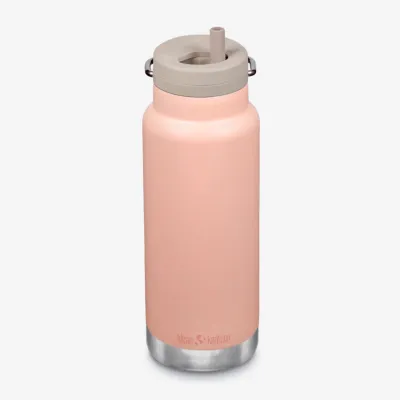
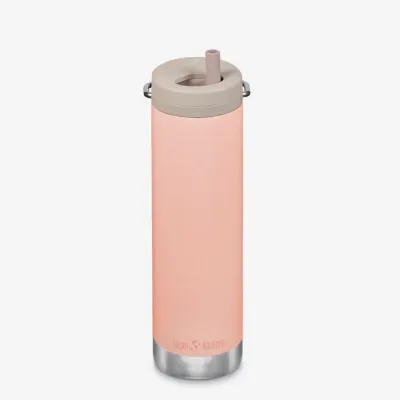
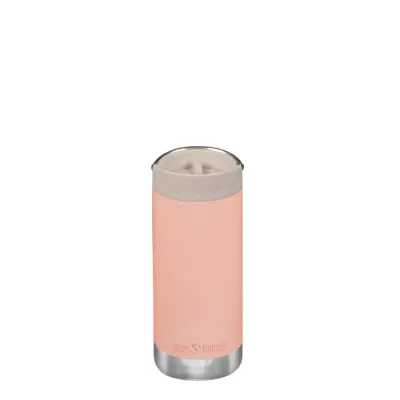
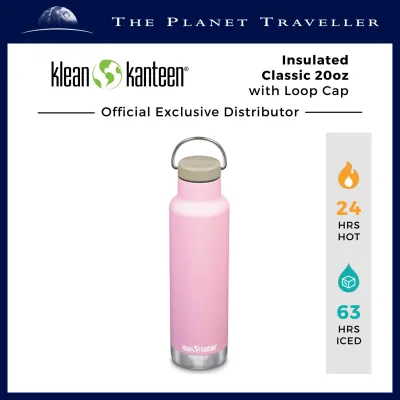
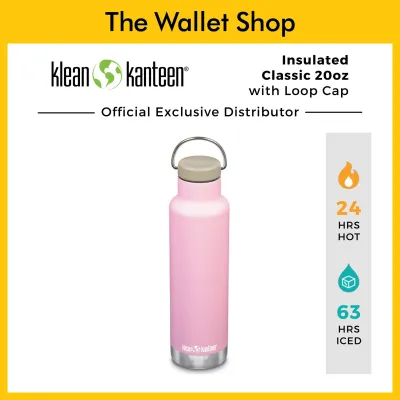
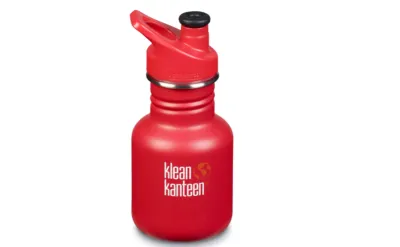
Prices are valid at publication and may change. Please refer to the product page for the latest price.
The physical dimensions of the bottle also play a significant role in thermal retention. A bottle’s surface-area-to-volume ratio dictates how quickly heat can penetrate the liquid inside. Larger capacity bottles naturally hold their temperature longer than smaller bottles because they have a smaller surface area relative to the volume of liquid. If your workouts extend past an hour in the outdoor heat, opting for a larger volume can help maintain cold temperatures simply through thermal mass.
Lid design is another critical factor that is often overlooked. While the stainless steel body of the bottle is highly insulated, the lid is typically made of plastic or silicone, making it the primary point of thermal leakage. Wide-mouth bottles allow you to easily add large ice cubes, which helps lower the initial temperature of your drink. However, wide lids also present a larger surface area for heat exchange every time you open the bottle. In contrast, narrow-mouth designs or bottles with integrated straw lids limit the exposure of the liquid to the warm outside air, preserving the internal temperature during quick sips.
Finally, you must assess how the bottle handles external condensation, especially in high-humidity environments. In Singapore, the high moisture content in the air can cause rapid condensation on poorly insulated bottles, leading to a slippery exterior that is difficult to hold during a workout. High-quality double-wall vacuum bottles prevent condensation entirely, keeping the outer wall dry. Verifying that a bottle features a sweat-free exterior ensures you can maintain a secure grip during high-intensity training sessions without needing a silicone sleeve.
Sports Usability: Matching the Bottle to Your Workout
Selecting the right bottle goes beyond thermal specs; it must seamlessly integrate into your physical activity. The lid mechanism is the most important usability feature to consider. For runners, cyclists, and cardio enthusiasts, straw lids or bite valves are highly practical because they allow you to drink while keeping your head upright and your eyes on the path ahead. Conversely, if your routine involves throwing your bottle into a gym bag or commuting on public transport, a secure screw cap or a locking chug lid is preferable to prevent accidental leaks and spills.

One-handed operation is another essential factor for active users. During a fast-paced workout, you do not want to stop and use both hands to unscrew a cap. Many sports bottles feature push-button lids, flip-top straws, or magnetic caps that can be operated with a single hand. When evaluating these mechanisms, check for integrated locking loops or physical latches that secure the lid when not in use. A reliable lock ensures that even if the bottle is jostled inside a bag, the drinking interface remains clean and leak-free.
The exterior finish of the bottle directly impacts its durability and grip. Many premium brands apply a specialized powder coating to the outer stainless steel wall. This textured finish provides a non-slip surface that is easy to hold even when your hands are sweaty. It also protects the metal from scratches, dents, and cosmetic damage when dropped on gym floors or outdoor trails. If you participate in rugged outdoor sports, verify the durability of the exterior coating and look for bottles with reinforced base boots to absorb impacts.
Lastly, consider the weight penalty of carrying an insulated bottle. Double-wall stainless steel is significantly heavier than single-wall plastic or aluminum. When fully loaded with water and ice, a large insulated bottle can add substantial weight to your gear. For high-mobility sports like trail running or long-distance hiking, you must weigh the benefits of ice-cold water against the physical effort of carrying the extra load. In these scenarios, a mid-sized bottle or one designed with a streamlined, lightweight profile may offer the best balance of temperature control and portability.
Feature Verification Checklist: Klean Kanteen vs. Competitors
To help you compare these brands, use the following verification framework to evaluate their physical specifications and design features before making a purchase.
| Feature | Klean Kanteen (TKWide / Active) | Hydro Flask (Standard / Wide Mouth) | CamelBak (Chute Mag / Eddy+) |
|---|---|---|---|
| Insulation Type | Double-wall vacuum | Double-wall vacuum | Double-wall vacuum |
| Primary Material | 18/8 Stainless Steel | 18/8 Stainless Steel | 18/8 Stainless Steel |
| Lid Compatibility | Modular TK Closure (internal threads) | Standard Wide/Standard Mouth lids | Brand-specific sports/chug lids |
| Dishwasher Safety | Verify by finish (most Klean Coat safe) | Verify by model (most modern safe) | Verify by model (lids top-rack safe) |
| Common Capacities | 355ml to 1900ml | 532ml to 1182ml | 600ml to 1200ml |
When comparing these options at local retailers or online marketplaces, check the current retail prices in S$ and compare them against the manufacturer’s warranty terms. A longer warranty often indicates higher manufacturing standards and better long-term durability. Additionally, pay close attention to the brand’s lid ecosystem. For example, Klean Kanteen’s TKWide system uses an internal thread design that increases thermal efficiency, while Hydro Flask offers a highly standardized external thread system that is compatible with many third-party accessories.
Do not overlook the cleaning requirements of your chosen bottle. Sports lids with complex straw mechanisms, bite valves, or multi-part gaskets require regular, thorough cleaning to prevent mold and bacteria buildup. Before buying, check how easily the lid can be disassembled. Some brands design their lids to be completely dishwasher safe, while others require hand washing with specialized brushes to reach tight crevices. Choosing a bottle with a straightforward cleaning process will save you time and ensure your drinking water remains fresh and hygienic.
How to Decide: Conditional Recommendations for Active Users
Your final choice should align with your primary workout style and personal preferences. Choose a Klean Kanteen bottle if you prioritize modularity, eco-friendly material finishes, and highly efficient thermal lids. Their TKWide series is excellent for users who want to swap between a leak-proof loop cap for transit and a quick-sip straw cap for the gym. The chip-resistant Klean Coat finish is also ideal if you want a bottle that maintains its aesthetic appeal through years of daily use and outdoor adventures.
Choose Hydro Flask if you prefer a classic, highly customizable design with a reliable powder coat grip. Their wide-mouth bottles are perfect for those who like to pack their drinks with large ice cubes before a heavy lifting session or outdoor workout. The extensive range of compatible accessories, silicone boots, and vibrant color options makes it easy to tailor the bottle to your specific style and protection needs.
Choose CamelBak if your workouts demand hands-free convenience, high-flow hydration, or integrated carry options. Their Eddy+ series with the bite-and-sip valve is highly favored by cyclists and runners who need to hydrate quickly without tilting the bottle. Additionally, their Chute Mag series offers a high-flow magnetic cap that stays out of your face while drinking, making it an excellent choice for fast-paced outdoor cardio.
Before finalizing your purchase, verify the availability of replacement parts and alternative lids in your local market. Having easy access to replacement gaskets, straws, and caps ensures that you can extend the lifespan of your bottle without needing to buy an entirely new unit if a single component wears out.
Frequently Asked Questions (FAQ)
Can I put hot drinks in these insulated sports bottles?
Yes, double-wall vacuum insulation is highly effective at keeping drinks hot, but you must exercise caution when using sports-specific lids. Sealed sports lids, straw caps, and bite valves are not designed for hot liquids because steam can cause pressure to build up inside the bottle. This pressure can lead to hot liquid spraying out unexpectedly when you open the valve, posing a burn hazard. If you plan to carry hot coffee or tea, always check the manufacturer’s temperature guidelines and switch to a dedicated hot-liquid lid, such as a screw-on loop cap or a café cap designed to vent steam safely.
How do I clean the straw and bite valve to prevent mold?
To prevent mold and bacteria buildup in humid climates, you should clean your sports lids after every use. Begin by completely disassembling the lid, removing the straw, silicone bite valve, and any removable rubber gaskets. Soak these components in warm water mixed with mild dish soap for a few minutes. Use a narrow straw cleaning brush to scrub the inside of the straw and the small crevices of the bite valve. Rinse all parts thoroughly with clean water and lay them out in a well-ventilated area to dry completely before reassembling, as trapping moisture inside the lid can encourage mold growth.
Community discussion
Share your experience or ask a question. Comments are reviewed before publication.