
Evaluating whether a LARQ water bottle or a traditional sports water bottle keeps your drinks colder during a workout requires looking closely at structural design rather than relying on broad brand claims. Without access to standardized, side-by-side laboratory testing data, it is impossible to declare a single absolute winner for cold retention. However, by comparing core structural specifications—such as double-wall vacuum insulation, lid sealing mechanisms, and capacity-to-surface-area ratios—readers can accurately evaluate how LARQ and other mainstream sports bottles perform across different workout environments.
Understanding Insulation in Sports Water Bottles
To understand how any sports water bottle maintains temperature, it helps to look at the physics of thermal transfer. Heat moves from warmer areas to cooler areas through three primary methods: conduction, convection, and radiation. In a standard single-wall bottle, heat from the surrounding air or your hand conducts directly through the metal or plastic container, rapidly warming the liquid inside.
Double-wall vacuum insulation solves this by placing one metal flask inside another, with a vacuum gap sealed between them. Because a vacuum contains virtually no air molecules, it prevents heat transfer via conduction and convection. This leaves radiation as the only remaining pathway for heat transfer, which manufacturers often minimize by applying reflective coatings to the inner steel walls.
Products mentioned in this guide
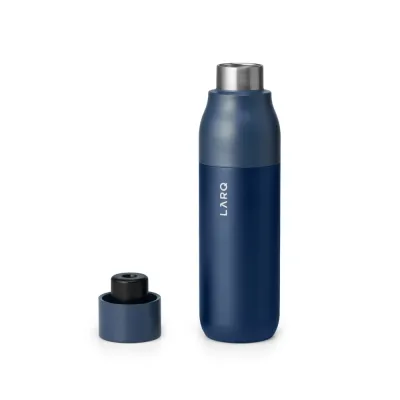
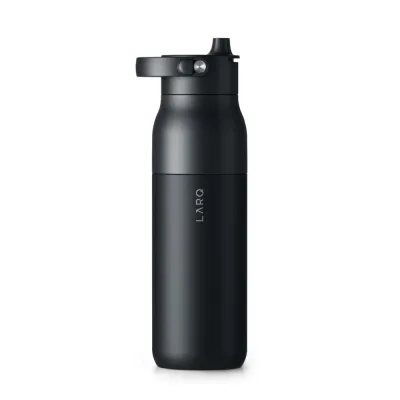
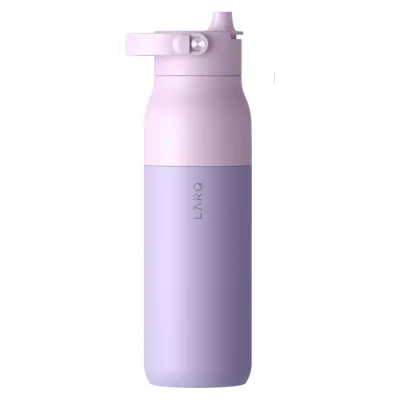
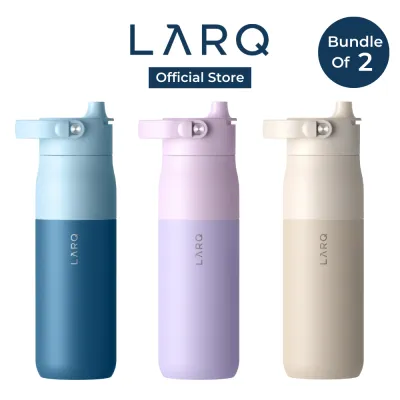
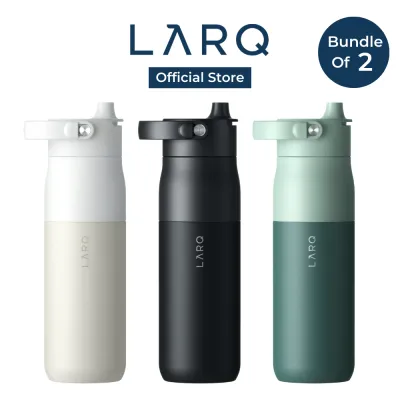
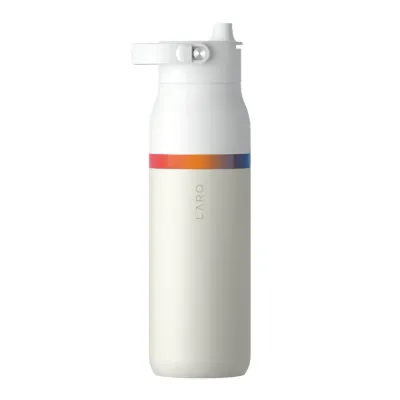
Prices are valid at publication and may change. Please refer to the product page for the latest price.
While the body of an insulated bottle is highly effective at blocking heat, the lid is often the weakest link in the thermal barrier. Lids are typically made of plastic or silicone, which conduct heat more readily than a vacuum gap. Furthermore, the interface where the lid screws onto the bottle neck creates a physical connection—known as a thermal bridge—where heat can bypass the vacuum insulation.
The design of the lid plays a major role in how much heat enters the bottle. A solid, insulated screw cap with a thick silicone gasket provides the most secure seal against convective heat exchange. In contrast, sports lids with built-in straws, flip-up spouts, or push-button valves introduce moving parts and air vents. While these features make it easier to drink while running or cycling, they also allow small amounts of ambient air to enter, which can accelerate the warming of your beverage.
Finally, the physical dimensions of the bottle affect its thermal efficiency. The capacity-to-surface-area ratio dictates how quickly heat can penetrate the liquid volume. A larger bottle, such as a 950-milliliter container, has a lower surface-area-to-volume ratio compared to a 500-milliliter bottle. This means that a larger volume of cold water has relatively less surface area exposed to external heat, allowing it to stay cold longer under identical environmental conditions, assuming the lid design is the same.
LARQ Water Bottle: Design and Thermal Capabilities
When evaluating LARQ water bottles, it is essential to distinguish between their insulated and non-insulated product lines. LARQ offers several models, including double-wall vacuum-insulated bottles and lightweight, single-wall variants. If your primary goal is keeping drinks cold during workouts, you must verify the product specifications on the label before purchasing. A single-wall model, though lighter to carry, does not feature vacuum insulation and will not prevent your water from warming up.

For the insulated LARQ models, the thermal performance is built around a double-wall stainless steel construction. What sets these bottles apart is the integration of a proprietary UV-C LED purification system built directly into the cap. This electronic cap requires a battery and internal circuitry, which means it is not filled with solid insulating foam like some traditional thermal caps.
This electronic design introduces a unique consideration for thermal bridging. Because the cap contains metal components and electronic pathways, it can conduct heat slightly more than a solid, non-electronic insulated cap. However, the primary factor in preventing heat exchange remains the physical silicone gasket that seals the neck of the bottle. When the cap is screwed down tightly, this gasket minimizes convective heat transfer, keeping the internal environment isolated from external air.
To determine the exact thermal capabilities of a specific LARQ model, readers should consult the manufacturer’s official product documentation. The brand typically specifies cold-retention capabilities for its insulated models under controlled conditions. Keep in mind that these ratings assume the bottle remains closed; frequently opening the cap to drink or activate the purification cycle will introduce ambient air and reduce the overall duration of cold retention.
How Other Popular Sports Bottles Handle Insulation
Traditional sports water bottles designed for outdoor and athletic use rely on a highly standardized manufacturing process for double-wall vacuum insulation. Most reputable brands construct their flasks using food-grade 18/8 stainless steel, which is durable, rust-resistant, and does not retain flavors. Because the vacuum insulation technology itself is mature and widely adopted, the raw thermal performance of the bottle body is remarkably consistent across different major brands.
The primary differences in thermal retention among traditional sports bottles lie in their mouth width and lid configurations. Wide-mouth bottles are highly popular among athletes because they allow you to easily drop in large ice cubes. Adding ice directly lowers the starting temperature of the water, which significantly extends the time the beverage remains cold. However, wide-mouth bottles require larger lids, which increases the surface area vulnerable to heat transfer through the non-vacuum-insulated cap.
Conversely, narrow-mouth sports bottles have a smaller opening, which minimizes the surface area of the lid and reduces heat exchange. The trade-off is that these bottles are much harder to fill with ice cubes and can be more difficult to clean after workouts. Many sports brands offer specialized insulated lids, which feature internal foam or double-wall structures to help mitigate the heat transfer that naturally occurs through the plastic cap.
When comparing alternative sports bottles, it is important to verify specific manufacturer claims rather than relying on brand popularity. Look for detailed specifications regarding cold retention, and check whether those ratings are based on using ice or simply starting with cold water. Additionally, inspect the quality of the lid gaskets, as a loose or thin silicone seal will allow cold air to escape and warm air to enter, regardless of how well-insulated the steel body is.
Matching Insulation to Your Workout Environment
Environmental factors, ambient temperatures, and the duration of your physical activity dictate the level of thermal performance you actually need from a sports bottle.
Short and High-Intensity Indoor Sessions
For a typical 45-to-60-minute workout in an air-conditioned indoor gym, fitness studio, or climbing gym, extreme thermal insulation is rarely a necessity. In these controlled environments, the ambient temperature is kept relatively low, meaning the rate of heat transfer is slow. A basic double-wall insulated bottle, or even a lightweight single-wall bottle, is usually more than adequate to keep your water cool enough for the duration of your exercise.
In these indoor settings, convenience and usability often take priority over maximum cold retention. Features such as a leak-proof sports spout, a quick-access straw lid, or a lightweight design that fits easily into treadmill cup holders are often more valuable to your routine. You do not need a heavy, high-capacity thermal flask if you have easy access to a water cooler to refill your bottle with chilled water mid-workout.
Long-Duration Outdoor Endurance Activities
For extended outdoor exercises, such as long-distance running, cycling, or hiking in hot and humid climates like Singapore, premium double-wall vacuum insulation becomes essential. High ambient temperatures, often exceeding 30°C, combined with intense humidity, accelerate the rate of heat transfer, quickly warming uninsulated beverages.
Direct sunlight hitting a metal bottle can rapidly heat the exterior shell. A high-quality vacuum seal prevents this external heat from reaching the liquid inside. Additionally, in high-humidity environments, single-wall bottles will sweat profusely, creating heavy condensation that can make the bottle slippery and difficult to grip during active use, whereas a properly insulated double-wall bottle remains dry on the outside.
Decision Framework: Which Bottle Fits Your Routine?
Choosing the right bottle depends on balancing your hydration habits, workout environments, and technical preferences.
Choose an insulated LARQ model if you prioritize integrated water purification alongside reliable insulation for your daily workouts. If you frequently fill your bottle from public taps, gym water coolers, or outdoor sources and want the added reassurance of UV-C sanitization, this design is highly suitable. Always verify that you are purchasing an insulated model rather than a lightweight single-wall version, and ensure the electronic cap is kept charged to maintain its purification functions.
Choose traditional insulated sports brands if your primary, non-negotiable requirement is maximum ice retention for long outdoor endurance events, and you prefer simple, non-electronic utility. Traditional sports bottles often offer a wider variety of specialized lid options (such as heavy-duty straw lids or high-flow sports caps) that are easily replaceable and do not require charging. They are also highly practical if you plan to subject the bottle to rough outdoor environments where electronic components might be at risk of impact damage.
Verify first if you are comparing specific capacities or lid configurations. Thermal performance drops significantly if the manufacturer’s seal is compromised, if the gasket is worn out, or if you use a lid that is not fully compatible with the bottle body. Always inspect the silicone seals regularly and clean them according to the manufacturer’s instructions to maintain optimal thermal performance.
Frequently Asked Questions (FAQ)
Does the LARQ UV-C cap affect insulation performance?
The LARQ UV-C cap contains electronic components and a battery, which means it does not have the same solid foam insulation found in some dedicated thermal caps. However, its impact on overall cold retention is generally minimal compared to the quality of the physical seal. The silicone gasket on the cap is the primary barrier preventing warm air from entering the bottle. To maintain this seal, inspect the gasket regularly for debris or wear, and follow the manufacturer’s cleaning guidelines to ensure a tight, leak-proof fit.
Are single-wall LARQ bottles suitable for cold workouts?
Single-wall LARQ bottles are designed for lightweight portability rather than temperature retention. Because they lack a vacuum gap between two layers of steel, they cannot prevent heat transfer from the surrounding environment. If you fill a single-wall bottle with cold water, it will quickly warm up to room temperature, especially during outdoor workouts. Additionally, condensation will form on the exterior of the bottle in humid conditions, which can affect your grip. They are best suited for short indoor workouts where lightweight carrying is more important than keeping drinks cold for hours.

Community discussion
Share your experience or ask a question. Comments are reviewed before publication.