
Working out in a Housing & Development Board (HDB) flat requires a smart approach to space management. When floor space is at a premium and storage is limited, bulky gym equipment like dumbbells, barbells, or kettlebells can quickly clutter your living area. Leg weights offer an exceptionally compact, versatile alternative for adding resistance to your lower-body workouts, Pilates sessions, or bodyweight routines without taking up valuable real estate. The ideal leg weights for an HDB home workout are those that maximize adjustability, feature a low-profile design for easy storage, and utilize breathable materials suited for a warm, humid climate.
By selecting gear that serves multiple resistance levels in a single pair, you can progress your fitness journey while keeping your living space completely clutter-free. This guide outlines the essential features to look for, how to match different weight types to your specific routine, and how to exercise safely while protecting your floors and maintaining good relations with your downstairs neighbors.
Key Features to Look for in Space-Saving Leg Weights
When space is limited, every piece of fitness equipment must earn its place in your home. The most critical feature for any HDB-friendly leg weight is adjustability. Instead of purchasing multiple pairs of fixed-weight straps as your strength improves, investing in a single adjustable pair is highly efficient. These models typically feature a sleeve design with individual pockets where you can add or remove small weight packets, which are usually filled with sand or metal iron sand. This design allows you to implement progressive overload—gradually increasing the resistance over time—without accumulating a pile of unused, single-weight straps that clutter your closets.
Products mentioned in this guide
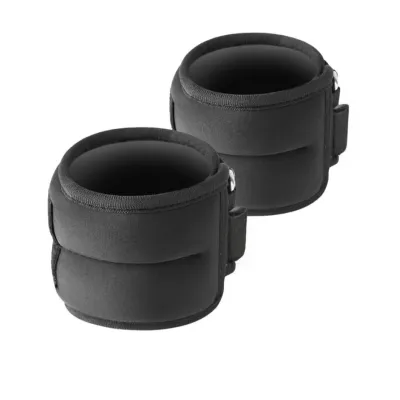
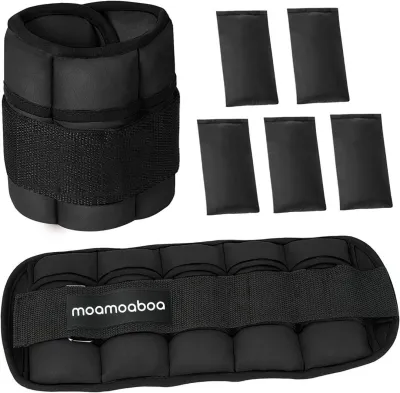
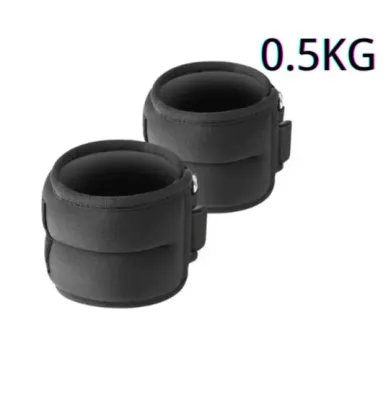
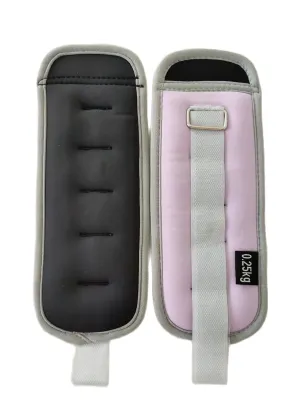
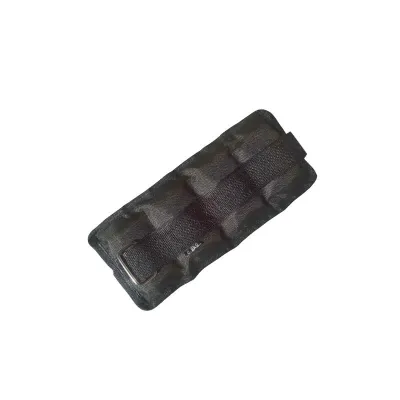
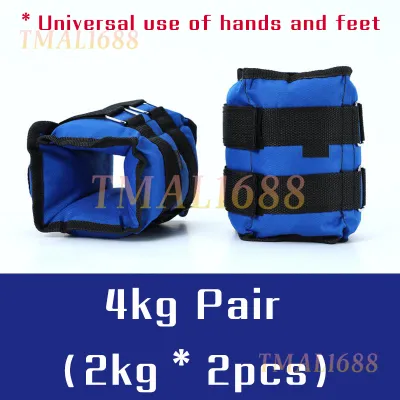
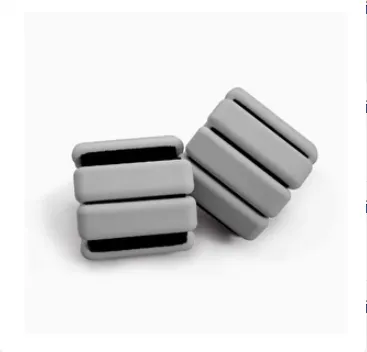
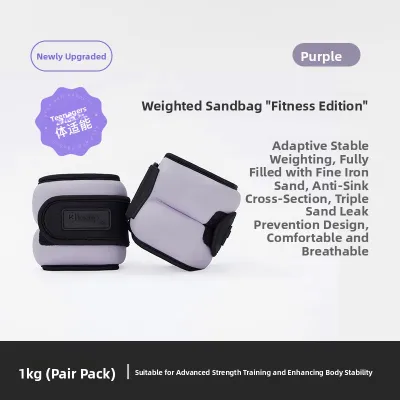
Prices are valid at publication and may change. Please refer to the product page for the latest price.
Strap security and material breathability are equally vital, especially when exercising in Singapore’s tropical climate. High humidity levels mean you will sweat quickly during indoor workouts. If the leg weights are made from cheap, non-breathable synthetic fabrics, they will trap heat and moisture against your skin, leading to slipping, chafing, or skin irritation. Look for weights lined with moisture-wicking fabrics, perforated neoprene, or breathable mesh. The fastening system must also be robust; wide, heavy-duty hook-and-loop straps distribute pressure more evenly around your ankle or calf, preventing localized pinching and ensuring the weights remain securely in place during dynamic movements.
Finally, consider the physical profile and storage flexibility of the weights. A bulky pair of weights can restrict your range of motion and make storage difficult. Slimmer, low-profile designs can easily be tucked away into a small storage bin, a shoe cabinet, or a shallow drawer under your bed. Some models even come with dedicated carrying pouches or compact storage cases, making it simple to keep them organized and out of sight when your workout is complete.
Matching Leg Weight Types to Your Indoor Workout Routine
Selecting the right style of leg weight depends heavily on your preferred exercise habits and the physical layout of your workout space. Traditional ankle weights are the most common choice and are highly effective for lower-body isolation exercises. If your routine consists of floor-based movements like donkey kicks, leg raises, fire hydrants, or standing hamstring curls, ankle weights provide direct resistance at the end of the lever arm, maximizing muscle activation in the glutes and hamstrings. Because these exercises require very little floor space, they are perfect for tight living rooms or study corners.

For individuals who find traditional ankle straps uncomfortable or suffer from pre-existing joint sensitivities, weighted shorts or compression gear offer an excellent alternative. These garments feature integrated pockets along the thighs or hips to hold small weight inserts. By distributing the added weight closer to your body’s center of gravity, weighted shorts reduce the rotational torque on your knee and ankle joints. This makes them highly suitable for more dynamic, multi-directional movements like lunges, step-ups, or light cardio drills, allowing you to increase your workout intensity without putting excessive strain on your lower joints.
When comparing weight materials, you will generally choose between sand-filled and metal-insert designs. Sand-filled weights are soft, pliable, and conform easily to the contours of your ankles, making them highly comfortable for beginners. However, because sand has a lower density than metal, these weights are inherently bulkier and require more physical volume to achieve the same weight. Metal-insert designs utilize solid steel or iron rods that slide into narrow slots. These are incredibly slim and compact, allowing for a much lower profile during exercise and taking up far less storage space. While they are more rigid, they offer superior space efficiency and are easier to clean.
Safety, Flooring, and Joint Considerations
While leg weights are an excellent tool for enhancing muscle tone and endurance, they must be used with care to prevent injury and protect your living environment. Always consult the manufacturer’s guidelines regarding maximum continuous wear time and approved exercise types. Leg weights are generally designed for slow, controlled resistance training rather than high-impact plyometrics, running, or jumping. Using them for high-impact activities can place excessive stress on your joints and connective tissues, as the added weight at the end of your limbs amplifies the impact forces traveling up your legs.
It is crucial to monitor your body for signs of joint stress or altered gait. Adding weight to your ankles changes your natural biomechanics, which can cause your body to compensate by overworking certain muscle groups or altering your walking pattern. If you experience aching in your knees, hips, or lower back, or if you find yourself swinging your legs unnaturally to complete a movement, it is a clear sign to reduce the weight or remove the straps entirely. Equipment should support your fitness goals, not compromise your joint health or movement quality.
Living in an HDB flat also means being mindful of your neighbors downstairs. Dropping weights on bare tiles or vinyl flooring can create loud, disruptive vibrations, and repetitive footfalls with added weight can amplify the noise. To maintain a peaceful living environment and protect your home’s flooring from scuffs and scratches, always perform your workouts on a high-density exercise mat. A thick rubber or PVC mat will absorb impact, dampen sound, and provide a stable, non-slip surface for your exercises.
Evaluation Checklist for Purchasing Leg Weights Online
When shopping for leg weights on online marketplaces or ecommerce platforms, you cannot physically try them on or feel the materials. To ensure you make a smart purchase that fits your space and fitness needs, use this practical evaluation checklist before adding an item to your cart:
- Verify Exact Dimensions and Strap Lengths: Do not rely solely on marketing images, which can often make products look smaller or larger than they are. Check the product specifications for the actual length, width, and thickness of the straps. Measure your ankle or calf circumference to ensure the strap is long enough to wrap around securely with sufficient hook-and-loop overlap.
- Check Weight Distribution: Look for product descriptions or diagrams that show how the weight is distributed. Well-designed adjustable weights distribute the load evenly around the entire circumference of the strap, rather than concentrating it in one bulky lump, which can cause the strap to twist or slide during movement.
- Review Return Policies and Warranties: Because fit and comfort are highly subjective, ensure the online retailer offers a clear, hassle-free return or exchange policy. This protects you if the material turns out to be too abrasive for your skin or if the weight distribution feels unbalanced.
- Analyze User Reviews for Durability and Odor: Scroll through customer reviews and search specifically for keywords like "slipping," "stitching," "leaking," or "smell." Reviews from buyers living in warm, humid climates are particularly valuable, as they will give you an honest assessment of how well the fabric resists odor retention and whether the stitching can withstand regular exposure to sweat.
Frequently Asked Questions (FAQ)
Can I wear leg weights all day while doing household chores?
Wearing leg weights continuously while performing daily household chores is generally not recommended. Doing so can alter your natural walking biomechanics, placing repetitive, unnatural stress on your hip flexors, knees, and lower back. Over time, this can lead to muscle imbalances, joint strain, and overuse injuries. To ensure safe and effective use, it is best to limit your use of leg weights to dedicated, controlled workout sessions, adhering strictly to the manufacturer’s recommended usage times.
How do I clean and store leg weights to prevent odor and degradation?
In a humid climate, sweat-soaked fitness gear can quickly develop mold, mildew, and unpleasant odors. After every workout, wipe down your leg weights with a damp cloth and a mild, diluted detergent. If your weights have removable inserts, take them out before cleaning the fabric sleeves. Always air-dry the straps completely in a well-ventilated indoor area away from direct sunlight, as extreme heat and UV rays can degrade the elastic fibers and weaken the hook-and-loop fasteners. Once fully dry, store them in a cool, dry cabinet, ideally with a silica gel packet to absorb any residual moisture.
Are adjustable leg weights better than fixed-weight pairs for beginners?
Adjustable leg weights are highly recommended for beginners because they offer superior long-term value and versatility. As a beginner, you should start with very light resistance to master proper exercise form without straining your joints. An adjustable pair allows you to start at a low weight and gradually add increments as your strength and endurance improve. While fixed-weight pairs are often less bulky and simpler to put on, they lack this adaptability, meaning you would eventually need to purchase additional pairs as you progress, taking up more storage space and costing more in the long run.
Community discussion
Share your experience or ask a question. Comments are reviewed before publication.