
Finding a bottle bag holder that fits your insulated sports bottle perfectly requires looking beyond simple volume labels. To ensure the holder is neither too loose nor too tight, you must verify your bottle’s exact physical diameter and height—including any protective boots or specialized lids—and cross-reference these measurements with the bag holder manufacturer’s stated internal dimensions or specific compatibility lists.
In Singapore’s warm and humid climate, staying hydrated during outdoor activities like trekking through Bukit Timah Nature Reserve or cycling along the East Coast Park is essential. Many active individuals rely on double-walled vacuum-insulated bottles to keep their drinks cold for hours. However, carrying these heavy, bulky bottles hands-free requires a reliable bottle bag holder that matches the bottle’s physical footprint. Selecting the wrong size can lead to your bottle slipping out on the trail or straining the holder’s seams to the point of tearing.
Why Volume Labels Do Not Guarantee a Secure Fit
Relying solely on liquid volume capacity—such as 18 ounces, 32 ounces, or 1 liter—frequently leads to poor fit decisions. Volume measurements only tell you how much liquid the bottle holds internally; they do not represent the external physical dimensions of the container. Because insulated bottles feature a double-wall stainless steel construction with an integrated vacuum gap, their outer walls are significantly thicker and wider than single-walled plastic or aluminum bottles of the exact same capacity.
Products mentioned in this guide
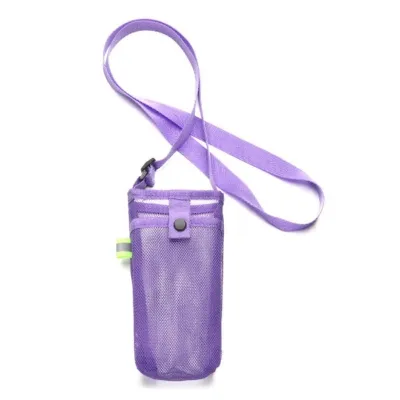
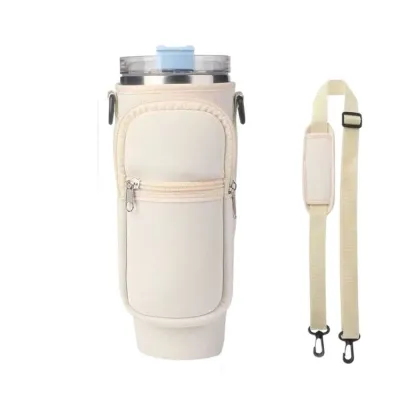
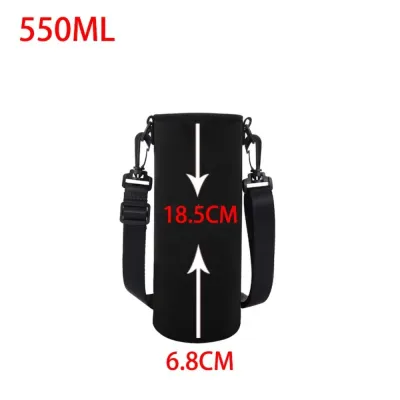
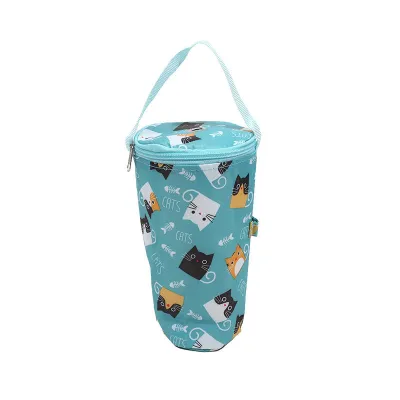
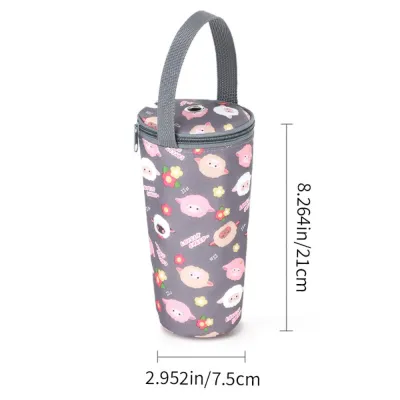
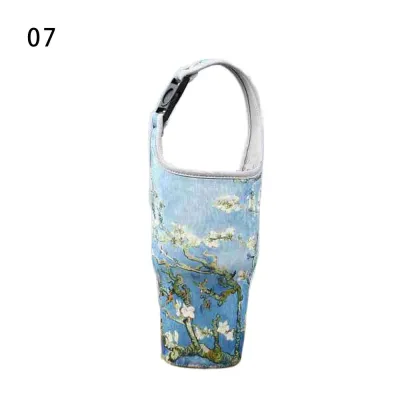
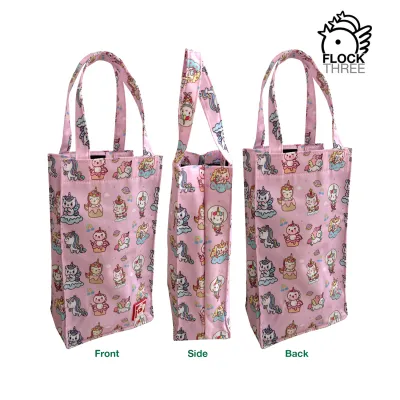
Prices are valid at publication and may change. Please refer to the product page for the latest price.
Furthermore, different brands design their bottles with distinct aspect ratios to suit various user preferences. Some manufacturers favor a tall, slender silhouette that fits easily into standard bicycle cages, while others design short, wide bottles with a lower center of gravity to prevent tipping on uneven ground. A bottle bag holder designed specifically for a tall, narrow 32-ounce bottle will be far too tight for a short, wide 32-ounce bottle, even though both containers hold the same amount of water.
Using a poorly matched holder introduces practical risks during outdoor excursions. If the holder is too loose, the bottle can shift, tilt, or slide out entirely when you bend over to tie your shoes or navigate a steep trail, risking damage to the bottle’s vacuum seal. Conversely, forcing a bottle into an overly tight holder strains the zippers, seams, and fabric, leading to premature wear and making it incredibly frustrating to slide the bottle out when you need a quick drink.
How to Find Your Bottle’s Exact Dimensions
To avoid the hassle of returns, take precise measurements of your bottle before shopping for a holder. Start by checking the bottle manufacturer’s official specifications page. Most reputable sports bottle brands list the exact outer diameter and total height of each model in their product documentation, which provides a reliable baseline for your search.

If you have customized your bottle with aftermarket accessories, manual measurement is necessary. Many active users in Singapore use silicone protective boots on the base of their bottles to prevent dents and reduce noise when placing them on hard surfaces. These boots add one to three millimeters of thickness to the base. Use a flexible measuring tape or a caliper to measure the widest part of the bottle with the boot installed to ensure the holder can accommodate the extra width.
Height is equally critical, especially if the holder features a zippered top or a fixed-height sleeve. Measure the total height from the base to the absolute highest point of the lid. Keep in mind that different lid configurations—such as straw lids, carry loops, sports caps, or heavy-duty paracord handles—can add several centimeters to the bottle’s overall height compared to a standard flat screw cap. Always measure the bottle with the specific lid you plan to use during your activities.
Key Adjustability Features to Look for in a Holder
When shopping for a bottle bag holder, look for structural features that accommodate slight variations in bottle shapes and sizes. Elasticated side panels or flexible neoprene materials are excellent for providing a snug, conforming fit. Neoprene naturally stretches to accommodate minor diameter differences while maintaining a secure grip on the bottle’s surface, preventing it from rattling while you walk.
For non-stretch materials like heavy-duty canvas, nylon, or polyester, look for adjustable top closures. A robust drawstring with a spring-loaded cord lock allows you to cinch the top of the holder tightly around the neck of the bottle. This feature prevents the bottle from slipping out even if the main body of the holder is slightly wider than the bottle itself, making it a highly versatile option for varying bottle sizes.
Pay close attention to the carrying method, base construction, and load-bearing elements. Insulated bottles filled with water are heavy, often weighing over a kilogram, which puts significant stress on the holder. Look for secure base padding to absorb impacts and reinforced stitching along the bottom seams to prevent sagging. If you choose a rigid, zippered enclosure, verify the quality of the zipper and the surrounding seam reinforcement, as these areas experience the most tension during daily use.
Additionally, match the holder’s carrying system to your specific activity. For long walks or day hikes, an adjustable, padded shoulder strap helps distribute weight comfortably across your body. If you plan to attach the holder to a larger backpack, look for integrated MOLLE webbing, heavy-duty carabiner clips, or sturdy belt loops. Given Singapore’s frequent tropical rain showers, selecting a holder made from quick-drying neoprene or water-resistant nylon will prevent the fabric from holding moisture and developing musty odors.
Matching Common Bottle Profiles to Holder Styles
To achieve the best fit, match your bottle’s specific profile to a compatible holder style. Standard cylindrical bottles with a uniform diameter from top to bottom are highly versatile. They pair exceptionally well with form-fitting neoprene sleeves, minimalist sling bags, or zippered utility pouches that specify exact diameter ranges. These holders keep the bottle close to your body, minimizing bounce during active movement.
If your bottle features a wide base or a thick protective silicone boot, avoid narrow, rigid sleeves. Instead, look for holders with gusseted bottoms, expandable side pockets, or open-base strap designs. These styles allow the wider base to sit securely without getting wedged or stuck when you try to remove the bottle. An open-base design is particularly useful because it allows the silicone boot to pass through without friction while still supporting the bottle’s weight.
Bottles equipped with large paracord handles, bulky straw lids, or integrated carabiner loops require extra clearance at the top. For these configurations, select a holder with a wide top opening or a low-profile collar that stops below the bottle’s shoulder. This design ensures that the lid hardware remains fully accessible and does not interfere with the holder’s closure mechanism or strap attachments, allowing you to drink easily without removing the bottle from the bag.
Pre-Purchase Fit Verification Checklist
Before finalizing your purchase, run through a quick verification checklist to ensure a seamless fit. First, compare your measured bottle diameter against the holder’s stated internal width. If the holder’s internal diameter is smaller than your bottle’s widest point, it will not fit; if it is more than ten millimeters wider, the bottle may wobble excessively unless secured by a tight drawstring.
Next, verify that the holder’s maximum internal height or pocket depth is sufficient. For open-top holders, the sleeve should cover at least two-thirds of the bottle’s height to prevent it from becoming top-heavy and tipping out during active use. For fully enclosed zippered holders, ensure the internal height accommodates your bottle with its tallest lid attached so you can zip it closed without forcing the hardware.
Finally, confirm the retailer’s return and exchange policy. Even with precise measurements, physical tolerances can vary slightly between manufacturing batches. Purchasing from a retailer that offers straightforward returns or exchanges ensures you can swap the holder if the real-world fit is not as expected when you try it at home. This precaution is especially important if you are matching a specialized bottle with a third-party utility pouch.
Frequently Asked Questions (FAQ)
Will a tight bottle bag holder damage the vacuum insulation?
No, a tight fabric holder will not compromise the vacuum insulation of your bottle. Vacuum insulation relies on a sealed, double-walled stainless steel structure, which is highly rigid and designed to withstand normal handling. The external pressure exerted by elastic, neoprene, or canvas fabrics is far too low to compress or damage this steel barrier. However, forcing a bottle into an excessively tight, rigid, or poorly lined holder can cause cosmetic damage. Over time, the friction can scratch the powder-coated finish, wear away printed logos, or even cause minor surface dents if the holder contains hard plastic or metal hardware.
How do I clean a neoprene bottle bag holder?
To maintain the elasticity and hygiene of a neoprene bottle bag holder, hand washing is highly recommended. Fill a basin with lukewarm water and add a small amount of mild liquid soap or sports wash. Gently squeeze the neoprene to work the soapy water through the fabric, paying extra attention to the base and strap attachment points where sweat and dirt accumulate. Rinse thoroughly with clean water to remove all soap residue, then squeeze out excess water without wringing or twisting the material. Hang the holder to air dry in a well-ventilated area away from direct sunlight, as intense UV rays can degrade the neoprene and fade the colors over time. Always check the manufacturer’s care label before attempting to machine wash or tumble dry the holder.

Community discussion
Share your experience or ask a question. Comments are reviewed before publication.