
Flying a kite along Singapore’s scenic coastlines is a classic weekend activity, but success depends on matching your equipment to local wind conditions. A kite that soars effortlessly at East Coast Park might struggle to launch at Marina Barrage, or collapse entirely during the light winds of the inter-monsoon seasons. To ensure a smooth flight, you must understand how different kite designs—such as frameless parafoils and structured deltas—interact with coastal breezes, and know how to evaluate manufacturer specifications to find a reliable model.
Understanding Wind Conditions at Singapore's Coastal Parks
Singapore’s coastal wind patterns are highly seasonal, dictated primarily by the monsoon cycles. The Northeast Monsoon, running from December to March, generally brings the strongest and most consistent winds of the year, often accompanied by passing squalls. Conversely, the Southwest Monsoon from June to September offers moderate, steady sea breezes that are ideal for afternoon flying. During the inter-monsoon months of April, May, October, and November, the air is frequently warm, humid, and still, with only light, unpredictable thermal drafts rising off the water.
In addition to seasonal shifts, daily coastal heating plays a major role in wind behavior. As the afternoon sun heats the land, warm air rises, drawing cooler air in from the sea. This creates a reliable onshore breeze at coastal parks like East Coast Park and West Coast Park, typically peaking between 2:00 PM and 5:00 PM. These sea breezes are generally smoother and less turbulent than inland winds, making coastal parks the premier destination for local flyers. However, wind speeds can still fluctuate from a gentle 4 knots to a brisk 15 knots, meaning you must select a kite that matches the specific wind speed of your outing.
Products mentioned in this guide
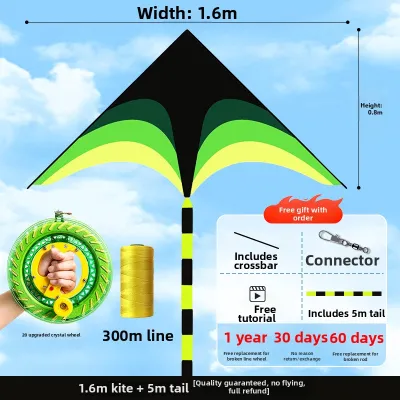
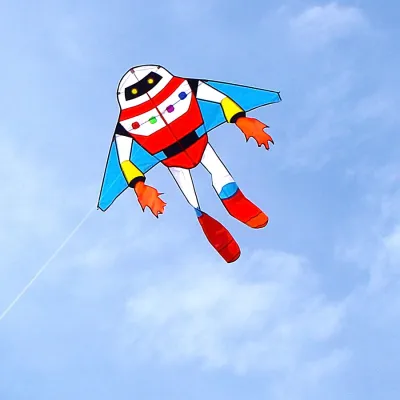
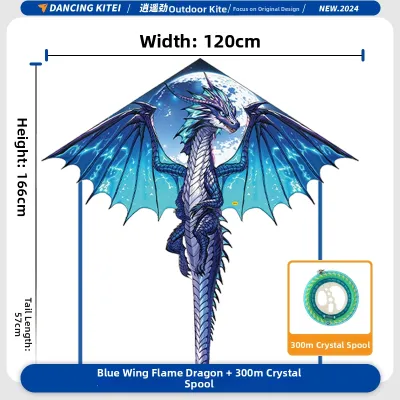
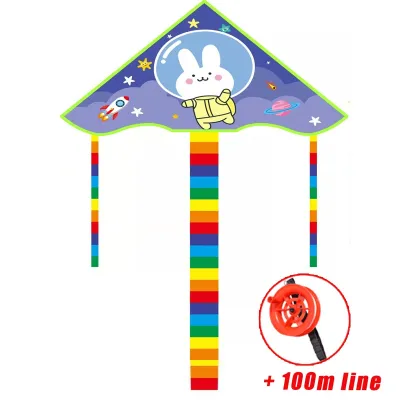
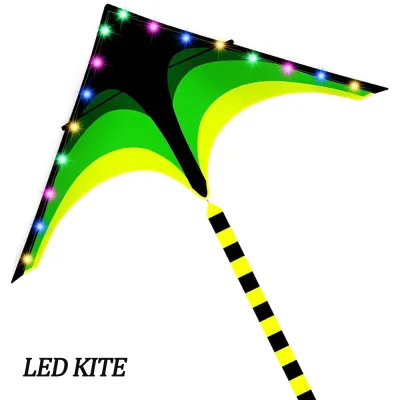
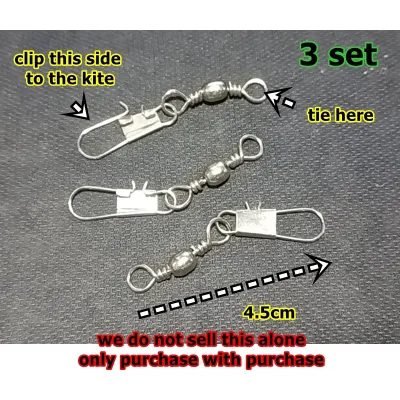
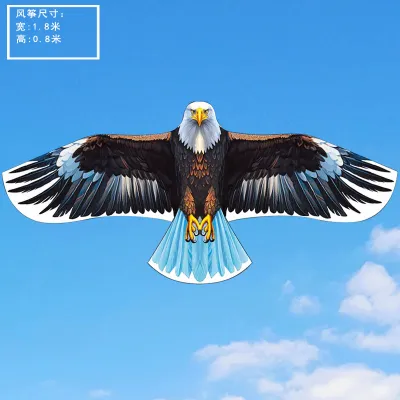
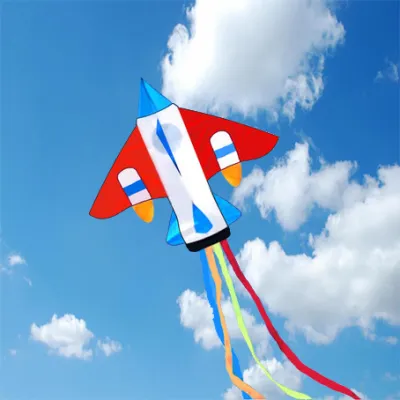
Prices are valid at publication and may change. Please refer to the product page for the latest price.
Comparing Kite Styles for Coastal Breezes
Parafoil kites are an exceptional choice for Singapore’s coastal environments, particularly for those who value portability and durability. Because they are completely frameless, parafoils rely on the wind to inflate open pockets (cells) that give the kite its aerodynamic shape. This design makes them virtually indestructible during hard crashes, as there are no fiberglass or carbon fiber spars to splinter on impact. Parafoils perform remarkably well in light-to-moderate winds, and their soft structure allows you to pack them into a tiny pouch that easily fits into a small backpack or bicycle basket.

Delta kites, characterized by their classic triangular shape, are widely regarded as the easiest kites to launch and fly. Their wide surface area captures even faint breezes, while their rigid frame provides a stable structure that maintains its shape in turbulent air. Most delta kites feature a single keel and a simple bridle system, making them highly responsive to minor wind adjustments. They excel in moderate coastal winds and are forgiving enough for beginners, yet they offer enough lift to carry decorative tails or line laundry for a more dramatic visual display.
Diamond and traditional kites, while iconic, require a very specific wind window to fly successfully along the coast. These designs typically need a steady, moderate breeze to remain stable. In light winds, they tend to sink, while strong coastal gusts can cause them to spin or dive rapidly if they lack a sufficiently long tail. While they offer a nostalgic flying experience, they generally require more active line management and tuning compared to modern delta or parafoil designs.
Evaluating Kite Brands by Design Specialties
When searching for a high-quality kite, focusing on manufacturer design specialties and material specifications is far more effective than looking for a single “best” brand. Reputable kite manufacturers design their products for specific wind ranges and skill levels. When evaluating brands available at local hobby shops or online marketplaces, look closely at the sail material. High-quality kites typically feature ripstop nylon or ripstop polyester, which are treated to resist tearing and UV degradation from Singapore’s intense tropical sun.
Frame construction is another critical factor to verify when comparing structured kites. Entry-level brands often use solid fiberglass rods, which are durable but relatively heavy. Premium brands frequently utilize hollow carbon fiber or composite spars, which significantly reduce the kite’s overall weight and allow it to fly in much lighter breezes. Always check the manufacturer’s recommended wind range, usually printed on the packaging or listed in the product specifications. A kite rated for 4 to 20 miles per hour (approximately 6 to 32 kilometers per hour) will offer the greatest versatility for Singapore’s coastal parks.
Additionally, pay attention to the bridle and towing point design. Well-engineered brands use braided polyester or Dyneema lines for their bridles to prevent stretching over time. Some advanced delta kites feature adjustable bridle attachment points, allowing you to shift the tow point forward for strong winds or backward for light winds. Verifying these technical details before purchasing ensures you select a kite engineered for longevity and stable flight rather than a cheap novelty toy that will struggle to stay airborne.
Practical Tips for Flying Kites at East Coast Park and Beyond
Successful kite flying in Singapore requires careful attention to safety, local regulations, and park geography. At East Coast Park, the best flying zones are located in the wide, open grassy fields of Area C and Area D, away from the busy cycling paths and barbecue pits. Always maintain a safe distance from trees, walking paths, and overhead structures. Never fly a kite near power lines, and immediately pack your gear away if you hear thunder or see lightning approaching, as tropical storms can develop rapidly.
You must also adhere strictly to the guidelines set by the Civil Aviation Authority of Singapore (CAAS). Because Singapore’s airspace is highly congested, kite flying is restricted in certain zones, particularly within 5 kilometers of military airbases and Changi Airport. In permitted areas like East Coast Park and Marina Barrage, the maximum allowable flight height is 200 feet (approximately 60 meters) above ground level. Furthermore, using metal-reinforced strings, wire, or sharp abrasive lines (such as glass-coated fighter kite strings) is strictly prohibited to prevent injury to the public and damage to utility lines.
Before launching, take a moment to assess the wind direction and adjust your setup. Stand with your back to the wind and hold the kite up to let the breeze fill the sail or cells. If you are flying a delta kite in light winds, letting out a few meters of line and gently tugging the string can help it climb into the smoother, faster air currents higher up. For parafoils, ensure all air inlets are completely open and free of twists before releasing the kite into the breeze.
Frequently Asked Questions (FAQ)
Do I need a specific kite line for coastal winds?
Yes, matching your kite line to the wind conditions and kite size is essential for maintaining control. Coastal winds can exert significant pull, so you should use a line with a breaking strength that matches your kite’s dimensions—typically a 50-pound (22 kg) test line for small kites and a 100-pound (45 kg) test line for larger models. Avoid using heavy, thick lines in light breezes, as the weight of the line itself can drag the kite down. Lightweight, low-stretch braided polyester or Dyneema lines are ideal for coastal flying because they minimize drag and provide immediate feedback.
Are parafoil kites better for beginners at East Coast Park?
Parafoil kites are highly recommended for beginners at East Coast Park due to their user-friendly design and extreme durability. Because they have no rigid frame or spars, they cannot break when crashed onto the sand or grass, saving beginners from frustrating repairs. They are also incredibly easy to assemble, requiring you to simply unwind the line and let the wind inflate the cells. However, in very turbulent or extremely light winds, parafoils can occasionally collapse if they lose air pressure, whereas a structured delta kite will maintain its shape even when the wind momentarily drops.
Community discussion
Share your experience or ask a question. Comments are reviewed before publication.