
Finding the correct replacement cap for your Nalgene bottle requires identifying the specific mouth diameter and thread style of your bottle model. Because Nalgene designs its bottles with distinct neck sizes, a cap meant for one category will not seal or even thread onto another. To ensure a leak-free fit, you must match your bottle’s physical mouth category—typically Wide Mouth, Regular Mouth, or a specialty design—with the corresponding cap specifications.
Identify Your Nalgene Bottle Mouth Category
To find a cap that seals reliably during a humid hike through MacRitchie Reservoir or a daily commute, start by identifying your bottle’s primary physical interface. Nalgene bottles are categorized by the diameter and thread pattern of their openings. This interface determines which cap families will physically screw onto the neck. You can usually find clues about your bottle’s model by looking at the base, checking the volume markings on the side, or examining the molded logo on the bottle itself.
It is a common misconception that the bottle’s material dictates its cap compatibility. Whether your bottle is made from Tritan copolyester, high-density polyethylene (HDPE), sustain-labeled recycled plastics, or stainless steel, the material itself does not change the thread standard. A Tritan wide-mouth bottle and an HDPE wide-mouth bottle of the same capacity share the exact same neck mold. Therefore, focus entirely on the physical dimensions and shape of the opening rather than what the bottle is made of.
Products mentioned in this guide
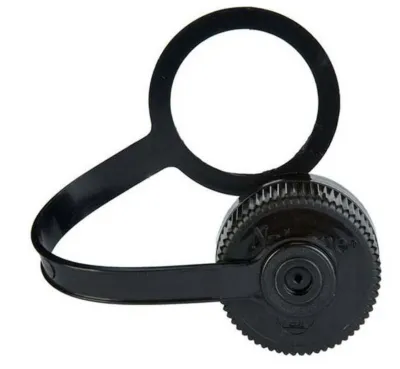
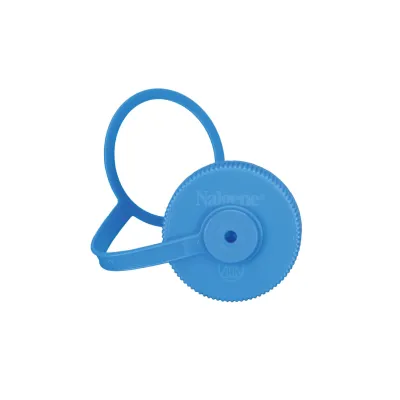
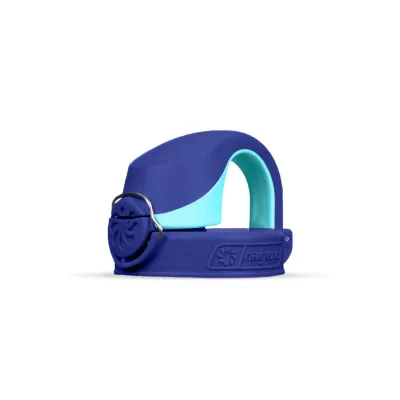
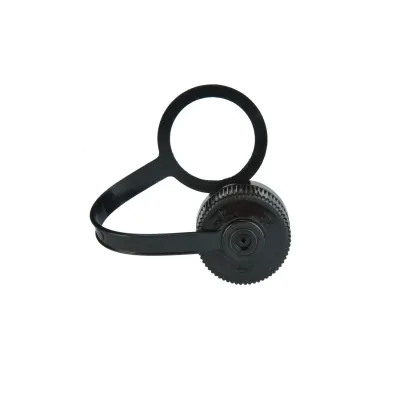

Prices are valid at publication and may change. Please refer to the product page for the latest price.
Wide Mouth vs. Regular Mouth
The two most common standards in the Nalgene lineup are the Wide Mouth and the Regular (often called Narrow) Mouth. The Wide Mouth is easily recognizable by its large opening, which measures approximately 63mm in diameter. This design is favored for easy ice insertion, quick cleaning, and compatibility with various outdoor water filters. The cap for a Wide Mouth bottle is large, flat, and typically features a retaining loop attached to the neck.
In contrast, the Regular Mouth features a much smaller opening, measuring approximately 38mm in diameter. This narrower opening is designed for spill-free drinking while walking or exercising. Because of the vast difference in diameter, caps from these two categories are strictly non-interchangeable. Attempting to force a cap from one category onto the other is physically impossible and can permanently damage the threads of both the cap and the bottle.
Specialty and Legacy Models
Beyond the standard wide and regular openings, Nalgene offers several specialty and legacy models that feature unique neck designs. These include the On-The-Fly (OTF) and On-The-Go (OTG) series, which utilize a specialized locking top, as well as multi-drink bottles that feature dual-opening caps. Insulated flasks and older vintage models may also feature proprietary thread pitches that do not align with modern standard replacements.
When dealing with these unique designs, visual estimation is rarely sufficient. You must check the manufacturer’s official compatibility charts or refer to the original product label to identify the exact model name. Many specialty caps are designed to fit standard wide-mouth threads but feature unique drinking spouts, while others require a completely proprietary replacement cap. Verifying the specific model name prevents the frustration of purchasing a cap that matches the diameter but fails to lock or seal correctly.
Troubleshoot Common Cap Fitting Issues
Even when you believe you have matched the correct cap to your bottle, you may encounter fitting issues during use. In Singapore’s warm, humid climate, a secure seal is essential to prevent water from leaking into your backpack or gym bag. Common signs of a poor fit include water slowly seeping from the neck when the bottle is tilted, or experiencing unusual physical resistance when trying to twist the cap shut.

When troubleshooting, it is crucial to differentiate between an incorrect cap size and physical damage to the bottle neck. An incorrect cap size will typically spin freely without catching the threads, or it will sit crookedly on the neck. A damaged bottle neck, on the other hand, may allow the cap to thread on initially but will fail to tighten completely, often slipping or popping off when moderate pressure is applied.
Cross-Threading and Leaks
Cross-threading occurs when the threads of the cap and the bottle neck do not align properly, causing the cap to screw on at an angle. This misalignment prevents the sealing surfaces from making flat, uniform contact, which inevitably leads to leaks. If you feel sudden resistance within the first half-turn of tightening, stop immediately rather than forcing the cap down.
To resolve cross-threading, unscrew the cap completely. Place the cap flat on the bottle neck, then gently turn it counterclockwise (the opposite direction of tightening) until you hear or feel a slight click. This click indicates that the threads have aligned properly. From that point, gently screw the cap clockwise to tighten it. Never force a cap that feels tight or crooked, as this can permanently strip the plastic threads.
Stripped or Worn Threads
Over years of rugged outdoor use, the plastic threads on either the bottle neck or the cap can become stripped or worn. This damage is often visible upon close inspection. Look for flattened ridges, small plastic shavings, cracks, or areas where the thread pattern appears smooth or uneven. Worn threads lose their ability to hold the cap under pressure, leading to sudden spills.
If the threads on the bottle neck itself are stripped or cracked, purchasing a new cap will not resolve the issue. The cap relies entirely on the structural integrity of the bottle’s neck ridges to pull down and compress the seal. When the bottle’s threads are compromised, the only reliable solution is to replace the entire bottle to ensure safety and prevent unexpected leaks during your activities.
How to Verify Compatibility Before Buying
To ensure you purchase the correct replacement cap, follow a systematic verification process. Start by locating the original product packaging, the receipt, or the official product code if you still have them. If these are unavailable, compare your bottle’s physical features against the official product images on the manufacturer’s website or trusted outdoor retail platforms.
When browsing online marketplaces or local outdoor shops, always verify the cap’s designated compatibility list. Reliable listings will explicitly state which bottle models and capacities (such as 32 oz wide mouth or 16 oz narrow mouth) the cap is designed to fit. Avoid making assumptions based solely on the bottle’s volume or color, as Nalgene produces different mouth styles across identical volume capacities. Taking a moment to double-check these specifications saves time and prevents unnecessary returns.
Preventive Care for Bottle Threads
Maintaining the integrity of your bottle’s threads is key to extending the lifespan of both the bottle and its cap. When cleaning your gear, avoid using extremely hot water or placing the bottle near the heating elements of a dishwasher, as excessive heat can warp the plastic threads and ruin the seal. Instead, wash the bottle and cap by hand using warm, soapy water and a soft brush to clean out any debris lodged within the thread grooves.
Additionally, practice mindful tightening habits. While it is tempting to crank the cap down as tightly as possible to prevent leaks, over-tightening puts immense stress on the plastic threads and the retaining strap. Tighten the cap until it is snug and resists further turning with normal finger pressure. This secure yet moderate tension is sufficient to maintain a watertight seal without deforming the plastic over time.
When to Replace the Bottle Instead
There comes a point where replacing the cap is no longer a viable or safe option. If you observe deep cracks running along the neck of the bottle, severe thread stripping, or persistent leaks despite using a brand-new, verified cap, the bottle has reached the end of its functional life. Continuing to use a structurally compromised bottle can lead to sudden failure, potentially soaking your gear or leaving you without water during an outdoor excursion.
Hygiene is another critical factor to consider. In humid environments, deep scratches or cracks in the plastic threads can harbor bacteria and mold that are difficult to clean effectively. If the plastic around the neck has become heavily degraded, discolored, or impossible to sanitize, replacing the entire bottle is the best choice for your health and safety. Investing in a new bottle ensures you have a reliable, hygienic hydration system for your next adventure.
Frequently Asked Questions (FAQ)
Can I use a third-party cap on my Nalgene bottle?
Yes, many third-party manufacturers produce caps designed specifically to fit Nalgene thread standards, particularly the common 63mm wide-mouth interface. However, thread pitch and depth can vary slightly between brands. Before purchasing a non-OEM cap, carefully check the third-party manufacturer’s specifications to confirm it is explicitly rated for your specific Nalgene model to ensure a reliable, leak-free seal.
Do all Nalgene Wide Mouth caps fit every Wide Mouth bottle?
Generally, standard Nalgene Wide Mouth caps are interchangeable across all standard Nalgene Wide Mouth bottles, regardless of whether the bottle holds 16 ounces, 32 ounces, or 48 ounces. However, exceptions exist for certain specialty, insulated, or stainless steel models that may feature unique neck heights or collar designs. Always verify the compatibility list if your bottle deviates from the classic Tritan wide-mouth shape.
Community discussion
Share your experience or ask a question. Comments are reviewed before publication.