
When choosing a sports water bottle to keep your drinks cold during intense workouts, comparing Oasis to other leading brands requires looking beyond marketing buzzwords. There is no single “best” insulated bottle for every athlete; instead, the ideal choice depends on specific model specifications, testing environments, and how you plan to carry and use the bottle. By understanding the structural elements of vacuum insulation and evaluating manufacturer claims objectively, you can determine whether an Oasis bottle or a competing brand fits your specific hydration needs.
To make an informed decision, you must look at the physical construction of these bottles rather than relying on brand popularity. Different sports demand different features, and a bottle that excels during an indoor gym session might not perform as well during an all-day outdoor hike. This guide equips you with the criteria to evaluate Oasis against its competitors based on verifiable structural features, practical sports needs, and real-world environmental factors.
What Actually Keeps Drinks Cold in Sports Water Bottles
The primary technology behind modern sports water bottles is double-wall vacuum insulation. This design features an inner and an outer stainless steel wall with an evacuated space—a vacuum—between them. Because heat requires a physical medium like air to travel via conduction or convection, the vacuum layer acts as a highly effective barrier, drastically slowing down the transfer of external heat to your cold beverage. The thickness of these steel walls and the precision of the vacuum seal are critical factors that determine how long the bottle can maintain its internal temperature.
Products mentioned in this guide
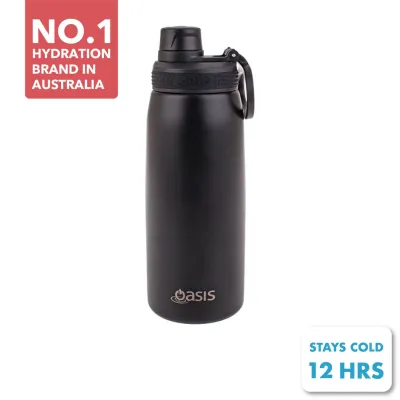
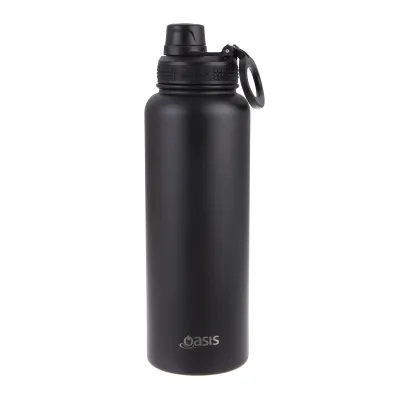
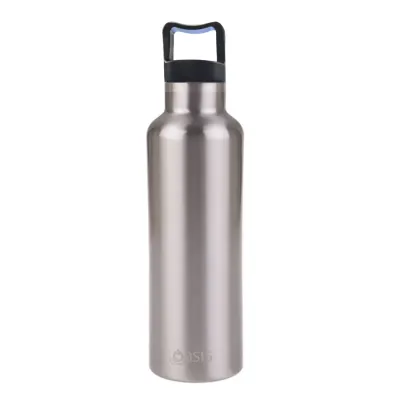
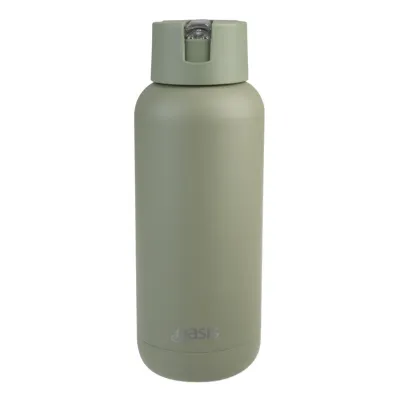
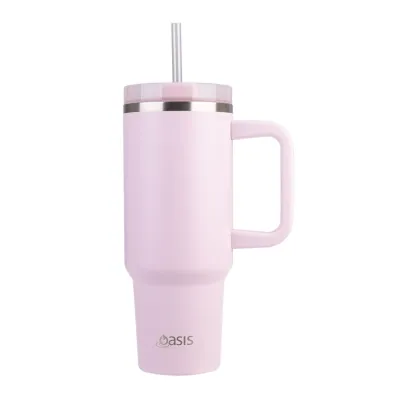
Prices are valid at publication and may change. Please refer to the product page for the latest price.
While the bottle’s body is highly insulated, the lid is often the weakest link in thermal performance. Most lids are made of plastic or silicone, which do not offer the same thermal resistance as a double-walled stainless steel vacuum. Heat slowly penetrates the bottle through the lid and the neck area. Consequently, a bottle with a highly secure, thick lid and a robust silicone gasket seal will retain cold much better than one with a thin, poorly sealed lid, regardless of how well-insulated the metal body is.
Exterior materials also play a practical role in how a bottle performs during physical activities. Many premium sports bottles, including those from Oasis, feature a powder-coated exterior finish. While this textured coating does not directly improve the internal vacuum’s thermal performance, it prevents condensation from forming on the outside of the bottle. In humid environments, a bottle that “sweats” becomes slippery and difficult to hold, which can be a major distraction during a workout or outdoor run. A high-quality powder coat ensures a secure grip even when your hands are sweaty.
How to Read and Verify Oasis Insulation Claims
When comparing Oasis to other brands, you will often see claims stating that a bottle can keep drinks cold for 12, 24, or even 36 hours. To verify these claims, you should consult official manufacturer labels, product manuals, or authorized retail listings rather than relying on third-party marketing. These specifications provide a baseline for what the bottle is structurally capable of achieving under ideal conditions, allowing you to make a direct comparison between models of similar capacities.

It is essential to understand that manufacturer insulation ratings are established under strict laboratory testing conditions. These tests typically involve filling the bottle to capacity with water at a precise initial temperature (often just above freezing), sealing it, and placing it in a temperature-controlled room (usually around 20°C to 22°C) without opening it. In real-world sports scenarios, where the bottle is frequently opened, exposed to direct sunlight, or filled with varying amounts of ice, the actual cold-retention time will naturally be shorter than the advertised maximum.
Furthermore, insulation performance varies significantly across different models within the Oasis lineup. For instance, a wide-mouth bottle allows you to easily add large ice cubes, which helps keep the liquid cold for longer periods. However, the wider opening requires a larger lid, which presents a greater surface area for potential heat transfer. Conversely, a narrow-mouth bottle has a smaller lid area and superior thermal retention, but it is more difficult to fill with ice and can be harder to clean after use.
A Practical Framework for Comparing Oasis and Competitors
To objectively compare Oasis with other sports water bottle brands, you can use a structured framework that balances thermal performance against usability. The first step is to evaluate the relationship between a bottle’s insulation capability and its physical weight. Thicker steel walls and heavier lid assemblies generally provide better cold retention, but they also make the bottle heavier to carry. If you are a runner or a cyclist where every gram matters, you may want to opt for a slightly lighter bottle, even if it means sacrificing a few hours of maximum cold retention.
The design of the lid mechanism is another crucial comparison point that directly affects both hydration convenience and thermal efficiency. Sports bottles typically offer several lid options:
- Straw Lids: These allow for quick, one-handed sipping without tilting the bottle, making them ideal for cycling or gym workouts. However, the internal straw and folding mouthpiece introduce more air gaps and potential points of thermal leakage.
- Flip-Top Lids: These offer fast access and a high flow rate, but they often rely on simpler seals that may not insulate as effectively as solid caps.
- Screw Caps: These provide the most secure seal and the best thermal insulation because they completely close off the opening with a thick, often insulated barrier. However, they require two hands to open, which is less convenient during active sports.
Durability is another critical factor because physical damage can permanently ruin a bottle’s insulation. If a stainless steel bottle is dropped onto a hard surface, it can dent. If a dent is deep enough to cause the inner and outer metal walls to touch, the vacuum gap is bridged, creating a direct path for heat to transfer. When comparing brands, look at the thickness of the steel used (often 18/8 food-grade stainless steel) and check the manufacturer’s warranty policy. Some brands offer warranties that cover the loss of vacuum insulation due to manufacturing defects, providing extra peace of mind for active users.
Choosing the Right Insulation Level for Your Activity
Your choice between Oasis and other brands should ultimately be guided by the specific activities you participate in. For short, high-intensity indoor workouts lasting an hour or two, a highly insulated, heavy-duty bottle is rarely necessary. A lighter, moderately insulated bottle will easily keep your water cool enough for the duration of your session without adding unnecessary bulk to your gym bag. On the other hand, if you are planning a full-day outdoor hike or participating in an outdoor sports tournament, prioritizing maximum cold retention is essential.
Environmental conditions also dictate your insulation needs, especially in tropical climates. High ambient temperatures and intense humidity accelerate heat transfer, making robust vacuum insulation highly beneficial. In these conditions, a bottle with poor insulation will quickly warm up, and external condensation can wet the inside of your sports bag or damage nearby gear. Choosing a bottle with a proven double-wall vacuum and a sweat-proof exterior coating is crucial for maintaining comfort and protecting your belongings in humid weather.
Ultimately, finding the right sports water bottle is about balancing trade-offs. A bottle that offers the absolute longest cold retention will likely be heavier, bulkier, and potentially more expensive, perhaps costing between S$30 and S$50 depending on the size and brand. A lighter, more agile bottle may lose its chill faster but will be much easier to carry on a run or mount on a bicycle frame. By assessing your typical workout duration, your preferred hydration style, and the local climate, you can select the bottle that offers the perfect balance of insulation and portability.
Frequently Asked Questions (FAQ)
Does putting ice in a sports water bottle improve its stated insulation time?
Yes, adding ice to your sports water bottle significantly extends the duration that your drink remains cold. When you add ice, the thermal energy entering the bottle is first used to melt the ice (a process requiring latent heat) before it can begin raising the temperature of the liquid water. Manufacturer insulation claims are often based on tests that include a specific ratio of ice to water. To maximize cold retention during long outdoor activities, fill a substantial portion of the bottle with ice before adding cold water, and ensure the lid is sealed tightly immediately after filling.
How can I test my Oasis bottle's insulation performance at home?
You can perform a simple, safe test at home to verify if your Oasis bottle’s vacuum insulation is functioning correctly. Fill the bottle with ice-cold water and a few ice cubes, seal the lid tightly, and let it sit at room temperature. After a few hours, feel the exterior of the bottle; the outer stainless steel wall should remain at room temperature and should not feel cold to the touch, nor should any condensation form on the surface. If the outside of the bottle feels cold or starts to sweat, it indicates that the vacuum seal has failed, allowing heat to transfer freely between the inside and outside of the container.

Community discussion
Share your experience or ask a question. Comments are reviewed before publication.