
Choosing between an official Speedo goggles case and a third-party alternative comes down to balancing precise fit, material durability, and your overall budget. While an official case offers a tailored shape designed specifically for the brand’s signature eyewear, many third-party alternatives provide comparable protection and extra storage space at a lower price point. To make the right choice, you need to evaluate how you transport your gear, the specific dimensions of your goggles, and the level of physical protection your swim bag requires.
Protecting your swimming goggles is essential for maintaining their anti-fog coatings and preventing lens scratches that can obscure your vision in the pool. Whether you are a competitive swimmer training daily or a recreational swimmer enjoying weekend sessions, a dedicated case prevents damage from keys, zippers, and heavy gear inside your sports bag. By understanding the structural differences and material specifications of both official and generic options, you can select a case that keeps your goggles secure and clear for every swim.
Fit and Compatibility Check
Before purchasing any protective case, verifying the physical compatibility between your goggles and the storage unit is the most critical step. Official Speedo cases are molded to accommodate the brand’s distinct design profiles, ranging from low-profile racing goggles to larger, wider recreational masks. If you use streamlined racing models, they will easily fit into almost any standard case, but larger models require careful measurement to avoid crushing the frame or bending the nose bridge.
Products mentioned in this guide
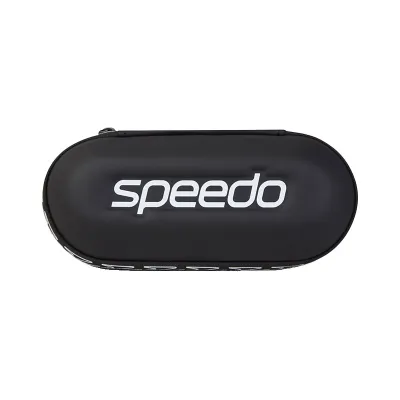
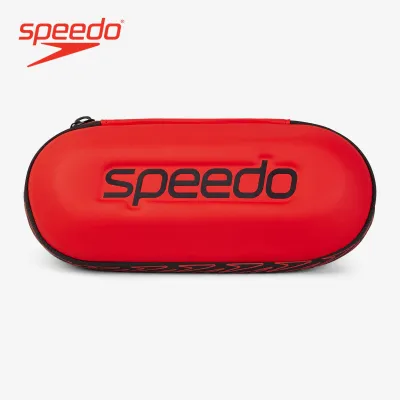
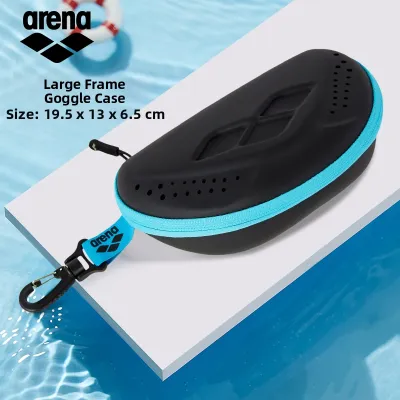
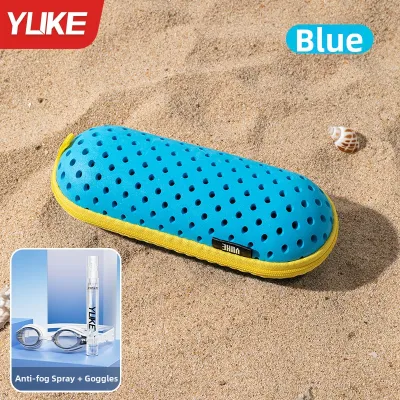
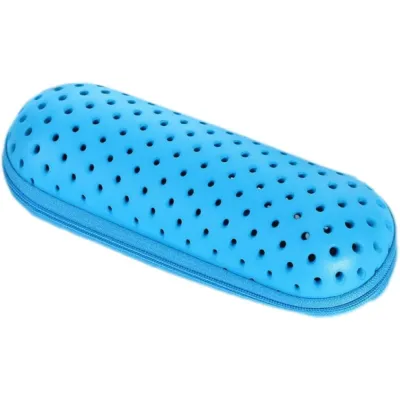
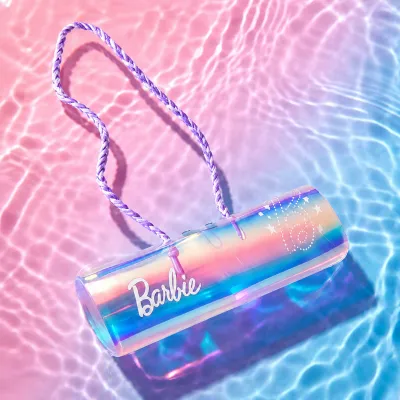
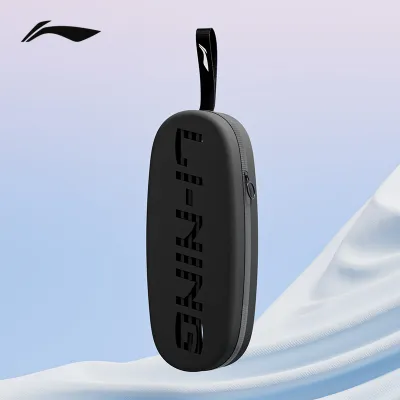
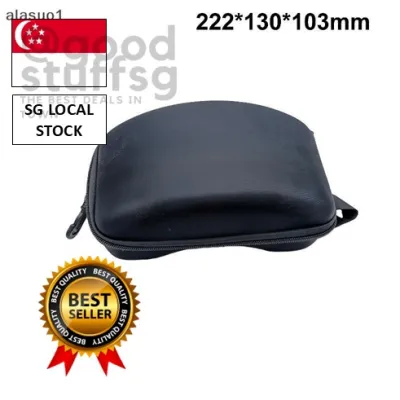
Prices are valid at publication and may change. Please refer to the product page for the latest price.
To verify compatibility with a third-party case, you must check the internal dimensions provided by the manufacturer against the physical measurements of your goggles. Start by measuring the maximum width of your goggles from the outer edge of one lens frame to the other, including any side clips or strap adjusters. Next, measure the depth of the lenses at their thickest point, as well as the height of the frame from the top of the gasket to the bottom. Compare these three measurements with the interior specifications listed on the product packaging or online retail description.
Low-profile racing goggles, such as those designed with minimal gaskets and sleek straps, generally sit securely in compact, contoured cases without shifting. However, recreational goggles with thicker silicone gaskets, integrated side buckles, or rigid frames require a deeper, more rectangular case structure. If you force a larger goggle model into a narrow, highly contoured case, the constant pressure can warp the silicone seals, leading to water leaks during your next swim session.
Additionally, consider how the goggle strap is stored within the case. Some official cases feature dedicated internal compartments or central pillars around which you can wrap the strap to keep it away from the delicate inner surface of the lenses. Generic cases often lack these specialized internal structures, meaning the strap will rest directly against the lenses. If your goggles have heavy buckles or adjustment clips, a loose fit inside a generic case can cause these hard plastic components to rub against and scratch the anti-fog coating during transit.
Protection, Materials, and Durability
Evaluating the physical construction of a goggles case requires a close look at the materials used for both the exterior shell and the interior lining. Official Speedo cases typically utilize a rigid, thermoformed ethylene-vinyl acetate (EVA) outer shell, which offers a reliable balance of impact resistance and lightweight portability. Third-party alternatives vary widely in their material composition, ranging from soft neoprene pouches to heavy-duty, injection-molded plastic boxes.

To assess the crush resistance of any case, perform a simple physical check or review the manufacturer’s material specifications. A high-quality hard-shell case should resist moderate hand pressure without collapsing or flexing inward toward the storage cavity. This structural rigidity is vital if you habitually pack your swim gear at the bottom of a heavy backpack or duffel bag, where water bottles, shoes, and wet towels can easily crush softer containers.
The interior lining of the case plays an equally important role in protecting your investment. Look for cases lined with soft microfiber, brushed fabric, or smooth foam that will not abrade the outer lens surfaces. Some budget third-party cases feature bare plastic or rough synthetic interiors that can micro-scratch your lenses over time as the case moves inside your bag. If you choose a generic option, ensure the product description explicitly mentions a scratch-resistant or soft-brushed lining.
Ventilation is another critical design feature that directly impacts the lifespan of both your goggles and the case itself. Swimming gear is inevitably exposed to moisture, and trapping damp goggles in an airtight container creates an ideal environment for mold, mildew, and bacterial growth. High-quality cases, whether official or third-party, incorporate drainage holes, mesh ventilation panels, or breathable zippers to allow moisture to escape. Inspect the case for these ventilation features, as a completely sealed case will require you to leave it open to dry after every use, exposing your goggles to dust and accidental damage.
Finally, examine the hardware components, particularly the zipper and any attachment clips. A durable case should feature a smooth-gliding, corrosion-resistant zipper, preferably with a rubberized pull tab that is easy to grip with wet hands. Because swim gear is frequently exposed to chlorinated pool water and humid locker room environments, metal zippers without protective coatings are highly susceptible to oxidation and seizing. Look for heavy-duty plastic zippers or treated metal hardware to ensure long-term durability.
Price Tiers and Value for Money
When comparing the financial aspect of your purchase, you will find distinct price tiers between official branded accessories and generic alternatives. On local sports retail sites and online marketplaces in Singapore, official Speedo goggles cases generally command a premium price, often retailing between S$15 and S$30. In contrast, third-party alternatives are widely available at lower price points, frequently ranging from S$5 to S$12.
To determine if the premium for an official case is justified, you must weigh the specific features against your daily swimming routine. The higher cost of an official case typically covers a precise, tested mold fit, high-grade materials, reliable ventilation systems, and the assurance of brand compatibility. If you own high-end racing goggles that cost upwards of S$50, investing in a premium, branded case is a logical way to safeguard your expensive equipment.
On the other hand, third-party cases offer exceptional value for money if you use standard recreational goggles or need to purchase multiple cases for a family. Many generic options provide adequate crush resistance and soft linings that perform perfectly well for casual use. Some third-party designs even offer features not commonly found on official cases, such as extra-large storage cavities that can hold earplugs, nose clips, and a swim cap alongside your goggles.
If you decide to go with a budget-friendly alternative, avoid the absolute cheapest options that use thin, unlined plastics or flimsy zippers. A poorly made S$3 case that breaks after a few weeks or scratches your lenses actually costs more in the long run if you have to replace both the case and your goggles. Look for mid-tier third-party options that focus on solid construction, reliable zippers, and proper ventilation, as these provide a practical balance of cost and protection.
Decision Framework: Which Case Fits Your Routine?
To make your final decision, evaluate your specific swimming habits, gear requirements, and budget against the characteristics of each case type. This structured approach ensures you select an option that integrates seamlessly into your routine without unnecessary spending.
You should choose the official Speedo goggles case if you:
- Prioritize an exact, secure fit designed specifically for your Speedo goggle model.
- Require maximum crush protection for frequent travel, competitive swim meets, or packed gear bags.
- Value brand consistency and want a product backed by established retail customer service.
- Own premium, high-performance goggles and want to minimize any risk of lens abrasion or frame warping.
You should choose a third-party alternative case if you:
- Are looking for a budget-friendly option that provides reliable basic protection for recreational swimming.
- Need a multi-item storage solution that can hold your goggles, earplugs, nose clips, and other small swim accessories in one place.
- Use standard, easily replaceable goggles and do not require a highly specialized, custom-molded interior.
- Prefer a wider variety of colors, patterns, or attachment options, such as carabiner clips for hanging the case on the outside of your bag.
Before making any purchase, always verify the product specifications. Check the internal dimensions of the case against your physical goggles, and read the product labels to confirm the materials used are durable, non-abrasive, and equipped with adequate ventilation. Taking these quick steps will ensure your goggles remain clear, protected, and ready for your next swim.
Frequently Asked Questions (FAQ)
Can I store wet goggles in a hard case?
Storing wet goggles inside a closed hard case is not recommended because trapped moisture can lead to mold, mildew, and the rapid degradation of silicone straps and gaskets. If you must transport damp goggles after a swim, use a case with integrated ventilation holes or a breathable mesh pouch to allow air circulation. Once you return home, remove the goggles from the case immediately, rinse them gently with fresh water, and allow them to air-dry completely in a shaded, well-ventilated area before storing them long-term.
Do third-party cases void my Speedo goggle warranty?
Using a third-party case does not void your Speedo goggle warranty, as manufacturer warranties typically cover defects in materials and workmanship under normal use. However, if a third-party case directly causes physical damage to your goggles—such as scratching the lenses due to a rough interior or warping the frame because of an improper, forced fit—that specific damage will not be covered by the manufacturer. Always check the specific warranty terms provided with your goggles and ensure your chosen case does not put undue pressure on the eyewear.

Community discussion
Share your experience or ask a question. Comments are reviewed before publication.