
Without independent, standardized laboratory testing across multiple brands, it is impossible to definitively declare whether an OVALA water bottle keeps drinks colder longer than every other option on the market. Cold retention depends heavily on specific vacuum insulation thickness, lid sealing mechanisms, capacity, and ambient conditions. This guide breaks down the structural factors that dictate thermal performance and shows you how to verify manufacturer claims, ensuring you choose the right bottle for your specific athletic needs and the local tropical climate.
In a perennially warm and humid environment like Singapore, maintaining the temperature of your hydration source is not just about comfort; it directly impacts your physical performance and recovery during outdoor activities. Whether you are running along East Coast Park, cycling the Round Island Route, or training in an indoor gym, understanding how different sports bottles manage heat transfer will help you make an informed purchase. By focusing on verifiable physical specifications rather than marketing slogans, you can select a bottle that consistently delivers refreshing, cold water when you need it most.
How Insulation Actually Works in Sports Bottles
To understand which bottle will keep your drinks cold the longest, it is essential to look at the physics of thermal insulation. Double-wall vacuum insulation is the industry standard for high-performance sports bottles. This design features an inner and an outer wall of stainless steel with the air vacuumed out of the space between them. Because conduction and convection require a physical medium (like air or liquid) to transfer heat, the vacuum layer acts as a highly effective barrier, preventing ambient heat from warming the liquid inside.
Products mentioned in this guide
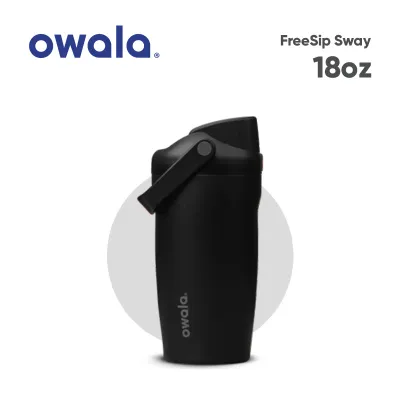
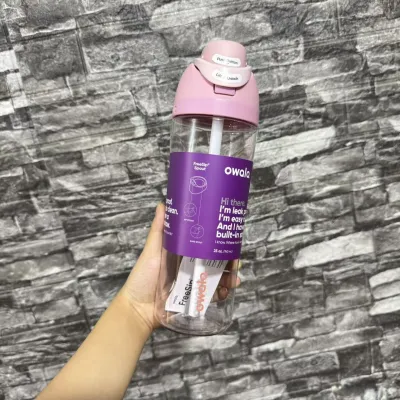
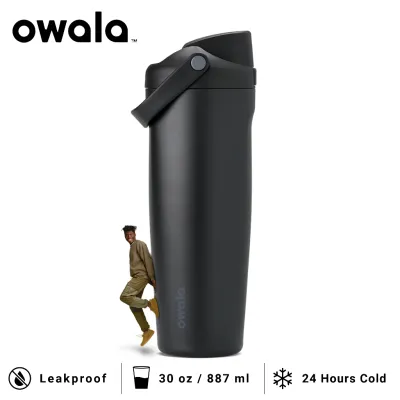
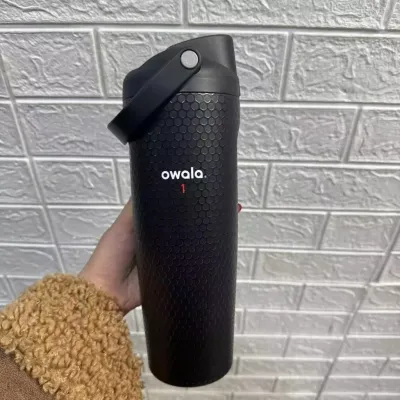
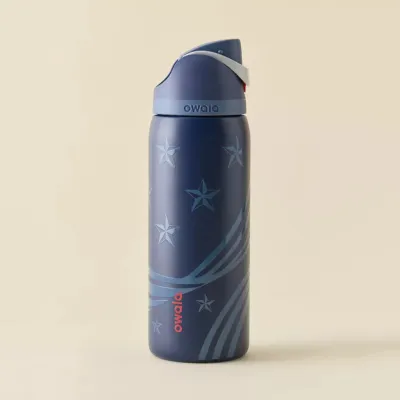
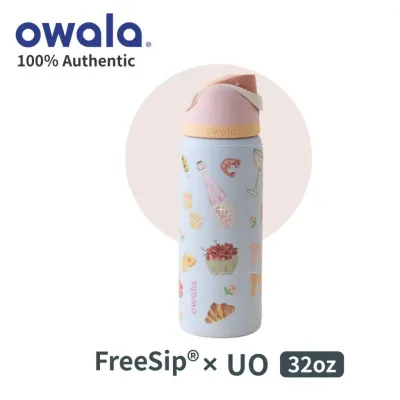
Prices are valid at publication and may change. Please refer to the product page for the latest price.
Some premium bottles incorporate triple-wall insulation or add a thin copper lining to the outer surface of the inner wall. Copper is an excellent thermal reflector; it reflects radiant heat away from the inner chamber, further slowing down the rate at which your drink warms up. When comparing brands, checking if a bottle utilizes copper plating within its vacuum gap can give you a clue about its potential for enhanced thermal performance.
The material composition of the bottle also plays a critical role in its overall utility and durability. High-quality sports bottles are typically constructed from food-grade 18/8 stainless steel, which contains 18% chromium and 8% nickel. This specific alloy is highly resistant to rust and corrosion, which is vital when the bottle is frequently exposed to sweat, outdoor elements, and sports drinks. Furthermore, 18/8 stainless steel is non-reactive, meaning it will not retain or transfer flavors from previous beverages, ensuring your water always tastes clean.
While the steel body blocks heat transfer through the sides, the lid is almost always the weakest thermal link. Lids are generally made of plastic and silicone, which conduct heat much faster than a vacuum gap. The design of the lid—whether it is a straw lid, a flip-top, or a simple screw cap—and the quality of its silicone sealing gaskets dictate how much heat escapes from the top. A poorly sealed lid allows warm air to seep into the bottle, rapidly neutralizing the benefits of the vacuum-insulated body.
Finally, the physics of volume-to-surface-area ratio heavily influences temperature retention. Larger capacity bottles, such as those holding 946 ml (32 oz) or 1.2 litres (40 oz), have less surface area relative to the volume of liquid they contain compared to smaller 530 ml (18 oz) bottles. Consequently, a larger volume of cold water acts as its own thermal mass, resisting temperature changes for a significantly longer duration under identical external conditions.
What to Check When Comparing OVALA and Other Brands
When evaluating OVALA against other popular sports water bottles, you must look closely at how manufacturers frame their temperature retention claims. A claim of “keeps cold for 24 hours” is often based on internal testing conducted under highly controlled laboratory conditions. These tests typically start with an ice-water mixture at 0°C in a temperature-controlled room of around 20°C, with the lid remaining completely closed. In Singapore’s typical outdoor temperatures of 30°C or higher, and with the lid being opened frequently during exercise, actual cold retention times will be shorter.

Another physical feature to compare is the mouth width of the bottle. Wide-mouth bottles make it incredibly easy to load large ice cubes directly from your home freezer, which is a major advantage for maximizing initial cooling. However, a wider opening exposes a larger surface area of cold liquid to the warm air every time you open the bottle to drink. Conversely, narrow-mouth bottles limit this air exchange, preserving the internal temperature better during use, though they are more challenging to fill with ice and clean thoroughly.
In humid tropical climates, condensation resistance is a key feature to verify. While a perfect vacuum seal prevents the exterior of the bottle from “sweating,” minor temperature drops can still occur around the neck and lid area. High-quality sports bottles feature durable powder-coated exterior finishes. This textured coating not only prevents condensation from forming on the grip areas but also ensures the bottle remains slip-proof when your hands are wet from sweat or rain during intense workouts.
Lastly, you must weigh the trade-off between insulation thickness, empty weight, and physical compatibility. Thicker steel walls and robust vacuum gaps provide superior insulation but add noticeable weight to your gear. If you plan to use the bottle for cycling, measure the outer diameter to ensure it fits standard bicycle bottle cages. For hiking or commuting, verify that the bottle’s dimensions are compatible with your backpack’s side pockets or your car’s cup holders before making a decision.
Matching Bottle Features to Your Sport and the Local Climate
Selecting the right water bottle requires matching its physical features to your specific activity and the local weather. For high-intensity outdoor training in tropical heat, such as running, football, or outdoor boot camps, your primary concern should be maximum ice retention and a secure grip. In these scenarios, a bottle with a thick powder coat and a highly secure, leak-proof lid is essential to withstand being dropped on asphalt or turf while keeping your water ice-cold.
For indoor gym sessions, portability and ease of refilling often outweigh the need for extreme, long-duration insulation. Since indoor gyms in Singapore are typically air-conditioned and have water dispensers readily available, a medium-sized, lighter bottle is highly practical. On the other hand, long-distance hiking through nature reserves like Bukit Timah or MacRitchie requires balancing your hydration capacity needs with the physical weight of your gear. Carrying a heavy, fully insulated 1.2-litre steel bottle can add significant physical strain over a multi-hour trek, making weight a critical factor.
The impact of direct sunlight on your bottle during outdoor field sports is another important consideration. Darker exterior coatings absorb more solar radiation, which warms the outer steel wall. Although the vacuum layer blocks most of this heat from reaching the liquid, the non-insulated plastic lid and neck will absorb this heat directly, warming the water near the top. Choosing lighter colors or reflective metallic finishes can help deflect solar heat during midday outdoor activities.
Maintaining hygiene is particularly challenging in warm, humid climates, where mold and bacteria thrive in damp environments. Complex lid designs with integrated straws, bite valves, and deep crevices require meticulous cleaning to prevent mold buildup. When choosing a bottle, look for designs where the silicone gaskets and straw mechanisms can be easily disassembled and scrubbed. Checking if the manufacturer sells replacement gaskets and cleaning brushes locally is a practical step to ensure the long-term usability of your bottle.
How to Decide: OVALA vs. Alternatives
To make your final decision between OVALA and alternative sports water bottles, you should evaluate how well each brand’s specific features align with your daily routine and budget. Choose OVALA if its verified physical dimensions, specific lid preferences (such as integrated sip-and-straw designs), and local S$ price point match your aesthetic tastes and hydration volume requirements. If the lid mechanism fits your drinking style during active sports, it can be an excellent daily companion.
On the other hand, you should look toward other established sports bottle brands if you require highly specialized modular accessories. Some brands offer a wide ecosystem of interchangeable lids, such as heavy-duty screw caps for hot coffee, specialized sports caps for quick hydration, paracord carrying handles, or protective silicone boots that shield the bottom of the bottle from dents. Additionally, if you plan to use the bottle in extreme outdoor environments, you may prefer brands that provide documented testing data or comprehensive lifetime warranties.
Neither option may be suitable if your primary goal is minimizing weight for high-endurance sports like trail running, long-distance cycling, or fastpacking. For these activities, the physical weight of double-wall stainless steel is often a disadvantage. In such cases, you are better off choosing single-wall stainless steel, lightweight BPA-free plastic sports bottles, or flexible hydration bladders that integrate directly into running vests or cycling jerseys.
Before finalizing your purchase, always verify the manufacturer’s care instructions. If you prefer the convenience of a dishwasher, confirm whether both the bottle body and the lid are rated as dishwasher-safe, as high heat can sometimes damage powder coatings or degrade silicone seals over time. Finally, check online marketplaces or local sports retailers in Singapore to ensure that replacement lids, straws, and gaskets are readily available, saving you from needing to replace the entire bottle if a single component wears out.
Frequently Asked Questions (FAQ)
Does putting an insulated bottle in the freezer improve its cooling performance?
No, putting a vacuum-insulated bottle in the freezer is both ineffective and potentially damaging. Because the vacuum double-wall is designed to block heat transfer, the cold air of the freezer cannot efficiently penetrate the vacuum barrier to cool the liquid inside. More importantly, if the bottle is filled with water, the liquid will expand as it freezes. This expansion can exert immense pressure on the internal stainless steel walls, which can permanently deform the bottle’s base, crack the welded seams, and destroy the vacuum seal, rendering the insulation useless.
Instead of using the freezer, a safer and highly effective method to pre-chill your bottle is to fill it with ice water for five to ten minutes before you plan to use it. Once the inner steel wall has cooled down, pour out the pre-chilling water and immediately fill the bottle with your cold beverage and fresh ice. This simple step ensures your drink stays cold for the maximum possible duration without risking structural damage to your bottle.
How can I test my bottle's vacuum insulation at home?
You can easily test the integrity of your bottle’s vacuum insulation at home using a simple hot water test. Fill the bottle to the neck with hot (but not boiling) water, and leave the lid off. Wait for approximately three to five minutes, then carefully feel the exterior surface of the bottle, particularly around the middle and lower sections.
If the outside of the bottle feels warm or hot to the touch, it indicates that the vacuum seal has failed. In a properly functioning insulated bottle, the vacuum layer prevents heat from transferring from the hot water inside to the outer steel wall, meaning the exterior should remain completely cool. If you detect localized hot spots on the outside, the vacuum has been compromised, and the bottle will no longer be able to keep your drinks cold effectively.

Community discussion
Share your experience or ask a question. Comments are reviewed before publication.