
When comparing the Owala 18oz to other sports water bottles for cold retention, the true winner depends on your specific workout environment and drinking habits. While double-wall vacuum insulation is the baseline for keeping drinks cold, the lid design—specifically the sealing mechanism of straw versus screw-top openings—plays a massive role in temperature maintenance during exercise. Rather than relying on unverified marketing claims about exact retention hours, this guide breaks down the physical design features of the Owala 18oz FreeSip and contrasts them with other popular bottle archetypes, helping you choose the most effective hydration gear for your specific training routine.
In tropical climates like Singapore, where high humidity and ambient temperatures exceeding 30°C are common, maintaining cold water during an intense workout is a significant challenge. A bottle that performs well in an air-conditioned fitness studio might struggle during an outdoor run along the coast. Understanding how heat transfers through different parts of a bottle allows you to make an informed choice based on your actual exercise habits rather than generic marketing promises.
How to Evaluate Cold Retention in Sports Water Bottles
To understand how sports water bottles maintain cold temperatures, it is essential to look at the physics of heat transfer. Double-wall vacuum insulation is the industry standard for premium sports bottles. This construction involves two stainless steel walls with a vacuum sealed between them. Because a vacuum contains virtually no matter, it prevents heat transfer by conduction and convection, leaving radiation as the primary method of heat transfer, which is often minimized by reflective copper or silver linings inside the vacuum chamber.
Products mentioned in this guide
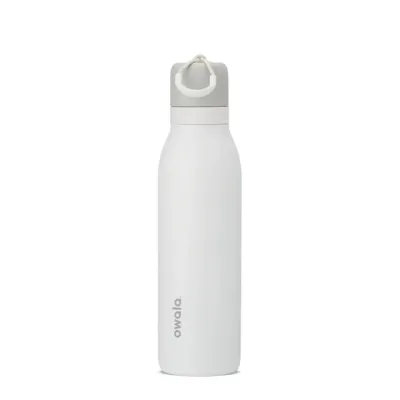
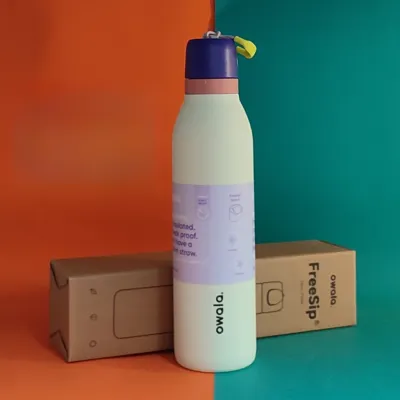
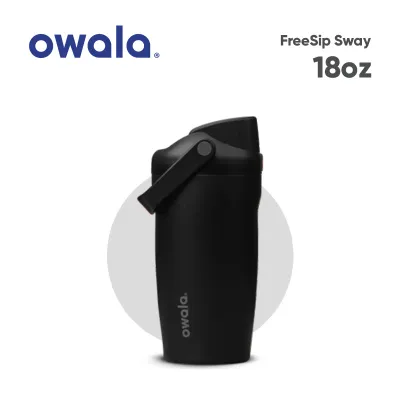
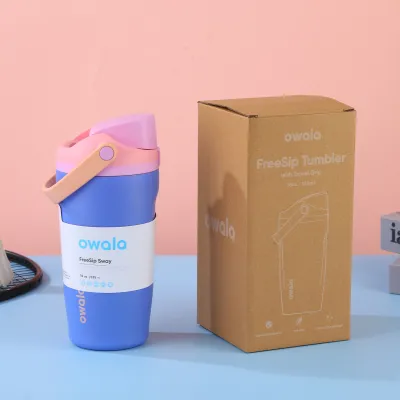
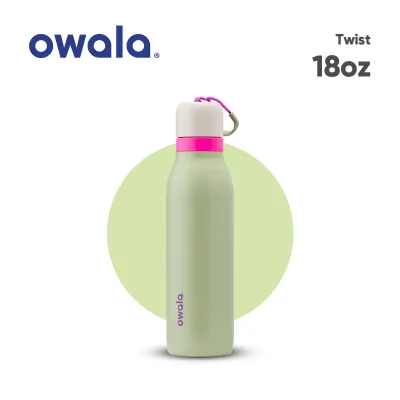
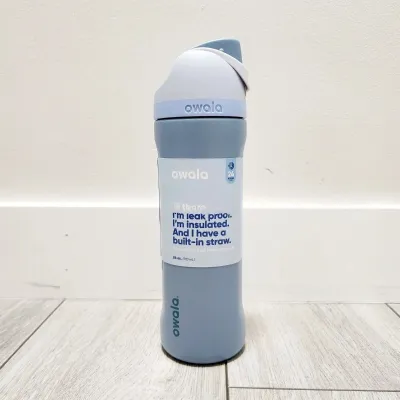
Prices are valid at publication and may change. Please refer to the product page for the latest price.
However, the vacuum seal only covers the metal body of the bottle. The weakest link in any insulated bottle’s thermal defense is almost always the lid. Lids are typically made of plastic and silicone, which do not insulate as effectively as a vacuum-sealed metal wall. Every time you open the lid to take a drink, warm ambient air enters the bottle, and cold air escapes. Consequently, the sealing mechanism—whether it is a straw, a screw-top, or a flip-lid—directly influences how much heat enters the bottle over the course of a workout.
Another critical factor to evaluate is the exterior coating of the bottle. High-quality powder coatings do not directly improve thermal insulation, but they play a vital role in usability during sweaty workouts. In humid environments, a bottle without a proper exterior finish can become slippery due to condensation if the insulation is compromised. A durable, textured powder coat ensures a secure grip when your hands are wet, while also protecting the outer steel wall from dents that could collapse the vacuum gap and ruin the bottle’s insulating properties. When investing S$30 to S$50 in a premium sports bottle, verifying these physical construction details is far more reliable than trusting unverified temperature claims.
Owala 18oz FreeSip: Insulation Design and Workout Suitability
The Owala 18oz FreeSip features a unique lid design that sets it apart from traditional sports bottles. The patented FreeSip spout incorporates a dual-opening mechanism, allowing users to either sip vertically through a built-in straw or tilt the bottle back to swig from a wider spout. This design relies on a spring-loaded, button-activated flip cap that covers both openings simultaneously. When closed, a silicone gasket presses firmly against the openings to create an airtight seal, minimizing the exchange of air between the interior and the outside environment.

From a thermal perspective, this dual-function lid offers distinct advantages and trade-offs. The straw mechanism allows you to drink without tilting your head, which is highly convenient during active exercise like cycling or treadmill running. Because the straw opening is relatively small, it limits the volume of warm air that enters the bottle during a quick sip. However, the complexity of the lid, with its multiple moving parts and silicone seals, means there are more areas where wear and tear can eventually compromise the airtight seal over months of heavy use.
The 18oz capacity represents a specific trade-off between portability and volume. Weighing less than larger 24oz or 32oz alternatives, the 18oz model fits easily into standard gym bag side pockets, car cup holders, and bicycle bottle cages. This makes it highly suitable for shorter, high-intensity workouts or studio classes where you can easily refill the bottle. However, for long-duration outdoor activities under the sun, 18oz (approximately 530ml) may not provide sufficient hydration, requiring you to balance the convenience of a lighter carry against your total fluid requirements.
Comparing Owala 18oz with Other Popular Sports Bottles
When comparing the Owala 18oz to other popular sports bottle archetypes, the differences lie primarily in lid design, ergonomics, and flow rate. Traditional wide-mouth screw-top bottles, for instance, offer excellent thermal performance when closed because their thick, insulated lids screw directly into the metal neck, creating a robust barrier. However, drinking from a wide-mouth bottle requires unscrewing the entire lid, exposing the entire surface area of the cold liquid to warm air, which accelerates temperature loss during a workout.
In contrast, dedicated straw-lid bottles allow for quick, one-handed hydration but often rely on external folding straws. These folding mechanisms can sometimes let small amounts of air slip through the joints, slightly reducing thermal efficiency compared to a fully sealed screw-top. The Owala FreeSip attempts to bridge this gap by enclosing both the straw and the spout under a single, gasket-sealed flip lid. This keeps the drinking surfaces clean and protected from gym floor grime while maintaining a reliable thermal barrier when closed.
Weight and grip ergonomics also vary significantly across these designs. A sleek, straight-walled bottle is easy to slip into tight pockets, but can be difficult to hold during dynamic movements if it lacks a loop or textured surface. The Owala 18oz includes a carrying loop that doubles as a lock for the lid, providing a secure way to hold the bottle between sets. When choosing between these styles, consider whether you prefer the rapid flow of a wide spout, the convenience of a straw, or the absolute thermal security of a heavy-duty screw-top.
| Bottle Archetype | Lid Sealing Mechanism | Cold Retention Efficiency | Best Suited For | Key Usability Trade-off |
|---|---|---|---|---|
| Owala FreeSip (Dual-Opening) | Integrated gasket sealing both straw and spout under a locking flip cap | High (when fully sealed; minimal air exchange during straw use) | Gym workouts, studio classes, and multi-tasking | Complex lid requires thorough cleaning of silicone parts |
| Wide-Mouth Screw-Top | Thick insulated cap screws directly into the metal neck | Very High (when closed; higher heat exchange when opened) | Outdoor hiking, long training sessions, and ice storage | Requires two hands to open; high risk of spills during movement |
| Standard Folding Straw | External pivoting straw nozzle with internal plastic draw tube | Moderate (potential air leakage at pivot joints over time) | Cycling, driving, and continuous low-intensity cardio | Straw nozzle is exposed to dust; harder to clean thoroughly |
| Narrow-Spout Twist Cap | Small threaded cap covering a dedicated drinking spout | High (small opening limits air exchange during drinking) | Running, outdoor sports, and high-flow hydration | No straw option; requires tilting the head back to drink |
Choosing the Right Bottle Based on Your Workout Type
Selecting the ideal sports water bottle requires matching its physical features to your specific exercise environment. For indoor gym sessions, functional fitness, or yoga studio classes, a leak-proof design and compact size are usually the top priorities. In these controlled environments, an 18oz bottle like the Owala FreeSip is highly practical. It fits neatly on treadmill consoles, is easy to grab between sets, and can be refilled quickly at the gym’s water dispenser. The push-button lid ensures that even if the bottle is knocked over on a rubber gym mat, it will not spill.
For outdoor activities such as running, road cycling, or boot camps in public parks, your priorities shift toward one-handed operation and robust dust protection. When you are moving at speed, you cannot afford to use both hands to unscrew a lid. A bottle with a protective cap that shields the mouthpiece from dust, dirt, and insects is essential. In these scenarios, ensure the bottle you choose fits securely in your bike cage or running pack, and verify that the locking mechanism is robust enough to prevent accidental opening during vigorous movement.
To summarize your options:
- Choose the Owala 18oz if you want a versatile, hygienic bottle for indoor workouts, prefer having both straw and swig options, and value a secure locking lid that prevents accidental spills in your gym bag.
- Choose a wide-mouth alternative if you prioritize maximum ice capacity, want the simplest possible design with no moving parts to clean, or need to carry larger volumes of water for long outdoor sessions without refill stations.
- Verify first if your exercise equipment (such as specific bicycle cages or spin bike holders) can accommodate the exact diameter of the bottle, as some insulated bottles have wider bases than standard single-wall plastic sports bottles.
Maintenance Tips to Preserve Insulation Performance
To ensure your insulated water bottle continues to keep your drinks cold over years of use, proper maintenance is essential. The vacuum seal that provides the insulation is highly durable but can be compromised by physical damage or extreme temperatures. Always check the manufacturer’s instructions regarding dishwasher safety. While some stainless steel bottles are labeled as dishwasher safe, the high heat and intense water pressure of a dishwasher cycle can sometimes degrade the exterior powder coating or, in rare cases, damage the vacuum seal. Hand-washing the bottle body with warm, soapy water is the safest way to preserve its thermal integrity.
Extreme temperature shocks should also be avoided. Never place your insulated bottle in the freezer. Because water expands as it freezes, putting a full bottle in the freezer can deform the stainless steel walls, permanently breaking the vacuum seal and rendering the insulation useless. If you want ice-cold water, fill the bottle with ice cubes through the mouth rather than freezing the bottle itself.
Finally, regularly inspect the silicone gaskets and seals inside the lid. Over time, these gaskets can accumulate residue, lose their elasticity, or become misaligned, leading to slow leaks and increased heat transfer. Remove the silicone parts periodically to clean them thoroughly, and replace them if you notice any cracks, mold, or loss of flexibility. Keeping the seals airtight is the single most effective way to maintain the bottle’s cold retention performance during your workouts.
Frequently Asked Questions (FAQ)
Does drinking from the straw opening let more heat in than the spout?
Thermodynamically, drinking through a straw opening typically introduces less heat into the bottle than using a wide spout. When you sip through a straw, the liquid is drawn from the bottom of the bottle, and only a tiny volume of ambient air enters to replace the displaced fluid. In contrast, tilting the bottle to drink from a wide spout exposes a larger surface area of the cold water to the warm air entering through the opening. However, during a standard one-hour workout, this difference is negligible, and both methods will keep your drink sufficiently cold if the lid is closed promptly after drinking.
Is an 18oz capacity sufficient for high-intensity or long-duration training?
An 18oz (approximately 530ml) capacity is generally sufficient for moderate indoor workouts lasting up to an hour. However, for high-intensity training, hot outdoor environments, or sessions extending beyond 60 minutes, you may find yourself running out of water quickly. If you train in non-air-conditioned spaces or do not have easy access to a water refill station, upgrading to a 24oz or 32oz model is highly recommended to ensure you remain adequately hydrated throughout your entire routine.

Community discussion
Share your experience or ask a question. Comments are reviewed before publication.