
When comparing the Owala 40oz to other large-capacity sports bottles, determining which keeps drinks coldest depends heavily on lid mechanics, ice-to-water ratios, and environmental exposure rather than just the steel body. While the Owala 40oz is highly regarded for its ergonomic design and dual-spout functionality, absolute thermal supremacy varies by competitor lid design. Choosing the right insulated bottle for your specific workout routine requires evaluating verifiable specifications, structural trade-offs, and practical conditions. This guide breaks down these factors to help you make an informed decision based on your training environment and hydration habits.
Core Factors That Determine Cold Retention During Workouts
To understand how any sports bottle maintains temperature during a workout, you must first look at the physics of double-wall vacuum insulation. This technology relies on two stainless steel walls with a vacuum sealed between them. Because a vacuum contains virtually no air molecules, it prevents heat transfer via conduction and convection. The physical thickness of this vacuum layer, along with the quality of the internal copper plating often used to reflect radiant heat, dictates the baseline thermal resistance of the bottle’s body. However, the steel body is only one part of the thermal equation.
The lid of a sports bottle represents the primary thermal weak point. Unlike the double-walled steel body, lids are typically constructed from plastic, silicone, and rubber gaskets, which do not possess vacuum insulation properties. Consequently, heat enters the bottle far more rapidly through the top than through the sides. Different lid styles—such as straw mechanisms, chug caps, and solid screw-tops—have varying surface areas, material thicknesses, and sealing mechanisms. A lid with more moving parts or integrated straws generally introduces more pathways for ambient air to interact with the cold liquid inside.
Products mentioned in this guide
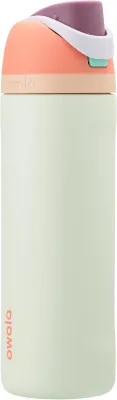
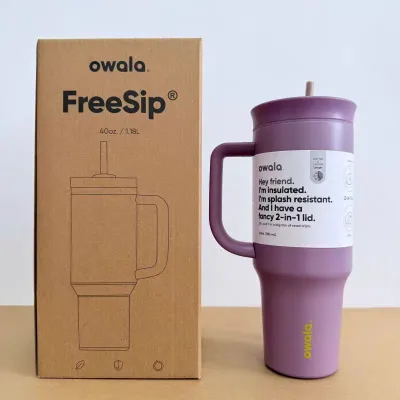
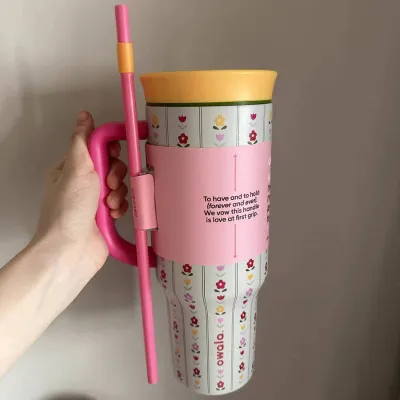
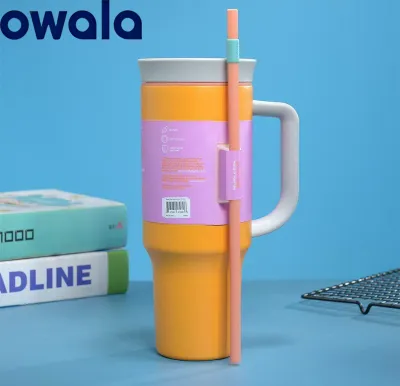
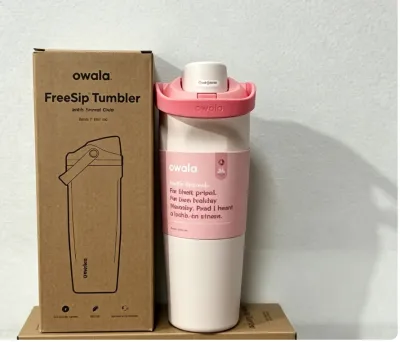
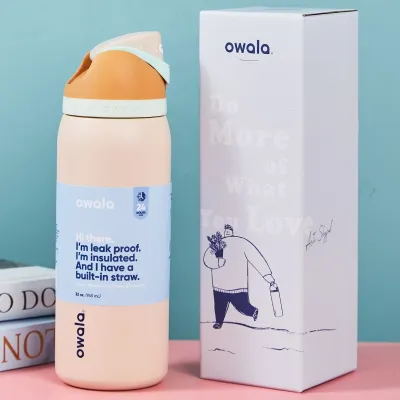
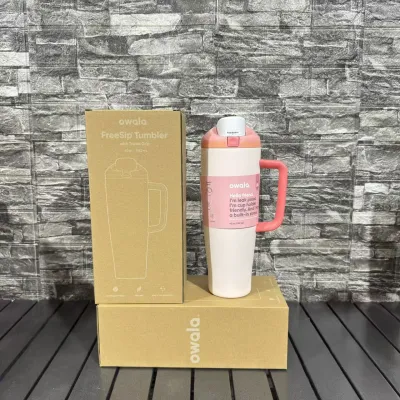
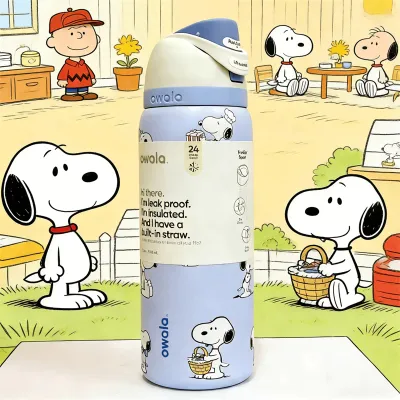
Prices are valid at publication and may change. Please refer to the product page for the latest price.
Real-world ice melt rates during exercise are also heavily influenced by external factors. Every time you open the lid to take a sip, warm ambient air enters the bottle, and cold air escapes. In a humid, non-air-conditioned fitness corner or during an outdoor run, this air exchange accelerates temperature rise. Direct sunlight exposure also plays a massive role; dark-colored powder coatings can absorb solar radiation rapidly, transferring heat through the lid and collar. Understanding these variables helps you look past marketing claims and evaluate how a bottle will perform in your specific training environment.
Evaluating the Owala 40oz for Active Lifestyles
The Owala 40oz has gained significant popularity due to its unique FreeSip lid, which combines two drinking styles into a single spout. This design allows you to either sip through a built-in straw while holding the bottle upright or tilt the bottle back to swig through a wider chug opening. From a thermal perspective, this dual-spout mechanism is sealed by a spring-loaded flip cap lined with a molded silicone gasket. When closed and locked with the integrated metal latch, the seal prevents liquid leaks and minimizes air exchange, making it highly reliable when tossed into a gym bag or carried during active movement.

However, the physical size and weight of a 40oz bottle require careful consideration. When completely filled with water and ice, a 40oz bottle weighs well over one kilogram. The Owala 40oz addresses this carrying challenge with an ergonomic carry loop that doubles as a lock for the lid. This loop allows for easy three-finger transport, though the bottle lacks a dedicated rubberized exterior grip. The smooth powder-coated finish provides decent tactile feedback, but users with smaller hands may find the wide diameter of the 40oz body challenging to grip securely when sweating heavily during high-intensity interval training.
To evaluate the thermal performance of this specific model, you should locate and interpret the manufacturer’s official specifications. Manufacturers typically state cold retention capabilities based on controlled laboratory testing, often assuming the bottle remains closed in a temperate indoor environment. When reviewing these claims, check the warranty conditions to see what thermal failures are covered. A loss of vacuum insulation, often indicated by the outer wall feeling cold or sweating, is typically covered under manufacturer warranties, and knowing how to file a claim ensures your investment remains protected over years of rugged use.
Comparing the Owala 40oz Against Alternative 40oz Bottles
When comparing the Owala 40oz to alternative large-capacity sports bottles, the lid ecosystem is a critical point of differentiation. Many competing brands offer interchangeable lid systems, allowing you to swap between a solid, heavily insulated screw-cap for outdoor hikes and a straw lid for indoor cycling. While the Owala FreeSip lid is highly versatile, it is a fixed system. If your workout transitions from a dusty outdoor trail to an air-conditioned gym, a competitor with a solid screw-cap may offer superior thermal performance because the solid cap lacks the internal straw cavity and flip-top seams that allow minor heat transfer.
Another practical comparison point is the physical footprint of the bottle. A standard 40oz bottle has a wide base that often exceeds the diameter of standard gym equipment cup holders, treadmill trays, and bicycle bottle cages. Before purchasing, it is wise to measure the diameter of the cup holders on your preferred exercise machines. Some alternative 40oz bottles feature a tapered bottom design specifically engineered to fit into standard cup holders while maintaining a high volume at the top. The Owala 40oz features a relatively consistent cylindrical shape, which may require you to place it on the floor or in a dedicated side pocket of your gear bag during workouts.
Exterior finishes also impact usability and thermal perception. High-quality powder coatings provide a textured surface that improves grip when your hands are wet or sweaty. This finish also acts as a mild barrier against external heat absorption compared to bare, polished stainless steel. While double-wall vacuum insulation prevents external condensation, a damaged vacuum seal will cause moisture to bead on the exterior. Comparing the durability of the powder coat across different brands can help you identify which bottle will maintain its grip and aesthetic appeal after repeated drops on gym floors or concrete outdoor courts.
Decision Framework: Which Bottle Fits Your Workout Routine?
Choosing the ideal 40oz sports bottle comes down to aligning design trade-offs with your specific training habits. The Owala 40oz is an excellent choice if you prioritize convenience, quick hydration, and versatile drinking options. The ability to transition instantly between sipping and swigging without unscrewing a cap makes it highly efficient during short rest intervals in weight training or yoga sessions. The secure locking latch provides peace of mind, ensuring that the lid will not accidentally pop open and spill inside your sports bag.
Conversely, if your workouts take place in extreme outdoor heat, such as long-distance trail running, beach volleyball, or open-air boot camps, a traditional screw-cap or dedicated chug-cap competitor might be more suitable. These designs minimize the number of seams, gaskets, and moving parts, which inherently reduces thermal leakage and provides an absolute seal against fine sand and dirt. If maximum ice retention over an extended period in direct sunlight is your primary goal, a solid, insulated cap will generally outperform any multi-functional lid system.
Finally, always verify the physical compatibility of the bottle with your daily routine before making a decision. Check the dimensions of your vehicle’s cup holders, your backpack’s side pockets, and the storage trays on your local gym’s cardio equipment. If a 40oz bottle is too bulky for your transit or workout setup, you may want to consider a smaller capacity or a model with a tapered base. Balancing these physical constraints with your hydration needs ensures you select a bottle that actively supports your fitness goals rather than becoming a cumbersome accessory.
Frequently Asked Questions (FAQ)
Does a straw lid make ice melt faster than a screw cap?
Yes, straw lids generally allow ice to melt faster than solid screw caps. Straw mechanisms require air vents or physical openings to allow liquid to flow smoothly when you sip. These small gaps, along with the hollow plastic straw extending deep into the cold liquid, create a direct thermal bridge for ambient air to enter the bottle. A solid screw cap, by contrast, provides a continuous, thick barrier of plastic or metal with a single compressed silicone gasket, offering superior thermal sealing in hot environments.
How can I maximize cold retention in my 40oz bottle during long sessions?
To maximize cold retention, start by pre-chilling your empty bottle in the refrigerator or by filling it with ice water for a few minutes before packing it for your workout. When preparing your drink, optimize the ice-to-water ratio; filling at least one-third of the bottle with solid ice cubes will significantly prolong cold temperatures. Additionally, keep the lid closed as much as possible during your workout, and avoid leaving the bottle in direct sunlight or on hot surfaces like outdoor asphalt or car dashboards.

Community discussion
Share your experience or ask a question. Comments are reviewed before publication.