
Choosing the right insulated water bottle for your child involves balancing temperature retention, ease of use, and daily durability. While Owala, Hydro Flask, and Thermos all utilize double-wall vacuum insulation to keep beverages cold, they serve different needs based on lid design, drinking preferences, and daily routines. No single bottle is universally ideal for every scenario; instead, the right choice depends on whether your child prefers a straw or a spout, how rugged the bottle needs to be for school or outdoor activities, and whether they require a container that can safely handle warm liquids.
Decoding Insulation Claims for Kids' Bottles
Double-wall vacuum insulation is the standard technology used to maintain beverage temperatures in modern stainless steel bottles. This construction features an inner and outer metal wall with the air evacuated from the space between them. Because a vacuum contains no air molecules, heat cannot easily travel via conduction or convection, which significantly slows down temperature changes inside the bottle.
While the stainless steel body of a bottle is highly efficient at preventing heat transfer, the lid is typically where thermal energy is lost. Lids are generally made of plastic and silicone, which do not insulate as effectively as double-walled metal. Furthermore, any opening in the lid—such as a straw hole, a flip-up spout, or a push-button mechanism—allows ambient air to enter and internal air to escape, accelerating temperature equalization.
Products mentioned in this guide
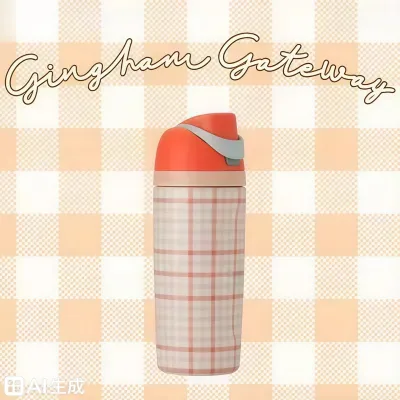
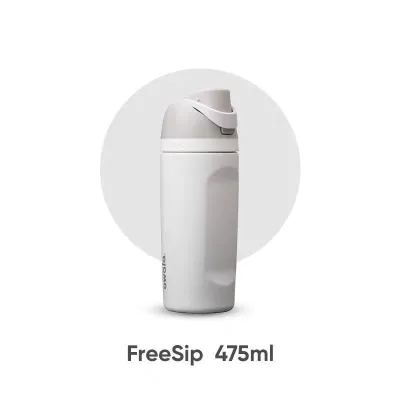
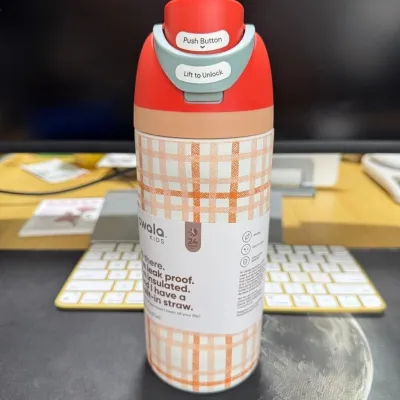
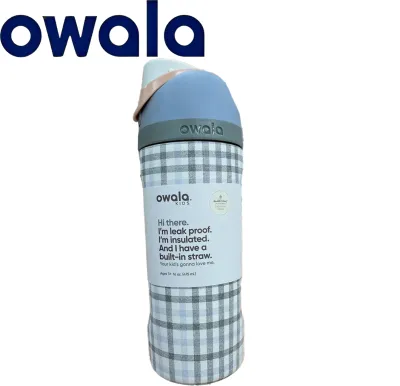
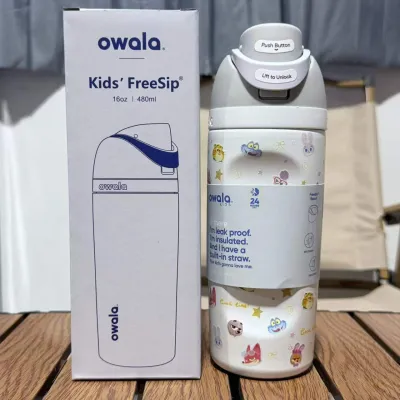
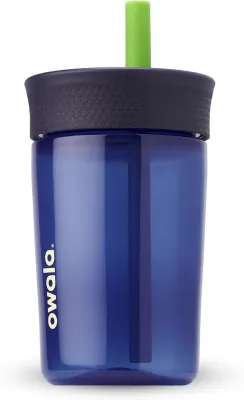
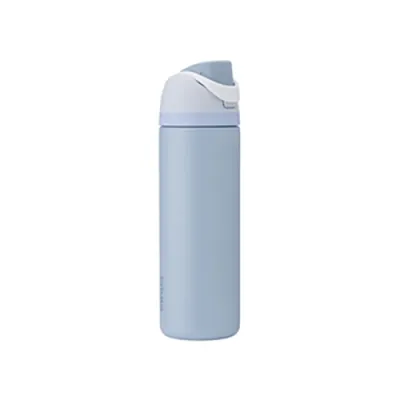
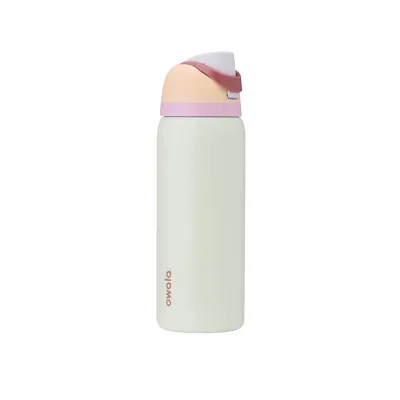
Prices are valid at publication and may change. Please refer to the product page for the latest price.
Because of these design factors, straw lids and push-button mechanisms generally lose temperature faster than solid, screw-on caps. When evaluating different brands, parents should carefully inspect the product packaging or official specifications for the manufacturer’s stated temperature ratings. These ratings are typically divided into “hours cold” and “hours hot” capabilities, with hot retention almost always being shorter than cold retention.
It is also important to note that not all insulated bottles are rated for both hot and cold liquids. Many kids’ bottles are designed specifically for cold drinks to prevent accidental burns. Before putting anything other than cold water into your child’s bottle, verify the manufacturer’s temperature limits on the product label.
Evaluating the Owala Kids Bottle for Daily Use
Owala kids’ bottles are designed with a strong focus on accessibility and versatile drinking options. Typically constructed from durable stainless steel, these bottles feature lid mechanisms scaled down for smaller hands, often incorporating a push-button flip cap that protects the drinking surface from dirt and germs when closed. This design is particularly convenient for school environments where hygiene is a priority.

Depending on the specific model, the lid may feature a built-in straw or a dual-option spout that allows children to sip upright or tilt the bottle to drink. While this versatility makes staying hydrated easier during class or sports, the multi-part lid assembly requires proper alignment of the internal silicone seals. If these seals are not seated correctly after cleaning, the bottle’s insulation performance can decrease, and leaks may occur.
Safety is a primary consideration for any child’s product, and Owala’s straw-based kids’ bottles are generally intended for cold liquids only. Parents must check the manufacturer’s care instructions, as pouring hot liquids into a straw-equipped bottle can cause pressure to build up inside the sealed chamber. When the lid is opened, this pressure can force hot liquid up through the straw, presenting a burn risk.
From a practical standpoint, parents should consider the physical weight of the bottle when fully filled. Stainless steel is heavier than plastic, and a larger capacity bottle can add substantial weight to a child’s school bag. To help manage this, look for models that feature integrated carry loops, which allow children to carry the bottle easily between classes or during outdoor play.
Comparing Owala, Hydro Flask, and Thermos
To choose the most suitable bottle, it helps to understand the distinct design philosophies of these three prominent brands. Owala focuses heavily on lid innovation, offering unique drinking interfaces that combine straws and spouts to make hydration engaging and simple for younger users. Their designs often feature vibrant, multi-colored patterns that appeal directly to children.
Hydro Flask emphasizes rugged durability and a sporty, minimalist aesthetic. Known for their durable powder coating, these bottles provide a reliable grip even when hands are sweaty from outdoor play. Hydro Flask kids’ bottles often include a protective silicone boot at the base to cushion against drops on hard surfaces, and their lids focus on straightforward, robust seals that are highly resistant to wear and tear.
Thermos brings decades of heritage in thermal insulation, with their kids’ line often featuring classic push-button lids and pop-up silicone straws. Thermos designs are generally lightweight and highly functional, focusing on reliable, everyday performance. Additionally, Thermos offers a wide range of coordinating insulated food jars, making them a practical choice if you need to pack warm lunches alongside cold drinks.
These differing design choices directly affect how each bottle performs during a child’s active day. A simple, tightly sealed flip lid or screw cap will generally preserve temperatures longer than a complex lid with multiple air vents and straw attachments. If your child needs water to stay cold during a long, hot day in a warm climate, a simpler lid design might offer a slight thermal advantage, whereas a straw lid offers superior convenience for quick sips.
Before making a purchase, parents should cross-reference the specific product labels on official brand websites. Look for clear indications of BPA-free materials, dishwasher safety guidelines, and leak-proof guarantees. Keep in mind that lid compatibility is strictly brand- and model-specific, so you cannot easily swap lids between different manufacturers.
Making the Final Choice for Your Child
Selecting the right bottle comes down to matching the design features with your child’s daily routine, age, and personal preferences. If your child prefers a built-in straw that does not require tilting the bottle and primarily needs cold water for a standard school day, an Owala kids’ bottle is an excellent option. The easy-to-use carry loop and protective lid cover make it highly suitable for classroom environments.
If your child is highly active, participates in outdoor sports, or tends to be rough on their gear, a Hydro Flask may be the more suitable choice. The durable powder coating and protective silicone boot help the bottle withstand drops on concrete, while the reliable insulation keeps water cold during extended outdoor play.
For parents who prefer a classic, lightweight, and highly reliable push-button design that has been trusted for generations, a Thermos bottle is a dependable option. Thermos is also the ideal choice if you want to coordinate a matching set of water bottles and insulated food jars for school lunches.
Regardless of the brand you choose, always verify the exact model’s safety warnings, age recommendations, and cleaning requirements. Ensure that the bottle size fits comfortably in your child’s school bag side pockets and that they can open and close the lid independently without assistance.
Frequently Asked Questions (FAQ)
Can I put hot liquids in an Owala kids' straw bottle?
You should check the specific product manual, as most straw-equipped kids’ bottles, including Owala’s kids’ models, are rated for cold liquids only. Using hot liquids in a straw bottle can cause steam pressure to build up inside the sealed chamber. When the lid is opened, this pressure can force hot liquid up through the straw, presenting a significant burn hazard to your child.
How do I clean the lids to prevent mold without damaging the bottle?
To maintain hygiene and prevent mold, check the manufacturer’s instructions to see if the lid components are top-rack dishwasher safe. For a thorough clean, regularly disassemble all removable parts, including silicone seals, gaskets, and straws. Wash them in warm, soapy water using a small brush to reach tight crevices, and allow all pieces to air-dry completely before reassembling them to prevent moisture from becoming trapped.
Does a dented bottle lose its insulation properties?
Minor cosmetic dents on the outer wall of a stainless steel bottle typically do not affect its insulation performance. However, if a severe drop causes a deep dent that breaches the inner wall or compromises the vacuum seal at the base or seams, the vacuum insulation will fail. You can observe this if the outside of the bottle feels unusually cold or warm to the touch when filled, or if condensation forms on the exterior surface.

Community discussion
Share your experience or ask a question. Comments are reviewed before publication.