
Staying hydrated on a Singapore golf course requires a bottle that can withstand intense tropical heat and high humidity over a four-hour round. While many brands promise all-day ice retention, the real-world performance of an Owala bottle compared to traditional sports bottles depends heavily on how you use it, the design of its lid, and how well its insulation barrier resists direct sunlight. Choosing the right bottle involves balancing thermal efficiency with on-course usability, ensuring your water remains refreshingly cold from the first tee box to the final green.
Evaluating Cold Retention Claims on the Course
To understand how these bottles perform under the blazing sun, it helps to look at the technology behind them. Double-wall vacuum insulation is the standard for premium sports bottles. This design features an inner and outer stainless steel wall with a vacuum gap in between. Because heat requires a medium to travel through via conduction or convection, the vacuum layer acts as a highly effective barrier, preventing the ambient air temperature from warming your drink. When shopping, check the manufacturer’s specifications for food-grade stainless steel and look for mentions of copper lining on the inner wall, which further reflects thermal radiation.
In Singapore, the challenges are amplified by high ambient temperatures often exceeding 30°C and intense solar radiation. When your bottle sits in a golf cart’s open holder, direct sunlight heats the metal exterior rapidly. If the vacuum seal is compromised or thin, this heat transfers directly to your water. Furthermore, high humidity can cause inferior bottles to transfer heat faster through condensation on the lid.
Products mentioned in this guide
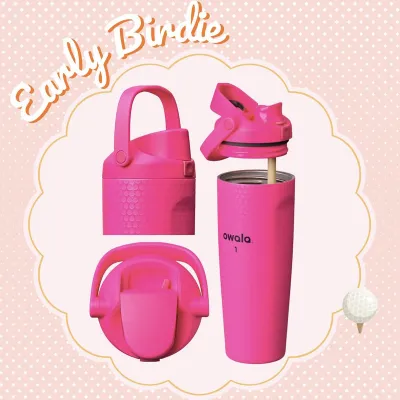
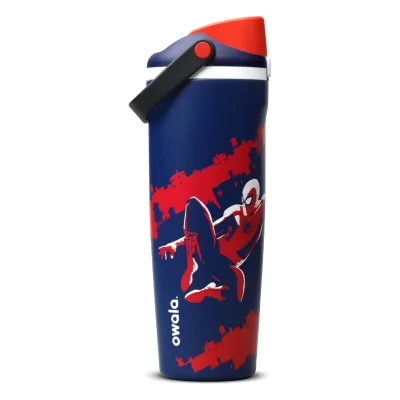
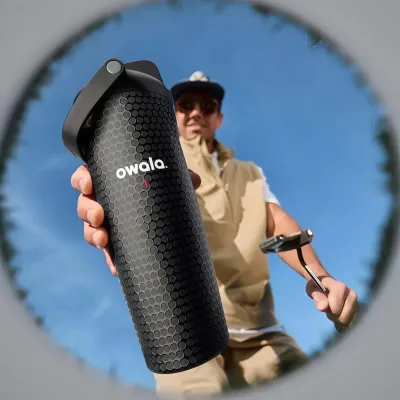
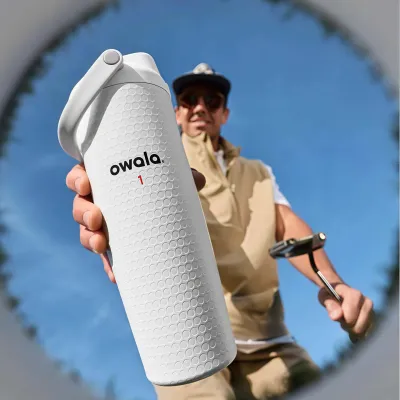
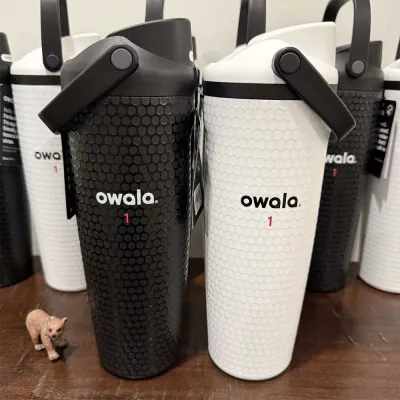
Prices are valid at publication and may change. Please refer to the product page for the latest price.
Rather than relying on generic marketing claims like keeping drinks cold for a specific number of hours, golf players should look for independent user tests that simulate outdoor conditions. A bottle tested in an air-conditioned office will perform very differently than one exposed to a four-hour round on an unshaded fairway. Look for reviews where users measure temperature changes specifically in high-heat environments to get a realistic expectation of performance.
Owala vs. Competitors: Usability and Golf Cart Compatibility
While temperature control is vital, how you interact with your bottle during a game is equally important. Owala is highly regarded for its patented FreeSip lid, which offers a unique dual-opening design. You can hold the bottle upright to sip through a built-in straw, or tilt it back to swig from the wider opening. This versatility is incredibly convenient when you are walking between shots or trying to take a quick drink before your flight partners tee off. In contrast, traditional sports bottles often use standard screw caps, which require two hands to open, or simple chug lids that can lead to spills if you drink while the golf cart is in motion.

Spill resistance is another critical factor. A bottle rolling around in the back of a golf buggy or buried in a golf bag pocket must have a reliable, leak-proof seal. Owala’s lid features a push-button lock that secures the cap, preventing accidental openings. When comparing this to competitors, inspect the silicone gaskets inside the lids. A thick, well-fitted gasket is essential for maintaining both a leak-proof seal and the vacuum integrity of the bottle.
Before purchasing, you must also verify the physical dimensions of the bottle. Golf cart cup holders vary widely in size. A bottle with a wide base, such as certain 32-ounce or 40-ounce models, may not fit into standard buggy holders, forcing you to store it in your bag where it is less accessible. Measure the diameter of your preferred bottle’s base and compare it to standard cup holders—typically around 7.5 to 8 centimeters—to ensure a snug fit that won’t tip over when navigating bumpy cart paths.
Key Specifications to Compare Before Buying
To make an informed decision, it is helpful to compare the technical specifications of your candidate bottles side-by-side. Focus on capacity, empty weight, insulation type, and lid style. For a standard round of golf in Singapore, a capacity of 24 to 32 ounces (approximately 700 to 950 milliliters) is generally the sweet spot, balancing adequate hydration with a weight that is comfortable to carry if you prefer walking the course.
Keep in mind that a heavier bottle can add noticeable weight to your golf bag. Compare the empty weight of stainless steel bottles against lightweight alternatives, noting that superior insulation often requires slightly thicker steel walls.
Additionally, check the manufacturer’s care instructions carefully. While some sports bottles are labeled as dishwasher safe, many vacuum-insulated models require hand washing to protect the integrity of the vacuum seal and the exterior powder coating. Exposing a vacuum-sealed bottle to the high heat of a dishwasher cycle can degrade the adhesive seals over time, leading to a loss of insulation performance. Finally, verify the warranty terms directly on the brand’s official website, as reputable manufacturers often offer limited lifetime warranties against material defects and insulation failures.
Decision Framework: Choosing the Right Bottle for Your Round
Choosing between an Owala and other sports bottles ultimately comes down to your personal playing style and hydration habits. If you value quick, one-handed operation and want the flexibility to either sip or swig without tilting your head back and losing sight of the fairway, the Owala FreeSip design is an excellent choice. Its secure locking lid makes it highly reliable for tossing into a golf bag or placing in a buggy.
On the other hand, if your primary goal is maximum capacity or rugged durability for harsh outdoor environments, traditional sports bottles with simplified, heavy-duty screw caps might be more suitable. These models often have fewer moving parts in the lid, reducing the risk of mechanical wear over years of heavy use.
Regardless of the brand you choose, always perform a quick physical check before heading to the course. Fill the bottle with ice and water, seal it tightly, and tip it upside down to verify the seal. Ensure the outer dimensions align with your carrying method, whether that means fitting perfectly into your golf bag’s dedicated insulated pocket or sitting securely in the cart’s console. Investing S$40 to S$70 in a high-quality, properly fitted insulated bottle will keep you refreshed and focused on your game, even during the hottest midday rounds.
Frequently Asked Questions (FAQ)
Does a wider mouth mean faster ice melting on the course?
Yes, a wider mouth can accelerate ice melting, but primarily when the lid is left open. Every time you open your bottle, warm ambient air enters and replaces the cold air inside. Bottles with narrow openings or straw designs limit this air exchange, helping to preserve ice longer. To maximize cold retention, keep the lid closed as much as possible and follow the manufacturer’s recommended ice-to-water ratio, which often suggests filling at least one-third of the bottle with ice.
Are insulated sports bottles generally dishwasher safe?
Many vacuum-insulated bottles are not fully dishwasher safe because the intense heat and harsh detergents can damage the vacuum seal or peel the exterior paint. While some brands now offer dishwasher-safe bodies, their lids—especially those with complex mechanisms or silicone seals—often require hand washing. Always check the care label or official product manual before washing to avoid voiding your warranty or compromising the bottle’s insulation.
How can I prevent my bottle from sweating in a golf cart?
A high-quality, double-wall vacuum-insulated bottle should not sweat on the exterior, even in Singapore’s high humidity. If you notice condensation forming on the outside of the metal body, it usually indicates that the vacuum seal has been compromised, often due to a hard drop or manufacturing defect. However, minor condensation on a plastic lid is normal, as plastic does not insulate as effectively as double-walled metal. If sweating occurs on the metal body, inspect it for damage or contact the manufacturer regarding a replacement.
Community discussion
Share your experience or ask a question. Comments are reviewed before publication.