
Selecting the right insulated sports water bottle often comes down to a balance between innovative lid design and raw thermal performance. While Owala has gained significant popularity for its unique sipping mechanisms, comparing its insulation capabilities to other established sports water bottle brands requires looking closely at how vacuum technology interacts with different lid styles. For active individuals and parents seeking reliable temperature retention, understanding these design trade-offs is essential to finding a bottle that keeps drinks cold throughout a humid day without leaking or losing its thermal efficiency.
Understanding Insulation in Sports Water Bottles and Sippy Cups
To evaluate how different brands perform, it helps to understand the physics of temperature retention. High-quality sports water bottles and insulated sippy cups rely on double-wall vacuum insulation. This construction features an inner and outer wall of stainless steel with the air evacuated from the space between them. Because a vacuum contains no air molecules, it prevents heat transfer by conduction or convection, keeping the liquid inside close to its original temperature. Single-wall bottles, by contrast, lack this barrier and will rapidly sweat and match the ambient temperature.
The primary point of thermal vulnerability in any insulated bottle is not the steel body, but the lid. Lids are typically made of plastic, silicone, or rubber, which do not insulate as effectively as a double-walled vacuum steel body. This creates a thermal bridge where heat can slowly enter or escape. Different lid designs—such as wide-mouth screw caps, flip-tops, straw lids, and bite valves—have varying surface areas and sealing mechanisms. A solid, insulated screw cap generally offers the best thermal barrier, whereas lids with integrated straws or complex sipping mechanisms introduce more pathways for air exchange and heat transfer.
Products mentioned in this guide
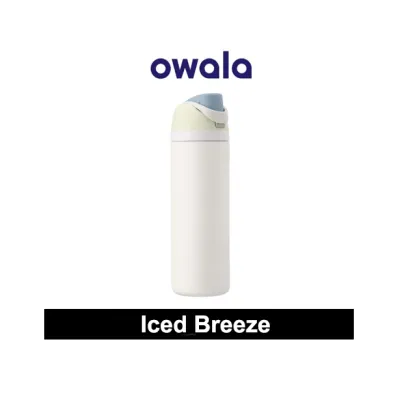
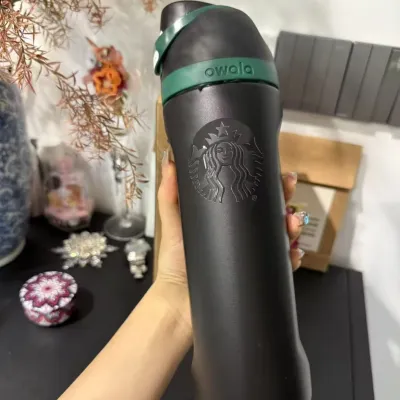
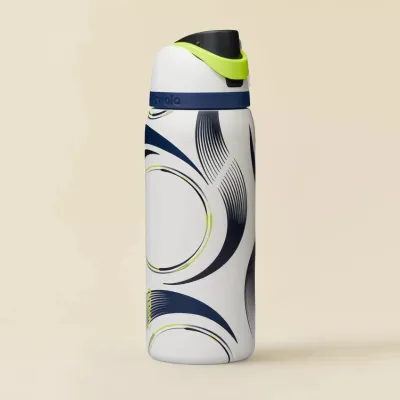
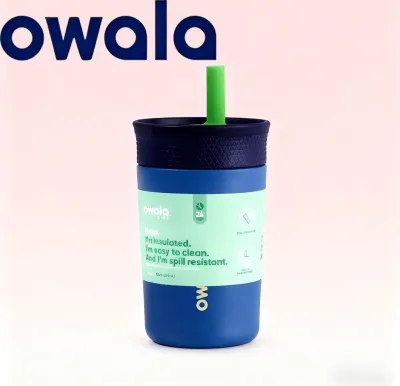
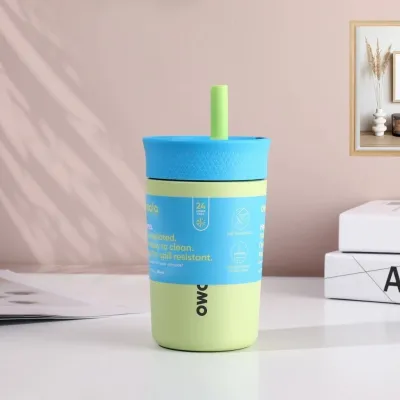
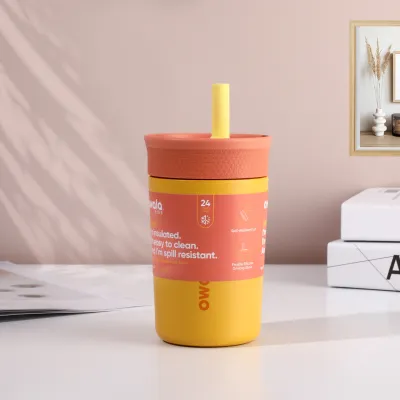
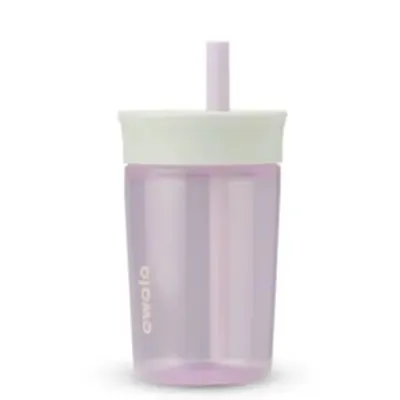
Prices are valid at publication and may change. Please refer to the product page for the latest price.
Sippy cups and children’s sports bottles face unique thermal challenges compared to standard adult thermoses. Because kids’ bottles are smaller, they have a higher surface-area-to-volume ratio, meaning they naturally lose or gain heat faster than larger containers. Additionally, sippy cups often feature specialized valves to prevent spills, which can limit the thickness of the lid material or require venting holes that slightly compromise the vacuum seal’s overall thermal efficiency during active use.
Key Dimensions for Comparing Owala and Competitors
When comparing Owala to other popular sports brands, several physical dimensions determine how well a bottle will maintain its temperature. The first is the grade and thickness of the stainless steel. Most premium brands utilize food-grade 18/8 stainless steel because of its durability and resistance to rust. However, the thickness of the inner and outer walls can vary. Thicker steel provides better structural integrity to protect the vacuum seal from drops, though it adds weight to your sports gear.

The lid sealing mechanism is the next critical factor. Owala’s signature designs often feature integrated straw and spout combinations that seal with silicone gaskets when closed. Competitors may use simple screw-on caps, heavy-duty insulated lids, or magnetic closures. To evaluate cold and hot retention limits, look at how tightly these gaskets compress when the lid is locked. A tighter, more robust seal minimizes air exchange, which is particularly important when carrying cold drinks in hot, tropical climates where the temperature differential between the inside of the bottle and the outside air is significant.
Capacity-to-surface-area ratio plays a major role in real-world performance. A 1-liter sports bottle will retain its temperature much longer than a 350ml sippy cup, even if they use identical insulation technology. If you are comparing brands, ensure you are comparing bottles of the same volume. A larger volume of liquid contains more thermal mass, making it more resistant to temperature changes when exposed to external heat.
In humid environments like Singapore, exterior condensation resistance—often referred to as sweat-proof performance—is a key comfort factor. High-quality double-wall insulation prevents moisture in the air from condensing on the outside of the bottle. If a bottle begins to sweat or feel cold on the exterior, it indicates that heat is actively transferring through the walls, which points to either a compromised vacuum seal or insufficient insulation thickness near the neck of the bottle.
How to Verify Temperature Retention Claims Before Buying
Because manufacturers use different testing standards, you should verify temperature retention claims by reading product specification labels carefully. Many brands advertise cold retention for up to 24 hours or hot retention for up to 12 hours, but these figures are often based on controlled laboratory environments where the bottle remains closed. Look for labels that specify the exact testing conditions, or check the user manual to see if the stated performance applies to daily use with frequent opening.
Safety instructions in user manuals are especially important when dealing with straw lids, bite valves, or sippy cups. Many insulated bottles designed with straws or flip-spouts explicitly warn against using them with hot liquids. This is because hot liquids can cause steam pressure to build up inside the sealed bottle, leading to sudden spraying or leaking when the spout is opened, which poses a significant burn risk. Always check the manufacturer’s maximum safe temperature limits before filling a bottle with warm or hot beverages.
You can perform a simple at-home test to verify a new bottle’s insulation performance before taking it on an outdoor trip. Fill the bottle with ice water, seal the lid tightly, and let it sit in a warm room for a few hours. The exterior of the bottle should remain completely dry and at room temperature. If you feel cold spots on the stainless steel body or notice condensation forming on the outside, the vacuum seal may be defective or damaged.
Recognizing these observable signs of insulation failure is crucial for maintaining your gear. A bottle that has lost its vacuum seal will no longer keep drinks cold and will sweat profusely in humid weather. If the exterior of the bottle becomes hot to the touch when filled with warm water, or cold when filled with ice, the insulation is no longer functioning, and the bottle should be inspected for physical damage or replaced.
Price-to-Performance Evaluation: What to Look For
In the Singapore market, premium insulated sports bottles generally range from S$30 to S$70, depending on the capacity, lid complexity, and brand reputation. When evaluating whether a bottle is worth the investment, consider the specific features that command a premium. Innovative lid designs that offer hands-free sipping, dual-function spouts, or integrated carry loops often justify a higher price point for daily convenience, even if their raw thermal retention is comparable to simpler, less expensive models.
Warranty coverage is a vital factor in the price-to-performance equation. Reputable brands often provide limited lifetime warranties that specifically cover insulation defects, such as a spontaneous loss of the vacuum seal. Before purchasing, check the brand’s local warranty policy to ensure you can easily claim a replacement if the bottle fails to maintain its temperature. A slightly more expensive bottle with a reliable warranty can offer better long-term value than a cheaper alternative that must be replaced entirely if the seal fails.
Additionally, factor in the long-term cost of replacement parts. Lids, silicone gaskets, and straws are subject to wear and tear, mold accumulation, or accidental damage over time. Brands that sell individual replacement lids and straw kits make it easy to extend the lifespan of your bottle. If a brand does not offer accessible replacement accessories in the local market, you may have to buy a completely new bottle when a minor component wears out, increasing your overall cost of ownership.
For standard daily commutes, office environments, or short gym sessions, extreme thermal retention may not be necessary. A mid-range insulated bottle that keeps water cold for a few hours will perform perfectly well for routine indoor activities. Reserve premium, heavy-duty insulated flasks for long outdoor hikes, sports tournaments, or situations where you will not have access to cold refills for an entire day.
Decision Framework: Which Brand Fits Your Hydration Needs?
Choosing the right brand depends on your specific hydration habits, safety requirements, and how you plan to use the bottle. If your primary goal is daily convenience, versatile sipping, and a stylish design for cold beverages, Owala’s unique lid innovations make it an excellent choice. The ability to sip through a built-in straw or swig from a wider spout without tilting the bottle is highly convenient for driving, working out, or casual commuting, provided you only require standard cold retention.
For those who need extreme temperature retention under harsh outdoor conditions, heavy-duty competitor brands designed for rugged expeditions may be more suitable. These bottles often feature thicker steel walls, robust insulated screw caps, and simpler designs that maximize thermal efficiency at the expense of quick-sip convenience. They are ideal for long camping trips, beach days, or outdoor sports where keeping liquids ice-cold for days is the top priority.
If you are shopping for children, specialized kids’ brands or dedicated sippy cup models are the safest option. These products are engineered with smaller capacities that are easy for small hands to hold, and they feature spill-proof valves and durable materials designed to withstand frequent drops. When selecting a kids’ bottle, prioritize brands that provide clear safety warnings regarding hot liquids and offer easily cleanable, replaceable straw parts to maintain hygiene.
Regardless of the brand you choose, always verify the compatibility of the lid with your intended beverage temperature. Never use straw lids, sippy cups, or bite-valve mechanisms for hot liquids unless the manufacturer explicitly states it is safe to do so. Prioritizing safety and matching the bottle’s design to your daily routine will ensure you get the best performance and value from your investment.
Frequently Asked Questions (FAQ)
Can you put hot liquids in an Owala sippy cup or straw bottle?
It is generally not recommended to put hot liquids in bottles equipped with straws, sippy lids, or flip-spouts. Hot liquids can create steam pressure inside the sealed container, which can cause the liquid to spray out forcefully when the lid is opened, posing a burn hazard. Always check the manufacturer’s guidelines for your specific lid model before using it with warm or hot beverages.
How do I know if my insulated water bottle has lost its vacuum seal?
The most common sign of a lost vacuum seal is the transfer of temperature to the outside of the bottle. If you fill the bottle with ice water and the exterior steel body feels cold to the touch or begins to sweat, the vacuum insulation has failed. For hot liquids, the exterior of a compromised bottle will feel hot.
Are Owala bottles dishwasher safe without damaging the insulation?
While some lids and accessories are top-rack dishwasher safe, the insulated stainless steel bodies often require hand washing to protect the vacuum seal and exterior finish. Exposing the vacuum seal to high dishwasher temperatures and harsh detergents can degrade the insulation over time. Always check the care instructions on the bottom of your bottle or in the user manual before washing.
Community discussion
Share your experience or ask a question. Comments are reviewed before publication.