
Choosing the right swimming goggles depends on your swimming environment, as the demands of a structured indoor pool differ significantly from the unpredictable conditions of open water. For lap swimming, you need low-profile, hydrodynamic goggles that stay secure during fast turns and push-offs. For open water swimming, your priority shifts to wide-angle visibility for navigation, enhanced glare protection, and long-term gasket comfort. Selecting the correct features ensures clear vision, prevents leaks, and matches your specific aquatic environment.
Key Differences Between Pool and Open Water Goggles
The fundamental difference between pool and open water swimming lies in the predictability of the environment. In a standard swimming pool, lanes are clearly marked, the water is generally calm, and overhead or ambient lighting remains relatively constant. Open water environments, such as lakes, reservoirs, or the sea, present shifting light conditions, waves, currents, and the critical need to navigate via distant landmarks or buoys.
Field of vision is the primary design differentiator. Pool goggles prioritize a streamlined, forward-focused view because swimmers only need to track the black line on the pool floor and anticipate the wall. In contrast, open water swimmers require excellent peripheral and vertical vision to spot navigation buoys, track nearby swimmers, and maintain spatial awareness in choppy water.
Products mentioned in this guide
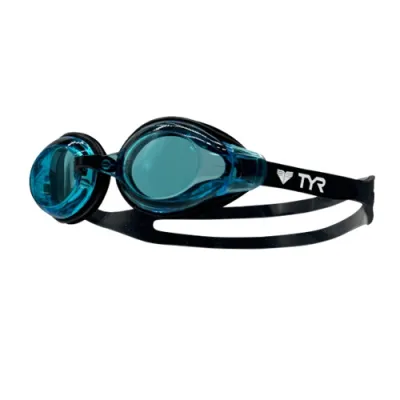
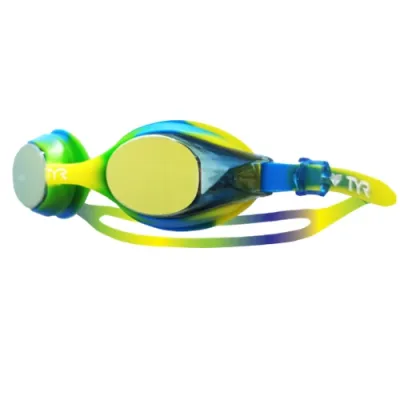
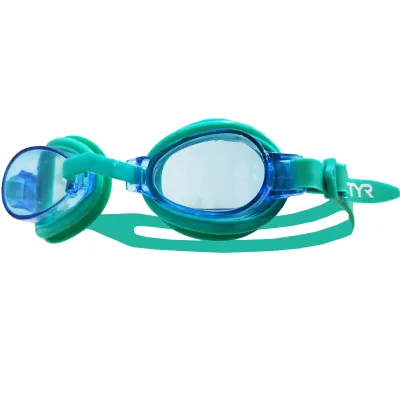
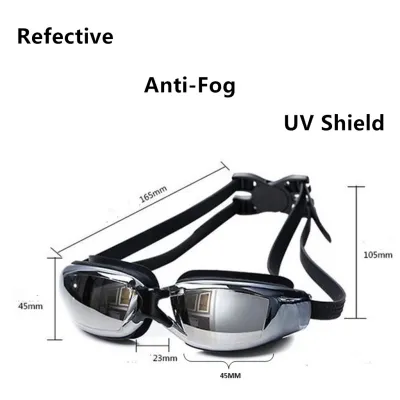
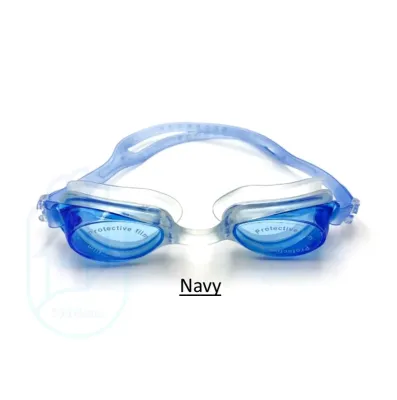
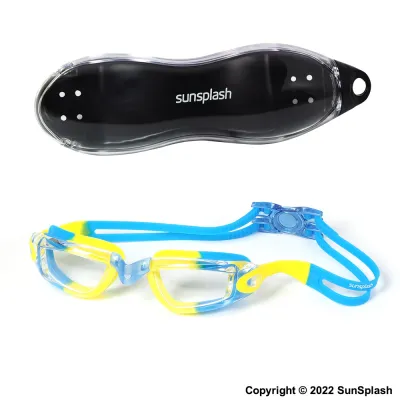
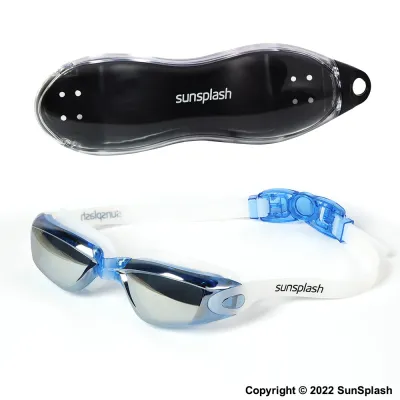
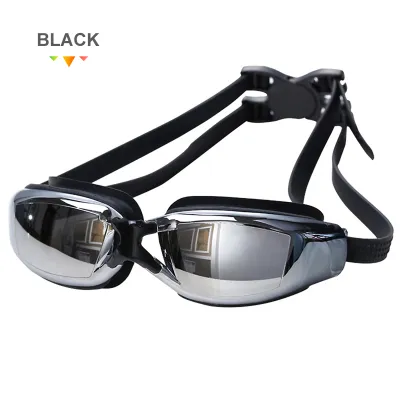
Prices are valid at publication and may change. Please refer to the product page for the latest price.
Hydrodynamics and drag reduction are highly valued in lap swimming, where every fraction of a second counts during training or competition. Pool goggles feature compact, low-profile frames that sit close to the eye sockets to minimize water resistance. Open water goggles, while still streamlined, accept slightly more drag in exchange for a larger lens surface area and enhanced facial protection against accidental kicks or waves.
Seal comfort and fit security also diverge based on swim duration and water conditions. Pool sessions often involve high-intensity intervals, dive starts, and forceful flip turns, requiring a firm, highly secure seal that resists sudden water pressure changes. Open water swims typically last longer without breaks, making soft, wide gaskets that distribute pressure across a larger surface area essential to prevent eye fatigue and bruising.
Essential Features for Lap Swimming Goggles
When selecting goggles for lap swimming, look for low-profile frames designed to sit snugly within the orbital socket. These minimalist designs reduce drag and prevent the goggles from shifting or filling with water when you push off the wall or execute a flip turn. Many competitive and training models feature a rigid outer frame paired with a thin silicone gasket to maintain structural integrity under pressure.

Lens tint selection for pool swimming depends heavily on your training venue. For indoor pools with standard overhead lighting, clear or light blue lenses offer the best visibility without distorting colors. If you train in a brightly lit indoor facility or an outdoor pool under the bright Singapore sun, dark-tinted or mirrored lenses help reduce glare and eye strain.
A secure, customizable fit is crucial for preventing leaks during high-speed laps. Look for goggles that offer interchangeable or adjustable nose bridges. Because facial structures vary widely, the ability to adjust the distance between the lenses ensures the gaskets sit perfectly on your eye sockets. Double silicone head straps with a secure locking mechanism are also preferred, as they distribute tension evenly and prevent slipping during explosive movements.
Essential Features for Open Water Goggles
Open water swimming demands gear that can handle unpredictable natural elements and long distances. Wide-angle, large-frame goggles are the standard for outdoor environments because they expand your peripheral vision. This wider field of view is essential for “sighting”—the technique of lifting your head slightly to spot buoys or landmarks to stay on course. However, remember that high-visibility goggles and clear vision are safety aids, not substitutes for open-water swimming skills, proper navigation training, and situational awareness. Always assess water conditions, currents, and your personal limits before entering open water.
Lens technology is critical for managing solar glare and changing light conditions. Polarized lenses are highly effective for open water because they filter out the horizontal glare reflecting off the water’s surface, allowing you to see buoys and hazards clearly. Mirrored lenses are excellent for bright, sunny days, while photochromic lenses, which automatically adjust their tint based on UV exposure, are ideal for swims that start at dawn and continue into full daylight.
Comfort is paramount during long-endurance swims, where you may wear your goggles continuously for an hour or more. Look for goggles with wide, soft liquid silicone gaskets. These gaskets distribute pressure over a larger area of the face, reducing the risk of headaches and deep suction marks. Additionally, choosing goggles with high-visibility frame colors, such as bright orange, yellow, or green, enhances your safety by making you more visible to boaters, kayakers, and safety crews.
Evaluating Cross-Scenario Compatibility
While dedicated swimmers often own separate pairs for the pool and open water, you might wonder if a single hybrid pair can serve both purposes. Using large-frame open water goggles in a pool is entirely possible, but you will experience increased drag. The bulkier frame may also feel cumbersome during fast flip turns, and the wide gaskets can occasionally shift if you push off the wall with high velocity.
Conversely, using low-profile pool goggles in open water presents significant safety and comfort limitations. The restricted field of vision makes sighting difficult, forcing you to lift your head higher and disrupt your swimming stroke. Furthermore, the firm, narrow seals of pool goggles can become uncomfortable during long-distance outdoor swims, and clear pool lenses offer no protection against blinding sun glare.
For casual swimmers who split their time between pool lanes and calm open water, a mid-size recreational goggle offers a practical compromise. These hybrid models feature a slightly larger frame than competitive pool goggles, providing decent peripheral vision, while maintaining a soft gasket that is comfortable for moderate distances. If you choose a hybrid option, selecting a light smoke or polarized lens provides the most versatile performance across both indoor and outdoor settings.
Fit Verification and Maintenance Standards
Regardless of the style you choose, a proper fit is the most critical factor in goggle performance. To perform the suction test, press the goggle lenses firmly against your eyes without putting the strap over your head. If the goggles stick to your face for a few seconds before releasing, the shape matches your facial structure and will likely provide a watertight seal. If they fall off instantly, air is escaping, indicating that water will leak in during your swim.
Proper maintenance is essential to preserve the clarity and lifespan of your goggles. Most modern goggles come with a factory-applied anti-fog coating on the inside of the lenses. To protect this delicate layer, never touch or wipe the inside of the lenses with your fingers, towels, or harsh chemicals. Wiping the interior can scratch the polycarbonate and permanently rub off the anti-fog treatment.
After every swim, rinse your goggles thoroughly in clean, cold freshwater to remove chlorine, salt, sand, or organic debris. Allow them to air dry completely in a shaded, well-ventilated area away from direct sunlight, as UV rays and high heat can degrade the silicone straps and gaskets. Once dry, store them in a protective pouch or case to prevent accidental scratches and maintain their shape.
Frequently Asked Questions (FAQ)
How do I safely restore anti-fog properties if the original coating wears off?
When the factory anti-fog coating eventually degrades, you can restore visibility by using a dedicated, manufacturer-approved anti-fog spray or drops. Apply the solution according to the product instructions, rinse the lenses lightly in clean water if directed, and let them dry. Avoid using household alternatives like toothpaste, dish soap, or saliva, as these can irritate your eyes or permanently damage the lens material.
Are mirrored lenses necessary for outdoor swimming in strong sunlight?
Mirrored lenses are highly beneficial but not strictly mandatory for outdoor swimming. The mirrored coating works by reflecting light away from your eyes, which significantly reduces glare and brightness on sunny days. If you swim during peak daylight hours or in highly reflective open water, mirrored or polarized lenses are highly recommended; however, dark-tinted lenses can also suffice if you swim primarily in overcast conditions or during early morning hours.
What are the signs that my swimming goggles need to be replaced?
You should replace your goggles when you notice permanent physical degradation, such as brittle or cracking silicone straps, yellowed gaskets, or deep scratches on the lenses that impair your vision. If your goggles begin to leak constantly despite adjusting the fit, or if the lenses fog up immediately even after applying anti-fog treatments, the seals or coatings have reached the end of their functional lifespan.
Community discussion
Share your experience or ask a question. Comments are reviewed before publication.