
Finding the right portable knee rest requires balancing three competing factors: support, portability, and comfort. No single design balances all three aspects for every user. A model that offers firm, unchanging elevation for post-workout recovery is often too bulky to fit into a standard gym bag. Conversely, an ultra-lightweight option designed for travel may lack the structural rigidity needed to keep your joints properly aligned during extended rest periods.
To make an informed decision, you must evaluate how and where you plan to use the knee rest. Whether you are recovering from a strenuous outdoor session, managing joint fatigue at an office desk, or looking for a compact travel companion, understanding the structural differences between wedge, inflatable, and adjustable designs is the first step. This guide provides a practical framework to help you compare these options based on your specific physical requirements and daily activities.
Identifying the Main Portable Knee Rest Designs
Portable knee rests generally fall into three distinct categories, each defined by its construction, materials, and primary method of support. Recognizing these structural differences allows you to narrow down your options based on how much physical space you have and the level of stability your joints require.
Products mentioned in this guide
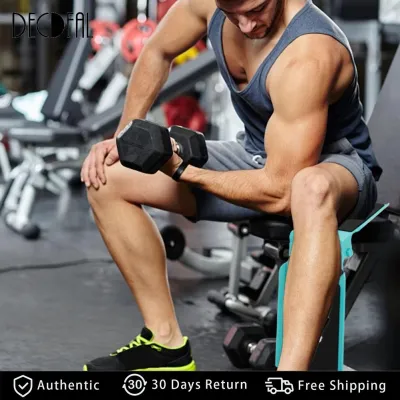
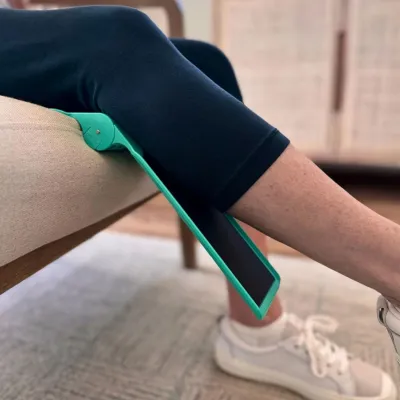
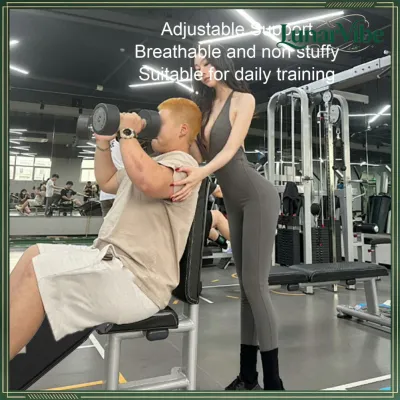
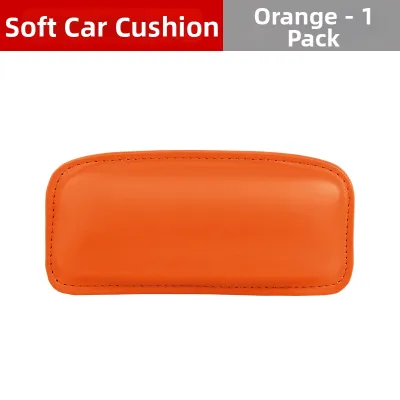
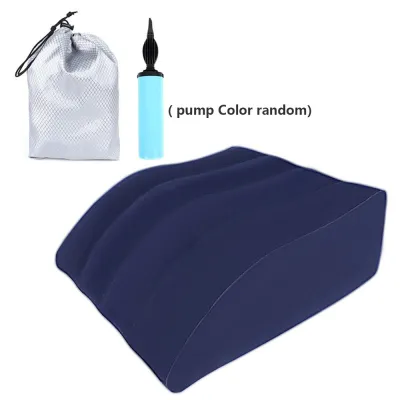
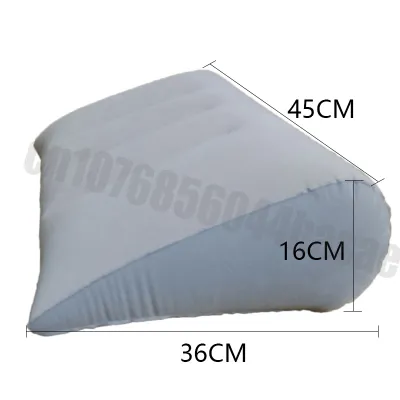
Prices are valid at publication and may change. Please refer to the product page for the latest price.
Wedge and contoured foam models rely on material density and fixed geometric shapes to provide elevation. These rests are typically made from polyurethane foam, memory foam, or a combination of both. Because they do not rely on air or mechanical parts, their shape remains entirely consistent throughout use. The contoured channels are designed to cradle the lower leg or thigh, distributing weight evenly and reducing pressure points around the knee joint.
Inflatable and air-cushion models offer a highly adjustable alternative that relies on manual or valve-based air pressure. These rests feature an internal air bladder made from durable materials like thermoplastic polyurethane (TPU) or polyvinyl chloride (PVC), often covered with a flocked or brushed fabric for a softer feel. The primary advantage of this design is its ability to deflate completely, allowing the user to fold the rest into a compact package that fits easily into a backpack or carry-on bag.
Adjustable and strap-based supports represent a more active category of knee rests. Rather than elevating the leg during static rest, these models use hook-and-loop fasteners, flexible hinges, or compression sleeves to wrap directly around the joint. They are designed to modify compression, stabilize the patella, and improve alignment while you are moving. These supports are highly portable and can be worn under or over clothing during low-impact activities.
Evaluating Support, Portability, and Comfort Trade-offs
Choosing a portable knee rest always involves a series of trade-offs. Understanding how support stability, packability, and material breathability interact will help you avoid purchasing a product that does not align with your daily routine.

Support stability is directly tied to material rigidity. Fixed foam models provide the most consistent elevation because the material does not shift or compress excessively under weight. This makes them highly reliable for maintaining a specific angle of elevation. In contrast, inflatable models can experience changes in firmness depending on air temperature, inflation levels, and body weight distribution. While you can adjust the firmness of an inflatable rest by adding or releasing air, it may lack the solid, unyielding feel of high-density foam.
Packability and weight constraints present another clear trade-off. Contoured foam rests are inherently bulky. Even travel-sized foam wedges occupy significant space in your luggage, making them impractical for air travel or long commutes. Inflatable models offer the highest level of portability, as they can be deflated to the size of a small water bottle and weigh very little. Strap-based adjustable supports are also highly packable, but they serve a different functional purpose, focusing on active compression rather than elevated rest.
Breathability and skin contact comfort are critical for any gear used for extended periods. Solid foam rests can retain body heat, especially if they lack ventilation channels or moisture-wicking covers. This heat retention can lead to discomfort and sweating during warm weather. Inflatable rests with vinyl or plastic surfaces can feel sticky against bare skin, making a high-quality fabric cover essential. Strap-based supports must balance compression with airflow, often utilizing perforated neoprene or knit fabrics to prevent moisture buildup during movement.
Choosing the Right Design for Your Specific Needs
To select the most suitable portable knee rest, you must match the design’s strengths to your primary use case, physical environment, and activity level. A structured decision framework ensures you invest in a tool that actively supports your recovery or movement goals.
If your primary goal is consistent shape retention and static elevation, a wedge or contoured foam design is the most suitable choice. These models are excellent for post-exercise recovery at home, stretching routines, or elevating your legs while working at a desk. They provide a stable platform that encourages muscle relaxation and helps reduce swelling by keeping the joint elevated above heart level without the risk of deflation.
If you travel frequently or have limited storage space, inflatable designs are a practical option. They are highly suited for long flights, hotel stays, or camping trips where packing light is essential. While they require a few moments to inflate, their ability to pack down to a fraction of their inflated size makes them highly convenient for maintaining joint comfort on the go.
If you require customizable compression and joint alignment during active, low-impact movement, you should opt for adjustable strap-based models. These are designed for walking, light hiking, or performing daily chores where the knee needs physical stabilization rather than elevation. They allow you to fine-tune the pressure around the patella and provide lateral support to help manage joint tracking.
Regardless of the design you choose, it is vital to verify your selection with a qualified healthcare professional if you are managing a specific medical condition, acute injury, or post-surgical recovery. A professional can recommend the exact angle of elevation or level of compression required for your specific rehabilitation pathway, ensuring your recovery gear does not inadvertently hinder your progress.
Essential Checks Before Purchasing
Before finalizing your purchase, performing a few practical checks on product specifications and retailer policies can save you from the inconvenience of a mismatched product. Because comfort and fit are highly subjective, these verification steps are crucial.
First, verify the sizing and dimensions of the knee rest against your physical measurements. For foam and inflatable wedges, check the height, width, and length to ensure they accommodate your leg length and body frame. For strap-based and sleeve models, use a flexible measuring tape to measure your thigh and calf circumference at the points specified by the manufacturer’s sizing chart. An ill-fitting support can restrict circulation or fail to provide adequate stabilization.
Second, examine the material care and maintenance instructions on the manufacturer’s label. Because these products come into direct contact with skin and sweat, maintaining hygiene is essential. Look for models that feature removable, machine-washable outer covers. If you are choosing an inflatable model, verify whether the surface can be easily wiped down with a damp cloth and mild soap without damaging the air valve or degrading the outer material.
Finally, confirm the retailer’s return and exchange policies. Because individual pressure tolerance and joint comfort are highly subjective, you may find that a specific material density or elevation angle does not suit your body. Ensuring that you can return or exchange the product after a brief home trial provides peace of mind and protects your investment.
Frequently Asked Questions (FAQ)
Can I use a portable knee rest for high-impact sports protection?
No, portable knee rests designed for elevation, comfort, or light compression are not suitable for high-impact sports protection. High-risk activities like skiing, mountain biking, or contact sports require specialized, certified protective braces equipped with rigid hinges, impact-resistant shells, and heavy-duty strapping systems. Portable rests and light compression sleeves do not provide the structural reinforcement needed to protect joints from sudden lateral forces or high-velocity impacts. Equipment cannot replace proper athletic training, technique, and situational judgment.
How should I clean and maintain different knee rest materials?
You should always follow the manufacturer’s specific care labels to prevent damaging the materials. For foam models, the inner core should never be submerged in water or placed in a washing machine, as this can break down the foam structure; instead, wash only the removable outer cover. For inflatable models, ensure the air valve is securely closed before wiping the exterior with a damp cloth and mild detergent, and allow it to air dry completely away from direct heat sources. For strap-based supports, hand washing in cool water with a mild soap and air drying is typically recommended to preserve the elasticity of the straps and the integrity of the hook-and-loop fasteners.

Community discussion
Share your experience or ask a question. Comments are reviewed before publication.