
Selecting the right home workout gear depends heavily on your current fitness level, joint health, and available living space. For those looking to upgrade their home workout routine, choosing between push-up boards, push-up bars, and push-up stands can be a deciding factor in training consistency. Push-up boards are generally best for beginners who require visual guidance and structured hand placements to target specific muscle groups. Push-up bars are ideal for intermediate to advanced users seeking a deeper range of motion and direct wrist relief through a fixed, elevated grip. Push-up stands, particularly those with modular or rotating bases, suit individuals who want highly customizable angles and dynamic wrist movement during their exercises.
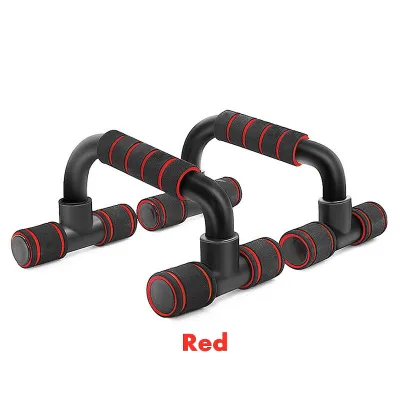
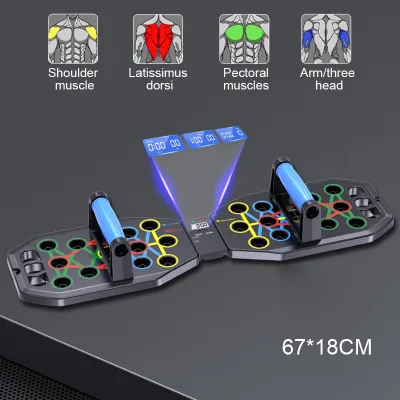
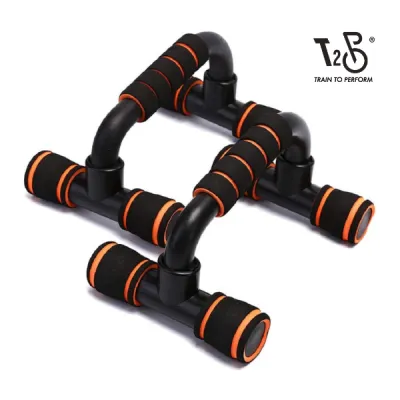
Each of these tools approaches the classic push-up from a different functional angle. Push-up bars consist of two independent, elevated handles that sit firmly on the floor, allowing you to grip them vertically or horizontally. Push-up boards feature a flat platform with a grid of pre-drilled holes and color-coded lines, allowing you to plug in removable handles at predetermined angles. Push-up stands often feature modular, dome-shaped, or rotating bases that allow the handles to turn smoothly as you lower and raise your body.
Before committing to any of these options, it is essential to evaluate your home environment and physical readiness. In compact living spaces, such as typical Singapore HDB flats, floor clearance and storage convenience are just as important as the physical benefits of the gear. You must also verify your joint comfort, as different designs place varying levels of stress on your wrists, elbows, and shoulders. Understanding these nuances ensures you select a tool that supports your long-term fitness journey without cluttering your home.
Products mentioned in this guide

Prices are valid at publication and may change. Please refer to the product page for the latest price.
Key Comparison Dimensions for Home Fitness
To find the perfect fit for your home gym, you must evaluate several practical dimensions beyond simple aesthetics. The primary factors to consider include floor space requirements, storage convenience, wrist ergonomics, and overall exercise variety. Because home workouts often take place on multi-purpose floors, the interaction between the equipment and your flooring material is a critical safety consideration.
When shopping, you should check the manufacturer’s specified weight limits, the quality of the base materials, and the texture of the grips. High-quality rubber or silicone padding on the bottom of the gear is essential to prevent slipping and protect your floors from scratches. It is also important to remember that the effectiveness and safety of any push-up accessory depend heavily on your individual physical condition and the type of floor surface you use.
Space Efficiency and Storage
In modern home environments where space is at a premium, the physical footprint of your fitness gear is a major consideration. Classic push-up bars are highly compact and can easily be stacked together or tucked away in a drawer, making them an excellent choice for minimalist setups. They require virtually no dedicated storage space and can be pulled out in seconds.
Push-up boards, on the other hand, have a much larger footprint during use due to the solid platform design. While many modern boards feature a foldable center hinge that cuts their storage size in half, they still require a flat, clear rectangular area on your closet shelf or under your bed. If you choose a board, you must ensure you have enough clear floor space to accommodate the entire platform without bumping into furniture.
Modular or rotating push-up stands sit somewhere in the middle, offering a relatively small footprint but sometimes requiring more vertical storage space due to their dome-shaped or mechanical bases. When planning your workout area, measure your dedicated floor space to ensure you have at least two meters of clear length and one meter of width. This clearance is especially important for rotating stands or wide-stance boards, which naturally encourage a wider arm span during active movement.
Joint Support and Ergonomics
One of the primary reasons fitness enthusiasts transition from flat-floor push-ups to dedicated equipment is to alleviate joint strain. Performing push-ups on a flat floor forces the wrists into a sharp ninety-degree angle, which can compress nerves and strain tendons over time. Elevated grips, such as those found on standard push-up bars and stands, allow you to keep your wrists in a neutral, straight alignment throughout the movement.
This neutral alignment redistributes your body weight through your forearms and knuckles, significantly reducing localized pressure on the wrist joint. For users who experience shoulder discomfort, rotating stands and certain board configurations offer a distinct advantage by allowing natural arm tracking. As you lower your body, your hands can rotate naturally from a pronated position to a neutral position, mimicking the natural biomechanics of the shoulder joint and reducing the risk of impingement.
However, ergonomics are highly individual, and what works for one person may cause discomfort for another. If you have a history of wrist or shoulder injuries, it is highly recommended to consult a qualified physiotherapist before starting a new routine. Additionally, always check the grip diameter of the equipment before purchasing; handles that are too thick or too thin can lead to hand fatigue and improper wrist alignment.
Versatility and Stability
The structural design of your push-up equipment directly influences the variety of exercises you can perform and how stable you feel while doing them. Standard push-up bars offer a fixed, stable base that allows you to perform deep chest stretches, mountain climbers, and even L-sits if your core strength permits. Because they are independent units, you can position them at any distance or angle to target different areas of your upper body.
Push-up boards restrict your hand placements to the pre-set holes provided on the platform, which limits spontaneous adjustments but offers a highly structured workout. This guided system is excellent for targeting specific muscle groups systematically, though it may feel restrictive for advanced users who prefer fluid, non-linear movements. The stability of a board is generally high because your body weight is distributed across a single, large platform, reducing the risk of individual handles tipping over.
Regardless of the style you choose, stability is paramount to preventing sudden slips and subsequent joint injuries. Look for equipment featuring wide, flared bases and robust, non-slip rubber padding that grips your floor securely. Before starting a high-intensity set, always verify the manufacturer’s maximum load capacity and perform a gentle test rep to check for any wobbling or sliding on your specific floor surface.
Decision Framework: Matching Equipment to Your Goals
To make an informed decision, you should match the unique characteristics of each equipment type to your personal fitness level, goals, and home constraints. A structured decision framework helps prevent buyer’s remorse and ensures your chosen tool aligns with your daily routine.

You should choose a push-up board if you are a beginner who wants clear, visual guidance on where to place your hands to target different muscle groups. The color-coded lines take the guesswork out of your workout, helping you build a consistent routine without worrying about improper hand placement. This option is ideal if you have a moderate amount of storage space, such as a dedicated shelf or space under a sofa, to house the flat platform.
You should choose push-up bars if your primary goals are achieving a deeper range of motion for chest development and maintaining strict wrist neutrality. Bars are the most compact and low-maintenance option, making them perfect for those who travel frequently or live in highly compact spaces. They are also highly versatile for advanced bodyweight exercises that require independent handle placement.
You should choose push-up stands if you want modular functionality, such as rotating bases that allow your wrists to turn naturally during each repetition. This style is excellent for intermediate users who want to integrate their push-up routine with resistance bands or require highly specific, adjustable angles to accommodate minor joint sensitivities.
However, you should avoid all of these options if you are currently experiencing severe, unresolved joint pain in your wrists, elbows, or shoulders. In such cases, your priority should be consulting a medical professional or physiotherapist to address the underlying issue. Additionally, if your home lacks a flat, stable floor area with at least two meters of clear space, you should resolve your spatial constraints before purchasing any elevated push-up equipment.
Safety Checks and Equipment Maintenance
Maintaining your fitness equipment is just as important as executing your exercises with proper form. Before every workout session, take a few seconds to perform a quick visual and physical inspection of your gear. Check the rubber or foam grips for any signs of tearing, wear, or hardening, as compromised grips can cause your hands to slip mid-exercise.
You should also inspect the non-slip rubber pads on the bottom of the bases to ensure they are clean and free of dust, hair, or debris, which can significantly reduce traction. Never use push-up equipment on uneven surfaces, loose rugs, or wet floors, as these conditions can cause the gear to tip or slide unexpectedly. If you are working out on polished tiles or smooth laminate, placing a high-traction exercise mat underneath your equipment can provide an extra layer of stability.
Finally, always adhere strictly to the manufacturer’s stated weight limits to prevent structural failure. If you notice any cracking in plastic components, bending in metal bars, or persistent slipping of the base pads, stop using the equipment immediately. Replacing worn-out gear promptly is a small investment that protects you from sudden falls and painful joint strains.
Frequently Asked Questions (FAQ)
Can I use push-up equipment on slippery tiles?
Yes, you can use push-up equipment on smooth or slippery tiles, but you must take specific precautions to ensure your safety. It is crucial to verify that the equipment features high-quality, intact rubber or silicone base pads that provide adequate grip on polished surfaces. If you notice any sliding or shifting during your initial warm-up reps, place a dedicated, non-slip exercise mat underneath the equipment to create a secure foundation. You should never use worn-out equipment with hardened or missing rubber pads on hard, polished floors, as a sudden slip can lead to immediate wrist or shoulder injuries.
Do push-up boards actually improve muscle activation?
Push-up boards do not directly alter muscle physiology, but they can improve muscle activation by guiding you into more effective hand positions. By using the color-coded slots, you can easily adjust your grip width and angle, which alters the leverage and shifts the emphasis between your chest, shoulders, and triceps. However, actual muscle growth and strength gains still depend on your execution form, tempo, and mind-muscle connection rather than the board itself. While beginners often benefit from these visual cues to learn different variations, advanced users may find the fixed paths restrictive and prefer the unrestricted freedom of standard bars or stands.
Community discussion
Share your experience or ask a question. Comments are reviewed before publication.