
When searching for the best snorkeling set brands as a beginner, the key is to focus on established dive-industry manufacturers that prioritize high-grade liquid silicone, tempered glass lenses, and reliable dry-top valve technology. While generic, low-cost sets are widely available, choosing a reputable brand ensures a watertight seal, clear vision, and effortless breathing, which are essential for building confidence in the water. By understanding how to evaluate brand standards and product features, novices can select a durable, comfortable set that transforms their underwater experience.
Rather than relying on unverified online rankings, beginners should learn to recognize the physical markers of quality that distinguish reputable water sports brands from toy-grade alternatives. This guide provides a comprehensive framework to help you evaluate snorkeling sets, understand key product specifications, and perform essential fit checks before making a purchase.
What Makes a Snorkeling Set Beginner-Friendly
A standard snorkeling set consists of three primary components: the mask, the snorkel, and the fins. Together, these tools allow you to breathe comfortably while face-down, see clearly underwater, and move efficiently across the surface. Some sets also include convenient accessories like mesh carrying bags, which allow wet gear to drip-dry, or specialized anti-fog solutions to keep your view clear. For a beginner, each of these components must feature specific design elements that minimize discomfort and reduce the learning curve.
Products mentioned in this guide
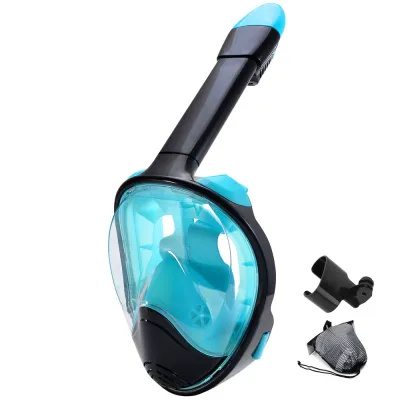
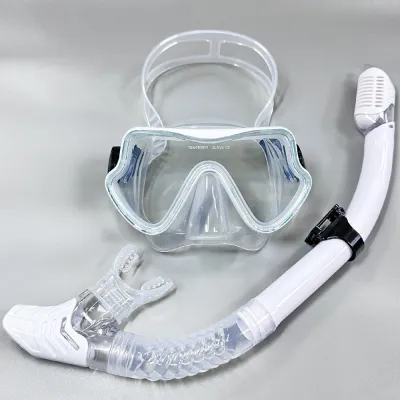
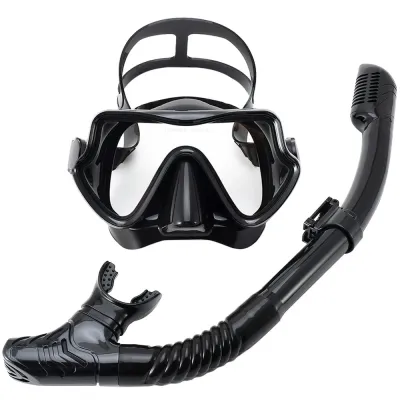
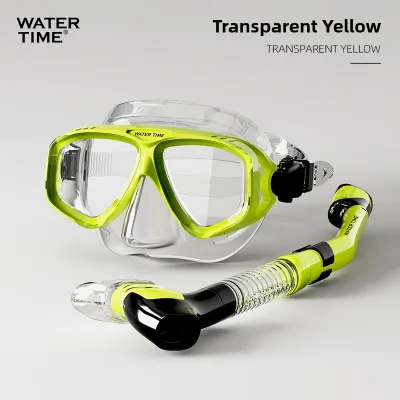
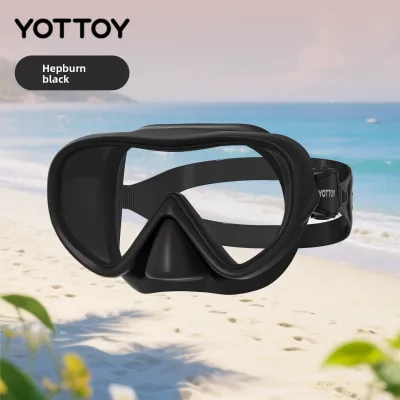
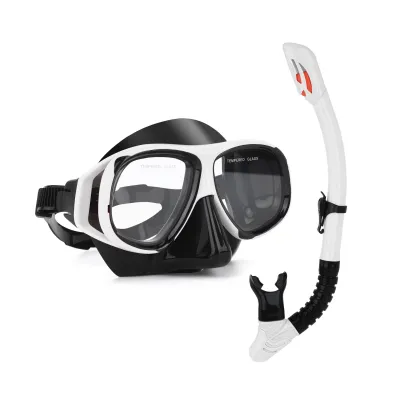
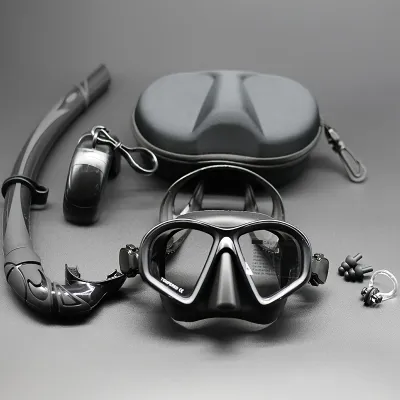
Prices are valid at publication and may change. Please refer to the product page for the latest price.
The mask is your window to the underwater world, and for beginners, a low-volume mask is highly recommended. Low-volume masks have less air space inside the frame, which means they sit closer to your face. This design offers two major benefits: it provides a wider, more natural field of vision, and it makes clearing water out of the mask much easier if a leak occurs. A beginner can clear a low-volume mask with a simple, gentle exhale through the nose, whereas a high-volume mask requires more effort and lung capacity, which can cause anxiety in inexperienced swimmers.
The snorkel is your airway, and choosing the right type is critical for preventing water inhalation. Beginners should look for dry-top snorkels, which feature a specialized float valve mechanism at the top of the tube. When a wave splashes over you or you submerge your head, the float rises to seal the tube, completely blocking water from entering. Semi-dry snorkels, by contrast, only feature a splash guard that deflects surface spray but does not seal when submerged. For a novice, a dry-top snorkel is invaluable because it prevents the sudden, panic-inducing intake of saltwater.
Fins provide the propulsion needed to navigate currents and move smoothly without exhausting yourself. For beginners, shorter, highly flexible blades are generally superior to long, stiff blades. Short fins are easier to maneuver, require less leg strength, and significantly reduce the risk of painful muscle cramps and leg fatigue. Beginners can choose between open-heel fins, which feature an adjustable strap and are worn with neoprene booties, or full-foot fins, which slip on like a shoe and are ideal for warm, calm waters.
Key Standards for Evaluating Snorkel Gear Brands
When evaluating different brands, material quality should be your primary consideration. Reputable brands construct their mask skirts and snorkel mouthpieces from 100% liquid silicone. Silicone is incredibly soft, highly flexible, and hypoallergenic, allowing it to conform comfortably to various face shapes and create a watertight seal without leaving painful red marks. In contrast, budget or generic brands often use polyvinyl chloride (PVC) or cheap plasticized rubber. These materials are stiff, fail to seal properly, and degrade rapidly when exposed to UV rays and saltwater, becoming brittle and prone to cracking.

The lens material of the mask is another critical safety indicator. High-quality brands always use tempered glass for their lenses, which is typically indicated by a small “T” or “Tempered” stamp on the glass. Tempered glass is highly resistant to scratching, provides superior optical clarity, and does not fog as easily as plastic. Most importantly, if tempered glass does break under extreme impact, it shatters into tiny, blunt granules rather than sharp, dangerous shards, protecting your eyes from severe injury. Plastic lenses, common in toy-grade sets, scratch easily, distort vision, and can crack dangerously.
A brand’s commitment to customer support and product warranties is a strong indicator of its reliability. Established manufacturers stand behind their products by offering clear warranties, typically ranging from one to two years, covering manufacturing defects. They also provide accessible customer service channels and sell replacement parts, such as replacement mask straps, snorkel keepers, or fin buckles. This means that if a single component wears out, you do not have to purchase an entirely new set, saving you money and reducing waste over time.
Finally, look for brands that verify their products through recognized safety certifications. In many regions, snorkeling gear must comply with specific standards, such as the European standard EN 1972 for snorkels or EN 16805 for masks. These certifications ensure that the snorkel tube is wide enough to allow proper air exchange without carbon dioxide retention and that the mask frame can withstand reasonable pressure. Reputable brands will clearly display these certifications on their packaging, user manuals, or official websites, giving you peace of mind regarding the gear’s safety.
Types of Entry-Level Snorkeling Sets and Their Use Cases
Understanding the different types of snorkeling sets available will help you match your gear to your specific travel plans and swimming environments. The classic option is the standard three-piece set, which includes a high-quality mask, a dry-top snorkel, and full-sized fins. This configuration is best suited for dedicated snorkeling excursions where you plan to spend hours in the water. The full-sized fins offer excellent propulsion and efficiency, making them ideal for exploring coral reefs or swimming against mild coastal currents.
For travelers who prioritize luggage space, compact or travel-friendly snorkeling sets are an excellent alternative. These sets feature shorter, lightweight fins—often referred to as trek fins or split fins—that easily fit into a standard backpack or carry-on suitcase. While these shorter fins do not provide the same level of thrust as full-sized models, they are perfectly adequate for casual swimming in calm, shallow bays or hotel lagoons. They allow holidaymakers to enjoy the benefits of personal, hygienic gear without the burden of heavy, bulky luggage.
In recent years, full-face snorkeling masks have gained popularity because they allow users to breathe naturally through both the nose and mouth while offering a panoramic 180-degree view. However, beginners must approach full-face masks with caution. These masks carry inherent safety risks, including potential carbon dioxide (CO2) buildup if the internal valve system is poorly designed or fails. Additionally, they are difficult to clear if water leaks inside, they make it impossible to pinch your nose to equalize pressure if you want to dive slightly below the surface, and they can cause panic if they fog up. If you choose to use a full-face mask, it is vital to select a highly reputable brand that publishes verified airflow testing data, and to use the mask strictly for relaxed, surface-level floating in calm water.
When planning your purchase, it helps to understand the general budget tiers. In the local market, entry-level snorkeling sets typically range from S$50 to S$120. Sets priced below S$40 are often budget-tier or toy-grade, frequently utilizing PVC skirts and plastic lenses that compromise comfort and safety. Investing in the mid-range tier (S$50 to S$120) ensures you receive a set made with 100% silicone, tempered glass, and a reliable dry-top snorkel. This price range represents the best value for beginners, offering durable gear that can last for years of tropical holidays with proper care.
Pre-Purchase Checks and Fitting Guidelines
Securing the correct fit is the single most important factor in ensuring your snorkeling set performs well in the water. Even the most expensive, highly rated brand will leak if it does not match the unique contours of your face and feet. To verify the fit of a mask before buying it—or immediately upon receiving an online order—you should perform a simple mask seal test. Clear any hair away from your forehead and face, place the mask gently over your eyes and nose without using the strap, and inhale slightly through your nose. If the mask suctions to your face and remains there securely when you let go, it indicates a proper, watertight seal. If you must inhale deeply or if the mask falls off immediately, air is leaking in, meaning water will too.
Next, evaluate the comfort of the snorkel mouthpiece. Insert the silicone mouthpiece into your mouth and gently bite down on the tabs. The mouthpiece should feel soft and sit naturally between your lips and teeth without requiring you to clench your jaw. If the bite tabs are too large, rigid, or positioned awkwardly, they will cause significant jaw fatigue and soreness within just fifteen minutes of swimming. A good brand will design mouthpieces using soft, food-grade silicone that minimizes strain on your jaw muscles.
Fin sizing requires careful attention to prevent painful blisters and cramping. If you choose full-foot fins, they should fit snugly like a pair of running shoes; if they are too loose, they will slip off with every kick, and if they are too tight, they will pinch your toes and restrict circulation. For open-heel fins, which use an adjustable strap, you have more flexibility with sizing, but you should consider wearing thin neoprene socks or booties. These socks protect your skin from friction against the rubber pocket, preventing painful blisters during extended snorkeling sessions.
If you are purchasing your snorkeling set from an online marketplace or specialty retailer, take a few precautions to ensure a successful buy. Always review the retailer’s return and exchange policies to confirm you can swap the gear if the fit is incorrect. When reading user reviews, look past general aesthetic compliments and focus on specific feedback regarding fit, strap durability, and leak reports from users with similar face shapes or shoe sizes. This practical feedback is far more valuable than a high star rating alone.
Maintenance and Safety Boundaries for New Snorkelers
Proper maintenance is essential to prolong the lifespan of your snorkeling set and ensure it remains safe to use. Saltwater, chlorine, and sand are highly abrasive and can quickly degrade even the highest-quality materials if left unchecked. After every use, thoroughly rinse your mask, snorkel, and fins in clean, fresh water to remove salt crystals and debris. Once rinsed, allow the gear to air-dry completely in a shaded, well-ventilated area. Never leave your gear to dry in direct sunlight, as ultraviolet (UV) rays rapidly degrade silicone, causing it to yellow, harden, and lose its flexibility, which ultimately ruins the mask’s seal.
Managing mask fogging is another key aspect of maintenance. New masks often have a thin film of silicone residue on the inside of the tempered glass lens left over from the manufacturing process, which causes severe fogging. You can gently scrub this film away using a non-abrasive toothpaste or a specialized mask prep agent. Before each snorkel session, apply a dedicated, manufacturer-approved anti-fog spray or gel to the dry lens, rub it in, and rinse it quickly in the water. Avoid using harsh household detergents, spit (which can introduce bacteria), or abrasive chemicals, as these can damage the lens or irritate your eyes.
It is vital to remember that high-quality snorkeling gear is a tool to assist your exploration, not a replacement for swimming ability or water safety judgment. Beginners should always stay within designated safe swimming zones, pay close attention to local flags and weather warnings, and wear a high-visibility snorkeling vest or flotation aid if they are not highly confident swimmers. Most importantly, never snorkel alone. Always use the buddy system so that someone is nearby to assist you if you experience a cramp, equipment issue, or sudden fatigue.
Before every entry into the water, perform a quick safety inspection of your gear. Check the silicone mask skirt for any tiny tears or punctures, and ensure the plastic buckles and straps adjust smoothly without slipping. Inspect the snorkel’s dry-top valve to ensure no sand or debris is blocking the float mechanism, and test the purge valve at the bottom by blowing through the mouthpiece to ensure it clears water properly. Taking two minutes to verify your equipment’s integrity before swimming can prevent stressful situations once you are in deep water.
Frequently Asked Questions (FAQ)
Do I need to buy a branded snorkeling set, or are generic ones fine?
While generic, unbranded snorkeling sets are widely available and often cheaper, they present significant trade-offs in comfort, safety, and durability. Generic sets frequently use PVC or low-grade rubber for the mask skirt and mouthpiece, which is stiff, smells strongly of chemicals, and fails to create a reliable, watertight seal. Furthermore, generic sets often feature cheap plastic lenses that scratch easily and distort your underwater vision, along with unreliable dry-top valves that can jam and let water flood into your snorkel. For a casual, one-time swim in a shallow pool, a generic set might suffice, but for open-water snorkeling, investing in an established brand is highly recommended. Trusted brands use high-grade silicone and tempered glass, ensuring a comfortable fit, clear vision, and reliable safety features that make your time in the ocean safe and enjoyable.
Can I use my snorkeling set for scuba diving or freediving?
No, entry-level snorkeling sets are generally not suitable or safe for scuba diving or freediving. Snorkeling masks are typically designed with a higher internal volume, which is perfectly fine for surface swimming but becomes highly uncomfortable and difficult to equalize under the pressure of deeper water. Scuba and freediving require low-volume, high-pressure-rated masks that can withstand depth without squeezing your face. Additionally, snorkeling snorkels often feature bulky dry-top valves that create excessive drag and can trap air under pressure, which is dangerous during rapid ascents. Snorkeling fins are also designed for casual surface kicking and lack the stiffness, length, or specialized blade dynamics required to propel a diver carrying heavy scuba tanks or to maximize oxygen efficiency during a deep freedive. Snorkeling gear should be kept strictly for surface-level observation.
How often should I replace my beginner snorkeling set?
With proper care and maintenance, a high-quality beginner snorkeling set can easily last for several years, but you must replace components immediately if they show signs of wear. Over time, exposure to UV rays, salt, and chlorine will inevitably cause silicone to lose its elasticity, turn yellow, or become stiff, which compromises the mask’s seal. You should inspect your gear regularly for visual and functional triggers, such as hairline cracks in the plastic buckles, tears in the silicone strap, or a stiffened purge valve membrane in the snorkel. If the mask begins to leak constantly despite adjustments, or if the snorkel’s dry-top valve no longer seals smoothly, it is time to replace those parts. Fortunately, because reputable brands offer replacement straps and valves, you can often extend the life of your set by replacing individual parts rather than buying an entirely new set.
Community discussion
Share your experience or ask a question. Comments are reviewed before publication.