
Choosing between a rigid and a flexible finger splint depends on the severity of your injury, the stage of your recovery, and your daily activity requirements. A rigid splint acts as a strict stabilizer, locking the joint in place to allow damaged tissues or bones to heal without the risk of accidental bending. In contrast, a flexible splint provides mild compression and light support, allowing you to maintain a degree of mobility for daily tasks like typing or low-impact sports. Understanding how these two options function ensures you select a support tool that aids recovery without causing unnecessary stiffness or secondary complications.
Assessing Your Finger Injury and Support Needs
Before purchasing any support, evaluate your finger injury to determine if self-treatment is appropriate. Minor issues, like a mild sprain from a basketball game or a slightly jammed finger from daily chores, often respond well to temporary support and rest. In these cases, a splint protects the joint from further irritation while the body heals. However, a splint is strictly a supportive aid and never a replacement for professional medical diagnosis.
Self-treatment carries risks if a serious injury is misidentified. Establish clear stop conditions and seek immediate medical evaluation if you observe visible deformity, such as a finger resting at an unnatural angle. Severe pain, open wounds, or a complete loss of sensation in the fingertip are critical warning signs. If you experience numbness, tingling, or if the fingertip feels cold, avoid self-splinting and consult a healthcare professional immediately to rule out fractures or nerve damage.
Products mentioned in this guide
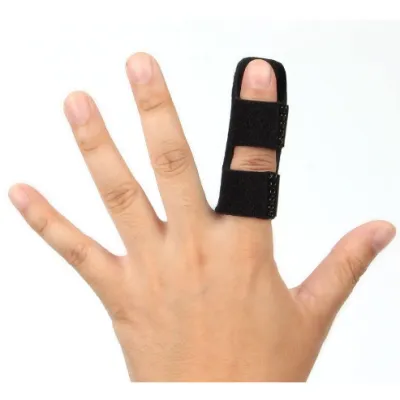
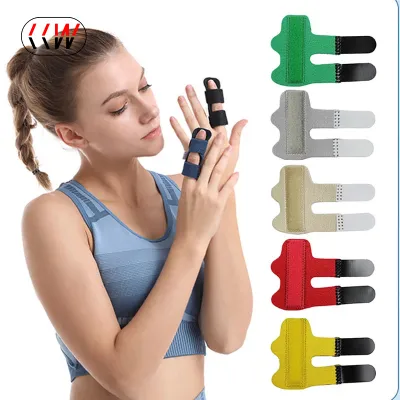
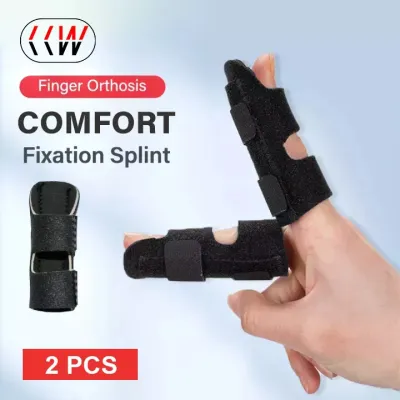
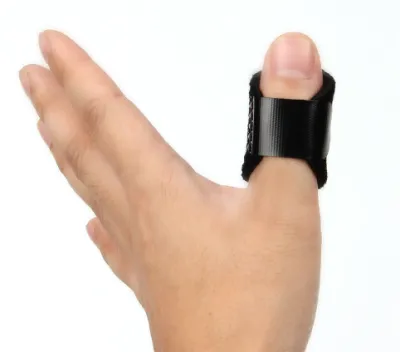
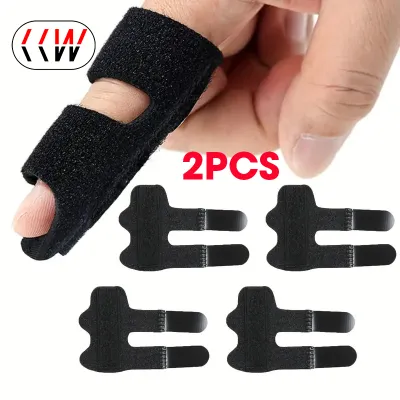
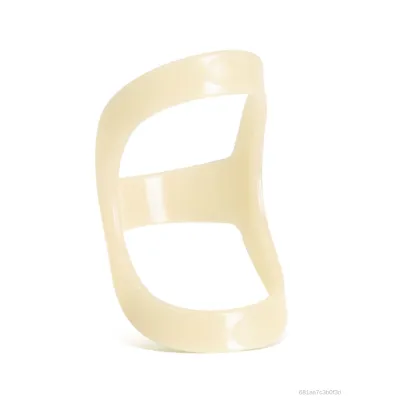
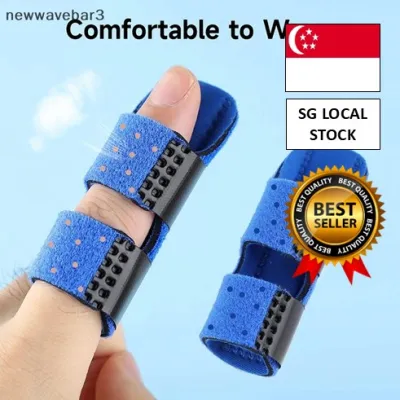
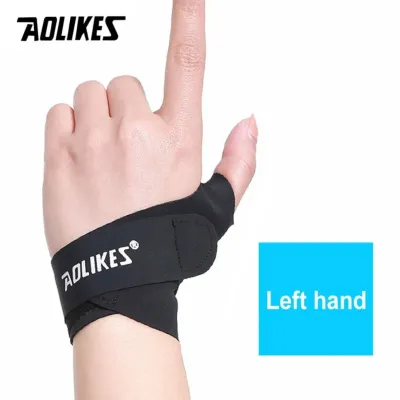
Prices are valid at publication and may change. Please refer to the product page for the latest price.
Rigid Finger Splints: When Maximum Immobilization is Required
Rigid finger splints are engineered for situations where any movement of the injured joint could disrupt healing. These splints typically feature a structural core made of malleable aluminum or stiff plastics that physically prevent the finger from bending. By locking the joint into a straight or slightly curved therapeutic position, a rigid splint shields the vulnerable area from external impacts and accidental movements during sleep or daily activities.

This high level of stabilization is suitable for acute injuries, such as suspected minor fractures, severe sprains, or tendon injuries like mallet finger, where tissues must remain completely slack to heal. By eliminating movement, the rigid structure allows delicate fibers to knit back together without being repeatedly stretched. This protective barrier is also beneficial when navigating crowded spaces where the hand might bump into hard surfaces.
However, absolute stability comes with significant functional trade-offs. Immobilizing a finger reduces your overall grip strength and limits your ability to perform fine motor tasks like writing or typing. The bulkiness of the materials can make the splint feel cumbersome, and wearing one for extended periods can lead to temporary joint stiffness that requires gradual rehabilitation later.
Additionally, rigid materials increase the risk of skin irritation and pressure sores. Because these splints must fit snugly, any rough edges or lack of cushioning can rub against the skin, especially in humid environments like Singapore where sweat can accumulate. When selecting a rigid splint, verify that the product features adequate foam padding, a soft inner lining, or breathable ventilation holes to protect the skin barrier.
Flexible Finger Splints: Balancing Support with Mobility
Flexible finger splints offer a balance between joint protection and functional movement. Constructed from soft, elastic materials like neoprene, knitted fabrics, or silicone sleeves, these supports provide gentle compression around the affected joint. Instead of completely locking the finger in place, a flexible splint acts as a physical reminder to limit extreme movements while allowing you to perform basic daily tasks.
This moderate support is ideal for minor sprains, mild joint instability, or the late stages of rehabilitation when a rigid splint is no longer necessary. The compression helps manage localized swelling and improves proprioception—your body’s awareness of the joint’s position—which can prevent awkward movements that might re-injure the finger. It is a practical choice for transitioning back to regular activities after partial healing.
The primary advantage of a flexible splint is comfort during extended wear. Because the materials conform to the natural contours of your hand, they easily accommodate movements required for typing, writing, or managing household chores. This flexibility makes them highly compatible with active lifestyles, allowing users to maintain hand function without feeling completely restricted by a bulky brace.
Despite these benefits, flexible splints have clear limitations and are not suitable for acute, unstable injuries. They do not provide sufficient structural resistance to protect a finger from heavy loads, high-impact collisions, or accidental crushing forces. Relying on a flexible sleeve for an acute fracture or a completely ruptured tendon can lead to improper healing, chronic joint instability, or permanent deformity.
Comparing Rigid and Flexible Splints for Your Lifestyle
Choosing between these options requires comparing how each splint fits into your daily routine, work demands, and physical activities. While a rigid splint offers maximum protection, it severely limits your hand’s utility, which can be highly disruptive if your job requires constant typing or manual dexterity. A flexible splint preserves your ability to work and perform chores but leaves the healing joint more vulnerable to accidental bumps or strain.
Durability and maintenance are also key considerations, particularly in warm, humid climates where sweat and moisture can lead to odor and bacterial growth. Rigid splints with plastic or aluminum components are generally easy to wipe clean and dry quickly, though their foam padding may require careful hand-washing. Flexible splints made of neoprene or fabric blends absorb sweat readily and must be washed frequently to maintain hygiene, meaning you may need to purchase multiple sleeves to allow for drying time.
To help you weigh these factors, the following comparison matrix outlines the key differences between rigid and flexible finger splints:
| Feature | Rigid Finger Splints | Flexible Finger Splints |
|---|---|---|
| Primary Material | Aluminum, hard plastics | Neoprene, elastic fabric, silicone |
| Immobilization Level | High (completely restricts joint movement) | Low to moderate (allows controlled movement) |
| Best For | Acute sprains, suspected fractures | Minor sprains, late-stage recovery |
| Daily Activity Compatibility | Low (limits typing, writing, and gripping) | High (supports typing, light chores, active use) |
| Skin Breathability | Variable (requires ventilation holes/padding) | Moderate (absorbs moisture, requires regular washing) |
| Protection from Impact | High (shields against external bumps) | Low (does not protect against heavy impacts) |
Ultimately, the optimal choice depends entirely on the specific phase of your injury and your daily requirements. An injury that initially requires the strict immobilization of a rigid splint may later benefit from the gentle support of a flexible splint as the tissues heal and joint mobility needs to be gradually restored.
Sizing, Fitting, and Safety Checks for Finger Splints
An improperly fitted splint can delay healing or cause secondary injuries, making correct sizing and regular safety checks essential. To find the right size, use a soft measuring tape to measure both the circumference of the affected finger joint and the overall length of the finger, then compare these measurements to the manufacturer’s specific sizing chart. A splint that is too loose will slide out of position and fail to provide adequate support, while one that is too tight can restrict blood circulation and damage peripheral nerves.
Once the splint is applied, perform a capillary refill test to verify that blood flow is not restricted. Gently press down on the fingernail of the splinted finger until it turns pale, then release the pressure. The natural pink color should return within two seconds; if it takes longer, the splint or its straps are likely too tight and must be loosened immediately.
Monitor your finger continuously while wearing any support and remove the splint immediately if you experience warning signs of compromised circulation or nerve compression. These signs include numbness, a persistent tingling sensation, a feeling of coldness in the fingertip, or visible color changes such as the skin turning pale, blue, or purple. If these symptoms do not resolve quickly after removing or adjusting the splint, seek medical attention.
Always follow the specific wearing instructions provided by the manufacturer, paying close attention to how straps or fasteners should be secured. Adjust the straps so the splint feels secure and stable, but avoid over-tightening them in an attempt to gain extra support. If the product instructions recommend a specific wearing schedule, adhere to it closely to balance joint protection with necessary skin rest.
Recovery Milestones: When to Switch or Seek Medical Care
As your finger heals, your support needs will naturally change, requiring you to transition between different levels of immobilization. A common progression involves starting with a rigid splint to protect the acute injury, then transitioning to a flexible splint once the initial pain and swelling have subsided and the joint shows signs of stability. This transition allows you to gradually reintroduce movement, which is vital for preventing long-term joint stiffness and muscle atrophy in the hand.
However, remain vigilant for red flags that indicate your recovery is not progressing as expected. If you experience a sudden increase in pain, worsening swelling, or if the joint feels increasingly unstable after transitioning to a lighter support, you should immediately revert to a higher level of protection and consult a professional. A lack of visible improvement after several weeks of consistent splinting is also a clear sign that the injury requires a more detailed medical assessment.
For a safe and effective recovery, consider seeking guidance from a physiotherapist or an orthopedic specialist. These professionals can design a tailored rehabilitation plan that includes specific stretching and strengthening exercises to restore your finger’s full range of motion. They can also provide personalized advice on when it is safe to discontinue splint use entirely, ensuring you do not return to high-impact activities before the joint is fully capable of handling the stress.
Frequently Asked Questions (FAQ)
Can I wear a finger splint while sleeping?
Whether you should wear a finger splint while sleeping depends on the injury type and professional advice. For acute injuries or conditions like mallet finger, continuous overnight immobilization is often necessary to prevent accidental bending that disrupts healing. However, sleeping in a splint carries a risk of restricted circulation if it shifts. Ensure the splint fits correctly, straps are not over-tightened, and check for numbness or tingling immediately upon waking.
How long should I wear a splint for a sprained finger?
Splinting duration varies based on injury severity. Minor sprains may only require support for a few days, while severe ligament injuries can take several weeks of immobilization followed by rehabilitation. Follow a timeline provided by a healthcare professional rather than guessing. Prolonged, unnecessary splinting can cause joint stiffness and muscle weakness, so gradually reintroduce gentle movement as soon as it is safe and pain-free.
Is it safe to exercise or play sports with a finger splint on?
Exercising with a finger splint depends on the activity and injury status. Low-impact exercises like running or stationary cycling are generally safe if the splint remains secure and dry. However, avoid high-impact or contact sports like basketball or rugby, where the finger is vulnerable to direct impacts. Relying on a splint to protect an unhealed injury during intense sports can lead to severe re-injury; consult a specialist for sport-specific taping or bracing advice.
Community discussion
Share your experience or ask a question. Comments are reviewed before publication.