
Selecting the right TFCC wrist brace depends on your current recovery stage and the physical demands of your daily activities. A rigid brace serves as a protective shield during the acute phase of an injury, locking the joint to allow delicate tissues to heal. Conversely, a flexible brace acts as a dynamic support system, offering compression and stability while allowing the controlled movement necessary for rehabilitation and sports. Because the triangular fibrocartilage complex is a complex, load-bearing structure on the ulnar side of your wrist, aligning your brace selection with your specific healing timeline is essential for a safe recovery.
Understanding Rigid vs. Flexible TFCC Brace Designs
To make an informed choice, it is helpful to understand how these two categories of braces interact with your wrist anatomy. The triangular fibrocartilage complex (TFCC) stabilizes the distal radioulnar joint and cushions the connection between the ulna and the carpal bones. When this area is injured, even minor wrist rotation can cause sharp pain and delay healing.
Rigid braces are engineered to restrict movement as much as possible. They typically incorporate hard metal or plastic stays, splints, or molded thermoplastic shells. By physically blocking wrist rotation (pronation and supination), flexion, extension, and ulnar deviation, these braces protect the joint from shear forces and accidental impacts.
Products mentioned in this guide
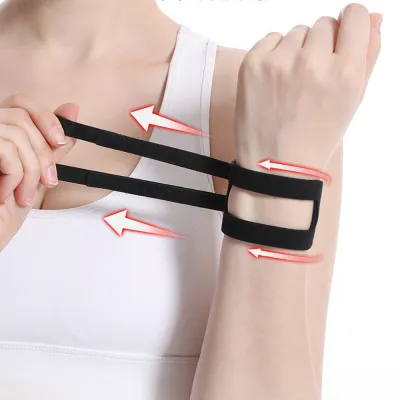
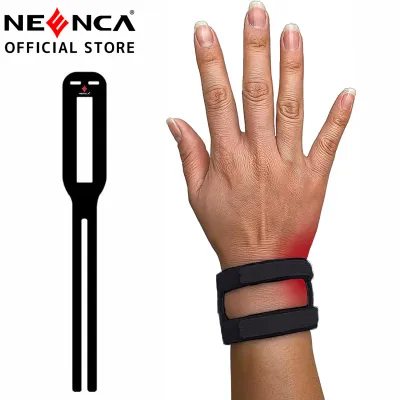
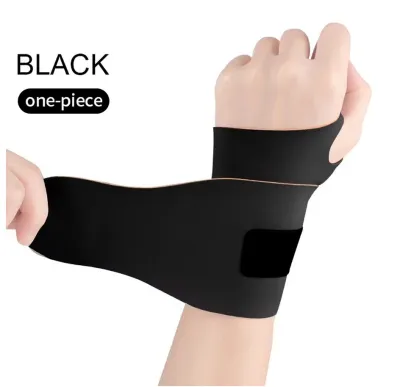
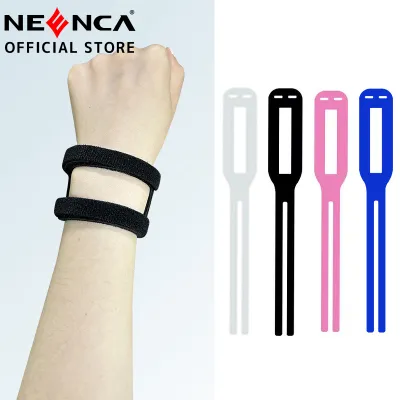
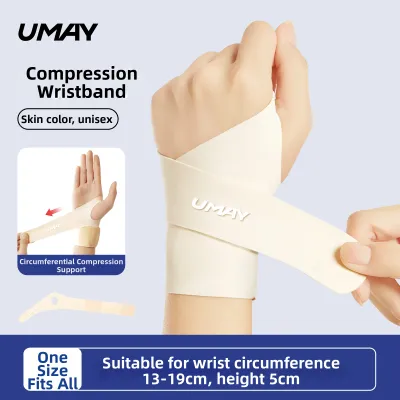
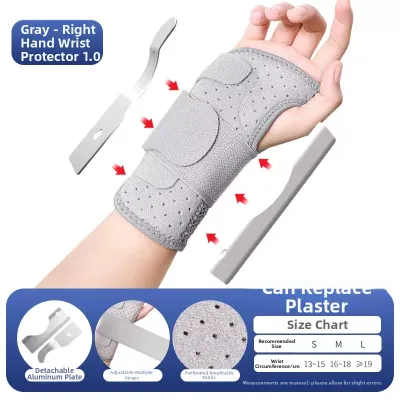
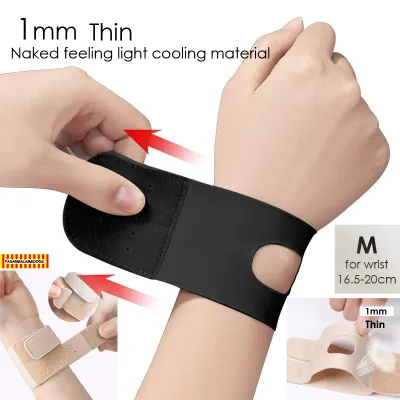
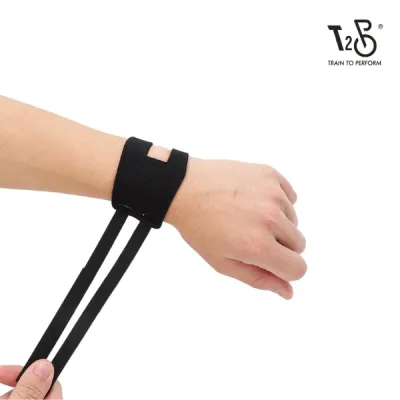
Prices are valid at publication and may change. Please refer to the product page for the latest price.
Flexible braces, on the other hand, prioritize mobility and compression. They are usually constructed from elastic sleeves, neoprene, or adjustable soft straps. Rather than locking the joint, they apply targeted pressure to the ulnar side of the wrist. This compression helps stabilize the distal radioulnar joint while providing proprioceptive feedback, which improves your awareness of joint positioning during movement.
| Feature | Rigid TFCC Brace | Flexible TFCC Brace |
|---|---|---|
| Structural Elements | Metal or plastic stays, rigid splints, thermoplastic shells | Elastic sleeves, adjustable tension straps, soft neoprene |
| Primary Function | Complete joint immobilization and structural protection | Targeted compression, mild stabilization, proprioceptive feedback |
| Mobility Restriction | High (blocks rotation, flexion, and deviation) | Low to Moderate (allows controlled range of motion) |
| Best Suited For | Acute injuries, post-surgery, severe instability | Sub-acute recovery, active sports, daily low-impact tasks |
Matching Your Brace to the TFCC Recovery Timeline
Your recovery journey from a TFCC injury generally progresses through distinct phases, each requiring a different level of joint support. Aligning your brace type with these phases ensures you do not immobilize the wrist for too long or expose it to premature stress.

During the acute phase, which immediately follows an injury or surgical procedure, the primary goal is tissue protection. The torn cartilage and surrounding ligaments are highly vulnerable to further damage from everyday movements. A rigid brace is essential during this stage to keep the wrist in a neutral position, preventing the twisting motions that strain the ulnar side of the joint.
As you enter the sub-acute and rehabilitation phase, your focus shifts to restoring mobility and strength. Prolonged immobilization beyond this point can lead to joint stiffness and muscle weakness. Transitioning to a flexible brace allows you to perform controlled physical therapy exercises while maintaining a baseline of joint stability and compression.
In the maintenance phase, your wrist may feel strong during daily tasks but remain vulnerable during high-stress activities. Wearing a minimal, highly targeted flexible brace or strap during these specific moments can prevent re-injury. This approach provides localized support to the ulnar head without restricting the functional movement needed for your active lifestyle.
Choosing the Right Support for Your Sports and Daily Tasks
Your daily routine and athletic pursuits dictate the physical demands placed on your wrist, making them critical factors in your brace selection.
For daily and low-impact tasks, such as typing at a computer, light household chores, or driving, a bulky rigid brace can feel overly restrictive and uncomfortable. A low-profile flexible brace is highly suitable for these scenarios. It fits easily under long sleeves, allows full finger dexterity, and provides enough compression to manage minor aches while you go about your day.
High-impact and racquet sports, such as tennis, badminton, and golf, subject the wrist to rapid rotational forces and sudden impacts. A sudden ulnar deviation during a badminton smash or a golf swing can easily aggravate a healing TFCC. Depending on your recovery stage, you may require a heavily strapped flexible brace with dual-tension bands to secure the ulnar head, or a semi-rigid guard that limits extreme lateral bending while allowing a secure grip.
Weight-bearing activities like gymnastics, weightlifting, and yoga present a different challenge by placing direct axial loads on an extended wrist. This position compresses the TFCC between the carpal bones and the ulna. Standard flexible sleeves rarely offer enough support for these heavy loads. If you are returning to weight-bearing exercises, you may need specialized rigid wrist wraps designed to transfer load away from the ulnar side, or you must modify your movements to avoid deep wrist extension.
Decision Framework: Which TFCC Brace Should You Choose?
To simplify your decision, use this conditional framework to match a brace design to your current physical state and recovery goals.
Choose a rigid TFCC wrist brace if:
- You are in the first few weeks of an acute injury or are recovering from recent wrist surgery.
- You experience sharp, severe pain during basic, unloaded movements like turning a doorknob or holding a cup.
- Your healthcare provider has prescribed strict immobilization to allow structural healing.
Choose a flexible TFCC wrist brace if:
- You are transitioning out of a rigid splint and entering the active rehabilitation phase.
- Your pain is mild to moderate, occurring primarily during specific physical activities rather than at rest.
- You require a functional range of motion for sports, gym workouts, or daily professional tasks.
Before purchasing any brace, verify your symptoms with a physiotherapist or orthopedic specialist if you experience persistent clicking, a feeling of joint instability, numbness or tingling in your ring and pinky fingers, or sudden grip weakness. These symptoms can indicate complete structural tears or nerve compression that a brace alone cannot resolve.
Fit, Comfort, and Safety Checks Before You Buy
Selecting the correct brace type is only half the battle; ensuring a proper fit and safe usage is equally important for your recovery.
When evaluating sizing and adjustability, never guess your size. Measure your wrist circumference accurately using a flexible measuring tape and compare it to the manufacturer’s sizing chart. Look for braces featuring dual-strap or targeted tension systems, which allow you to adjust the pressure directly over the ulnar head without constricting the rest of your hand or forearm.
Material and breathability are crucial considerations, especially in Singapore’s warm and humid climate. While neoprene offers excellent compression and soothing warmth, it can trap sweat during prolonged wear. If you plan to wear the brace throughout the day, prioritize moisture-wicking, breathable fabrics or perforated designs to prevent sweat buildup, skin irritation, and chafing.
Safety must always be your top priority when using orthopedic supports. You must remove the brace immediately if you observe any signs of compromised circulation or nerve compression. These stop conditions include numbness, tingling in your fingers, cold skin, a bluish tint to your fingernails, or increased throbbing pain. Adjust the straps to a looser setting or consult a healthcare professional before re-applying the brace.
Frequently Asked Questions (FAQ)
Can I wear a TFCC wrist brace while sleeping?
Wearing a brace during sleep depends on your current recovery stage. During the acute phase, a rigid brace is often recommended for nighttime wear to prevent unconscious wrist bending, twisting, or rolling onto your hand, which can easily disrupt healing tissues. However, for flexible braces, it is generally advisable to remove them at night to allow your skin to breathe and prevent continuous, unmonitored compression, unless your doctor or physiotherapist has specifically instructed otherwise.
How tight should a flexible TFCC brace be?
A flexible TFCC brace should feel snug, supportive, and secure, particularly around the ulnar side of the wrist, without causing discomfort. It should provide a firm, stabilizing compression that minimizes micro-movements of the distal radioulnar joint. If you experience any throbbing, coldness in your fingertips, or a pins-and-needles sensation, the brace is too tight. Always adjust the straps so that you maintain full, healthy blood circulation and normal skin color while still feeling the stabilizing compression.

Community discussion
Share your experience or ask a question. Comments are reviewed before publication.