
Selecting the right bicycle lock is a critical decision for safeguarding your investment, whether you are commuting to work, stopping along the Park Connector Network, or leaving your bike at a transit hub. The ideal Rockbros lock format depends entirely on your parking environment, unattended duration, and carrying preference. While no single lock suits every scenario, understanding the trade-offs between security, weight, and convenience will help you make an informed choice.
Generally, U-locks offer the highest structural rigidity for high-risk areas, folding locks provide a compact middle ground, and cable locks deliver maximum flexibility for low-risk, quick stops. To find the right balance, you must evaluate three core decision dimensions: physical security specs, portability, and locking infrastructure compatibility.
Rockbros Lock Formats: Cable, U-Lock, and Folding
To choose the most effective security setup, it is essential to understand the structural differences and basic operating principles of the three primary Rockbros lock formats. Each design addresses a distinct balance of physical strength, flexibility, and storage efficiency.
Products mentioned in this guide
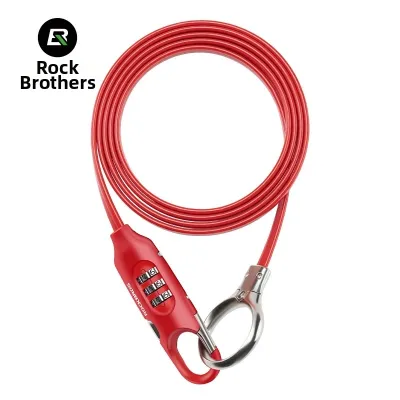
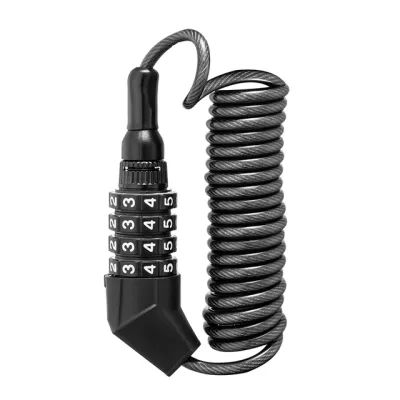
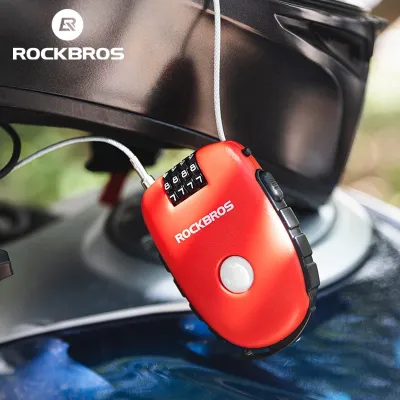
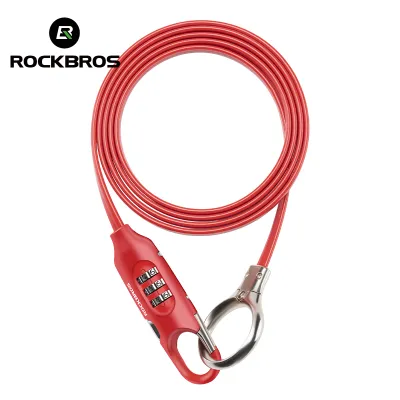
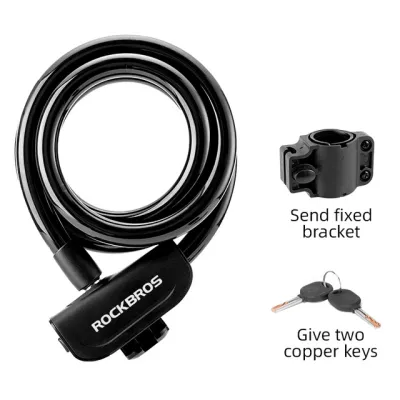
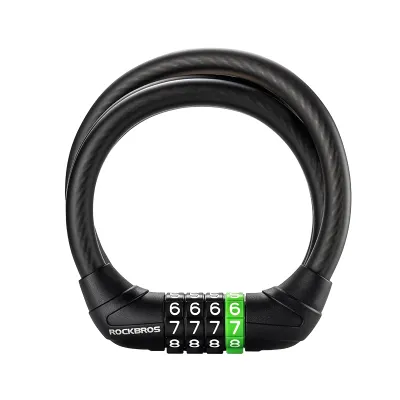
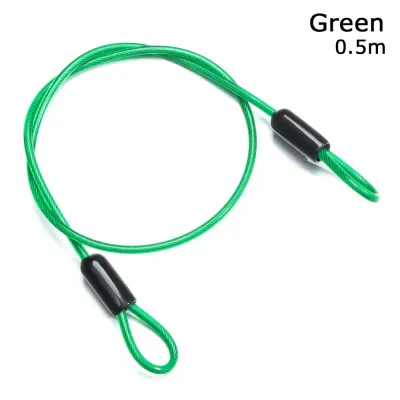
Prices are valid at publication and may change. Please refer to the product page for the latest price.
Cable locks consist of flexible, braided steel cables encased in a protective PVC coating to prevent scratching your bicycle frame. These locks typically utilize integrated combination dials or key-operated lock cylinders, allowing you to loop the cable through multiple components like the frame and wheels. The flexibility of the braided steel allows the lock to coil tightly, making it highly adaptable to awkwardly shaped anchor points.
U-locks, also known as D-locks, feature a rigid, U-shaped shackle made of hardened steel that secures into a heavy-duty crossbar. This design focuses entirely on solid structural integrity, minimizing the physical space or gaps that an intruder could exploit with leverage tools. Because the shackle is completely rigid, it requires a direct, physical fit between your bicycle frame and the locking anchor.
Folding locks represent an innovative hybrid design, utilizing a series of articulated steel plates or links connected by heavy-duty, rotating rivets. This construction allows the lock to fold down into a compact, rectangular block for transport, while unfolding into a semi-flexible loop when securing your bicycle. The flat steel links provide a much higher level of rigidity than a standard cable, while offering significantly more positioning versatility than a traditional U-lock.
Comparing Security Levels and Cut Resistance
Evaluating theft deterrence requires focusing on verifiable physical specifications and material properties. When comparing Rockbros locks, security is directly tied to the thickness of the locking element, the hardness of the metal, and the complexity of the locking mechanism.

The first physical specification to verify is the shackle or link thickness, typically measured in millimeters. For maximum cut resistance, look for hardened steel shackles on U-locks or steel plates on folding locks that exceed 12 millimeters in thickness, as thinner metals are more vulnerable to manual hand tools. When examining cable locks, distinguish between the actual diameter of the internal steel cable and the thickness of the external plastic sleeve, as a thick-looking cable may contain a relatively thin metal core.
Vulnerability to common theft tools varies dramatically across these three formats. Flexible cable locks can often be severed quickly with standard hand-held wire cutters, which is why they are not recommended as primary security in high-theft areas. In contrast, thick hardened steel U-locks and heavy-duty folding links typically require specialized, high-leverage bolt cutters or power tools to defeat, creating a much stronger physical and visual deterrent.
Beyond the physical barrier, the security of the locking mechanism itself plays a vital role. High-quality locks utilize advanced disc-detainer or pin-tumbler cylinders designed to resist picking and drilling. When reviewing product specifications, check for features such as double-bolting mechanisms on U-locks, which require a thief to cut both sides of the shackle to free the bicycle.
As a final verification step, check the specific model’s packaging or documentation for independent security certifications. Look for recognized industry standards, such as Sold Secure ratings or specific manufacturer security levels, to confirm that the lock has undergone standardized physical testing.
Weight, Portability, and Mounting Options
A lock is only useful if you actually carry it with you, making weight, portability, and mounting options critical factors. Heavy, awkward locks can negatively impact your bicycle’s handling, increase rider fatigue, and create annoying rattles on uneven roads.
Weight profiles vary significantly across the three formats, and you should verify the exact weight of a lock on the manufacturer’s specification sheet before purchasing. Heavy-duty U-locks and robust folding locks can easily weigh between 800 grams and over 1.5 kilograms, which may feel cumbersome if carried in a backpack. Cable locks are by far the lightest option, often weighing under 400 grams, making them virtually unnoticeable during casual rides.
Carrying methods differ based on the lock’s shape and rigidity. Most folding locks and U-locks come with dedicated frame-mounting brackets or heavy-duty straps that attach directly to your bottle cage mounts or frame tubes. These brackets keep the lock securely positioned close to the bike’s center of gravity. Cable locks do not always require a bracket; they can be coiled tightly and stuffed into a saddlebag or wrapped around the seat post.
Rattle and stability during transport are common complaints among cyclists. Rigid frame mounts for folding locks typically feature snug, rubberized sleeves that hold the links tightly in place, preventing metallic noise and protecting your frame’s paint. Loose cable locks wrapped around a seat post can shift during transit, potentially rubbing against the frame or interfering with your pedaling motion.
Convenience and Locking Scenarios
The practical utility of a bike lock depends heavily on how easily it integrates into your daily routine and the physical infrastructure available at your destinations. Matching the lock’s physical dimensions and flexibility to your typical parking scenarios ensures you can secure your bike quickly.
The locking radius and physical flexibility determine what objects you can secure your bicycle to. Cable locks offer the largest locking radius, allowing you to easily loop the cable around thick concrete pillars, mature trees, or multiple bicycles at once. U-locks have a very limited, rigid locking radius, meaning you must park extremely close to standard, narrow metal bike racks to successfully secure the frame and wheel.
Folding locks offer excellent adaptability in urban environments where standard bike racks may be full or unavailable. The articulated steel links can wrap around moderately sized, awkwardly shaped objects, such as street lamps, wooden fence posts, or thick railings, where a rigid U-lock simply cannot fit. This flexibility allows you to secure your bike in a wider variety of locations without compromising on physical cut resistance.
Speed of deployment is another convenience factor to consider, especially if you make frequent, short stops. A U-lock can often be unlocked, positioned, and relocked in seconds using one hand, making it highly efficient for quick errands. Cable locks can sometimes be frustrating to untangle and thread through the wheels, while folding locks require unfolding the individual links and aligning the locking pin, which can take slightly more time.
How to Choose the Right Rockbros Lock for Your Needs
To make your final decision, evaluate your typical riding habits, the value of your bicycle, and the specific environments where you park. This condition-based framework will help you select the format that provides the right balance of protection and usability for your needs.
Choose a Cable Lock if you primarily ride in low-risk environments, keep your bicycle within your line of sight, or need a lightweight secondary lock to secure accessories. This format is ideal for quick stops at a cafe along a park connector, securing your helmet to your frame, or locking up a low-value commuter bike in a well-lit, busy area during daylight hours.
Choose a U-Lock if you regularly park your bicycle in high-risk urban areas, leave it unattended for extended periods, or commute to locations with high bicycle theft rates. The rigid, hardened steel construction provides the maximum physical defense against cutting tools, making it the best choice for securing high-value road bikes or electric bicycles worth over S$1,000 to standard metal racks.
Choose a Folding Lock if you want a highly portable, compact security solution that offers a strong compromise between the strength of a U-lock and the flexibility of a cable. This format is perfect for commuters who want a lock that mounts cleanly to the frame without rattling, yet still need the versatility to lock onto wider posts and awkwardly shaped street furniture.
Before making your final purchase, always verify that your local parking infrastructure physically accommodates the lock’s inner dimensions. Measure the distance between your bicycle’s frame and the wheels, and compare it to the lock’s specifications to ensure you can easily secure the frame to your preferred anchor points.
Frequently Asked Questions (FAQ)
Can I use a Rockbros cable lock as my primary security in the city?
Cable locks are generally best suited for secondary security or low-risk, briefly attended scenarios rather than primary protection in busy city centers. Because flexible steel cables can be severed relatively quickly with basic hand tools, relying solely on a cable lock in high-theft areas carries a significant risk. If you must park your bicycle in a high-traffic urban environment, it is highly recommended to use a rigid U-lock or folding lock as your primary defense, using the cable lock strictly to secure your wheels, saddle, or accessories.
Do Rockbros folding locks come with frame mounts?
Most Rockbros folding lock models include a dedicated frame bracket or heavy-duty mounting straps designed for secure transport on your bicycle. These brackets typically bolt directly into your frame’s water bottle cage bosses or attach securely using adjustable, non-slip straps around the frame tubes. Before purchasing, always verify the specific product listing and packaging contents to ensure the mount is included and compatible with your bicycle’s frame geometry and tube diameter.
How do I maintain the lock cylinder to prevent jamming?
To ensure long-term reliability and prevent your lock cylinder from jamming, perform basic maintenance periodically, especially if you ride in dusty, wet, or humid conditions. Avoid using wet oils, grease, or standard household lubricants like WD-40, as these can attract dirt, grit, and grime over time, eventually clogging the internal mechanism. Instead, apply a small amount of dry graphite lubricant or a specialized lock cylinder lubricant directly into the keyway, insert the key, and turn it back and forth several times to distribute the lubricant evenly.

Community discussion
Share your experience or ask a question. Comments are reviewed before publication.