
Selecting the right weight plates for your home gym is a foundational decision that shapes your daily workouts, protects your living space, and keeps peace with your neighbors. The ideal material depends on your training style, budget, and where you set up your equipment. While traditional cast iron is highly cost-effective, it produces significant noise and offers no floor protection. Rubber plates excel at dampening sound and absorbing impact, making them popular for dynamic lifting. Urethane plates represent a premium tier, offering exceptional durability, zero odor, and a compact profile, though they require a larger initial investment.
Evaluate Your Home Gym Space and Training Style
Before browsing product listings, you must assess the physical realities of your training space. In Singapore, many home gyms are set up in high-rise apartments or HDB flats, where concrete subfloors are covered by ceramic tiles, vinyl, or parquet wood. Dropping heavy weights directly onto these surfaces can easily crack tiles or warp floorboards, meaning you will need dedicated protective gym mats regardless of the plate material you choose.
Noise transmission is another critical factor when living in close proximity to neighbors. Sound and vibrations travel easily through shared walls and floors, turning a dropped barbell into a major disturbance. If you train early in the morning or late at night in a shared residential building, minimizing impact noise becomes a primary constraint.
Products mentioned in this guide
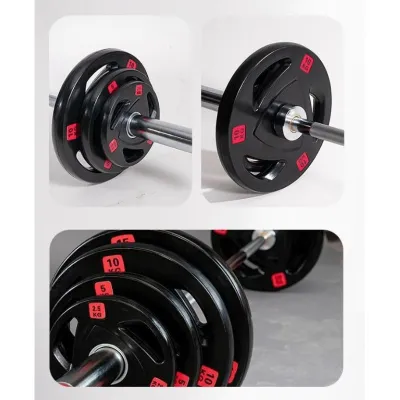
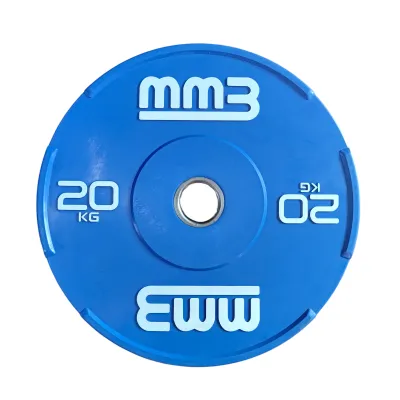
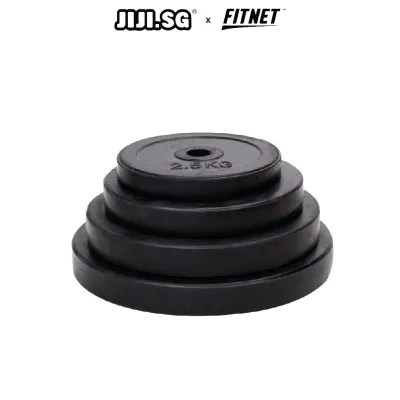
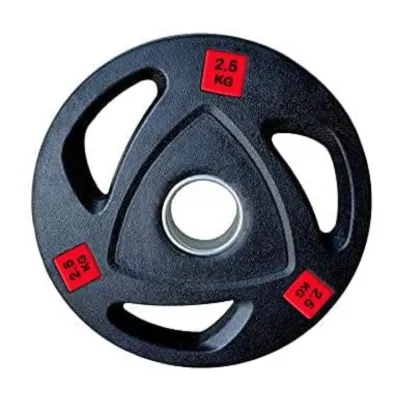
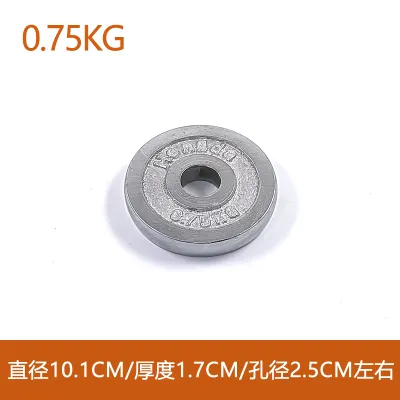
Prices are valid at publication and may change. Please refer to the product page for the latest price.
Your training style dictates the physical demands placed on your equipment. If your routine focuses on Olympic weightlifting or functional fitness movements where barbells are frequently dropped from overhead, you will require high-impact bumper plates. Conversely, if you focus on controlled bodybuilding movements, powerlifting with slow descents, or machine-based training, the impact resistance of the plates becomes less critical, allowing you to prioritize other factors like cost or thickness.
Cast Iron Plates: Budget-Friendly but High Impact
Cast iron plates are the traditional choice for strength training, favored for their slim profile and lower cost. Because they are less expensive to manufacture than coated alternatives, they allow you to build a heavy strength-training setup on a modest budget. This cost efficiency makes them highly practical if you need to purchase a large total volume of weight for heavy deadlifts or squats.

When shopping for cast iron, it is essential to check the manufacturer’s specifications regarding the outer finish. Standard plates may feature painted, powder-coated, or machined finishes. In humid tropical climates, bare or poorly finished iron is highly susceptible to rust and corrosion. A high-quality powder coating or e-coat provides a more durable barrier against moisture, though you will still need to perform occasional maintenance, such as wiping them down and keeping your workout space well-ventilated.
The primary drawback of cast iron is its complete lack of shock absorption and the loud metallic noise it produces during use. When iron plates clank together on a barbell or touch the floor, the sound is sharp and carrying. To use cast iron safely in a home environment, you must commit to controlled lowering phases on every repetition or invest in heavy-duty rubber platform tiles to absorb the metal-on-metal impact.
Rubber Plates: Noise Dampening and Floor Safety
Rubber weight plates, which include solid rubber bumper plates and rubber-coated grip plates, are designed specifically to reduce noise and protect training surfaces. The resilient nature of rubber absorbs a significant portion of the kinetic energy when a barbell meets the floor, reducing the sharp clack of metal to a dull thud. However, while rubber plates greatly reduce surface scratching, they do not eliminate the need for high-density rubber flooring to protect the underlying concrete slab from structural damage.
One common characteristic of new rubber equipment is a distinct chemical odor caused by off-gassing. In enclosed or poorly ventilated spare rooms, this smell can become overwhelming during the first few weeks of use. When evaluating rubber plates, check product descriptions for terms like “low-odor virgin rubber” or “vulcanized rubber,” and plan to let new plates air out in a well-ventilated space or balcony before bringing them into your main living areas.
To ensure long-term durability, inspect the construction details of the rubber plates before purchasing. Look for plates with secure steel inner hubs rather than brass or plastic inserts, as steel hubs resist warping and sliding under repeated impact. Additionally, consider the thickness of the rubber coating and whether the plates feature integrated grip handles, which make loading, unloading, and off-barbell exercises much safer and more convenient.
Urethane Plates: Premium Durability for Indoor Use
Urethane plates represent the premium tier of strength equipment, utilizing a high-grade polyurethane coating that outperforms rubber in almost every physical metric. Unlike rubber, urethane is highly resistant to scratching, tearing, and cosmetic degradation, maintaining its clean appearance even after years of regular use. Furthermore, urethane is completely odorless from day one, making it an excellent choice for compact home gyms located inside bedrooms or shared family spaces.
The primary trade-off for this high performance is the cost, as urethane plates are significantly more expensive than both cast iron and standard rubber. When evaluating this option, consider your long-term training commitment and whether the investment aligns with your goals. If you plan to maintain your home gym for a decade or more, the longevity of urethane can offset its high initial cost, as the material does not degrade, harden, or split over time like low-grade rubber can.
Before purchasing, review the manufacturer’s warranty terms and specific impact ratings to understand the limits of the plates. While urethane is incredibly tough, some urethane-coated grip plates are not designed for repeated dropping from overhead and may crack at the hub if abused. Ensure the specific model you select matches your intended training style, especially if you perform high-impact Olympic lifts.
Match Your Priorities to the Right Weight Plate Material
To make your final decision, you must weigh your budget against your space constraints and training goals. If your primary goal is to acquire the maximum amount of weight for the lowest cost and you have a dedicated garage space or heavy lifting platform, cast iron is a highly practical choice. If you need to drop weights from height or want to minimize noise in an apartment, rubber bumper plates offer the best balance of protection and value. For those seeking a premium, odorless, and exceptionally durable setup for a shared indoor living area, urethane is the standout option.
| Priority | Cast Iron | Rubber | Urethane |
|---|---|---|---|
| Budget Friendliness | High | Moderate | Low |
| Noise Dampening | Low | High | Moderate to High |
| Floor Protection | Low | High | Moderate to High |
| Odor Resistance | High | Low to Moderate | High |
| Durability & Longevity | High (requires rust care) | Moderate | High |
When selecting your plates, remember to verify their physical dimensions, particularly the outer diameter. Standard Olympic bumper plates have a uniform 450mm diameter, which ensures that when the barbell is dropped, the force is distributed evenly across all plates. Mixing plates of different diameters can concentrate the impact on a single plate, leading to premature equipment failure or bent barbell sleeves.
Finally, because weight plates are exceptionally heavy, shipping fees can add a substantial amount to your total purchase price. Always check the seller’s shipping policies, delivery options, and return terms before finalizing your order. Returning several hundred kilograms of weight plates due to an oversight in material choice or sizing can be incredibly difficult and expensive, so verifying these details beforehand is essential.
Frequently Asked Questions (FAQ)
Can I mix different weight plate materials on the same barbell?
Yes, you can mix different weight plate materials on a barbell, provided you follow specific safety guidelines to protect your equipment. For standard lifts performed on a rack, such as squats or bench presses, mixing iron and rubber plates is perfectly safe as long as the weight is balanced evenly on both sides. However, for dynamic lifts where the barbell is dropped, you should avoid mixing standard iron plates with rubber bumper plates; the smaller iron plates will not touch the floor, forcing the rubber bumper plates to absorb the entire impact alone, which can bend your barbell or crack the bumper plates.
Do I still need gym flooring if I buy rubber or urethane weight plates?
Yes, dedicated gym flooring remains essential even if you use rubber or urethane-coated plates. While these protective coatings prevent surface scratches, scuffs, and minor cosmetic damage to your floor, they do not absorb enough kinetic energy to protect the underlying concrete or wooden subfloor from structural cracking under heavy loads. Installing high-density rubber mats or a dedicated lifting platform distributes the concentrated point load of a dropped barbell across a wider surface area, safeguarding your home’s structural integrity.
Community discussion
Share your experience or ask a question. Comments are reviewed before publication.