
Finding the right ice pack for knee pain relief in Singapore requires looking beyond generic frozen blocks to specialized designs that conform to the joint’s complex shape. Whether you are recovering from a sports injury sustained on the running trails of East Coast Park, managing chronic joint discomfort, or rehabilitating after surgery, the effectiveness of cold therapy depends heavily on how well the cold source contacts your skin. An optimal knee ice pack must balance cold retention, flexibility when frozen, and secure fastening to ensure targeted relief without restricting your recovery routine.
Cold therapy, or cryotherapy, works by temporarily reducing blood flow to a localized area, which helps manage joint inflammation, muscle recovery, and acute pain. Because the knee is a highly mobile, three-dimensional joint consisting of the patella, ligaments, and surrounding tendons, a flat, rigid ice pack often fails to make consistent contact with the affected tissues. Selecting a dedicated knee ice pack ensures that the therapeutic cold is evenly distributed around the entire joint structure, maximizing the recovery benefits while allowing you to remain comfortable during treatment.
Key Criteria for Selecting a Knee Ice Pack
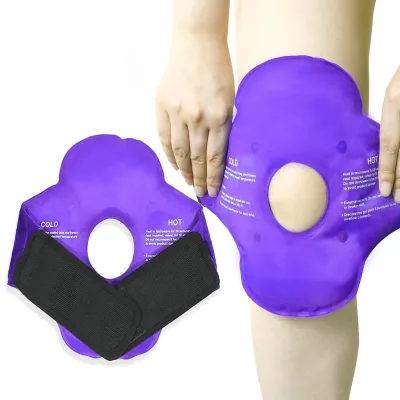
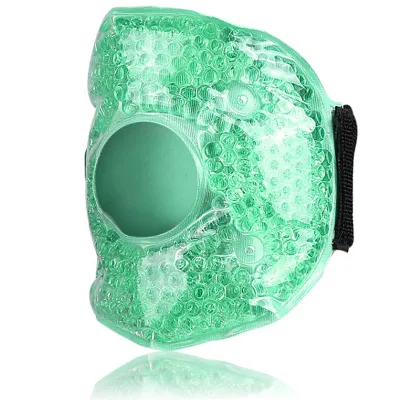
To find an ice pack that truly aids in knee recovery, you must evaluate several physical and functional criteria. The first and most critical factor is the coverage area. A high-quality knee ice pack should not just sit on top of the kneecap; it needs to wrap around the sides to target the collateral ligaments and reach the back of the knee if you are dealing with swelling or stiffness in the joint capsule. Look for designs that feature a contoured shape or multiple segmented cold pockets that can drape naturally over the irregular curves of the leg.
Products mentioned in this guide

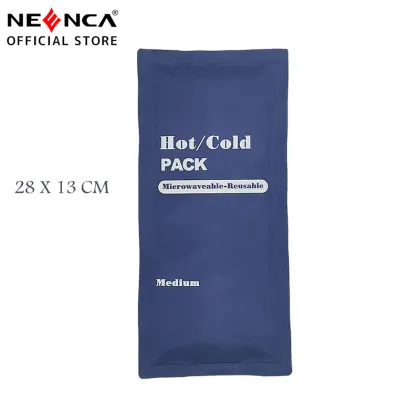
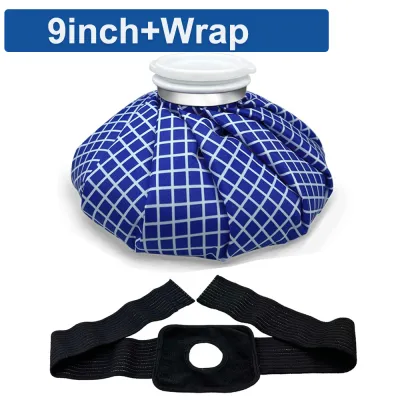
Prices are valid at publication and may change. Please refer to the product page for the latest price.
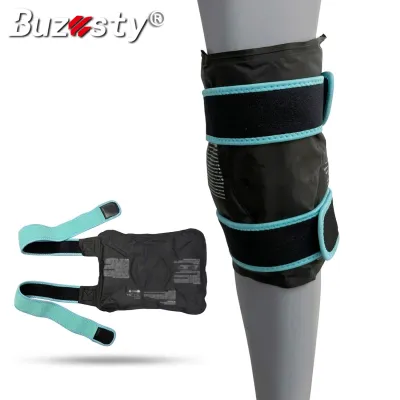
Secure fastening mechanisms are equally vital for practical use. If you have to hold an ice pack in place with your hands, you are forced to remain completely still, which can make regular recovery sessions tedious. Adjustable straps, typically made of elastic neoprene with hook-and-loop fasteners, allow you to secure the pack firmly to your thigh and calf. This hands-free design enables you to elevate your leg on a cushion or even move around the house for quick tasks without the pack slipping down your leg.
Another essential consideration is cold retention duration and material flexibility. For effective cold therapy, the pack needs to maintain a therapeutic temperature for the recommended application window, which is typically fifteen to twenty minutes. However, many standard gel packs become stiff and rock-hard when stored in a standard home freezer. For the knee, you require a pack that remains pliable and moldable even at sub-zero temperatures, ensuring that the cold material wraps snugly around the joint rather than bridging across it and leaving empty, uncooled gaps.
In Singapore’s warm and humid climate, ambient room temperatures can cause ice packs to condensation quickly and lose their coldness faster than they would in cooler environments. Therefore, selecting a pack with a slightly thicker gel layer or an insulated outer wrap can help prolong the cooling effect. Additionally, a dual-sided design—featuring a soft plush fabric on one side and direct nylon on the other—allows you to control the intensity of the cold as the pack gradually acclimates to the room temperature.
The weight of the ice pack also plays a role in comfort, especially if the knee is highly sensitive or recovering from recent surgery. A heavy clay or dense gel pack can exert downward pressure on a tender patella, which may cause discomfort when lying flat. In contrast, lighter gel formulations or bead-filled packs distribute weight more gently, making them more suitable for acute pain phases where any direct pressure feels uncomfortable.
Common Types of Ice Packs for Knee Relief
When browsing options on local e-commerce platforms in Singapore, you will encounter several distinct designs, each utilizing different internal cooling materials and external structures. The choice between these types involves balancing hands-free convenience, the level of compression you desire, and how intensely you want the cold to penetrate the joint. Understanding these structural differences will help you match a specific style to your daily activity level, mobility needs, and the specific type of knee pain you are experiencing.

Some designs prioritize maximum thermal mass to deliver deep, long-lasting cold, while others focus on lightweight flexibility and compression to support active recovery immediately after exercise. By analyzing the trade-offs of each category, you can select a tool that fits seamlessly into your lifestyle, whether you need stationary relief after a long day of walking or a quick recovery aid after a high-intensity workout.
Wrap-Around Gel Packs with Straps
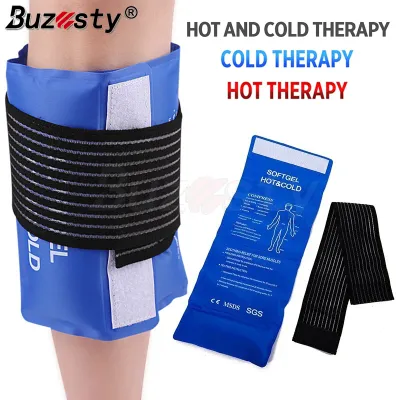
Wrap-around gel packs equipped with integrated straps represent the most common and versatile design for general knee support. These products typically feature a large, durable nylon or PVC pouch filled with a specialized liquid gel, stitched into a neoprene wrap with adjustable straps. This design allows for a highly customizable fit, accommodating different leg circumferences and adjusting easily to changes in swelling levels as your recovery progresses over days or weeks.
The primary trade-off with traditional gel wraps is the potential for stiffness. Depending on the specific gel formulation used, some packs can become relatively rigid when left in a standard freezer for extended periods. This stiffness can temporarily reduce the pack’s contouring ability during the first few minutes of application, requiring you to manually press the wrap against your knee until the gel begins to warm slightly and soften.
Moldable Bead and Clay Packs
For those seeking superior contouring without any initial stiffness, moldable bead and clay packs offer an excellent alternative. Instead of a single continuous pocket of liquid gel, these packs are filled with numerous small gel beads or a dense, clay-based compound. This internal structure allows the filling to shift dynamically, conforming precisely to the irregular shape of the patella, joint lines, and surrounding ligaments for highly targeted relief.
While clay and bead packs excel at direct skin contact and immediate flexibility, they do come with specific physical trade-offs. These materials tend to be heavier than standard gel packs, which can create a pulling sensation if you attempt to walk while wearing them. Additionally, because the filling consists of moving parts or dense clay, you must regularly inspect the outer seams and plastic seals for integrity, as the constant shifting of the material can place stress on the edges and increase the risk of leakage over time.
Compression Sleeves with Ice Inserts
Compression sleeves with integrated ice inserts represent a modern approach designed specifically for active recovery and immediate post-exercise use. These sleeves slide directly up the leg, combining the benefits of mild joint stabilization and compression with localized cold therapy. They are highly favored by runners, cyclists, and gym-goers in Singapore who want a streamlined, low-profile option that allows them to move around freely while icing their knees.
However, the sleek design of compression sleeves comes with a compromise in thermal performance. Because these sleeves are designed to be thin and flexible enough to wear comfortably, they typically feature thinner gel layers or smaller ice inserts. This results in a limited cold duration and lower overall thermal mass compared to dedicated, thick gel wraps. They are ideal for quick, moderate cooling sessions but may not provide the deep, prolonged cold required for severe swelling or intense joint inflammation.
How to Evaluate Knee Ice Packs on E-Commerce Platforms
Shopping for recovery gear on online marketplaces in Singapore requires a careful, analytical approach to ensure you receive a product that fits your body and meets your recovery needs. Because you cannot physically handle the product before purchasing, your first step should be to check the exact product dimensions and strap lengths listed in the specification sheet. Do not rely solely on generic size labels like “medium” or “large”; instead, use a flexible measuring tape to measure the circumference of your thigh, knee, and upper calf, and compare these figures directly against the manufacturer’s sizing chart. Budgeting between S$15 and S$40 is typical for a durable, reusable knee wrap on local platforms.
Next, dedicate time to analyzing user reviews, focusing specifically on feedback from buyers who have used the product over several months. Look for recurring mentions of strap durability, velcro degradation, and gel leakage. In Singapore’s warm and humid climate, low-quality adhesives and elastic materials can degrade more rapidly, causing velcro straps to lose their grip or elastic bands to stretch out permanently. Reviews that highlight robust double-stitching and high-grade hook-and-loop fasteners are strong indicators of a long-lasting product.
When evaluating sellers on local online marketplaces, pay close attention to their overall rating and the responsiveness of their customer service. Sellers who actively respond to inquiries and offer clear guidance on sizing are generally more reliable if you encounter issues with your order. Additionally, look for listings that offer local warranty coverage or a straightforward replacement guarantee for manufacturing defects, such as faulty seams or leaking gel compartments, which can occasionally occur during transit or storage.
Finally, always verify the return and exchange policies before finalizing your purchase on any e-commerce platform. Because ice packs and knee wraps are classified as personal care or medical recovery items, many sellers and platforms enforce strict hygiene-related restrictions that prohibit returns once the packaging has been opened. Ensuring you have selected the correct size and verified the seller’s policy beforehand protects you from being stuck with an ill-fitting wrap that cannot be exchanged.
Safe Application and Usage Guidelines
While cold therapy is a highly effective and generally safe method for managing knee pain, it must be applied correctly to prevent tissue damage and nerve irritation. The standard medical recommendation for continuous ice application is fifteen to twenty minutes per session. Leaving an ice pack on your knee for longer periods does not increase the therapeutic benefit; instead, it can trigger a rebound effect where the body increases blood flow to the area to protect the tissue, potentially worsening swelling. Always allow your skin temperature to return completely to normal—typically waiting at least one to two hours—before starting another icing session.
To protect your skin from frostbite or ice burns, never apply a frozen pack directly to bare skin. Even if the product description claims the outer material is soft, you should always place a protective fabric barrier, such as a thin towel, a dedicated sleeve, or a clean cloth, between the pack and your leg. This barrier regulates the rate of heat transfer, ensuring a safe and comfortable cooling experience while preventing direct freezing of the epidermal cells.
After completing your cold therapy session, avoid engaging in high-impact activities or heavy stretching immediately. Because cold temporarily numbs the pain receptors and stiffens the joint tissues, your perception of strain and joint stability may be altered. Give your knee at least thirty minutes to warm up naturally and regain its full range of motion and sensory feedback before performing any strenuous exercises or physical therapy routines.
Lastly, remain highly attentive to your body’s signals during the icing process. It is normal to experience a progression of sensations: cold, aching, a mild burning feeling, and eventually numbness. However, if you experience sudden, intense pain, extreme skin discoloration (such as deep white, blue, or purple patches), or prolonged numbness that persists long after the pack is removed, you must stop the treatment immediately. These are warning signs of potential tissue distress or nerve compression, and you should consult a healthcare professional before resuming any cold therapy regimen.
Frequently Asked Questions (FAQ)
Can I use a standard rectangular ice pack for my knee?
While you can technically use a standard rectangular ice pack in an emergency, it is highly inefficient for targeted knee recovery. Generic flat packs lack the secure fastening mechanisms required to keep them in place, forcing you to manually hold the pack or improvise with external bandages or plastic wrap. Furthermore, because a flat pack cannot contour around the curved, three-dimensional structure of the knee joint, it results in uneven cold distribution, leaving critical areas like the sides of the joint uncooled while putting excessive pressure on others.
How do I clean and maintain a reusable knee ice pack?
Proper maintenance is essential to extend the lifespan of your reusable knee ice pack and prevent the growth of bacteria, especially in Singapore’s humid environment. After each use, wipe down the external surfaces of the pack with a damp cloth and mild soap, avoiding harsh chemical cleaners or alcohol-based sanitizers that can degrade the outer plastic or fabric lining. Allow the pack to air dry completely in a well-ventilated area before storing it. Before placing it back in the freezer, inspect the seams and surface carefully for any micro-tears or gel leakage, and store it flat inside a clean plastic bag to prevent it from absorbing freezer odors or sticking to other frozen items.

Community discussion
Share your experience or ask a question. Comments are reviewed before publication.