
Staying hydrated with a cold drink during an intense workout is essential, especially when training in Singapore’s year-round tropical heat and high humidity. While many shaker bottle brands claim to keep your protein shakes or pre-workout drinks ice-cold for hours, their actual performance varies significantly based on design rather than marketing slogans. Because standardized, independent thermal testing across every brand is rarely available, the most reliable way to compare these bottles is by evaluating their physical construction, lid designs, and material properties.
Choosing the right shaker depends heavily on your specific training environment, how long you need your drink to stay cold, and whether you prioritize lightweight portability over heavy-duty thermal retention. For short indoor sessions in air-conditioned gyms, a lightweight single-wall bottle often suffices, whereas extended outdoor training sessions require robust double-wall vacuum insulation to combat external heat transfer.
Core Insulation Technologies in Shaker Bottles
To understand how different shaker bottles perform, you must first look at the physical mechanisms that govern temperature retention. The most critical distinction lies between single-wall construction and double-wall vacuum insulation. Single-wall bottles, typically made of plastic or single-layer stainless steel, offer virtually no barrier against external heat. The ambient air temperature quickly transfers through the thin material, causing ice to melt rapidly and drinks to warm up within minutes, especially in warm climates.
Products mentioned in this guide
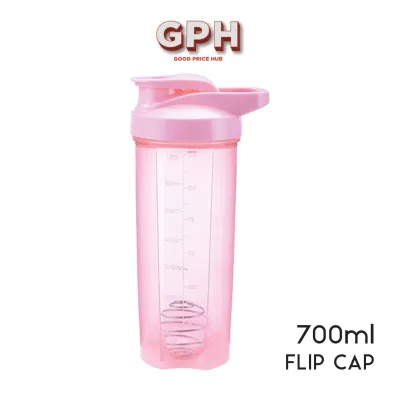
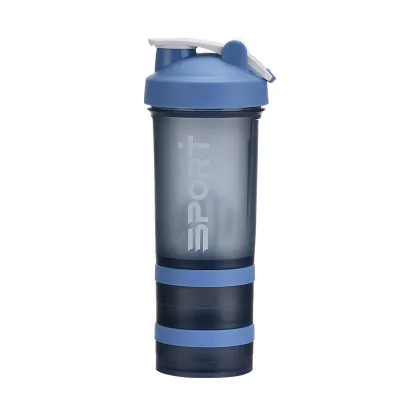
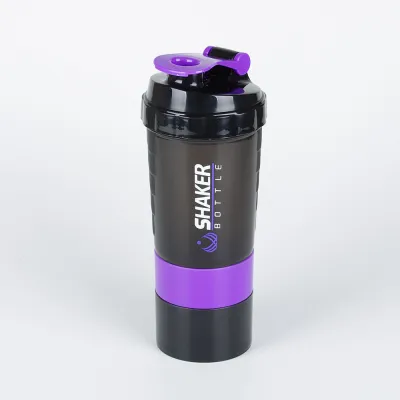
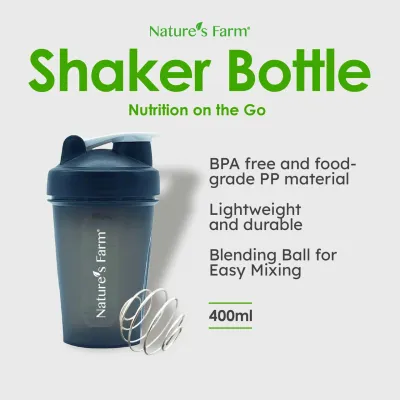
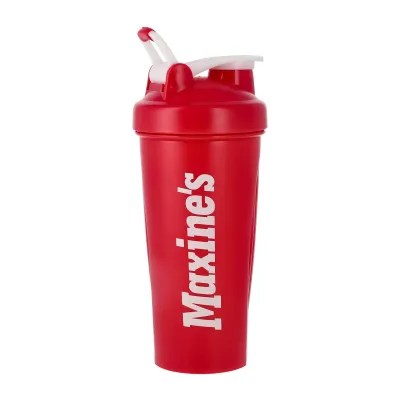
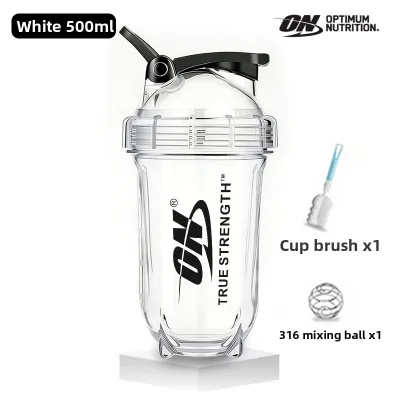
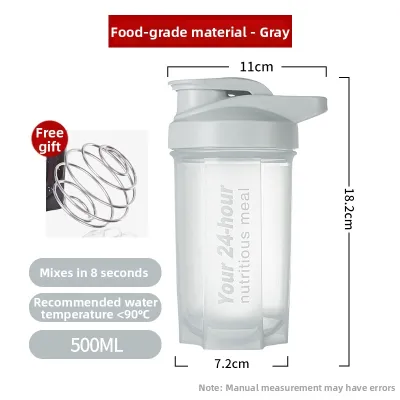
Prices are valid at publication and may change. Please refer to the product page for the latest price.
In contrast, double-wall vacuum-insulated shaker bottles feature an inner and outer container with the air evacuated from the space between them. Because a vacuum contains no air molecules, it prevents heat transfer by conduction and convection. This design creates a highly effective thermal barrier that keeps cold liquids chilled for several hours. When comparing insulated options, the thickness of the steel and the quality of the vacuum seal are the primary factors that determine how long your beverage remains cold.
Thermal mass also plays a significant role in initial temperature retention. Pre-chilling your shaker bottle before filling it can dramatically improve performance. If you pour a cold liquid into a warm stainless steel bottle, the metal will immediately absorb heat from the liquid to reach thermal equilibrium, warming your drink. Rinsing the bottle with ice water for a minute before adding your beverage ensures the inner wall is already cold, preserving the temperature of your shake.
Another key aspect of insulation technology is the exterior coating of the bottle. In humid environments, cold drinks inside non-insulated or poorly insulated bottles cause moisture in the air to condense on the outer surface, creating “sweat.” This condensation makes the bottle slippery and messy to handle during a workout. High-quality insulated shakers often feature sweat-proof powder coatings on the exterior. This textured finish not only prevents condensation from forming but also provides a secure grip when your hands are sweaty from training.
Key Specifications to Compare Across Brands
When shopping for a shaker bottle on online marketplaces or specialty sports stores, comparing specific design features will give you a clearer picture of its performance than relying on brand names alone. The lid is often the weakest link in any insulated bottle’s thermal defense. While the body of the bottle may be double-walled steel, the lid is almost always made of plastic, which has a lower insulation value.

Pay close attention to the lid sealing mechanism. Flip-caps are highly convenient for quick sips between sets, but they must snap shut securely with a robust silicone gasket to prevent both leaks and thermal escape. Screw-on lids generally provide a tighter, more reliable seal than press-on lids, minimizing the amount of warm air that can enter the bottle. Some premium models feature insulated lids or double-gasket systems designed specifically to reduce thermal loss through the top of the shaker.
The mixing mechanism is another crucial component to evaluate. Traditional wire whisk balls, usually made of stainless steel, sit directly in the liquid. While these metal components do not significantly alter the temperature of a cold drink, they can clatter against the inner walls of a metal bottle, which some users find distracting. Alternative designs include built-in strainer grids or plastic mixing blades integrated into the lid. These plastic grids do not conduct heat, but they may require more effort to clean thoroughly if protein powder gets trapped in the corners.
Finally, always verify the material safety and durability labels on the product packaging. Look for food-grade 18/8 (304) stainless steel for metal bottles, which resists rust, punctures, and odor retention. For plastic components, ensure they are labeled as BPA-free and phthalate-free. Checking these specifications ensures that your shaker is not only thermally efficient but also safe for daily use over the long term.
Matching Shaker Bottle Features to Workout Conditions
Selecting the ideal shaker bottle requires balancing thermal performance against practical usability. Vacuum-insulated stainless steel bottles are inherently heavier than their single-wall plastic counterparts. If your workout routine involves commuting by public transport or carrying your gear in a lightweight gym bag, the added weight of a metal bottle might feel cumbersome. In contrast, if you drive to the gym or leave your bottle in a stationary cup holder, the weight becomes negligible compared to the benefit of a cold drink.
Your training environment should dictate the level of insulation you choose. If you train exclusively in air-conditioned indoor fitness centers, a standard single-wall shaker may keep your drink cool enough for the duration of a standard one-hour session. However, if you participate in outdoor boot camps, running clubs, or open-air calisthenics parks in Singapore’s tropical climate, a double-wall vacuum-insulated bottle is almost essential. Without it, your chilled pre-workout or protein shake will quickly reach ambient temperature, making it less refreshing to consume.
Hygiene and maintenance are also critical factors when comparing shaker designs. Protein powders and recovery supplements can leave behind stubborn residues and unpleasant odors if the bottle is not cleaned promptly. Insulated stainless steel bottles generally resist odors better than plastic ones, but they often require hand washing to protect the vacuum seal and exterior coating. Additionally, pay close attention to the rubber or silicone seals inside the lid. These gaskets can trap moisture and bacteria, leading to mold growth and persistent smells. Look for bottles with easily removable gaskets that can be thoroughly scrubbed and dried after each use.
Decision Framework: Which Shaker Bottle Type Fits Your Routine?
To finalize your choice, align the bottle’s specifications with your daily habits and budget. If your primary goal is to keep drinks cold for several hours during long training sessions, outdoor activities, or extended commutes, invest in a double-wall vacuum-insulated stainless steel shaker. While these models generally carry a higher price tag, often ranging from S$30 to S$60, their superior thermal retention and durability justify the initial cost for dedicated athletes.
If portability, ease of cleaning, and budget are your main priorities, a high-quality single-wall plastic or lightweight metal shaker is the more practical choice. These bottles are highly affordable, often costing under S$20, and are typically dishwasher-safe, making them incredibly convenient for daily use. However, you must accept that they will not keep your drinks cold for long, and they will sweat heavily in humid conditions.
Before making a purchase, always verify that the mixing mechanism is compatible with your preferred supplements. Thicker protein powders or meal replacements require a robust mixing system, such as a heavy wire whisk or a specialized blending grid, to prevent clumping. If you primarily drink thin pre-workout formulas or BCAAs, a simpler mixing mechanism or even a standard shaker grid will suffice. By matching these physical features to your specific routine, you can select a shaker bottle that delivers reliable performance without relying on unverified brand claims.
Frequently Asked Questions (FAQ)
Can I put ice cubes in a standard plastic shaker bottle?
Yes, you can put ice cubes in a standard plastic shaker bottle, but they will melt rapidly due to the lack of insulation. As the ice melts, it dilutes your drink and quickly transfers its coldness to the surrounding air through the thin plastic walls. Additionally, large or sharp ice cubes can put physical stress on the plastic seams when shaken vigorously, potentially leading to cracks or leaks over time. Keep in mind that adding ice also displaces liquid, reducing the overall volume of protein powder or water you can fit inside the bottle.
Does the mixing ball affect how long the drink stays cold?
The mixing ball itself has a negligible effect on how long your drink stays cold. While a stainless steel wire whisk ball does conduct heat, its thermal mass is too small to cause any measurable temperature change in a full bottle of liquid. However, leaving a metal whisk inside a cold drink for extended periods is unnecessary once the powder is fully dissolved. If you prefer to keep your drink cold for hours without any metallic clattering, consider removing the whisk ball after mixing, or opt for a shaker with a built-in plastic strainer grid instead.
Community discussion
Share your experience or ask a question. Comments are reviewed before publication.