
Shore fishing offers an accessible and exciting way to connect with coastal marine life, but its success depends heavily on carrying a highly curated selection of fishing accessories. Unlike boat anglers who have ample storage space, shore-based anglers must transport all their gear on foot across sandy beaches, concrete piers, or rocky breakwaters. Overpacking leads to fatigue, while underpreparing can cut a promising trip short. To build a practical, cost-effective kit, you must focus on functional requirements and durability, selecting items that withstand high humidity, abrasive structures, and saltwater corrosion.
The absolute essentials for any shore angling excursion fall into four main categories: terminal tackle, hand tools, safety gear, and mobile storage. By understanding the specific selection criteria for each accessory, you can customize your loadout to match the local environment, target species, and weather conditions. This guide breaks down what you actually need to bring, helping you make informed decisions before heading to the shoreline.
Core Terminal Tackle and Rigging Components
Terminal tackle comprises the consumable components at the very end of your fishing line. Because these items are directly exposed to the underwater environment, choosing the correct specifications is critical for securing a catch.
Products mentioned in this guide
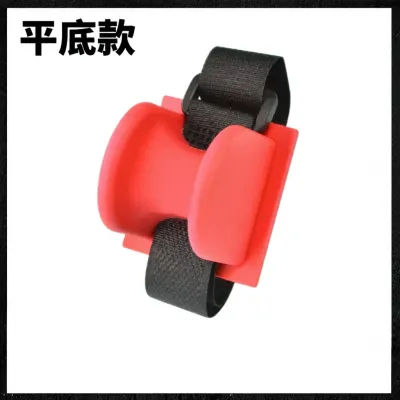
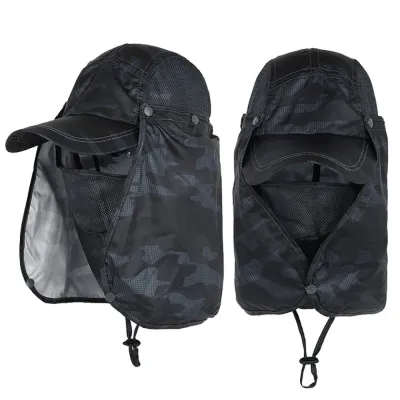
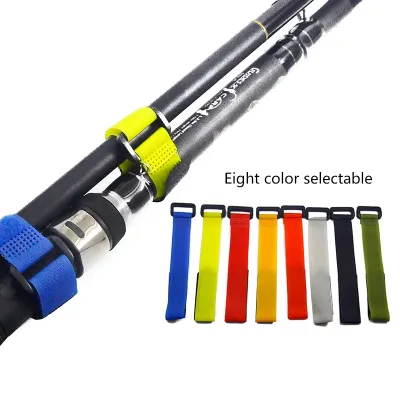
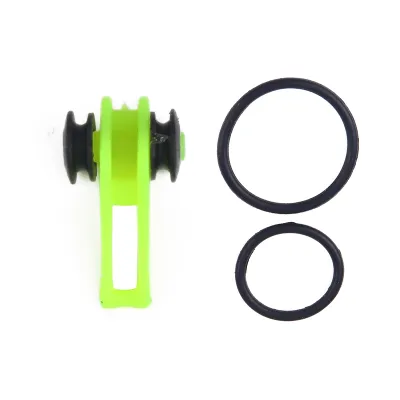
Prices are valid at publication and may change. Please refer to the product page for the latest price.
Selecting the right hook size and style is the foundation of any successful rig. For shore fishing, hooks must match both the target species and the bait type. When using delicate live baits like prawns or worms, fine-wire hooks minimize damage to the bait, keeping it active longer. Conversely, when targeting larger, hard-mouthed species near heavy structure, heavy-wire hooks are necessary to prevent bending under pressure. Always inspect the hook point for sharpness before casting; a dull hook will fail to penetrate.
Maintaining bottom contact is a constant challenge in shore environments where tides, waves, and currents are highly dynamic. The shape of your sinker determines how well it holds the bottom. Pyramid or star sinkers are designed to anchor into sandy bottoms, resisting the pull of strong surf. Round, egg, or split-shot sinkers are better suited for rocky or gravelly areas where you want the bait to drift naturally without snagging. Before selecting a weight, verify your fishing rod’s casting weight rating to avoid overloading and damaging the blank.
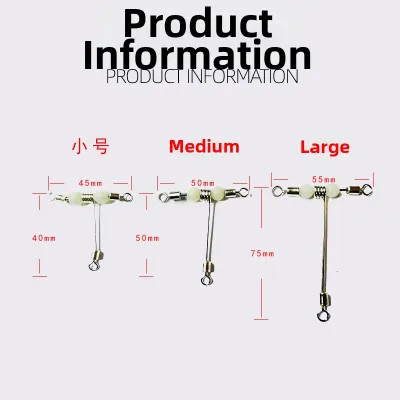
Shore fishing often involves casting into turbulent water, which rapidly twists your main line. High-quality barrel swivels or ball-bearing swivels are essential to prevent line twist and maintain rig presentation. For leader materials, monofilament offers excellent shock absorption and buoyancy, making it ideal for surface or mid-water rigs. Fluorocarbon, on the other hand, provides superior abrasion resistance against sharp rocks, barnacles, and concrete pier pilings, while remaining virtually invisible underwater. Regularly run your fingers along the leader to check for nicks or rough spots, replacing the line immediately if any damage is detected.
Essential Tools for Gear Management and Fish Handling
Having the right hand tools on hand ensures you can manage your gear efficiently and handle fish safely, minimizing stress on both the angler and the catch.

A reliable pair of pliers is arguably the most important tool in your kit. When evaluating pliers, prioritize corrosion-resistant materials such as anodized aluminum, marine-grade stainless steel, or titanium coatings. The jaws should be long enough to safely reach deep-set hooks while keeping your fingers clear of sharp teeth or spines. Look for integrated features like split-ring openers and built-in line cutters. To prevent losing your pliers to the sea, choose a model that includes a secure lanyard and a belt holster.
While pliers often have cutting edges, a dedicated line cutter is invaluable for rigging. Braided fishing lines are notoriously difficult to cut cleanly with standard blades, often fraying and weakening knots. High-carbon steel clippers or specialized braid shears deliver clean cuts every time. Compact, wearable options like retractable zinger attachments keep your cutters easily accessible around your neck or attached to your pack, saving you from rummaging through pockets.
Landing a fish from a high pier, steep rocky ledge, or sandy beach requires different tools. For elevated structures like concrete piers, a landing net with a long, telescopic handle or a drop net is essential to safely lift the fish without breaking your rod or line. When selecting a net, look for rubber-coated mesh, which protects the fish’s protective slime coat and prevents hooks from tangling in the netting. For beach or shallow-water landing, mechanical fish grips allow you to secure the fish’s lip for unhooking and photo-taking without risking injury from sharp gill plates or fins.
Safety and Comfort Accessories for the Shoreline
Shore fishing environments can be unpredictable and physically demanding. Prioritizing personal safety and comfort ensures you can fish longer and handle unexpected coastal conditions without incident.
Your connection to the shoreline is entirely dependent on your footwear. Wet rocks, algae-covered concrete breakwaters, and shifting sands present distinct slipping hazards. For rocky shores and breakwaters, evaluate footwear with specialized grip features, such as studded rubber soles or felt soles, which provide traction on slick surfaces. For sandy beaches, breathable, quick-drying water shoes or boots prevent sand from chafing your feet while offering protection from hidden sharp shells or debris.
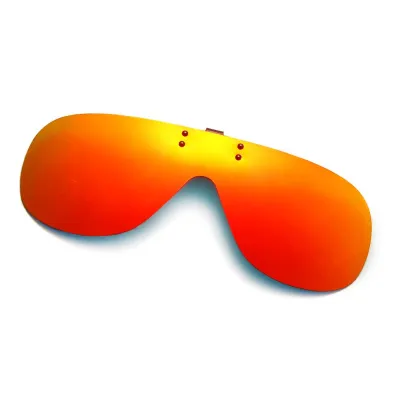
Polarized sunglasses are a non-negotiable safety accessory for shore anglers. Beyond helping you spot underwater structures, sandbars, and fish by filtering out surface glare, they serve as a physical shield. High-velocity sinkers, snapping lines, and stray hooks pose real risks to your eyes, especially in windy coastal conditions. Choose impact-resistant polycarbonate lenses that offer full UV protection to reduce eye strain during long hours in the sun.
Extended exposure to the tropical sun, wind, and salt spray can quickly lead to dehydration or sunburn. Wear lightweight, long-sleeved clothing with a verified UPF 50+ rating to block harmful rays. A wide-brimmed hat or a neck gaiter provides essential coverage for your face and neck. Additionally, always carry a dedicated hydration system or insulated water bottle. Staying hydrated is critical, as the combination of heat, wind, and physical exertion can cause dehydration faster than you realize.
Storage and Transport Solutions
Keeping your fishing accessories organized and protected from the elements is vital for a smooth trip. Saltwater, sand, and moisture can quickly degrade gear if it is not stored properly.
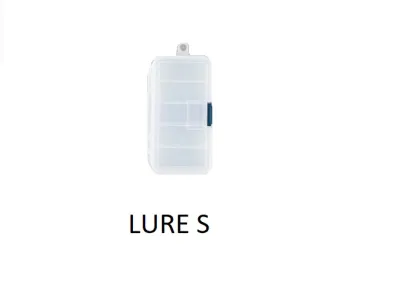
The choice between a hard tackle box and a soft tackle bag depends on your fishing style. Hard tackle boxes with heavy-duty, water-resistant latches are excellent for stationary fishing on flat concrete piers or breakwaters, where they can serve as a stable workstation. However, if you plan to walk long distances along a beach or rocky shoreline, a soft tackle backpack or sling bag is far more practical. Look for bags made from heavy-duty, water-resistant fabrics with oversized, corrosion-resistant plastic zippers, as metal zippers will quickly seize in saltwater environments.
Laying your rod and reel directly on the sand or rocks is a recipe for gear failure. Sand particles can easily enter the reel’s internal gears and bearings, causing permanent damage, while rocks can scratch the rod blank, creating weak points that lead to breakage under load. For sandy beaches, a sturdy sand spike driven deep into the ground keeps your rod upright and secure. For pier fishing, clamp-on rod holders or tripod stands keep your gear off the concrete and positioned at the optimal angle for detecting bites.
Keeping your bait fresh and your catch cool requires insulated storage. If you are using live bait like prawns, an aerated bait bucket is essential. Verify the manufacturer’s runtime rating for the aerator pump to ensure it will last your entire session. For dead bait or keeping fish for consumption, a compact, well-insulated cooler bag or hard cooler packed with ice is necessary, especially in warm tropical climates where spoilage occurs rapidly.
Scenario-Specific Additions to Evaluate
Depending on the specific environment and time of day, certain specialized accessories can significantly improve your shore fishing experience.
Fishing after dark requires hands-free illumination to tie knots, bait hooks, and navigate safely. A high-quality headlamp with a dedicated red-light mode is highly recommended. Red light preserves your night vision and is less likely to spook fish in shallow water. Additionally, chemical glow sticks or clip-on electronic bite indicators attached to your rod tip help you monitor line movement in pitch-black conditions.
Anglers casting into heavy surf often require specialized gear to handle the physical demands of the sport. A casting glove or finger protector shields your index finger from being cut by thin, high-tension braided line during powerful, long-distance casts. Bait elastic or threading needles are also useful for securing soft baits to the hook, ensuring they do not fly off during high-velocity casts.
Rock fishing is one of the most hazardous angling disciplines and requires strict safety protocols. Before heading onto rocky ledges, check local tide charts, swell forecasts, and wind speeds. If conditions are rough, cancel the trip. Specialized traction aids, such as cleated sandals or spiked boots, are essential for maintaining footing on wet, sloping rock faces. A long-reach gaff may also be necessary to land fish where a standard net cannot reach, but remember that no piece of equipment can replace sound judgment and situational awareness.
Frequently Asked Questions (FAQ)
Do I need a fishing license to use these accessories from the shore?
Licensing and permit requirements depend entirely on your local jurisdiction, the specific body of water you plan to fish, and the species you target. While some public coastal areas allow free recreational shore fishing, other zones, such as marine reserves, reservoirs, or designated parks, may require specific permits or have strict catch-and-release rules. Always check the official regulations of the local wildlife, fisheries, or environmental management department before your trip to ensure you are operating legally and ethically.
How do I prevent my metal accessories from rusting after a saltwater trip?
Saltwater is highly corrosive and will quickly degrade metal tools if left untreated. Immediately after returning from a saltwater trip, rinse all metal accessories—including pliers, line cutters, knives, and the metal guides on your fishing rod—with clean, warm fresh water to dissolve salt deposits. Dry each item thoroughly with a clean towel. Once dry, apply a light coat of marine-grade corrosion inhibitor or multi-purpose lubricant to moving joints, hinges, and exposed metal surfaces to create a protective barrier against oxidation.

Community discussion
Share your experience or ask a question. Comments are reviewed before publication.