
Transitioning from bait fishing to artificial lures is an exciting milestone for any angler, but walking into a tackle shop can quickly become overwhelming. Rows of colorful, intricately designed lures line the walls, each promising to catch the fish of a lifetime. For beginners navigating Singapore’s diverse fishing environments—ranging from concrete breakwaters and sandy beaches to brackish estuaries and tranquil reservoirs—the sinking pencil lure stands out as one of the most versatile, forgiving, and effective tools you can add to your tackle box.
Unlike floating lures that are restricted to the surface, or deep-diving minnows that require constant, high-speed retrieving to stay down, sinking pencils give you complete control over the water column. By simply adjusting how long you let the lure sink before turning your reel handle, you can target fish feeding near the surface, suspended in mid-water, or resting close to the bottom. This adaptability, combined with their excellent casting distance and subtle, lifelike action, makes them an invaluable asset for those still refining their casting and retrieval techniques.
Understanding how to select, rig, and retrieve these lures is the key to unlocking their full potential. By focusing on the fundamental design characteristics of sinking pencils and matching them to local conditions, you can approach the water with confidence, knowing you have a presentation that can tempt even the most cautious local predators.
Products mentioned in this guide
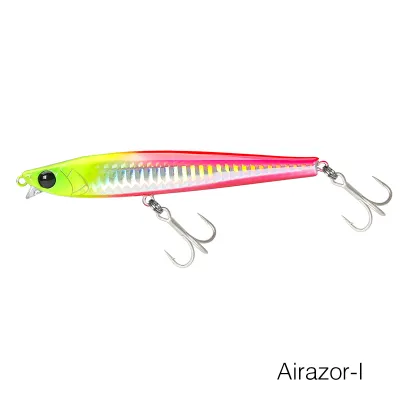
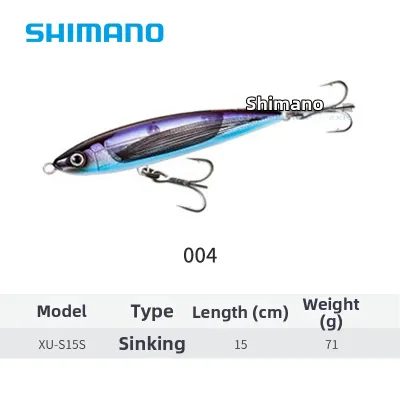
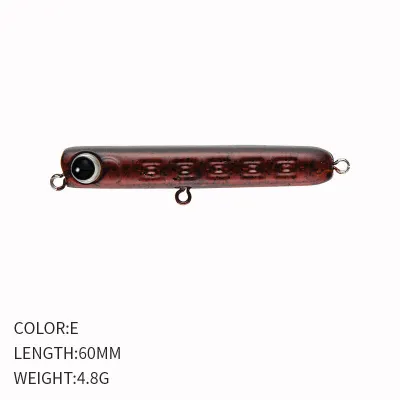
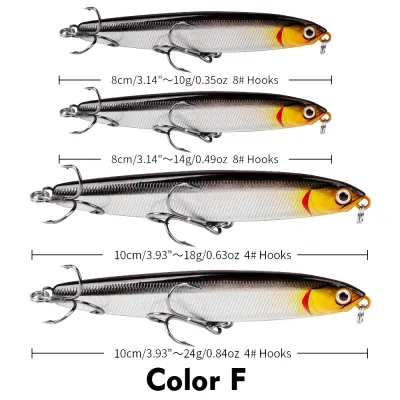
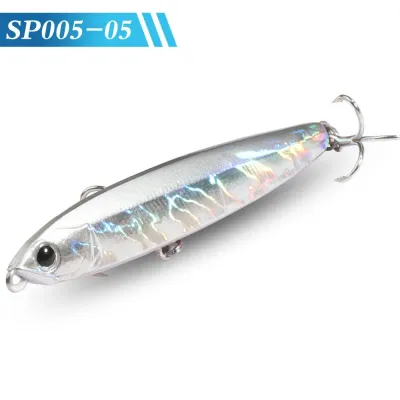
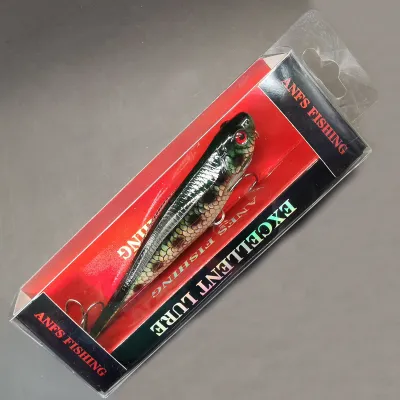
Prices are valid at publication and may change. Please refer to the product page for the latest price.
Why Sinking Pencil Lures Are Ideal for Beginners
To appreciate why sinking pencils are so effective, it helps to understand their basic mechanics. Often referred to as lipless minnows, these lures lack the prominent plastic lip or bill found on traditional diving lures. This design choice has several profound effects on how the lure behaves in the water and how it handles in the air, making it highly forgiving for those who are still learning the ropes.
First and foremost is the advantage of depth control. When a sinking pencil hits the water, it begins to descend at a predictable rate, usually measured in centimeters per second. This allows you to employ the “countdown method.” If you know a particular spot has a depth of about three meters, you can count to three or four after the cast to present your lure right in the middle of the water column, or wait longer to fish closer to the bottom. This single lure can effectively do the job of a shallow runner, a mid-water diver, and a bottom-houncing jig, saving you money and reducing the amount of gear you need to carry.
Another major benefit is casting performance. Because sinking pencils do not have a protruding plastic lip, they are highly aerodynamic. When you cast, the lure flies through the air tail-first with minimal wind resistance. In Singapore’s coastal environments, where strong onshore sea breezes are common, lightweight or lip-equipped lures can easily catch the wind, resulting in short, tangled casts. A sinking pencil cuts through these head-winds cleanly, allowing beginners to achieve impressive casting distances with less effort and fewer line tangles.
Finally, the retrieval action of a sinking pencil is incredibly user-friendly. Many specialized lures require complex, highly coordinated rod twitches, sweeps, and pauses to look convincing to a predatory fish. In contrast, a well-designed sinking pencil possesses a natural, built-in swimming action. As you reel it in at a steady pace, the water flowing over its sleek body causes it to wobble gently from side to side or swim in a subtle S-shaped slalom pattern. This means you can trigger strikes simply by turning your reel handle, allowing you to focus on maintaining a steady rhythm rather than worrying about complex rod work.
Key Specifications to Evaluate Before Buying
When shopping for your first sinking pencil, you will encounter a wide variety of sizes, weights, and designs. To make an informed choice, you need to understand how these specifications translate to performance on your specific rod and reel setup, as well as how they appeal to local fish species.

Length and Weight
The length and weight of your lure must be balanced with both your fishing tackle and the size of the baitfish present in the water. For beginners using light-spinning tackle (typically rated for lines between 4lb to 10lb, or PE 0.4 to PE 1.0), lures ranging from 50mm to 70mm in length and weighing between 5g and 12g are highly recommended. These smaller profiles perfectly mimic the tiny glass-eyes, sprats, and small mullets that local predators feed on. If you are targeting larger species like barramundi or queenfish with medium-heavy gear, you can step up to lures between 80mm and 110mm, weighing 15g to 28g, which provide the extra weight needed to cast further and profile a more substantial meal.
Action Types
Sinking pencils generally fall into two action categories: a tight, high-frequency wiggle or a wide, sweeping slalom roll. Lures with a tight wiggle displace water rapidly and create distinct vibrations that fish can detect through their lateral lines, making them excellent for active fish or faster-moving water. On the other hand, a wide slalom roll mimics a relaxed, unsuspecting baitfish or a wounded prey gliding slowly through the water. This subtle, natural action is often superior when fishing in highly pressured waters where fish have become wary of aggressive, loud lures.
Hook Configurations
Most sinking pencils come pre-equipped with treble hooks, which feature three prongs. Treble hooks offer an excellent hook-up rate because they present multiple points of contact from any angle a fish might strike. However, they are highly prone to snagging on underwater structures like rocks, ropes, and seaweed. If you plan to fish in areas with heavy cover, consider swapping the factory trebles for single inline hooks. Single hooks reduce the likelihood of snagging significantly, make it much easier and safer to unhook a thrashing fish, and cause far less damage to the fish’s mouth, which is ideal if you practice catch-and-release.
Color Selection
Color selection should be guided by water clarity and light conditions rather than personal aesthetic preference. In clear water, such as offshore islands or during calm days on the coast, natural baitfish patterns are highly effective. Look for translucent bodies, silver sides, blue or green backs, and realistic scale patterns that rely on natural light reflection to fool the fish. In murky, stained, or sediment-heavy waters—common in estuaries, mangroves, or after a heavy afternoon tropical downpour—high-visibility colors become essential. Chartreuse, bright pink, pearl white, and gold finishes create a strong silhouette and contrast against the dark water, helping predators locate your lure by sight.
Matching Lure Profiles to Singapore's Fishing Spots
Singapore offers a surprising variety of fishing environments, each presenting unique physical structures, depths, and current strengths. To maximize your chances of success, you must match your sinking pencil’s characteristics to the specific spot you are fishing.
Breakwaters and Jetties
Concrete breakwaters, rocky shorelines, and public jetties are popular spots that attract a wide range of predatory fish seeking shelter and food. However, these areas are also notorious for snagging gear due to submerged boulders, barnacle-encrusted pillars, and discarded debris. When fishing these structures, select a sinking pencil that has a moderate to fast sink rate so it can quickly reach the deeper zones where fish patrol. To minimize the risk of losing your lure on the rocks, rig it with single inline hooks pointing upward, and avoid letting the lure rest completely on the bottom. Focus your casts parallel to the rocks or structure, retrieving the lure just along the edge of the drop-off.
Coastal Shores and Beaches
Fishing from sandy beaches or shallow coastal flats requires a different approach. Here, you are often casting into open water, facing onshore winds, waves, and strong tidal currents. To achieve the distance necessary to reach deeper channels where fish travel, you need a heavier, slim-profile sinking pencil. A heavier lure (such as 12g to 20g on a medium-light rod) will cut through the wind and sink quickly enough to resist being pushed back to shore by the surf. Look for models designed with a low center of gravity, which helps the lure maintain its stable, horizontal swimming action even when subjected to turbulent wave action.
Reservoirs and Estuaries
In the calm, brackish waters of estuaries or the freshwater zones of designated reservoirs, the water is often much quieter, and the fish can be highly observant and easily spooked. In these environments, heavy, loud lures will often scare fish away rather than attract them. Instead, opt for small, lightweight sinking pencils (around 5g to 8g) with a slow, fluttering sink rate. These lures land softly on the water’s surface with a minimal splash, mimicking a falling insect or a small baitfish seeking shelter. Use natural, muted colors and employ a slow, gentle retrieval style to coax cautious species into striking.
Essential Retrieval Techniques for Sinking Pencils
While sinking pencils have a great built-in action, varying your retrieval technique allows you to adapt to how the fish are behaving on any given day. Mastering a few basic retrieves will make your presentation far more dynamic and realistic.
The Steady Retrieve
The steady retrieve is the foundation of lure fishing and the easiest technique for beginners to master. After casting, let the lure sink to your desired depth, hold your rod tip low (around waist height), and reel in at a constant, moderate speed. The water resistance against the flat sides of the lipless lure will naturally create a seductive, side-to-side swimming motion. If you notice the lure breaking the surface of the water, you are reeling too fast; if it is dragging along the bottom, you are reeling too slowly. Experiment with different speeds until you find the pace that keeps the lure swimming naturally at the target depth.
The Sweep and Pause
Healthy baitfish rarely swim in a perfectly straight line at a constant speed; they move in bursts, stopping to rest or look for food. You can mimic this natural behavior using the sweep-and-pause technique. Cast your lure and let it sink. Instead of retrieving solely with the reel, sweep your rod tip horizontally or vertically by about one meter. This action pulls the lure forward quickly, causing it to swim actively. Next, pause and reel in the slack line as you return the rod to its starting position. During this pause, the lure will flutter downward, mimicking a wounded or exhausted baitfish. Be highly alert during the pause, as the vast majority of strikes occur when the lure is fluttering down.
Adjusting Retrieval Cadence
Pay close attention to the environment and fish activity to adjust your retrieval speed. During hot midday periods when the sun is high, fish often retreat to deeper, cooler water and become lethargic. To target them, use a slow retrieve with longer pauses, keeping the lure deep in the water column. Conversely, during the cooler hours of early morning or late evening, or when you observe baitfish actively jumping near the surface, predators are likely in an active feeding mode. In these situations, a faster, more erratic retrieve with short, sharp twitches of the rod tip can trigger aggressive, competitive reaction strikes.
Pre-Purchase and Rigging Checklist
Before you head out to the water or make a purchase, taking a few minutes to verify your gear compatibility and inspect your tackle will save you from frustration, lost lures, and missed fish.
- Verify Rod Casting Weight: Look at the specifications printed on your fishing rod blank, just above the reel seat. It will list a recommended lure weight range (for example, 5g–15g). Never attempt to cast a sinking pencil that exceeds your rod's maximum rated weight, as this can overload the blank and cause the rod tip to snap during a hard cast.
- Inspect Hook Sharpness and Strength: Run the point of the hooks lightly across your fingernail. If the hook slides off without catching, it is dull and needs to be sharpened or replaced. Additionally, check the split rings that connect the hooks to the lure body; they should be tightly coiled without any gaps, ensuring they won't deform under the pull of a strong fish.
- Check Lure Balance: Before making a long cast, drop your sinking pencil into shallow water right in front of you. Observe how it sinks. A high-quality sinking pencil should fall horizontally while shimmying or vibrating. If it plunges straight down nose-first like a lead weight, it may require a faster retrieve or lighter hooks to balance its action.
- Consult Local Tackle Retailers: Singapore's local tackle shop owners and staff are an invaluable source of real-time information. Before buying, ask them about recent catch reports, what sizes and colors are currently working best for local species, and which specific models are suited for the locations you plan to visit.
Frequently Asked Questions (FAQ)
Do I need to upgrade the factory hooks on new sinking pencils?
Whether you need to upgrade your hooks depends largely on the price point of the lure and your target species. Many budget-friendly sinking pencils come equipped with softer, low-grade hooks that can easily bend or straighten when fighting strong local predators like peacock bass or barramundi. Additionally, standard hooks may rust rapidly when exposed to Singapore’s warm, humid, and salty marine environments. If you plan to fish in saltwater, it is highly recommended to swap factory hooks for high-quality, tin-coated, or corrosion-resistant saltwater treble or single inline hooks. When choosing replacements, ensure they are of a similar weight and size to the original hooks, as heavier hooks can alter the lure’s delicate horizontal sinking balance and ruin its swimming action.
How do I prevent my sinking pencil from snagging on underwater rocks?
Preventing snags requires active depth management and a few simple rigging adjustments. First, utilize the countdown method: on your first cast into a new area, count how many seconds it takes for your lure to hit the bottom (indicated by your line going slack). On subsequent casts, begin your retrieve one or two seconds before that count is reached to keep the lure safely above the rocks. Second, keep your rod tip held high (at a 45-degree angle or higher) during the retrieve; this lifts the angle of your line and pulls the lure upward and over shallow obstructions as it gets closer to you. Finally, consider replacing the bottom belly treble hook with a single inline hook, or removing it entirely, leaving only a single inline hook pointing upward on the rear tail. This modification drastically reduces the chances of the lure catching on rocky structures while still maintaining an effective hook-up rate.

Community discussion
Share your experience or ask a question. Comments are reviewed before publication.