
Transitioning from Singapore’s year-round tropical warmth to a sub-zero alpine resort is an exciting experience, but it presents a major physiological adjustment. When traveling from equatorial humidity to freezing mountain temperatures, your body naturally prioritizes keeping your core warm, which rapidly reduces blood flow to your extremities. For first-time or occasional skiers who lack acclimatization to freezing weather, selecting the right ski gloves is a critical decision for both comfort and safety. High-quality handwear protects against frostbite, wind chill, and moisture while ensuring you maintain the grip and dexterity needed to handle ski poles, adjust boot buckles, and navigate the slopes safely.
Understanding how to choose the right gear before you depart is essential for a successful trip. Without the right protection, cold and wet hands can quickly cut a day on the slopes short. This guide outlines the essential decision-making framework, fit guidelines, and purchasing strategies to help you choose handwear that meets the specific demands of alpine environments, ensuring your winter holiday remains comfortable and enjoyable.
Gloves vs. Mittens: Which Style Suits Your Ski Trip?
The choice between traditional fingered gloves and mittens is one of the first decisions you must make, and it largely depends on your personal susceptibility to cold and your planned activities. Fingered gloves provide individual compartments for each finger, offering superior dexterity. This design makes it much easier to perform precise tasks on the slopes, such as adjusting your ski goggles, zipping up your jacket, buckling your ski boots, or holding your ski poles securely. If you plan to take photos frequently with a smartphone or action camera, fingered gloves—especially those with touchscreen-compatible fingertips—allow you to operate your devices without exposing your bare skin to the freezing air.
Products mentioned in this guide
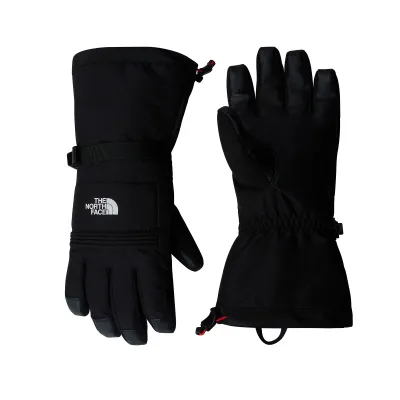
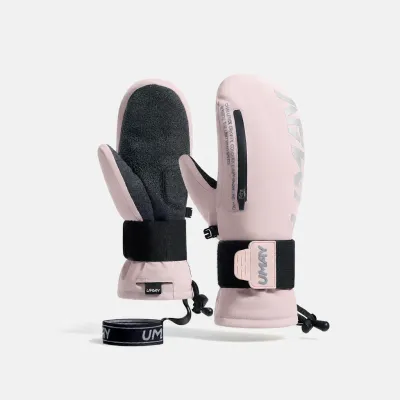
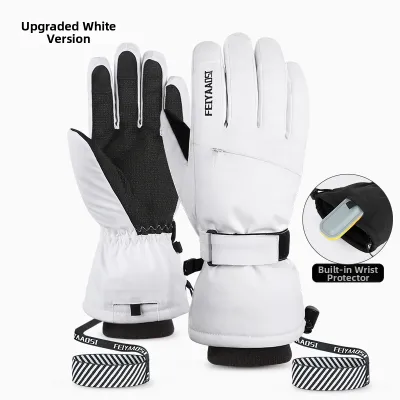
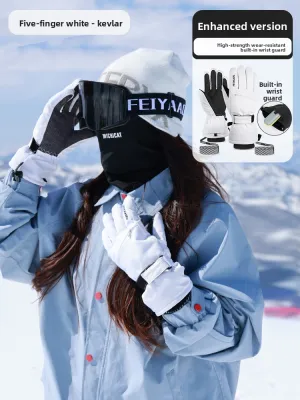
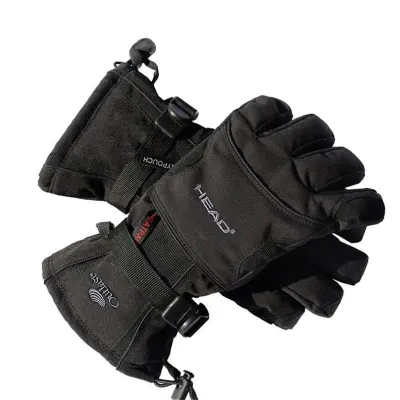
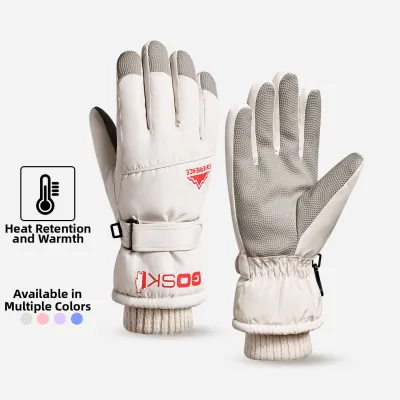
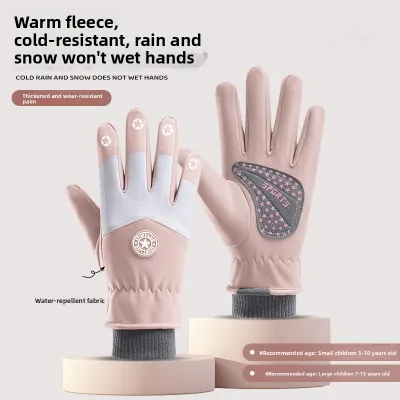
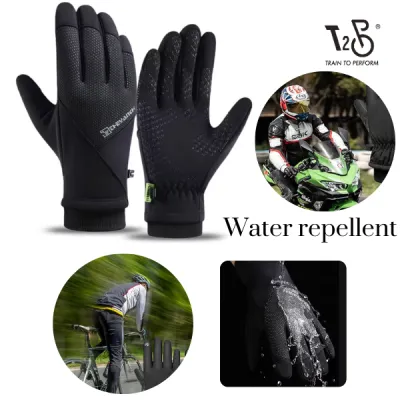
Prices are valid at publication and may change. Please refer to the product page for the latest price.
However, fingered gloves have a distinct disadvantage when it comes to warmth. Because each finger is isolated, they cannot share body heat, and the increased surface area of the glove exposes more fabric to the cold air. This is where mittens excel. Mittens keep your fingers together in a single shared compartment, allowing them to generate and retain collective warmth. For travelers from tropical climates who often feel the cold more acutely, mittens are generally the warmer option. The trade-off is a significant loss of dexterity; simple tasks like adjusting a strap or retrieving an item from your pocket often require you to take the mittens off entirely, exposing your hands to the elements.
For those torn between the two, hybrid designs offer a practical middle ground. The “lobster-claw” or three-finger design groups your pinky, ring, and middle fingers together for warmth while keeping your index finger and thumb free for dexterity. Alternatively, many skiers opt for a versatile layering system: wearing a thin, touchscreen-compatible liner glove inside a pair of spacious mittens. This setup allows you to slip off the outer mitten to perform quick tasks using your liner-clad hands, keeping your skin protected from direct contact with freezing metal lift bars or icy winds.
Key Features to Look for in Cold-Weather Handwear
When shopping for ski gloves, understanding technical specifications is essential to avoid purchasing fashion gloves that will quickly saturate with water. The most critical feature is a waterproof, breathable membrane. Skiing involves constant contact with snow, whether you are falling, adjusting bindings, or carrying wet equipment. Look for product labels that explicitly state the presence of an internal waterproof insert, often made of polyurethane or proprietary breathable membranes. This insert sits between the outer shell and the inner insulation, keeping external moisture out while allowing sweat vapor to escape. Additionally, check that the gloves feature sealed or taped seams, which prevent water from seeping through the needle holes where the fabric is stitched together.

Insulation is the next key component, and it is typically categorized into synthetic and natural fills. Synthetic insulation, usually made of polyester fibers, is highly recommended for ski gloves because it retains its insulating properties even if it gets damp. It is also durable, quick-drying, and generally more budget-friendly for occasional travelers. Natural down insulation offers an exceptional warmth-to-weight ratio and is incredibly comfortable, but it loses its ability to trap heat if water penetrates the outer shell. For most resort skiers, high-quality synthetic insulation provides the most reliable performance across varying weather conditions.
Beyond materials, several practical design features can significantly enhance your experience on the slopes. Gauntlet-style gloves feature long cuffs that extend well over your jacket sleeves, secured with a drawcord to keep deep snow out during falls. Under-cuff gloves are shorter and designed to tuck neatly inside your jacket sleeves, offering a sleeker look but requiring a tight jacket cuff seal. Wrist leashes, or “glove keepers,” are elastic bands that loop around your wrists, allowing you to drop your gloves safely while riding a chairlift without fear of losing them in the snow below. Finally, look for gloves with reinforced palms—typically made of leather or durable synthetic grip material—to withstand the friction of holding ski poles, and a soft nose-wipe patch on the thumb, which is incredibly useful for managing the runny noses common in cold weather.
How to Measure and Fit Ski Gloves Without Trying Them On
Since specialty winter gear shops can be limited in tropical regions, many Singapore travelers choose to purchase their ski gloves online. To ensure a proper fit without trying them on, you must take accurate hand measurements. Start by using a soft, flexible measuring tape. To find your hand circumference, wrap the tape around the widest part of your dominant hand, excluding the thumb, usually just below the knuckles. To measure hand length, place the tape at the crease of your wrist and measure straight up to the tip of your middle finger. Write down both measurements in both centimeters and inches, as different manufacturers use different units.
When comparing your measurements to online size charts, do not automatically choose the size that matches your exact dimensions. A proper ski glove must have a small “air gap” of about one to two centimeters at the tips of the fingers. This dead air space is crucial because it acts as an extra layer of insulation, trapping warm air heated by your body. If your fingertips press tightly against the end of the glove, the insulation is compressed, and cold air will transfer directly from the outside environment to your skin, leading to cold fingers.
An improperly fitting glove can ruin your day on the mountain. If a glove is too tight, it restricts blood circulation, which is the primary cause of cold hands, and limits your hand’s natural range of motion. Conversely, if the glove is too large, excess material will bunch up in your palm, severely reducing your grip strength and making it difficult to hold ski poles securely or operate zippers. If your measurements fall between two sizes on a manufacturer’s chart, it is generally safer to size up, especially if you plan to wear thin liner gloves underneath.
Buying in Singapore vs. Renting or Purchasing at the Resort
For travelers preparing for their first snow holiday, deciding where to acquire gear is a common logistical challenge. Buying your ski gloves in Singapore before you depart is highly recommended. While local physical options are more limited than in colder countries, specialty outdoor retailers and budget-friendly sporting goods chains in Singapore do stock winter collections, particularly in the months leading up to the northern hemisphere’s winter season. Purchasing beforehand allows you to take your time researching materials, comparing sizes, and finding a pair that fits your budget, which typically ranges from S$20 for basic entry-level models to over S$100 for high-performance technical gloves.
Renting gloves at your destination resort might seem like a convenient way to save money, but it is rarely a viable option. Most resort rental shops do not rent out personal items like gloves, goggles, or socks due to hygiene concerns. Hands sweat significantly during physical exertion, and the interior liners of rental gloves can harbor moisture and bacteria from previous users. Even if a resort shop does offer glove rentals, the selection is often highly limited, and you may end up with worn-out, poorly fitting gear that fails to keep your hands dry.
Purchasing gloves at a mountain resort retail shop is always an option, but it comes with a premium price tag. Resort shops operate in a captive market, meaning prices are often significantly higher than what you would pay online or in Singapore for the exact same quality. Furthermore, arriving at a freezing resort without gloves means you will be forced to make a rushed purchase in the first shop you find, leaving you with fewer style and fit choices. Buying your gloves before leaving Singapore ensures you step off the plane fully prepared for the cold.
Layering and Care Strategies for Occasional Skiers
To get the most out of your ski gloves, adopting a smart layering strategy is highly beneficial. Wearing a thin, moisture-wicking liner glove made of merino wool or synthetic polyester underneath your main ski gloves adds an extra layer of thermal protection. This is particularly useful on exceptionally cold or windy days. Liners also serve a hygienic purpose: they absorb hand sweat, keeping the inner lining of your expensive outer gloves cleaner for longer. Because liners are easy to wash and dry, you can bring multiple pairs and rotate them throughout your trip, ensuring a fresh feel every morning.
Proper daily maintenance during your ski trip is essential to preserve the performance of your gloves. After a day on the slopes, your gloves will likely be damp from sweat or melted snow. Never place them directly on a high-heat source, such as a radiator or fireplace, as extreme heat can melt synthetic fabrics, crack leather palms, and damage the internal waterproof membrane. Instead, open the cuffs wide, remove any removable liners, and allow them to air dry naturally in a warm, well-ventilated room. Hanging them cuff-down can also help trapped moisture escape more efficiently.
Once you return to Singapore’s humid, tropical climate, long-term storage requires special attention to prevent mold and material degradation. High humidity can cause polyurethane coatings to peel and mold to grow inside the damp insulation. Ensure your gloves are completely dry inside and out before storing them. Place them in a breathable fabric bag rather than a sealed plastic container, and store them in a cool, dry wardrobe. Adding a few silica gel packets or desiccants inside the storage bag is an excellent way to absorb any residual moisture and protect your investment for your next winter adventure.
Frequently Asked Questions (FAQ)
Can I use regular winter gloves for skiing?
No, regular fashion or urban winter gloves are not suitable for skiing. Casual gloves, such as those made of wool, fleece, or knitted acrylic, lack the waterproof membranes and durable outer shells required for alpine environments. When these materials come into contact with snow, they quickly absorb moisture, which then melts from your body heat and freezes, leaving your hands wet and dangerously cold. Furthermore, casual gloves do not have reinforced palms or grip patterns, making it difficult to hold ski poles securely, and they lack the windproofing needed to protect your hands at high speeds on the slopes.
Do I need glove liners for a typical resort trip?
While not strictly mandatory, glove liners are highly recommended for most resort trips. They provide an inexpensive way to customize your warmth level; you can wear them on freezing mornings and remove them as the day warms up. Liners also allow you to take off your bulky outer gloves to use your phone, adjust your gear, or take photos without exposing your bare skin to sub-zero winds. Additionally, they act as a sweat barrier, making it much easier to keep the interior of your main ski gloves clean and odor-free.
How do I wash and store ski gloves after returning to Singapore?
Always check the manufacturer’s care label before washing your ski gloves. Many technical gloves should not be machine washed or submerged completely; instead, spot-clean the exterior with a damp cloth and mild soap. Avoid using harsh detergents or fabric softeners, as these can strip away the durable water repellent coating on the outer fabric. Once clean, air dry them completely away from direct heat. For storage in Singapore’s humid climate, place the dry gloves in a breathable bag with silica gel desiccants in a cool, dark closet to prevent mold growth and fabric peeling.
Community discussion
Share your experience or ask a question. Comments are reviewed before publication.