
Finding the right balance between a passion for cycling and the spatial realities of modern Singapore apartments can be a delicate act. With the extensive Park Connector Network (PCN) making cycling highly accessible, many residents in HDB flats and condominiums bring bicycles home. However, compact layouts mean that leaving a bicycle parked haphazardly in the entryway or living room quickly leads to cluttered walkways and potential safety hazards. The challenge lies in finding a bicycle storage solution that maximizes square footage, prevents wall damage, and keeps your living space organized.
To choose the most practical setup, you must evaluate your apartment’s structural layout alongside your specific bicycle type. Whether you are renting and need a completely drill-free option, or you own your home and want to utilize vertical wall space, a systematic approach will help you reclaim valuable floor area. By assessing your space, understanding the structural limits of your walls, and selecting the right mounting style, you can integrate your bicycle seamlessly into your home environment.
Assess Your Space and Bicycle Dimensions
Before purchasing any bicycle storage system, accurate measurements of your bicycle and storage area are essential. Measure the maximum length of your bicycle from the outer edge of the front tire to the rear tire. Next, measure the height from the floor to the highest point of the handlebars or saddle. Measure the handlebar width, as wide mountain bike handlebars require more clearance than narrow road bike drop bars. Account for protruding pedals, front baskets, or rear racks, which add unexpected depth to the bicycle’s profile.
Products mentioned in this guide
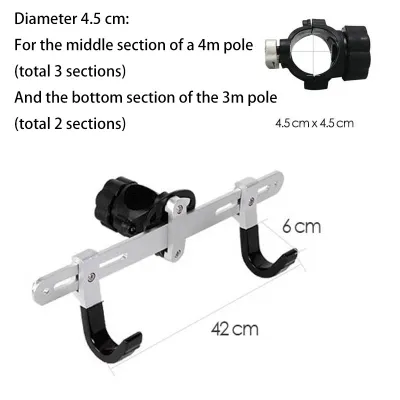
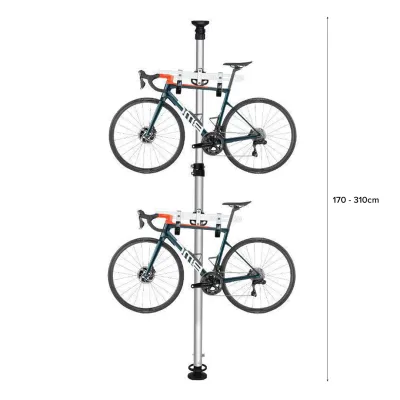
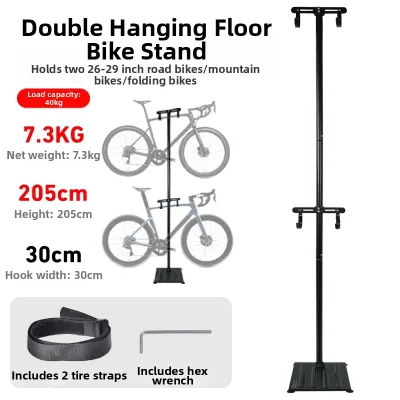
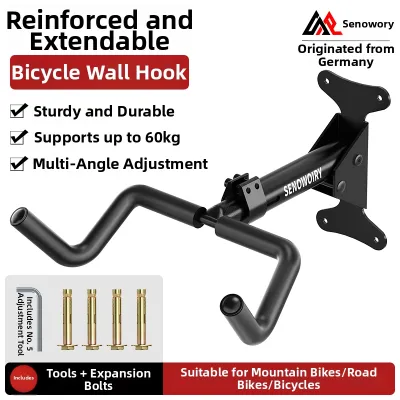
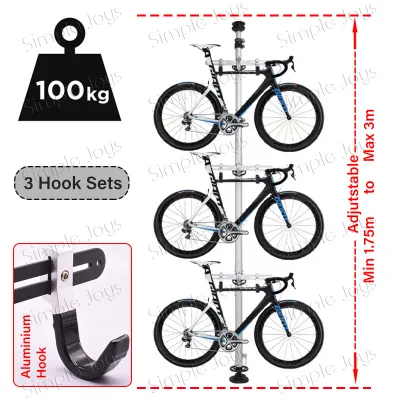
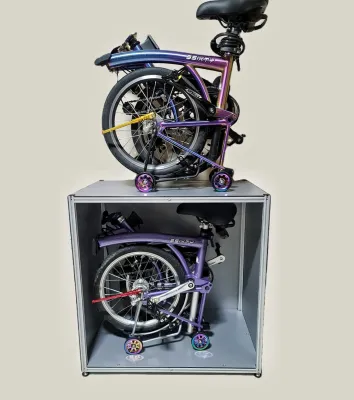
Prices are valid at publication and may change. Please refer to the product page for the latest price.
Next, evaluate the physical characteristics of your chosen storage zone. For vertical or ceiling-mounted setups, measure the exact clearance from floor to ceiling. For wall-mounted options, identify whether the wall is solid concrete or a hollow drywall partition, as this dictates the mounting hardware required. Additionally, map out the floor footprint, noting door swing radiuses, light switches, and built-in cabinets.
Finally, consider daily traffic flow to prevent the bicycle from becoming a physical bottleneck. A storage solution in a narrow corridor might look tidy on paper, but it becomes an obstacle if family members frequently bump into it. Ensure the location leaves ample walkway clearance so residents can move freely without squeezing past the bicycle.
Freestanding and Floor-Based Options for Zero-Drill Setups
For tenants living in rental properties or homeowners who prefer not to drill into their walls, freestanding and floor-based storage systems offer an excellent compromise. These setups rely on gravity, tension, or a stable base to keep your bicycle secure without requiring permanent wall modifications. The two most common zero-drill options are floor-to-ceiling tension pole mounts and freestanding gravity stands.

Tension pole mounts utilize a spring-loaded or screw-expansion mechanism to wedge a vertical pole securely between the floor and the ceiling. This design allows you to stack multiple bicycles vertically, making highly efficient use of vertical space. However, before installing a tension pole, you must verify that both your floor and ceiling are solid and level; suspended plaster ceilings or false ceilings common in some condominiums may crack or fail under the upward pressure. Freestanding gravity stands, on the other hand, lean directly against a solid wall and use the weight of the bicycles to stabilize the frame. While they are incredibly easy to assemble and move, they do require a small amount of floor space at the base to maintain stability.
Regardless of the style you choose, always check the manufacturer’s product label for the maximum load capacity. Ensure that the combined weight of your bicycles and accessories falls well within these specified safety limits. While floor-based racks and stands are highly convenient and preserve your wall integrity, they do consume some valuable floor footprint. Weigh this trade-off carefully against your apartment’s layout to decide if a freestanding unit is the right fit for your space.
Wall-Mounted and Vertical Hooks to Reclaim Floor Space
When floor space is at an absolute premium, lifting your bicycle completely off the ground is often the most effective strategy. Wall-mounted systems and vertical hooks allow you to utilize empty wall space, transforming your bicycle into a functional wall feature while keeping the floor completely clear. The main options include horizontal wall mounts, vertical wheel hooks, and ceiling-mounted pulley systems.
Horizontal wall mounts hold the bicycle parallel to the floor by cradling the top tube. This method keeps the bicycle flat against the wall, which works well in wider hallways or behind living room furniture, though it requires a long stretch of uninterrupted wall space. Vertical wheel hooks hang the bicycle perpendicular to the wall by the front or rear wheel. This setup is highly space-efficient for corners or narrow alcoves, but the bicycle will protrude further out into the room. Ceiling pulley systems are ideal for apartments with exceptionally high ceilings, allowing you to hoist the bicycle completely out of sight, though they require more effort to operate daily.
Before installing any wall-mounted hardware, you must identify your wall type. Solid concrete walls, which are standard in most HDB flats, provide excellent structural support and can easily hold heavy bicycles when paired with high-quality masonry wall plugs and screws. Conversely, drywall partitions or hollow brick walls require specialized heavy-duty toggle bolts or anchors, and you should verify that the weight of your bicycle does not exceed the load-bearing capacity of the partition. Additionally, always use a reliable stud finder or wall scanner to check for hidden electrical wiring, water pipes, or conduits before drilling any holes into your apartment walls.
Concealed and Multi-Functional Storage Strategies
If you prefer to keep your bicycle out of sight to maintain a minimalist aesthetic, you can explore creative, concealed, or multi-functional storage strategies. Integrating your bicycle into existing furniture or utilizing underutilized zones in your apartment can significantly reduce visual clutter.
Balcony spaces in both HDB flats and condominiums are popular storage locations, but they require careful management. If you store your bicycle on a balcony, ensure it is well-protected from direct sunlight and driving rain, as prolonged exposure to moisture and UV rays can degrade rubber components, fade paint, and cause rust. More importantly, never place a bicycle where it blocks emergency escape routes, sliding doors, or access to utility meters. Inside the home, you can integrate your bicycle storage with modular shelving units, custom entryway consoles, or bench seating. Some custom furniture designs allow you to roll the bicycle into a dedicated cabinet or hang it behind a decorative sliding panel.
For those who ride folding bicycles, storage becomes much simpler. Folding bikes can easily be tucked away in underutilized spaces such as under a bed frame, inside a wardrobe, or in a compact corner of the utility closet. When choosing a folding bike storage spot, ensure the area is dry and well-ventilated to prevent moisture buildup, and use a protective mat or tray underneath the folded bike to catch any chain grease or road debris.
Common Clearance and Installation Mistakes to Avoid
Setting up a bicycle storage system requires precision to ensure safety and long-term convenience. One of the most common mistakes is failing to account for the physical protrusion of the handlebars and pedals. Even if a wall mount is installed at the correct height, wide handlebars can force the front wheel to turn awkwardly, causing unexpected scuffs on the wall or creating a physical hazard in a busy walkway.
Another critical error is overloading tension poles, wall anchors, or ceiling hooks beyond their specified manufacturer limits. Over time, the constant weight of a heavy commuter bike or e-bike can cause wall plugs to loosen or tension poles to slip, leading to sudden structural failure and potential damage to your home or bicycle. Always verify the weight of your bicycle using a scale before choosing your mounting hardware.
Lastly, never compromise on walking clearance. It can be tempting to squeeze a bicycle into a narrow entryway corridor, but if residents must constantly dodge the pedals or squeeze sideways to pass, the storage solution will quickly become a source of daily frustration. Always prioritize clear, unobstructed pathways, especially near main entrance doors and emergency exit routes.
Frequently Asked Questions (FAQ)
Can I store my bicycle inside the household shelter?
Before using your household shelter (commonly referred to as the bomb shelter) for bicycle storage, you should verify the current guidelines issued by the Singapore Civil Defence Force (SCDF). As a general safety rule, the shelter’s heavy steel door must remain completely unobstructed at all times so that it can be opened and closed quickly in an emergency. Additionally, you must avoid blocking the ventilation openings or storing any highly combustible materials, such as aerosol chain lubricants or cleaning solvents, inside the shelter.
How do I protect my walls from tire marks and scuffs?
To keep your apartment walls clean when using vertical or wall-mounted storage, consider installing clear acrylic wall shields or removable contact paper directly behind the areas where the tires make contact with the wall. Dedicated rubber or plastic wall protectors can also be mounted to cradle the wheels and prevent direct contact. Additionally, making it a habit to wipe down your tires with a damp cloth after outdoor rides will prevent street dirt, mud, and chain grease from transferring onto your home’s painted surfaces.
Community discussion
Share your experience or ask a question. Comments are reviewed before publication.