
Finding the right abdominal trainer for a small Housing & Development Board (HDB) flat in Singapore requires balancing your fitness goals with the physical realities of limited square footage. Suitable compact options include ab rollers, core sliders, foldable sit-up benches, and doorway suspension systems. Each of these tools offers a different spatial footprint, meaning the ideal choice depends on your available storage, floor layout, and the dynamic clearance required during active exercise. Rather than looking for a one-size-fits-all solution, you should evaluate how each equipment type matches your home’s dimensions and your personal workout habits.
Assessing Your HDB Space and Workout Clearance
Before purchasing any fitness equipment, you must measure both the static footprint of the machine and the dynamic space required for your body to move. In a typical HDB bedroom or living room, floor space is shared with sofas, television consoles, and dining tables. Start by measuring the exact floor area where you plan to exercise using a standard measuring tape. Compare these dimensions to the manufacturer’s specified product dimensions to ensure the equipment physically fits in the room.
Ceiling height is another critical factor, especially in newer HDB flats where ceiling heights typically range from 2.6 to 2.8 metres. If you plan to use vertical abdominal trainers, suspension straps, or high-angle incline benches, you must verify that your head and hands will not contact the ceiling during peak exertion. Measuring the vertical distance from the floor to the lowest ceiling fixture or beam is essential to prevent painful overhead collisions.
Products mentioned in this guide
Prices are valid at publication and may change. Please refer to the product page for the latest price.
Dynamic clearance refers to the total area your body occupies when performing an exercise through its full range of motion. For instance, while an ab roller itself is small, using it requires you to roll out into a fully extended plank position. To calculate your required dynamic clearance, lie flat on your back on the floor, extend your arms fully above your head, and measure the distance from your fingertips to your toes. Add at least 30 to 50 centimetres of buffer space to both ends to establish a safe workout zone.
Finally, identify safe buffer distances from household hazards. In Singapore homes, ceiling fans are common fixtures that present a significant hazard during dynamic movements. Ensure your workout zone is completely clear of the fan’s rotational path. Additionally, maintain a safe distance from sharp furniture corners, glass sliding doors, and high-traffic walkways where family members might unexpectedly walk past while you are exercising.
Comparing Space Profiles of Compact Abdominal Trainers
Ab rollers and core sliders are highly space-efficient tools available for core training. An ab roller consists of a small wheel with handles, while core sliders are thin discs that glide across the floor. Together, they require virtually zero static storage space and can easily slide into a drawer or sit on a bookshelf. When in use, their spatial demand is strictly horizontal, requiring only enough floor space to accommodate a standard yoga mat. This makes them exceptionally well-suited for highly restricted areas, such as narrow corridors or the space between a bed and a wardrobe.

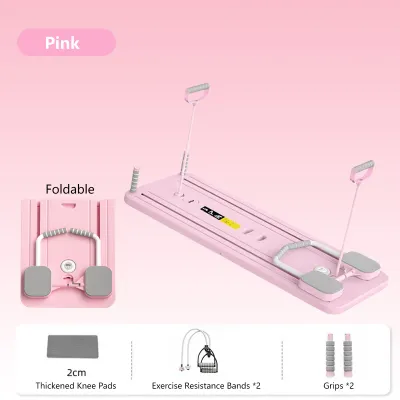
Foldable sit-up benches and incline boards offer a structured platform for various core exercises but carry a moderate footprint when in use. A typical bench requires a clear floor area of approximately 1.2 to 1.5 metres in length. Because of this larger footprint, it is vital to check the manufacturer’s folded dimensions before buying. Look for models that fold down to a flat profile of 15 to 20 centimetres in height, which allows them to be slid under a standard bed frame or tucked vertically into a utility closet. You must also check the total weight of the bench to ensure you can comfortably lift and move it without straining your back.
Doorway and suspension systems utilize vertical space, resulting in a zero-floor-space footprint when stored. These systems rely on anchoring to a door frame or a secure wall mount. Before choosing this option, you must inspect the structural integrity of your HDB door frames. Many modern HDB internal doors are hollow-core doors, which are not designed to support body weight. You must verify that you have a solid wood door frame or a concrete wall suitable for anchoring, and check the manufacturer’s weight limits and installation requirements to ensure safe operation.
Evaluating Storage and Daily Setup Practicality
An abdominal trainer is only useful if you actually set it up to exercise. If the process of retrieving, unfolding, and securing the equipment is too tedious, it will likely end up permanently stored away. When evaluating foldable benches or multi-functional core machines, check the manufacturer’s guidelines regarding the folding mechanism. Look for designs that feature quick-release pins or simple hinge locks rather than complex bolt assemblies that require specialized tools. A mechanism that requires more than three steps to fold or unfold can quickly become a barrier to daily consistency.
The weight of the equipment directly impacts how easily you can transition it from storage to your workout area. Heavy steel frames may offer stability, but they can be difficult to maneuver around tight corners in an HDB flat. Check the product specifications for the total weight and look for models that feature built-in transport wheels or integrated carrying handles. These features allow you to roll the equipment across vinyl, laminate, or tile flooring without having to lift the entire weight, reducing the risk of accidental drops or floor scratches.
Storage configuration is the final practical check. Measure the clearance height under your bed or sofa to confirm it matches the folded height of the trainer. If you plan to store the equipment vertically in a utility closet or behind a door, ensure the folded unit can stand securely on its own or has a reliable locking mechanism to prevent it from tipping over. A falling bench can damage your walls, scratch your flooring, or cause injury to household members, so stable vertical storage is a key safety consideration.
Common Space-Matching Mistakes to Avoid
One of the most frequent errors when buying home gym equipment is focusing solely on the static footprint listed on the box. A compact machine might look entirely adequate sitting in the corner of a room, but once you attempt to perform a full crunch, leg raise, or rollout, you may find your elbows hitting the wardrobe or your feet striking the bed frame. Always visualize and measure the dynamic movement zone rather than just the storage dimensions of the equipment.
Another common mistake is ignoring the physical effort required for daily setup and teardown. Buyers often purchase heavy, semi-foldable machines under the assumption that they will fold them away after every single workout. In reality, if a machine weighs over 15 kilograms and lacks wheels, the physical exertion of moving it can lead to two negative outcomes: either the machine remains permanently unfolded, cluttering your living space, or it stays folded in the closet, unused.
Lastly, many residents fail to account for overhead obstacles unique to their home layout. In Singapore’s warm climate, ceiling fans are frequently kept running. Using suspension trainers or vertical knee-raise stations without checking the clearance path of the fan blades can lead to severe accidents. Always map out your vertical movement path and ensure it remains completely clear of light fixtures, low concrete beams, and active ceiling fans before initiating any exercise.
Frequently Asked Questions (FAQ)
Will an Ab Roller Damage Vinyl or Laminate Flooring?
Ab rollers can potentially scuff or dent softer flooring materials like vinyl or laminate if used directly on the surface, especially if dust or small debris gets caught under the wheel. To protect your floors, always check the manufacturer’s specifications regarding the wheel material; wheels coated in thermoplastic rubber (TPR) or polyurethane are generally gentler on hard surfaces. Additionally, always perform your rollouts on a high-density, non-slip exercise mat. This not only prevents scuff marks and scratches but also dampens noise transmission to downstairs neighbors in your HDB block.
Are Doorway Suspension Trainers Safe for Hollow-Core Doors?
No, doorway suspension trainers are generally unsafe for use on standard hollow-core doors, which are common for bedrooms and bathrooms in many HDB flats. Hollow-core doors lack the internal structural support to handle the concentrated pulling forces exerted during suspension exercises, which can lead to cracking, warping, or structural failure of the door panel. To use these trainers safely, you must identify a solid-core door (such as a heavy main entrance door) or anchor the system to a reinforced door frame or concrete wall. Always verify the load-bearing capacity of your door frame and follow the manufacturer’s exact mounting instructions to prevent structural damage or injury.
Community discussion
Share your experience or ask a question. Comments are reviewed before publication.