
Setting up a dedicated workout space in a Singapore HDB flat requires a realistic look at your floor plan. While commercial gyms offer sprawling setups, a home gym in a limited layout must prioritize versatility, compact storage, and structural safety. The key to success is choosing home fitness equipment that matches your specific training goals while respecting the physical boundaries of your living space. By focusing on multi-functional gear and understanding how to calculate operational clearance, you can build an effective workout routine without cluttering your home.
Measure Your Available Space and Clearance
Before purchasing any home fitness equipment, you must distinguish between its storage footprint and its operational footprint. The storage footprint is the space the item occupies when folded or tucked away, while the operational footprint is the actual area required to use the equipment safely. For example, a compact folding treadmill might occupy a small corner when upright, but it requires a clear path of at least two meters behind the deck and one meter on either side during use to prevent injury in case of a slip.
To ensure a smooth setup, measure your flat’s entryways, including the main door frame, hallway corners, and lift doors. Heavy or bulky equipment often arrives partially assembled, and narrow corridors can make delivery highly challenging. Additionally, consult the manufacturer’s specifications for the exact clearance zones required around moving parts. Failing to account for these safety margins can lead to collisions with walls, furniture, or glass doors during dynamic movements.
Products mentioned in this guide
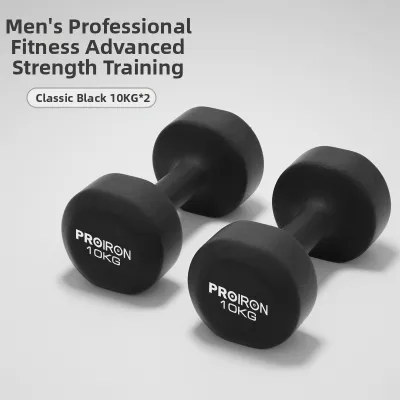
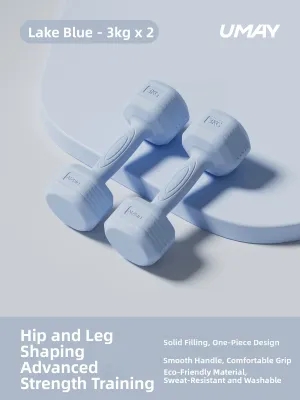
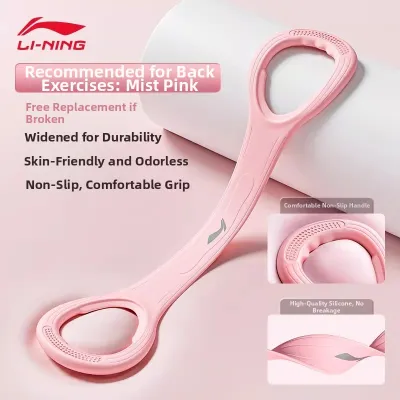
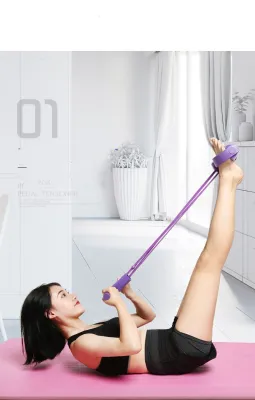
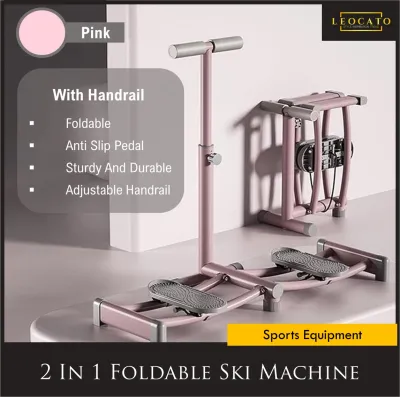
Prices are valid at publication and may change. Please refer to the product page for the latest price.
Compact Equipment Categories for Limited Spaces
Maximizing a small workout area requires prioritizing multi-functional and collapsible designs. Equipment that serves multiple purposes, such as a utility bench that adjusts to various angles or resistance systems with multiple attachment points, reduces the need for separate machines. These designs allow you to transition between exercises seamlessly while keeping your overall equipment inventory to a minimum.

However, compact and foldable designs often involve trade-offs regarding structural stability and weight capacity. Lightweight frames are easier to move and store, but they may wobble or flex under heavy loads or high-intensity training. Always verify the maximum user weight and load capacities specified by the manufacturer before purchasing. If your training involves heavy lifting or high-impact movements, a slightly larger, more stable piece of equipment may be necessary for your safety.
Space-Efficient Cardio Options
Cardio workouts can be challenging to accommodate in a small flat, but several space-efficient options exist. Foldable treadmills, compact elliptical trainers, and under-desk pedal exercisers are designed to minimize their physical presence. Walking pads and slim treadmills can often slide under a sofa or stand vertically against a wall, making them highly suitable for multi-purpose living rooms.
When evaluating foldable cardio machines, verify the exact folded dimensions rather than relying on generic product photos. Some models still require significant depth when folded, which may prevent them from fitting under standard furniture. Additionally, assess the physical effort required to operate the folding mechanism. Heavy decks without hydraulic assistance can be difficult to lift safely, increasing the risk of lower back strain during setup and pack-away.
The total weight of the machine is another critical factor for portability. Ensure the equipment features high-quality transport wheels that roll smoothly on your specific flooring material. If you must move the machine frequently between your living room and a storage closet, verify that you can safely manage its weight without assistance, or plan a permanent spot where it can remain stationary.
Adjustable Strength and Resistance Gear
Strength training does not require a bulky power rack or a full set of fixed dumbbells. Adjustable dumbbells and kettlebells use dial, pin, or plate-locking systems to pack multiple weight increments into a single pair of handles. This design replaces an entire rack of weights, saving significant floor space while allowing you to progress in your training.
For resistance training without any floor footprint, high-quality resistance band systems with secure door or wall anchors are highly effective. These bands allow you to perform a wide variety of pulling and pushing movements at various angles. If you prefer using a weight bench, look for foldable models that collapse flat to a height of under 20 centimeters, allowing them to be stored under a bed or inside a wardrobe. Wall-mounted cable systems are also highly space-efficient, but you must verify that your walls can support the structural load before drilling.
When choosing adjustable dumbbells, pay close attention to their physical length. Because these systems must accommodate multiple weight plates on a single bar, they are often significantly longer than standard fixed dumbbells, even at lower weight settings. Verify that this extra length will not interfere with your natural range of motion or strike your body during exercises like bicep curls, shoulder presses, or chest flies.
HDB-Specific Structural and Living Constraints
Living in a high-density HDB flat introduces unique structural and environmental considerations. Standard residential floors are designed to support typical household loads, but heavy fitness setups can concentrate significant weight in a small area. To protect your flooring and distribute the weight of heavy equipment like benches or dumbbell racks, always use wide, supportive mats that spread the load across a larger surface area.
Impact noise and vibration transfer are common sources of friction between neighbors in high-density housing. Running on a treadmill or dropping weights creates low-frequency vibrations that travel easily through concrete floors. To minimize this disturbance, place thick, high-density rubber mats under your equipment. These mats help absorb the kinetic energy of your movements, reducing the sound and vibration transmitted to the unit below.
Ceiling height is another critical constraint, especially for taller users or exercises involving overhead movements. Standard HDB ceilings may not provide enough clearance for overhead barbell presses, pull-ups, or high-impact jumping. Measure your maximum reach height while standing and compare it to your ceiling height before purchasing tall equipment like power towers or suspension trainers. Ensure your workout path remains clear of ceiling fans, light fixtures, and low-hanging beams.
Smart Storage and Layout Strategies
Keeping your workout space organized is essential for maintaining a safe and comfortable home environment. Utilize vertical space by installing wall-mounted racks or pegboards to store lightweight items like resistance bands, yoga mats, jump ropes, and foam rollers. Keeping these accessories off the floor reduces tripping hazards and makes your living area feel less cluttered.
For smaller items that cannot be hung, consider dual-purpose furniture such as storage ottomans or hollow benches. These pieces can blend seamlessly into your home decor while keeping your fitness gear hidden but easily accessible. When planning your workout layout, always ensure that your equipment does not block emergency exit paths, main walkways, or access to electrical panels.
Additionally, avoid positioning large equipment where it blocks natural ventilation or natural light. Proper airflow is crucial for temperature regulation during intense workouts, especially in Singapore’s warm and humid climate. Position your setup near a window or in line with a fan or air conditioning unit to ensure a comfortable and safe training environment.
Frequently Asked Questions (FAQ)
Can I install a pull-up bar on an HDB door frame?
Tension-mounted pull-up bars rely on outward pressure against the door frame, while screw-in models use brackets fixed directly into the wood or metal. HDB door frames are often constructed from timber or lightweight metal, which may not be designed to withstand heavy lateral pressure or vertical shear forces. Before installing any bar, carefully inspect the material and structural integrity of your frame. Stop using the equipment immediately if you notice any cracking, bowing, shifting, or yielding, as this indicates structural compromise and poses a severe fall risk.
Do I need a specialized mat for HDB floors?
Standard thin yoga mats are designed primarily for traction during bodyweight exercises and do not provide sufficient protection for heavy equipment or high-impact workouts. To protect delicate vinyl, laminate, or ceramic tiles from scratches and dents, you need high-density rubber puzzle mats or heavy-duty equipment mats. These specialized mats offer greater impact absorption, which helps reduce noise transmission to your neighbors. Always verify that the mats have reliable non-slip properties on both sides to prevent them from sliding during dynamic movements.
Community discussion
Share your experience or ask a question. Comments are reviewed before publication.