
Finding the right home gym equipment for a small Housing & Development Board (HDB) flat in Singapore requires balancing your fitness goals with the realities of compact urban living. The best OneTwoFit gym equipment for a small HDB flat consists of highly compact, multi-functional, or foldable units—such as ultra-thin walking pads, folding weight benches, and adjustable dumbbell sets—that can be easily stowed away when not in use. Because HDB layouts prioritize living space, selecting equipment that minimizes floor footprint and offers vertical storage is essential to maintaining a clutter-free home.
Setting up a home workout space in Singapore often means utilizing multi-purpose areas, such as a corner of the living room, a study, or a spare bedroom. Without careful planning, a single piece of bulky exercise gear can quickly dominate a room, disrupting the flow of your home and creating safety hazards. By focusing on smart design features and accurate spatial planning, you can build an effective workout routine without sacrificing your living comfort.
To make an informed decision, you must look beyond the aesthetic appeal of fitness gear and evaluate how a machine operates in real-time. This involves understanding the physical dimensions of your flat, identifying key space-saving mechanisms, and selecting equipment categories that align with your specific spatial constraints.
Products mentioned in this guide
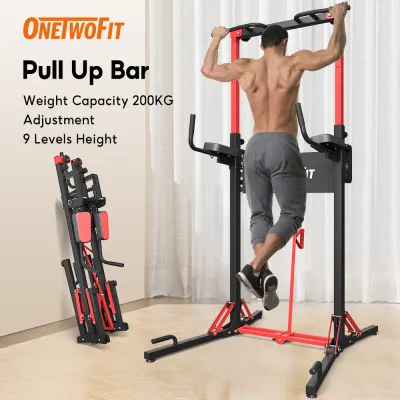
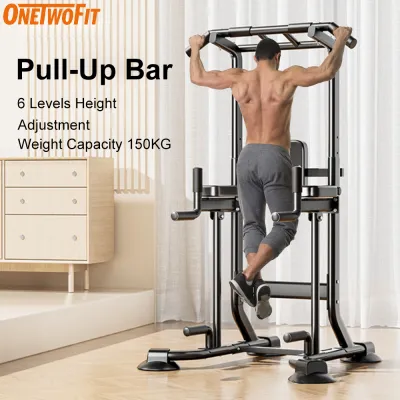
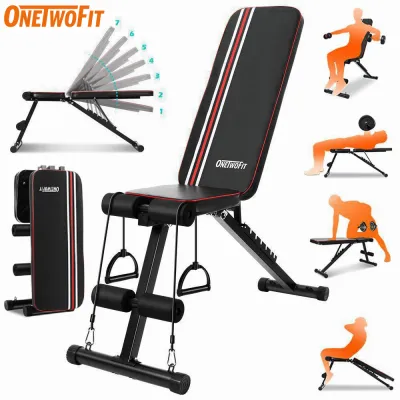
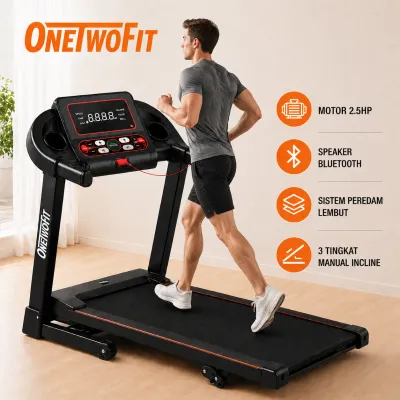
Prices are valid at publication and may change. Please refer to the product page for the latest price.
How to Measure Your HDB Space for Gym Equipment
Before browsing online marketplaces for OneTwoFit equipment, you must conduct a thorough physical assessment of your designated workout area. Start by measuring the exact floor footprint where you plan to place the machine. Compare these measurements directly with the manufacturer’s assembled dimensions, keeping in mind that the machine will require dedicated floor space even when idle.
However, static dimensions only tell half the story. You must also account for dynamic clearance, which is the extra space required when the equipment is in active use. For instance, a treadmill requires a safety zone behind the belt in case of slips, while a weight bench requires lateral clearance for your arm swings and dumbbell paths. If you are considering cardio gear, factor in your stride length and the maximum incline height, ensuring your head will not come too close to the ceiling during a high-intensity workout.
Next, map out the delivery route from the building entrance to your flat. Measure the width of your HDB main door, hallway turns, bedroom doors, and even the elevator dimensions. Large, heavy boxes can be incredibly difficult to maneuver through tight corners, and verifying these pathways beforehand prevents the frustration of a delivery that cannot physically enter your home.
Finally, verify your ceiling height, especially if you are eyeing tall multi-station trainers, pull-up bars, or treadmills. Standard HDB ceilings typically range around 2.6 meters, but structural beams or false ceilings can reduce this clearance. Ensure that any overhead movement, such as a pull-up or an overhead press, can be performed comfortably without your hands or head contacting the ceiling or light fixtures.
Key Space-Saving Features to Look For
When evaluating OneTwoFit gym equipment, specific design elements can make or break its suitability for a compact HDB flat. The most critical feature to analyze is the folding mechanism. Check the manufacturer’s instructions to verify the exact folded dimensions and determine whether the unit is designed to stand upright independently or slide flat under a bed or sofa. A machine that requires being leaned against a wall without a built-in locking stand can pose a safety hazard in a busy household.

Mobility is another essential factor for multi-purpose rooms. Look for equipment equipped with built-in transport wheels, which allow you to roll the machine out of the way once your workout is complete. Before moving heavy gear, assess your floor type; delicate vinyl, laminate, or polished tiles can scratch easily under heavy loads, so choosing wheels with non-marring materials or using a protective path is highly recommended.
Multi-functionality is a highly efficient way to maximize your fitness budget and floor space. Instead of purchasing separate machines for different exercises, look for versatile gear like an adjustable weight bench that supports flat, incline, and decline positions, or a multi-station trainer that combines several resistance exercises into a single footprint. This approach reduces the total number of items cluttering your home.
Lastly, prioritize equipment that features quick-release pins or tool-free assembly. If a machine requires a complex set of tools and twenty minutes of disassembly just to store it away, you are far less likely to pack it up after a tiring workout. User-friendly adjustment knobs and folding latches encourage consistent storage habits, keeping your living area tidy.
Evaluating OneTwoFit Equipment Types for Compact Living
Different fitness categories impose distinct demands on your home’s layout. Understanding how cardio machines compare to strength training gear in terms of storage, noise, and structural impact will help you narrow down the best options for your specific HDB floor plan.
Foldable Treadmills and Walking Pads
Cardio workouts are highly popular, but traditional treadmills are notoriously bulky. For small flats, walking pads offer an incredibly compact alternative to standard folding treadmills. Walking pads typically feature a lower profile, allowing them to slide easily under most bed frames or sofas, whereas standard folding treadmills often have bulkier handrails and consoles that require vertical wall storage or a larger dedicated corner.
When choosing between these options, consult the product manual to verify weight limits, motor noise levels, and vibration characteristics. In high-density HDB blocks, structural noise and vibrations from running can easily travel through concrete floors to your downstairs neighbors. Opting for a walking pad with a lower-horsepower motor or a treadmill with advanced shock-absorption layers can help mitigate this issue.
Additionally, evaluate how often you are willing to fold and unfold the machine. If you plan to use a walking pad daily, a lightweight model that folds in half is highly convenient. However, if you prefer high-speed running, you may need to accept a larger, sturdier folding treadmill and dedicate a permanent, well-ventilated spot for it.
Compact Strength and Multi-Station Trainers
If strength training is your focus, you do not need a massive commercial cable crossover machine to get a full-body workout. An adjustable dumbbell set combined with a foldable weight bench offers an incredibly versatile setup with a minimal footprint. When folded, a compact bench can often be tucked into a wardrobe or stood upright in a utility closet, while the dumbbells sit neatly in their custom trays.
For those considering wall-mounted pull-up bars or suspension trainers, you must carefully check local housing regulations and structural compatibility. HDB walls are generally divided into structural concrete walls and non-load-bearing partition walls. Mounting heavy fitness equipment on lightweight partition walls or drywall can lead to structural damage and personal injury. Always verify that you are anchoring into solid concrete and using the correct heavy-duty expansion bolts.
Furthermore, ensure you have adequate clearance for a full range of motion. Exercises like lateral raises, dumbbell flyes, and lunges require significant lateral and longitudinal space. Mark out these exercise zones on your floor to ensure you will not accidentally strike nearby furniture, glass doors, or television screens during your sets.
Common Mistakes When Buying Fitness Gear for Small Flats
One of the most frequent errors buyers make is ignoring the “in-use” dimensions of the equipment. It is easy to be enticed by a product listing that highlights a tiny folded footprint, only to realize upon assembly that the machine requires double that space to operate safely. Always plan your layout around the maximum operational dimensions rather than the storage dimensions.
Another overlooked aspect is ventilation and heat dissipation. Motorized equipment, such as treadmills, generates heat during operation. Placing these machines in tight, enclosed closets or small rooms without adequate airflow can cause the motor to overheat, potentially shortening the lifespan of the electronics. Ensure there is sufficient open space around the motor housing to allow heat to escape freely.
Power outlet proximity is also crucial. Motorized fitness gear must be plugged directly into a wall outlet to ensure safe operation. Running long, heavy-duty extension cords across high-traffic walkways in your flat creates a major tripping hazard and can overload your electrical circuits. Plan your equipment placement close to existing power sources.
Finally, never assume that all foldable fitness equipment can be safely stored vertically without support. Unless the manufacturer explicitly states that the unit is self-standing or includes a dedicated wall anchor, storing a heavy machine upright against a wall poses a tipping risk, especially if you have young children or pets at home.
Safety and Maintenance in Tight Spaces
Operating gym equipment in a restricted environment requires strict adherence to safety protocols. Always maintain the mandatory safety clearances specified in your OneTwoFit user manual. For motorized treadmills, this typically includes leaving a clear, unobstructed zone behind the machine to prevent entrapment in the event of a fall.
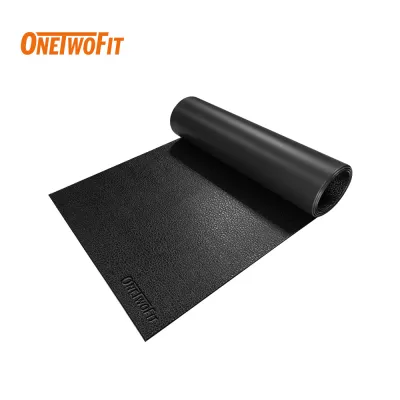
To protect your HDB flooring and maintain peace in your household, always place a high-density equipment mat beneath your gear. These mats distribute the weight of the machine, prevent sliding during intense workouts, and absorb vibrations that would otherwise echo through the building’s structure.
Regular maintenance is vital for foldable equipment, as the moving joints and locking mechanisms experience continuous wear. Establish a monthly routine to inspect folding hinges, locking pins, and structural bolts. Ensure all safety pins click securely into place before stepping onto any machine.
If you ever detect any structural cracks, loose welds, or unusual mechanical noises, stop using the equipment immediately. Do not attempt to patch up structural components yourself; instead, consult the manufacturer or a qualified technician to assess the safety of the machine.
Frequently Asked Questions (FAQ)
Do I need a special floor mat for my HDB flat?
Yes, using a high-density floor mat is highly recommended for HDB workouts. These mats protect your vinyl, tile, or parquet flooring from scratches and heavy pressure marks. Additionally, they play a crucial role in dampening noise and structural vibrations, helping you maintain good relations with your downstairs neighbors. Check your equipment manual for any specific base or thickness recommendations.
Can I mount a pull-up bar on my HDB door frame?
Before installing a door-frame pull-up bar, you must verify the material and structural integrity of your specific HDB door frame. Many modern HDB flats feature lightweight metal or timber frames that may warp or buckle under concentrated body weight. Always check the manufacturer’s weight limits, frame width requirements, and installation instructions to ensure a secure and safe fit.
Community discussion
Share your experience or ask a question. Comments are reviewed before publication.