
Integrating fitness into a busy work-from-home routine is a common goal for Singapore residents, but the compact layout of a typical Housing & Development Board (HDB) flat presents unique spatial challenges. Wooden walking pads have emerged as a popular choice for home offices because their natural timber aesthetics blend seamlessly with modern interior designs, such as Japandi or Scandinavian styles. Unlike industrial-looking black plastic and metal treadmills, a wooden frame feels more like a piece of premium furniture than gym equipment. However, before purchasing an office walker wooden treadmill, you must carefully evaluate how its physical dimensions, weight, and operational requirements fit into your limited workspace.
Choosing the right model requires a practical assessment of your room’s layout, your existing furniture, and the structural constraints of multi-story apartment living. Because wood is naturally heavier and less flexible than synthetic materials, these fitness units demand precise planning to ensure they can be easily deployed, safely operated, and stored out of sight when your workday ends. By understanding how to measure your space and what design features to prioritize, you can create an active, clutter-free home office that supports both your productivity and your physical well-being.
Measuring Your HDB Home Office for a Walking Pad
To successfully integrate a wooden walking pad into your HDB home office, you must calculate two distinct footprints: the active use footprint and the stored footprint. The active use footprint represents the total floor area required while you are walking. This space extends well beyond the physical dimensions of the treadmill deck itself. For safety, manufacturers typically recommend leaving a clear clearance zone behind the belt to prevent injury in case of a sudden stop. In a compact HDB bedroom-turned-office, which often measures around nine to eleven square meters, this safety buffer must be carefully balanced against other furniture.
Products mentioned in this guide
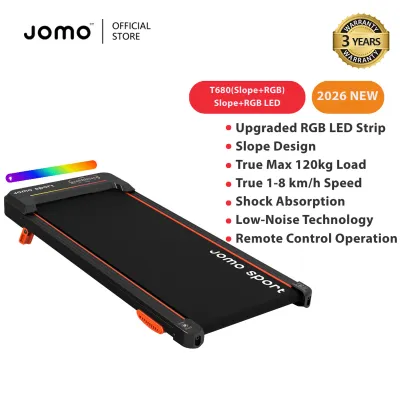
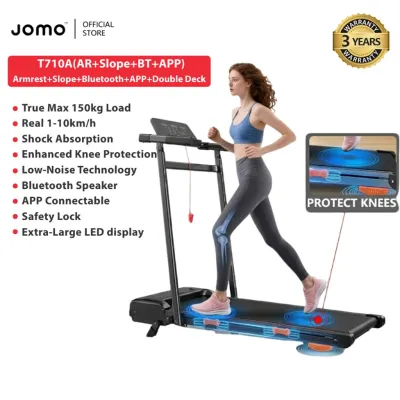
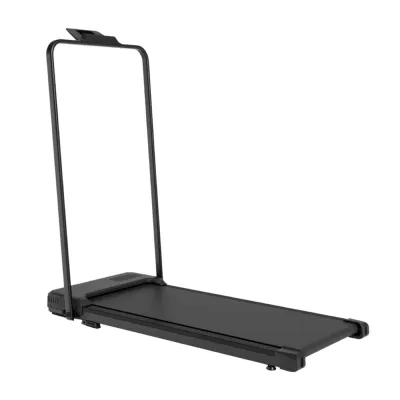
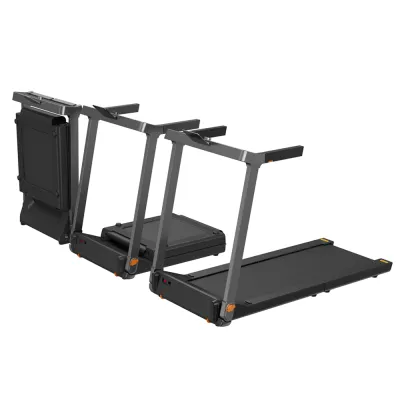
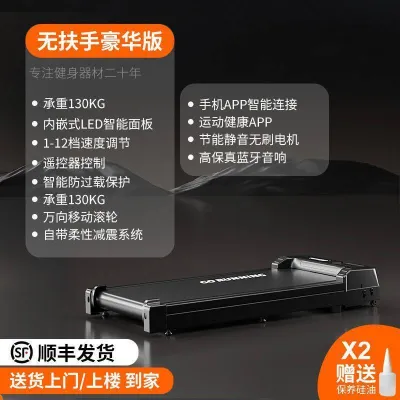
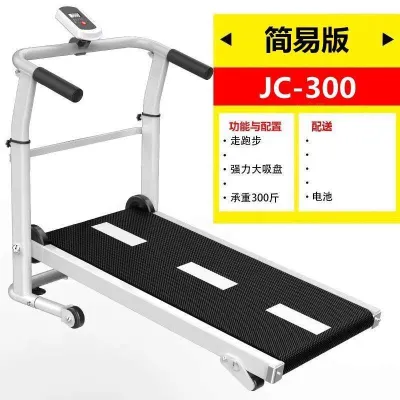
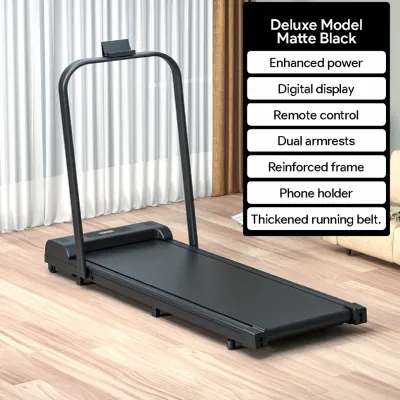
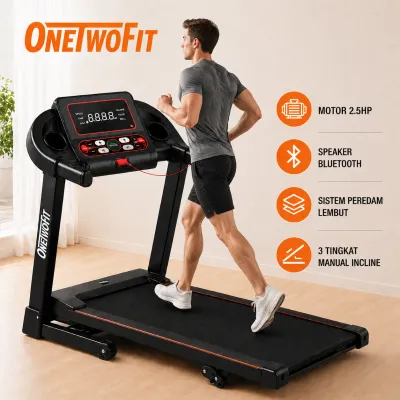
Prices are valid at publication and may change. Please refer to the product page for the latest price.
You must also account for the physical dynamics of your daily workflow. If you plan to use an under-desk treadmill, measure the exact distance between the inner edges of your standing desk legs. Wooden walking pads often feature wider, more robust side rails than their plastic counterparts, which can make them too wide for standard compact desks. Additionally, consider where your office chair will go when you transition from sitting to walking. If your room lacks the space to park an office chair alongside the desk, you will need a walking pad that is light enough to roll completely out of the room or slide under a nearby bed.
Space-Saving Features to Look for in Wooden Walking Pads
When shopping for an office walker wooden treadmill, identifying specific design elements can make the difference between a highly usable fitness tool and a bulky piece of clutter. Unlike standard folding treadmills, wooden models rarely fold completely in half across the running belt because a split wooden frame compromises structural rigidity. Instead, look for ultra-thin, flat designs that rely on a low profile to slide under low-clearance furniture. If you prefer to store your equipment vertically, prioritize models that feature integrated, fold-down handlebars that lay completely flush with the wooden deck when closed.

The material composition of a wooden walking pad introduces specific trade-offs regarding weight and portability. Solid wood frames, such as those crafted from beech, oak, or ash veneers, offer superior structural rigidity and natural shock absorption, which can make your walk feel more stable and less jarring on your joints. However, this durability comes at the cost of increased weight. A wooden walking pad can weigh significantly more than an aluminum or plastic equivalent. To offset this weight, look for models equipped with high-quality, built-in transport wheels at the front base, allowing you to tilt and roll the unit without straining your back.
Before finalizing your choice, always verify the manufacturer’s specifications regarding weight capacities and physical dimensions. Check the maximum user weight limit to ensure the wooden deck can safely support your stride without flexing excessively. Pay close attention to the height of the motor housing protrusion at the front of the pad; some models have a raised motor cover that may prevent the unit from sliding under low sofa frames or platform beds common in Singapore homes.
Managing Noise, Vibration, and Floor Protection in HDBs
Living in a multi-story HDB apartment means that your fitness routine can directly impact your neighbors. The primary disturbance caused by a walking pad is not the hum of the motor, but rather the structure-borne vibration generated by your footsteps. Each step sends a shockwave through the wooden frame of the treadmill and directly into the concrete floor slab of your building, which can sound like a loud, rhythmic thudding to the neighbors living directly below you. To mitigate this, look for wooden walking pads that feature built-in shock-absorbing rubber feet or multi-layered running belts designed to dampen impact.
Floor protection is another critical consideration for Singapore homeowners, particularly those with vinyl, laminate, or engineered wood flooring. The continuous weight, friction, and vibration of a heavy wooden walking pad can easily scratch, dent, or discolor these sensitive surfaces over time. To prevent costly property damage, always place a high-density, non-slip equipment mat beneath the entire footprint of the walking pad. This mat acts as a protective barrier, distributing the machine’s weight evenly and absorbing the micro-vibrations that would otherwise wear down your floor’s protective coating.
Finally, ensure your setup accounts for proper ventilation and electrical safety in tight spaces. The electric motor of a walking pad generates heat during use and requires adequate airflow to prevent overheating. Avoid placing the motor housing directly against thick rugs, curtains, or tight wall corners that could block the ventilation grates. Cable management is equally important in a small office; ensure the power cord is routed safely along the edge of the room rather than across active walkways.
Your Pre-Purchase Measurement and Setup Checklist
Before purchasing a wooden walking pad, executing a thorough pre-purchase checklist will save you from the frustration of delivery day surprises or incompatible equipment. Begin by measuring your target storage zones with a standard tape measure. If you plan to store the pad under a bed or sofa, measure the vertical clearance from the floor to the lowest point of the furniture frame, keeping in mind that center support legs can restrict entry. If you intend to store the unit vertically against a wall or inside a utility closet, measure the available height and depth, ensuring there is a secure way to anchor or strap the unit to prevent it from tipping over.
Next, verify the logistical path from your HDB corridor to your home office. Measure the width of your front gate, main door frame, and any tight hallway corners to ensure the delivery box can pass through easily. If your building has lift access, confirm that the lift door dimensions can accommodate the packaged product. It is also wise to review the retailer’s return and exchange policies specifically for bulky fitness items, as return shipping fees for heavy wooden equipment can be substantial if the product does not fit your space as expected.
Lastly, perform an ergonomic cross-check of your active workspace. Measure the maximum height limit of your standing desk and compare it to your height plus the step-up height of the walking pad. Because a walking pad typically raises your standing position by five to twelve centimeters, your standing desk must be able to raise by that same amount to maintain an ergonomic ninety-degree elbow angle while typing.
Frequently Asked Questions (FAQ)
Can I use a walking pad on vinyl or laminate flooring common in HDBs?
Yes, but you should never place the walking pad directly onto vinyl or laminate floors. The combination of heavy wood, metal components, and continuous vibration can cause vinyl planks to shift, warp, or scratch. Always lay down a high-density PVC or rubber equipment mat first. This mat protects your flooring from friction damage, prevents the walking pad from sliding during use, and helps dampen the sound of your footsteps for a quieter home environment.
How do I safely store a wooden walking pad when not in use?
To store a wooden walking pad safely, first ensure that any folding handlebars or consoles are fully collapsed and locked into place using the manufacturer’s designated pins or latches. If storing the unit vertically, place it on a flat, level surface against a solid wall, making sure the built-in vertical storage feet are fully engaged. For households with children or pets, use a safety strap or wall anchor to prevent accidental tipping. If storing horizontally under furniture, use the front transport wheels to guide the unit smoothly, avoiding any twisting motions that could strain your back.

Community discussion
Share your experience or ask a question. Comments are reviewed before publication.