
Choosing the right adult swimming goggles is a highly individual decision that directly impacts your comfort, vision, and performance in the water. While Speedo, Arena, and TYR are the three dominant brands in the swimming world, none of them can claim a universal fit that works for every face. The ideal choice depends on how a brand’s specific frame geometry matches your facial bone structure, alongside your primary swimming environment and personal performance goals. By understanding the design philosophies of each manufacturer, you can narrow down the options to find a pair that remains secure and leak-free throughout your swim.
Speedo is widely recognized for its versatile product lines that cater to everyone from casual fitness swimmers to elite Olympic athletes. Arena tends to focus heavily on hydrodynamic efficiency, offering low-profile designs favored by competitive racers who prioritize minimal drag. TYR positions itself as a robust, durable alternative, frequently chosen by triathletes and open-water swimmers who require rugged frames and dependable strap systems. Rather than searching for a single superior brand, your goal should be to match your unique facial profile and swimming habits to the specific strengths of these manufacturers.
Identifying Your Swimming Environment and Goals
Before comparing brands, you must define where and how you plan to swim, as different environments demand distinct goggle characteristics. Indoor pool swimming, outdoor open-water swimming, and competitive racing each present unique challenges that influence frame design and lens requirements. For instance, a swimmer training in a dimly lit indoor pool needs maximum light transmission, whereas an open-water swimmer faces bright sunlight, shifting weather conditions, and glare off the water surface.
Products mentioned in this guide
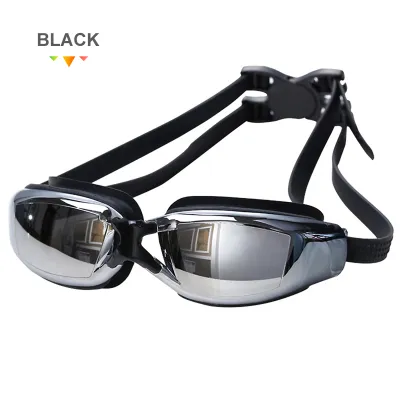
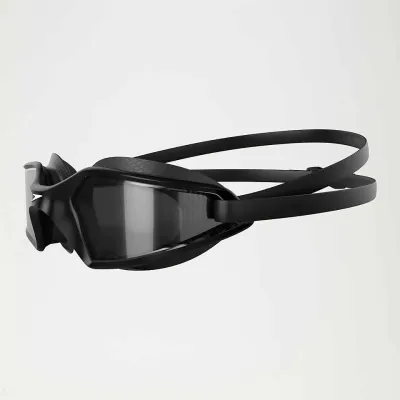
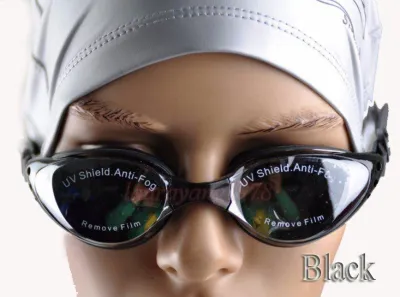
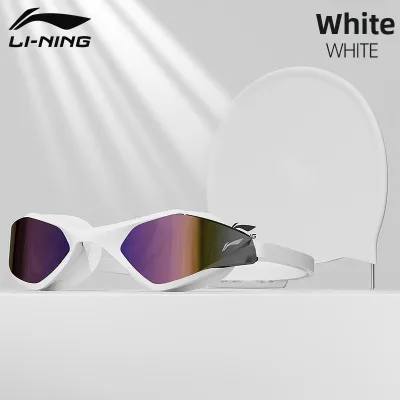
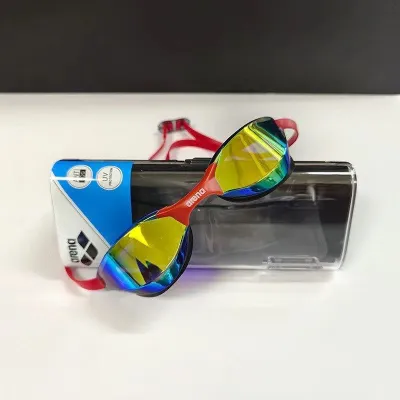
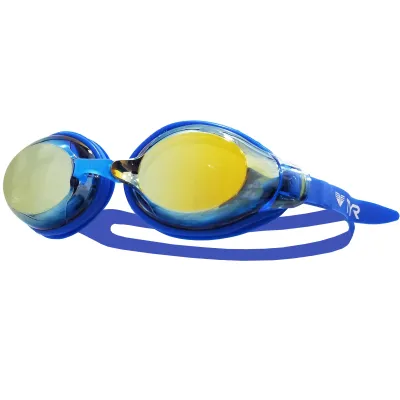
Prices are valid at publication and may change. Please refer to the product page for the latest price.
In competitive racing environments, hydrodynamic efficiency is the primary concern. Swimmers in this category require low-profile goggles that sit tightly within the eye socket to minimize water resistance during starts and turns. Conversely, fitness and recreational swimmers who spend long hours in the pool typically prioritize comfort over absolute speed, opting for larger gaskets that distribute pressure more evenly across the face.
The frequency and intensity of your swimming sessions also dictate the level of durability you need from your gear. Daily training sessions expose goggles to constant chlorine, salt water, and physical wear, which can rapidly degrade low-quality materials. If you swim multiple times a week, investing in high-grade silicone gaskets and robust strap systems becomes essential to prevent premature leaks and frame warping.
Safety in the water must always be your first priority, and equipment should never replace proper training, physical preparation, or sound judgment. When swimming in open water, poor visibility can quickly lead to disorientation, making it vital to choose goggles that offer clear, unobstructed peripheral vision. Before entering any natural body of water, always assess the weather, water currents, and your own physical limits, and ensure your goggles are properly adjusted to prevent sudden water entry.
Comparing Fit, Seal, and Comfort
The effectiveness of any swimming goggle relies entirely on its ability to form a watertight seal against your face without causing pain or leaving deep red marks. Speedo, Arena, and TYR approach frame geometry and gasket design differently, resulting in distinct fits across their product lines. Speedo often utilizes a softer, more cushioned gasket material in its recreational and fitness models, which conforms easily to a wide variety of facial shapes.

Arena is renowned for its highly ergonomic, low-profile racing gaskets that sit deeper inside the eye socket. This design minimizes drag but can feel restrictive or uncomfortable for swimmers with prominent brow bones or sensitive skin around the eyes. TYR frequently designs its goggles with slightly wider gaskets and deeper eye cups, offering a middle ground that provides a secure seal for individuals with broader facial structures or higher nasal bridges.
To determine if a specific pair of goggles is compatible with your facial structure, you can perform a simple dry-fit suction test before entering the pool. Press the goggle lenses firmly against your eye sockets without using the strap, and observe if they hold a light suction for a few seconds. If the goggles fall off immediately, it indicates that air is escaping through a gap in the seal, meaning water will likely enter the frame during your swim.
When selecting between different models, you must weigh the trade-offs between rigid, low-drag racing sockets and softer, wider recreational gaskets. Rigid sockets offer excellent stability during high-speed activities and explosive dives, but they can cause discomfort during prolonged training sessions. Softer gaskets, often made of liquid silicone or thermoplastic rubber, provide superior long-term comfort but may shift slightly under high water pressure or during rapid head movements.
Evaluating Lens Technology and Visibility
Lens selection is critical for maintaining clear visibility and protecting your eyes from environmental hazards. The three major brands offer a diverse range of lens options, including clear, tinted, mirrored, and polarized variations. Clear lenses are ideal for low-light conditions, such as indoor pools or early morning swims, as they allow maximum light transmission without altering your perception of the surroundings.
For outdoor swimming, managing glare and bright sunlight is essential for both comfort and safety. Mirrored lenses reflect light away from your eyes, making them highly effective for bright, sunny days in outdoor pools or calm open water. Polarized lenses go a step further by filtering out horizontal light waves, significantly reducing the harsh glare that bounces off the water surface, which is particularly beneficial for triathletes navigating open-water courses.
When purchasing goggles, always check the manufacturer’s product labels and specifications to verify the level of UV protection provided. Reliable outdoor goggles should offer verified ultraviolet protection to shield your eyes from harmful solar radiation during long exposure. Additionally, look for specifications regarding factory-applied anti-fog coatings, keeping in mind that these treatments are temporary and will gradually wear off over time regardless of the brand.
It is important to match your lens tint precisely to your primary swimming environment to avoid safety hazards. Wearing dark, mirrored lenses in a poorly lit indoor pool can severely restrict your vision, making it difficult to see lane lines, pace clocks, or other swimmers. Conversely, using clear lenses in bright outdoor conditions can lead to eye strain, squinting, and temporary blindness from intense glare, highlighting the utility of owning multiple pairs for different conditions.
Assessing Durability and Strap Systems
A goggle’s strap system is responsible for keeping the eye cups securely in place without applying excessive pressure to the back of your head. Speedo, Arena, and TYR utilize various strap designs, including classic split silicone straps, adjustable bungee cords, and advanced quick-adjust side buckles. Split straps distribute tension across two points on the back of the skull, reducing the likelihood of the goggles slipping down during a swim.
Bungee strap systems, which are highly popular among competitive swimmers and triathletes, offer exceptional durability and ease of adjustment. Unlike traditional silicone straps that can snap or lose elasticity over time, bungee cords are made of woven elastic fibers that resist chlorine degradation and allow for micro-adjustments on the fly. Quick-adjust side buckles, often found on fitness models, allow you to tighten or loosen the fit with a simple pull, though they can sometimes add bulk to the sides of the frame.
To maximize the lifespan of your swimming goggles, establishing a proper post-swim maintenance routine is essential. After every session, rinse your goggles thoroughly with cool, fresh tap water to remove chlorine, salt, and organic debris that can degrade the silicone seals. Avoid using soap, hot water, or abrasive materials, and never touch or wipe the inside of the lenses, as this will instantly scratch or rub off the delicate anti-fog coating.
Over time, all swimming goggles will show signs of wear that indicate they need to be replaced. Look out for observable indicators such as hardening or cracking of the silicone gaskets, a noticeable loss of elasticity in the straps, or warping of the plastic frame. If you find yourself constantly tightening the straps to prevent leaks, or if the lenses remain permanently cloudy despite thorough rinsing, it is time to invest in a new pair to maintain safety and comfort.
Decision Framework: Matching Brand to Swimmer Profile
To finalize your choice among Speedo, Arena, and TYR, you should align each brand’s primary design strengths with your personal swimming profile. Speedo is an excellent choice if you prioritize widespread availability, versatile recreational options, and classic fitness designs. Their extensive product range ensures that you can easily find replacement parts, prescription options, and comfortable fits suitable for casual lap swimming or daily fitness routines.
Arena is the ideal brand if your focus is on competitive racing, high-performance training, and advanced hydrodynamic profiles. If you prefer a low-profile, secure fit that minimizes drag during starts and turns, Arena’s specialized racing models are engineered specifically to meet these demands. Their designs are highly favored by club swimmers and competitive athletes who require a locked-in feel during intense workouts.
TYR is highly recommended if you seek robust build quality, distinct aesthetic variations, and specialized options for triathlons and open-water swimming. Their goggles often feature wider gaskets that provide a comfortable seal for long-duration swims, along with durable strap systems that withstand the rigors of outdoor transitions. TYR’s focus on durability makes them a favorite among endurance athletes who train in diverse environments.
Before making a final purchase, always verify if you have specific facial structure constraints or require prescription lenses. Many models offer interchangeable nose bridges of varying widths to help you customize the distance between the eye cups. If you wear corrective lenses, check the manufacturer’s authorized product guides for optical inserts or dedicated prescription goggles, ensuring you select a model that provides both clear vision and a watertight fit.
Frequently Asked Questions (FAQ)
How do I prevent my swimming goggles from fogging up?
To preserve the factory-applied anti-fog coating on your goggles, you must never wipe, rub, or touch the inside of the lenses with your fingers, towels, or any other materials. Physical contact quickly scratches the delicate chemical layer, rendering it ineffective. Before entering the water, rinse your goggles briefly in the pool to equalize the temperature, and rinse them with fresh, cool water immediately after your swim. If the original anti-fog coating eventually wears off through normal use, check the manufacturer’s instructions to find an approved aftermarket anti-fog spray or drop solution to safely restore visibility.
Can I use the same goggles for both pool and open water swimming?
While it is physically possible to use a single pair of goggles for both environments, doing so requires careful consideration of lighting conditions and safety. For outdoor open-water swimming, having verified UV protection and polarized or mirrored lenses is crucial to protect your eyes from solar radiation and manage intense water glare. Using those same dark, mirrored goggles in a dimly lit indoor pool can severely limit your visibility, creating safety hazards such as colliding with lane ropes or other swimmers. If you swim in both environments, it is highly recommended to maintain two separate pairs of goggles tailored to the specific lighting of each venue.

Community discussion
Share your experience or ask a question. Comments are reviewed before publication.