
To find a sports water bottle that can keep your drinks ice-cold during outdoor workouts in Singapore’s intense heat and humidity, you must look beyond basic marketing claims. While many popular brands promise all-day cooling, real-world thermal performance depends on specific engineering details, material quality, and how you use the bottle. Evaluating these factors systematically allows you to choose a bottle that maintains refreshing temperatures whether you are running along East Coast Park or training in an open-air gym.
Comparing insulation performance requires analyzing how different brands address heat transfer. The primary challenge in a tropical climate is preventing ambient heat from warming your water through conduction, convection, and radiation. By understanding the structural differences between various bottle designs, you can make an informed decision that fits your hydration needs and workout routine.
Understanding Insulation Technologies in Sports Bottles
The foundation of modern thermal retention is double-wall vacuum insulation. This construction features an inner and outer wall of food-grade stainless steel, typically 18/8 stainless steel, with the air completely evacuated from the space between them. Because a vacuum contains virtually no air molecules, it prevents heat from transferring via conduction or convection from the hot air to your cold beverage. The thickness of these steel walls plays a minor role in insulation but is crucial for durability, as dents can compromise the vacuum seal.
Products mentioned in this guide
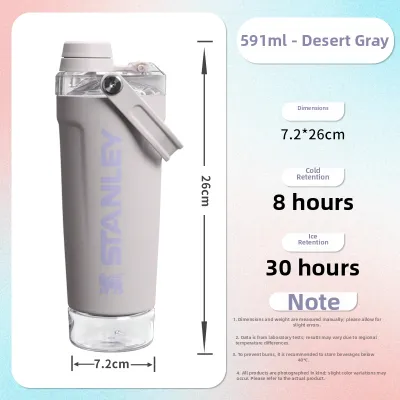
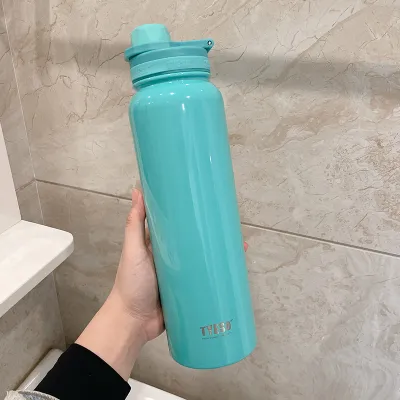
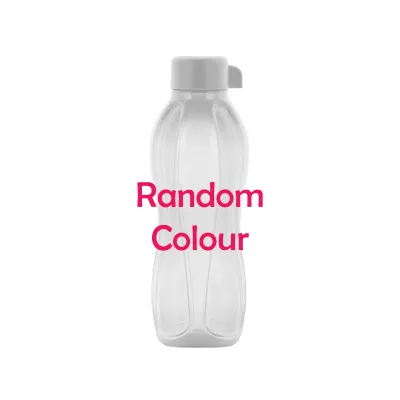
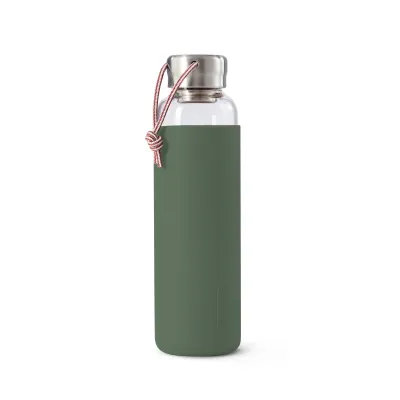
Prices are valid at publication and may change. Please refer to the product page for the latest price.
To further limit heat transfer, some premium brands incorporate additional thermal enhancements inside the vacuum gap. A common method is copper plating or lining applied to the exterior of the inner stainless steel wall. Copper is an exceptional thermal reflector that bounces radiant heat away from the inner chamber, significantly extending the duration that ice remains solid. In contrast, lighter insulated plastic bottles often rely on reflective foil wraps sandwiched between plastic layers; while these are lighter and squeezable, they offer substantially less thermal resistance than vacuum-insulated steel.
The most critical point of thermal vulnerability in any insulated bottle is the lid. Unlike the body, bottle lids are typically made of plastic or silicone, which do not feature vacuum insulation. Heat enters the bottle primarily through this uninsulated top section. High-performing brands address this by designing thicker, insulated lids, utilizing heavy-duty silicone gaskets to create airtight seals, and minimizing the surface area of the lid relative to the insulated body.
How to Evaluate Thermal Retention Claims
When comparing brands, it is essential to understand that manufacturer thermal claims are established under highly controlled laboratory conditions. These tests typically involve filling a bottle to capacity with ice water in a temperature-controlled room of around 20°C to 22°C, leaving the lid completely closed for the duration of the test. In Singapore, your bottle will face ambient temperatures frequently exceeding 30°C, direct sunlight on running tracks, and high relative humidity, all of which accelerate heat transfer.

To verify the credibility of insulation claims, look for independent testing certifications or compliance with international standards on the packaging, such as the European standard EN 12546-1 for vacuum ware. These standards ensure that the materials used are safe for food contact and that the thermal performance claims follow a standardized testing methodology. If a brand does not reference any testing standards or material certifications, its performance claims may be less reliable under extreme conditions.
Your actual usage habits will also significantly alter how long your drink stays cold. Every time you open the lid to take a sip, warm, humid air enters the bottle. The moisture in this air condenses on the cold inner walls, releasing latent heat that rapidly warms the liquid. Additionally, the ratio of ice to water you use is a major variable; a bottle filled with 80% water and a few ice cubes will warm up much faster than one packed with solid ice and topped off with water, regardless of the brand’s insulation quality.
Matching Bottle Features to Singapore's Workout Conditions
A bottle’s insulation performance is only useful if the bottle is practical to use during your specific exercise routine. In Singapore’s humid climate, condensation can form on the exterior of poorly insulated bottles, but high-quality vacuum bottles remain dry on the outside. However, your hands will still sweat during intense cardio or outdoor runs. To maintain a secure grip, look for bottles with durable powder-coated exteriors or integrated silicone sleeves, which prevent the bottle from slipping out of your hands when wet.
The design of the lid mechanism directly impacts both thermal retention and hydration speed. Straw lids allow you to drink quickly without tilting your head, making them ideal for cycling or running on a treadmill where you need to keep your eyes forward. However, straw lids have more complex internal pathways and venting valves that can let in small amounts of warm air over time. Spout or chug lids offer a faster flow rate and seal tightly with a screw or snap cap, balancing excellent thermal sealing with ease of use. Wide-mouth lids provide the absolute best thermal seal because they have fewer moving parts, but they require you to stop moving to unscrew the lid and drink safely.
You must also balance the trade-offs between capacity, weight, and your activity level. A larger bottle, such as a 1-liter or 1.2-liter model, holds enough cold water for a long hike through MacRitchie Reservoir but becomes heavy and bulky to carry. Water weighs approximately one kilogram per liter, and when combined with the weight of double-walled stainless steel, a large bottle can quickly fatigue your arms on long walks. For shorter gym sessions or indoor fitness classes, a lighter 500ml to 600ml bottle is often more practical and easier to transport.
Decision Framework for Choosing Your Sports Bottle
To select the right insulated bottle for your routine, apply a conditional decision framework based on your primary workout environment and hydration habits.
First, match the lid style to your activity. If your workouts involve high-intensity cardio, cycling, or continuous movement, choose a vacuum-insulated bottle equipped with a straw lid or a one-handed click-to-open mechanism. This setup prioritizes safety and convenience, allowing you to hydrate rapidly without interrupting your pace. If your activities are long-duration, outdoor, or stop-and-start sessions—such as beach volleyball, hiking, or outdoor bootcamps—prioritize maximum ice retention by choosing a wide-mouth bottle with a heavy-duty, insulated screw cap.
Second, verify the physical compatibility of the bottle before purchasing. Measure the base diameter of the bottle to ensure it fits your gym equipment holders, bicycle bottle cages, or vehicle cup holders. Standard cup holders and bicycle cages typically accommodate bottles with a diameter of up to 7.5 centimeters. Larger bottles, particularly those with capacities of 32 ounces (approximately 950ml) or more, often have wider bases that will not fit standard holders and must be carried in a backpack side pocket or by an integrated handle.
Finally, consider the long-term value and availability of replacement parts. Premium insulated bottles in Singapore typically range from S$30 to S$60. Because silicone gaskets and plastic lids can wear out, mold, or sustain damage over time, verify if the brand sells individual replacement lids, straw mouthpieces, and seals. Choosing a brand with readily available replacement parts ensures you can maintain hygienic use of your bottle for years without needing to purchase an entirely new steel flask.
Frequently Asked Questions (FAQ)
Does pre-chilling the bottle improve ice retention?
Yes, pre-chilling the bottle significantly improves how long your ice remains solid. Stainless steel has thermal mass, meaning a bottle stored in a warm room will transfer its residual heat directly to your cold drink as soon as you fill it. To pre-chill, fill the bottle with cold tap water or ice water for two to three minutes, discard the water, and then immediately add your ice and beverage. This simple step ensures the steel walls are already cold, preventing them from melting your ice prematurely.
Can I put hot drinks in a bottle designed for cold retention?
While the vacuum insulation technology works identically for keeping liquids hot, you must verify the manufacturer’s guidelines regarding your specific lid. Many sports bottles designed for cold drinks feature straw lids, flip spouts, or bite valves that are not rated for hot liquids. Hot liquids can cause steam pressure to build up inside an airtight bottle, which can lead to hot liquid spraying out violently when you open the lid, posing a significant burn risk. Always swap to a lid specifically rated for hot beverages before filling your bottle with hot tea or coffee.
Community discussion
Share your experience or ask a question. Comments are reviewed before publication.