
Selecting the right hydration gear for workouts in Singapore’s year-round tropical heat requires balancing thermal efficiency with physical practicality. While the Stanley 20oz tumbler is highly popular for daily hydration, its performance during exercise depends heavily on your training environment and movement intensity. In high-humidity settings, cold retention is not merely a matter of raw vacuum insulation; it is deeply influenced by lid design, exposure to ambient air, and how often you open the container. Comparing a wide-mouth lifestyle tumbler like the Stanley 20oz to specialized, sealed sports bottles reveals distinct trade-offs in spill resistance, carrying convenience, and thermal endurance. To make an informed choice, you must evaluate how these structural differences align with your specific fitness routine, whether you are training in an air-conditioned gym or running along the East Coast Park.
Key Insulation Specs to Compare
To understand how different vessels maintain cold temperatures, you must look closely at the engineering principles behind double-wall vacuum insulation. High-quality insulated bottles typically utilize food-grade 18/8 stainless steel, which consists of 18% chromium and 8% nickel to resist corrosion and rust from sweat and moisture. The vacuum layer between the inner and outer steel walls prevents heat transfer via conduction and convection, as there are no air molecules to carry heat from the warm air to your chilled beverage. When evaluating different brands, check the manufacturer’s specifications for the grade of stainless steel and whether the inner wall features a copper lining, which reflects thermal radiation and further slows temperature changes.
While the vacuum body does the heavy lifting, the lid is the primary point of thermal vulnerability. Every time you open a straw or flip-top lid, warm, humid air enters the bottle, accelerating ice melt through convection. A wide-mouth opening allows for easy ice insertion but exposes a larger surface area to the ambient environment whenever the lid is removed or left open. Conversely, narrow-mouth designs restrict air exchange, preserving cold temperatures for longer periods under direct sunlight. When comparing options, inspect the thickness and material of the lid; solid, insulated plastic lids retain cold significantly better than thin, transparent acrylic lids that offer minimal thermal resistance.
Products mentioned in this guide
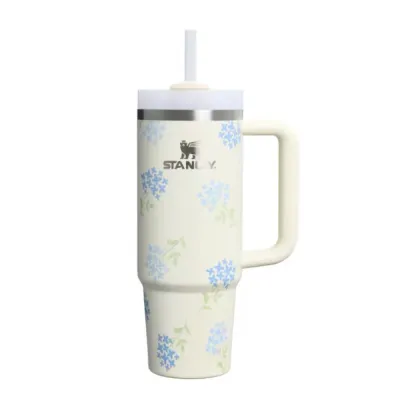
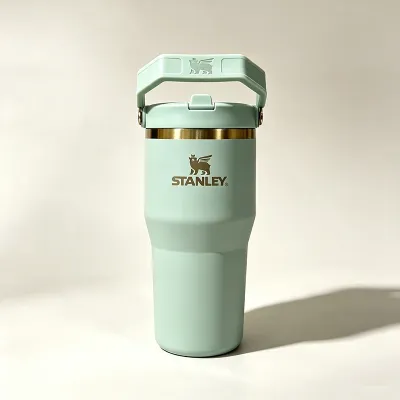
Prices are valid at publication and may change. Please refer to the product page for the latest price.
It is also essential to cross-reference manufacturer temperature claims with the realities of a tropical climate. Standard laboratory tests for cold retention are often conducted in controlled, air-conditioned environments around 20°C to 22°C. When you take a tumbler outdoors in Singapore, where temperatures frequently exceed 30°C with high humidity, the temperature differential between the inside and outside of the bottle is much greater. This accelerated heat transfer means that real-world cold retention will inevitably fall short of the maximum hours advertised on the packaging, making lid seals and insulation thickness even more critical.
Stanley 20oz Tumbler: Design and Workout Suitability
The Stanley 20oz tumbler features a tapered silhouette designed to fit securely into standard cup holders, making it highly convenient for commutes to the gym or spin studio. Its ergonomic shape allows for a comfortable grip, though the 20oz version lacks the large side handle found on its larger 40oz counterpart. This smaller footprint makes it easier to slip into the side pockets of a backpack or carry by hand between workout stations. However, the smooth powder-coat finish, while durable and aesthetically pleasing, can become slippery when handled with sweaty hands during intense training sessions, suggesting the use of a silicone boot or sleeve for added traction.

The lid mechanism of the Stanley 20oz, typically featuring a rotating cover with a reusable straw, is optimized for quick, effortless sipping. This design allows you to hydrate mid-workout without tilting your head back, which is particularly useful when riding a stationary bike or walking on a treadmill. However, this open-straw configuration is not entirely splash-proof or leak-proof; rapid movements or tilting the tumbler in a gym bag can lead to spills. The airflow permitted by the straw opening also introduces a continuous, albeit small, stream of warm air into the chamber, which can cause ice to melt faster during outdoor workouts compared to fully sealed alternatives.
At approximately 591ml, the 20oz capacity strikes a practical balance between weight and hydration volume for moderate exercise sessions. It provides enough water for a standard 45-to-60-minute indoor workout without requiring a refill, while remaining light enough to carry without causing fatigue. For longer endurance training or outdoor activities where water sources are scarce, this capacity may prove insufficient, requiring you to choose between a heavier, larger vessel or planning your route around public water coolers.
How Competing Sports Bottles Stack Up
When contrasted with the Stanley 20oz, specialized sports bottles from competing brands offer distinct structural advantages tailored for high-impact physical activity. Many sports-centric bottles feature a narrow-mouth opening, which inherently preserves ice longer by minimizing the surface area exposed to warm air. While a narrow mouth makes adding large ice cubes more challenging, it significantly reduces thermal exchange during use. This design is particularly beneficial for outdoor sports, where maintaining a cold beverage temperature under the sun is a constant challenge.
Lid functionality represents another major point of divergence between lifestyle tumblers and dedicated sports bottles. Instead of an open straw or rotating cover, sports bottles frequently utilize leak-proof screw caps, bite-valves, or push-pull lids that seal completely when closed. These mechanisms allow you to toss the bottle into a gym bag, drop it on a turf field, or carry it horizontally on a bicycle frame without any risk of leakage. Furthermore, bite-valves and pressurized nozzles allow for rapid, one-handed hydration during high-intensity interval training (HIIT) or running, where stopping to adjust a lid is inconvenient.
Material durability and weight distribution also vary significantly across these categories. Sports bottles designed for rugged outdoor use often feature thick silicone bumpers, heavy-duty powder coatings, and integrated carry loops that withstand drops on concrete or gravel. While the Stanley 20oz is robustly constructed from stainless steel, its aesthetic focus makes it more susceptible to cosmetic denting and scratching when subjected to rough handling. Additionally, some sports bottles incorporate lightweight materials or double-wall plastics to reduce the overall carrying weight, prioritizing agility over maximum thermal retention.
Choosing the Right Tumbler for Your Training Environment
Selecting the ideal hydration companion depends on a careful assessment of your workout environment, movement patterns, and personal hydration habits. If your fitness routine primarily consists of stationary, low-impact activities—such as weightlifting in an air-conditioned gym, yoga, or indoor pilates—the Stanley 20oz is an excellent fit. Its easy-sipping straw, cup-holder compatibility, and moderate weight allow you to maintain steady hydration without interrupting your flow. In these controlled indoor settings, the minor thermal loss from the straw lid is negligible, and the risk of accidental tipping is low.
For high-intensity, high-movement, or outdoor training, a fully sealed, narrow-mouth sports bottle is generally the more practical choice. If you are running outdoors, cycling, or participating in functional fitness classes where your bottle is frequently moved, knocked over, or stored in a bag, a leak-proof seal is non-negotiable. A sealed bottle prevents messy spills on gym equipment or personal electronics and ensures that your water remains ice-cold even when exposed to direct sunlight and high humidity for extended periods.
Before making a final decision, verify your specific storage and commuting requirements. If you commute via public transport in Singapore and need to store your water bottle inside a backpack alongside work documents or laptops, avoid open-straw tumblers entirely. Look for bottles that explicitly guarantee a leak-proof seal and feature a locking mechanism on the lid. If you prefer to carry your bottle by hand, prioritize models with integrated, heavy-duty carry loops or textured grips that prevent slipping when your hands are wet with sweat or condensation.
Maintenance and Care for Maximum Cold Retention
To preserve the vacuum seal and ensure your insulated bottle continues to perform optimally over time, proper maintenance is essential. Always wash your bottle and lid with mild dish soap and warm water, avoiding abrasive scrubbers that can scratch the interior stainless steel or damage the exterior powder coating. Pay close attention to the silicone gaskets and seals inside the lid, as these components can trap moisture, leading to mold growth and unpleasant odors. Periodically remove these gaskets for a thorough cleaning, and ensure they are completely dry before reassembling the lid to maintain a tight, leak-proof seal.
Over time, physical impacts from drops or rough handling can compromise the vacuum seal of any insulated bottle. You can identify a vacuum failure by observing the exterior of the bottle when filled with ice water; if the outer wall feels cold to the touch or develops condensation (sweating), the vacuum insulation has been compromised. Once the vacuum seal is lost, the bottle will no longer prevent heat transfer, and its cold retention capabilities will drop significantly.
If you observe persistent condensation on the outside of your bottle or notice that ice melts rapidly within an hour of filling, the insulation is likely damaged. In such cases, stop relying on the bottle for long workouts and check the manufacturer’s warranty policy. Many premium brands offer limited lifetime warranties covering manufacturing defects, including vacuum insulation failures, allowing you to seek a replacement or professional guidance.
Frequently Asked Questions (FAQ)
Can I put boiling water in a tumbler designed for cold drinks?
While high-quality stainless steel can withstand high temperatures, you must check the manufacturer’s guidelines before putting boiling water in a tumbler designed primarily for cold beverages. Using boiling liquids in a bottle with a straw lid or flip-top can cause pressure to build up inside, leading to hot liquid spraying out when opened and causing burns. Additionally, extreme temperature changes can cause thermal shock to plastic components or gaskets, potentially degrading the seals over time.
Does the color or exterior finish affect insulation performance?
The color or exterior finish of your tumbler has a negligible impact on its internal cold retention performance due to the double-wall vacuum construction. While dark colors absorb more radiant heat from the sun, this heat only warms the outer steel wall; the vacuum layer prevents this heat from transferring to the inner wall and your drink. However, a high-quality powder-coated finish provides a textured grip that helps prevent drops, indirectly protecting the vacuum seal from impact damage.

Community discussion
Share your experience or ask a question. Comments are reviewed before publication.